What If We Let Kindergarten Be Kindergarten Again?
I do not think five-year-olds should be taking standardized tests.
I do not think there should be any formal testing before they even know how to tie their shoes.
In fact, when we look at many high-performing countries around the world, formal academic testing does not begin in Kindergarten. Early years focus on development only!
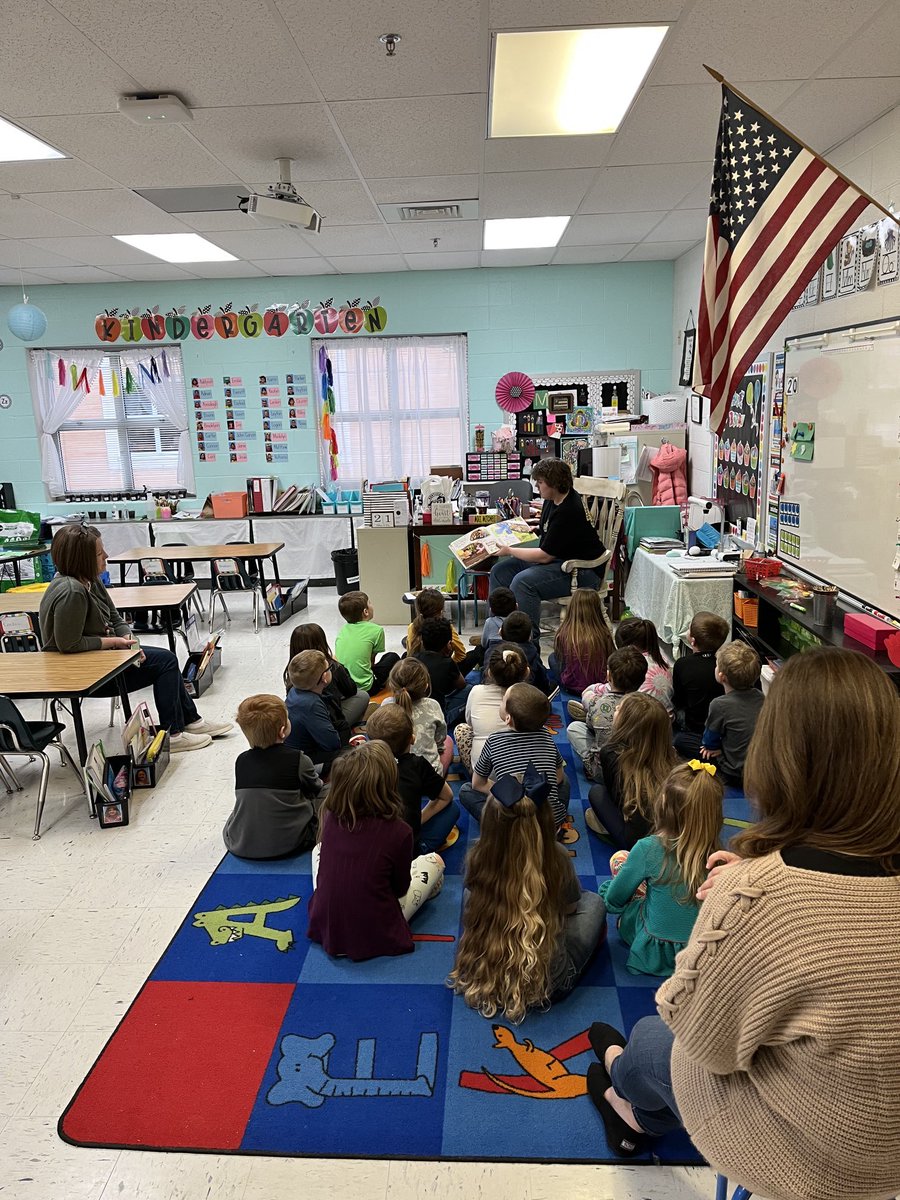
What if our Kindergarten classrooms were built around:
• Play as real learning
• Projects instead of packets
• Stories instead of screens
• Outdoor time every single day
• Movement woven into the day
• Teaching kids how to handle frustration
• Teaching them how to share, speak up, and solve problems
What if we cared less about how fast they can read
and more about whether they love learning?
Here is what the research shows.
Children who build strong self-regulation early on are more likely to succeed later academically. They focus longer. They manage stress better. They bounce back from mistakes. They persist when work gets hard.
Those skills predict long-term outcomes more consistently than early decoding speed.
You can teach reading in first grade.
It is much harder to teach resilience, curiosity, and confidence once a child starts believing they are not good at school.
Five-year-olds do not need acceleration.
They need foundation.
Kindergarten should not feel like preparation for a test.
It should feel like preparation for life.
And that begins with joy, belonging, and roots deep enough to support everything they will become.
Standardized testing in early childhood prioritizes adult expectations over child development, placing it in direct tension with what Piaget, Vygotsky, and Erikson showed us about how young children actually learn and grow.
And children shouldn’t be the ones paying for politicians and other decision-makers that ignore development.
For generations, kids had three worlds:
1. Home
2. School
3. A third place; the park, the field, the neighborhood, the church gym, the rec center.
That third place is where kids learned: • how to solve problems without an adult
• how to read emotions and faces
• how to handle conflict
• how to lose
• how to make friends
• how to negotiate and compromise
• how to sit with frustration
• how to just be a kid
But today?
Most kids' third place is a screen.
A screen doesn’t teach boundaries.
A screen doesn’t teach emotional regulation.
A screen doesn’t teach cooperation or conflict skills.
A screen doesn’t teach patience or self-control.
So all the social and emotional skills kids used to practice before they walked into school…
they have to learn inside school now.
And that’s why:
behavior feels different
attention feels different
emotions feel bigger
classroom management is tougher.
This isn’t a “kids these days” problem.
It’s a cultural shift.
When the third place disappears, childhood changes.
And schools end up carrying what the community used to teach.
Until kids get their third place back, we’re going to keep seeing the fallout
We have created a system where covering content matters more than understanding it.
And the cost is enormous.
Teachers are not rushing because they want to.
They rush because the curriculum is packed so tightly that every minute is spoken for.
There is barely time to finish the lesson, much less pause for questions.
The irony is that questions are where real learning happens.
A question is the mind trying to make meaning.
It is the moment a student reaches beyond memorizing and starts thinking.
But when the day is so full that students cannot even ask questions, they never learn how to question.
And if they never learn how to question, they never learn how to think.
Yet people still say things like, “If the standards are the same, classrooms should look the same.”
That idea sounds organized on paper, but it reveals a misunderstanding of learning.
Two classes can have the same standards and be in completely different places.
Because no two groups of students are the same.
No two teachers are the same.
No two paths to understanding are the same.
Standards describe the goals.
They do not dictate the route.
They do not require identical classrooms moving at identical speeds.
Learning is not a race to stay on pace.
Learning is the space to wonder, question, explore, and connect ideas.
When we remove that space, we are not raising rigor.
We are removing thinking.
If we truly want deeper learning, we need less racing and more room.
Less pressure to cover content and more permission to understand it.
Less focus on identical pacing and more focus on actual growth.
Because students do not grow from being pushed through material.
They grow from being allowed to think.
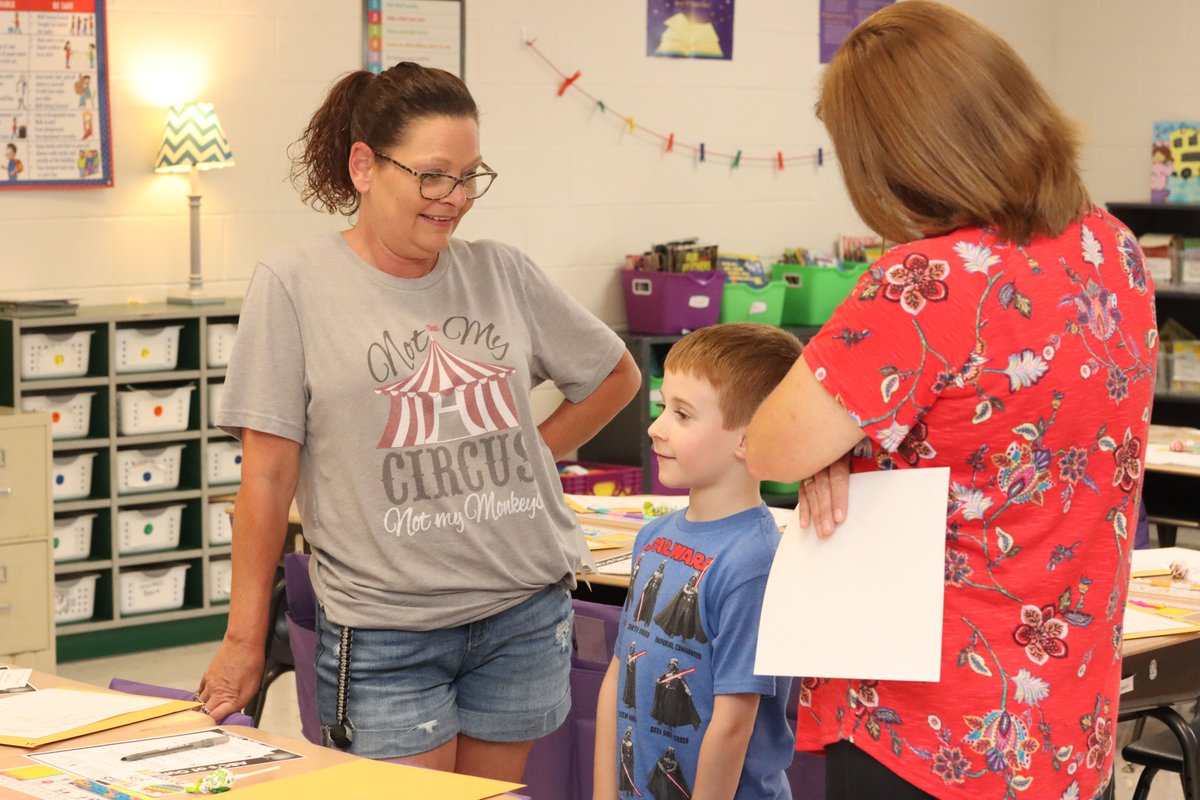
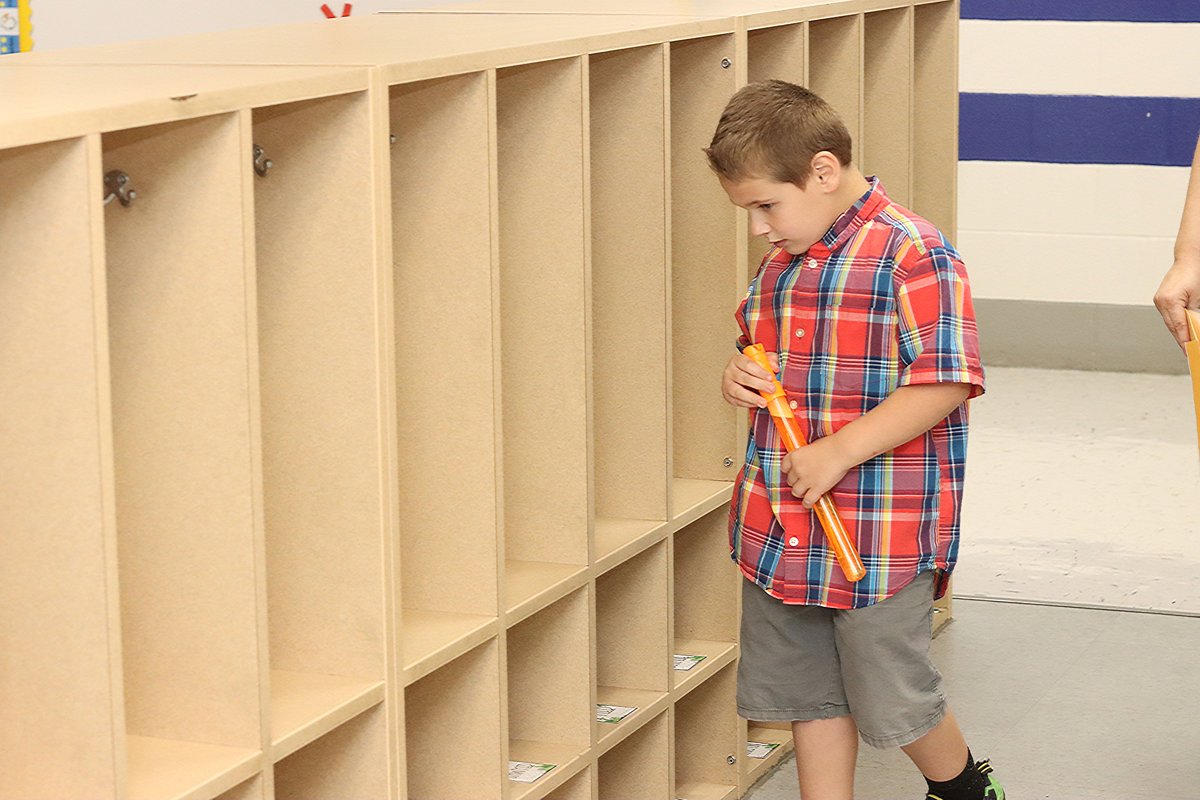
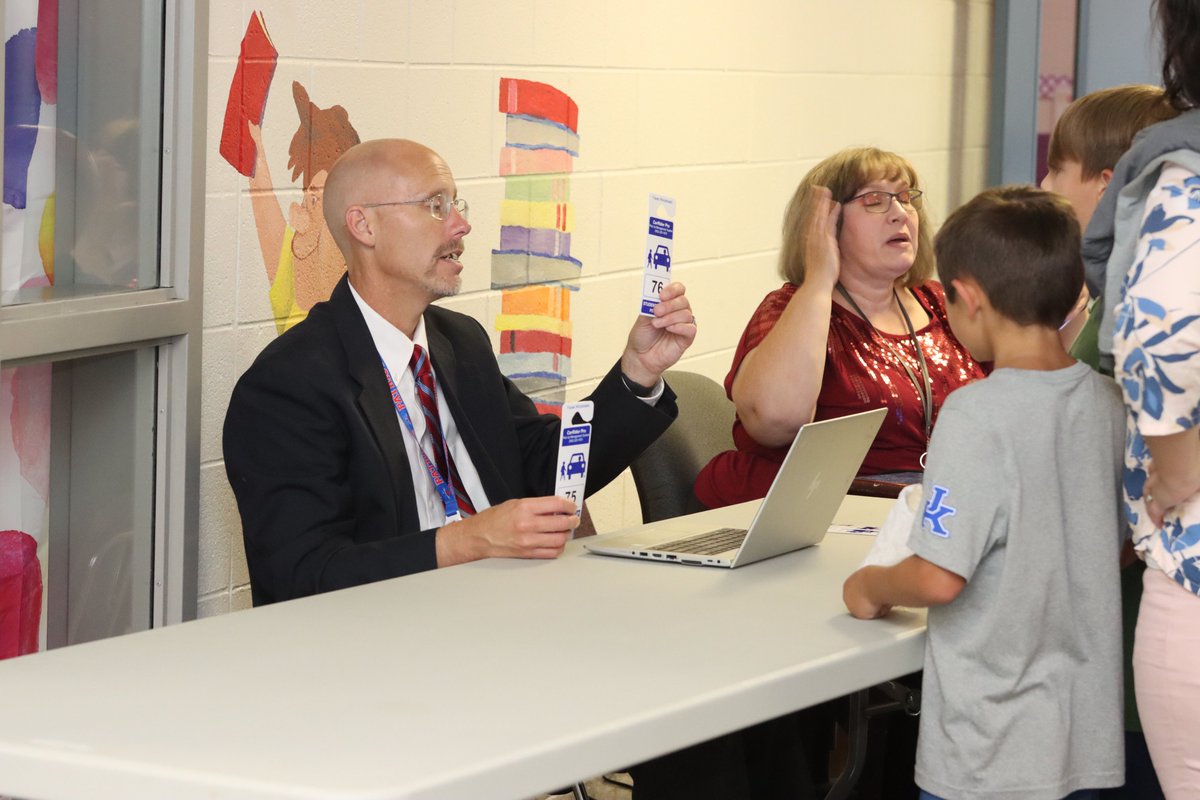
Open House this afternoon for students attending the Allen County Primary Center this year. School starts on August 11 for the approximately 3,000 Allen County students.
Many kids with so-called learning disabilities are probably just young for their grade.
Study of 388k Finnish kids over 7 years: December birthdays had 77% higher rates of learning disorder diagnoses than January birthdays.
We need to stop confusing maturity with ability.
Allen County Schools will implement Nclass@home Thursday, January 20, 2022, due to inclement weather. Students should participate in virtual calls according to the schedule supplied by their teacher and complete assignments through Google Classroom.
The Illinois-based 95% Group has a FREE series of videos about the Science of Reading! Here is a list of topics and a link to the videos and handouts:
https://t.co/ldax9dMUCo