Want the best for our Celtic Nations. Not anti English. Not pro British. Siarad Cymraeg pob dydd. Not always approved a shared tweet.First Account hacked. YNWA
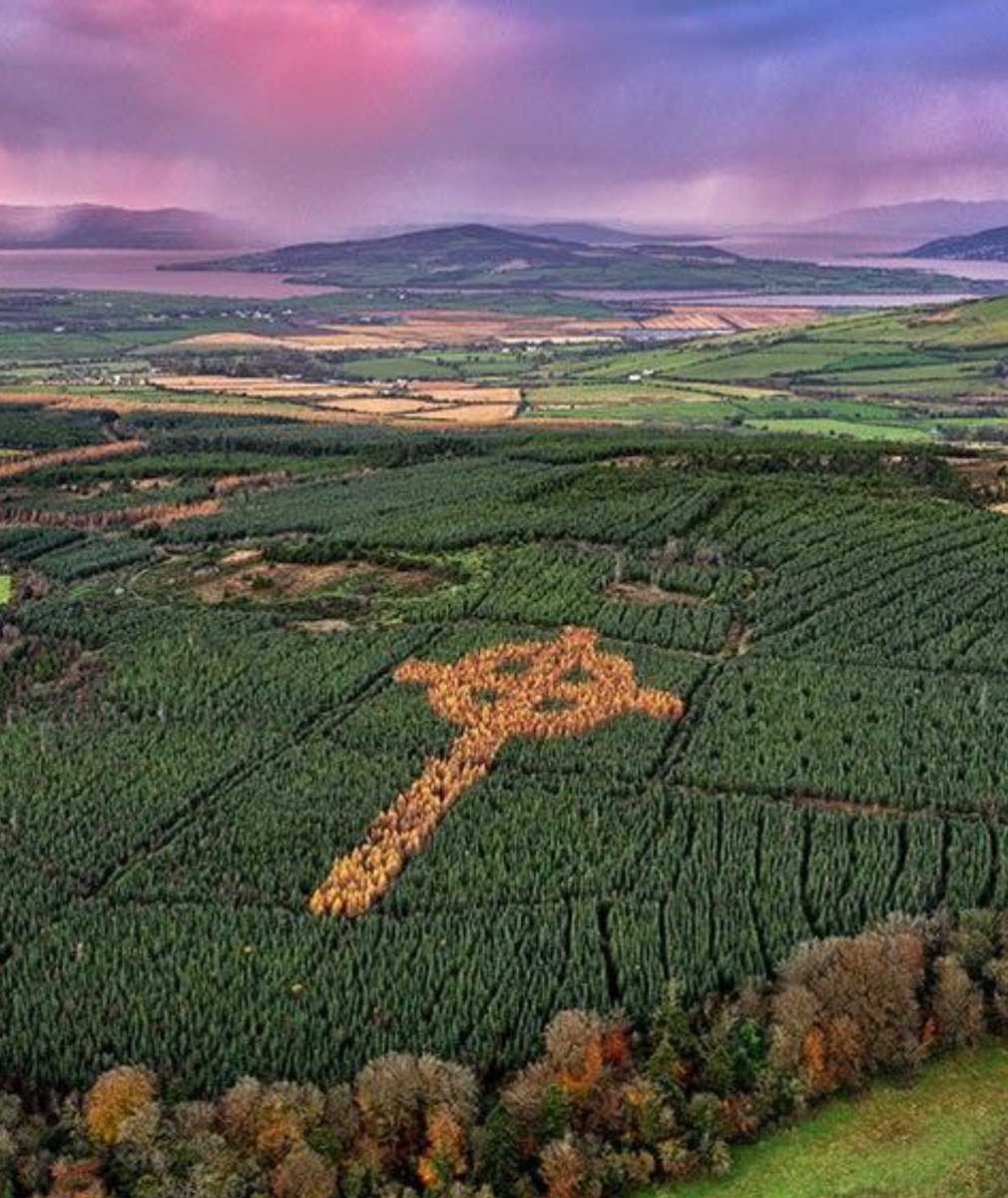
DONEGAL, IRELAND
Liam Emery planted this Celtic Cross pattern made up of 3,000 deciduous Japanese Larch in the woods in Donegal, shortly before suffering a brain injury that would lead to his death at just 51 years old
Liam died in 2010, but since 2016 his incredible creation is now visible from the sky
2/2
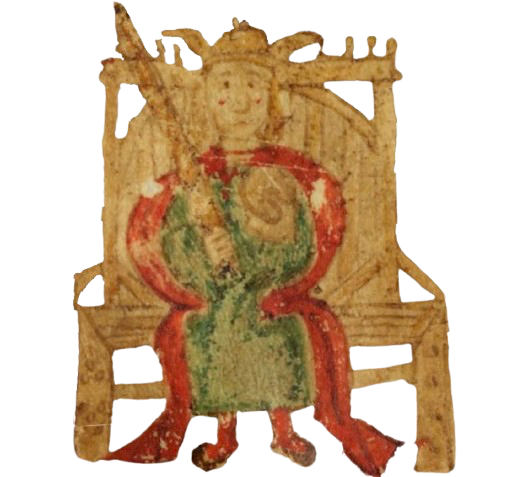
More about the 🏴 Welsh King Cadwallon ap Cadfan can be found here:
https://t.co/l23ND6RHYs
📷 from 15th century Welsh language 'Peniarth MS; 23C (f.99.v) via the @NLWales .
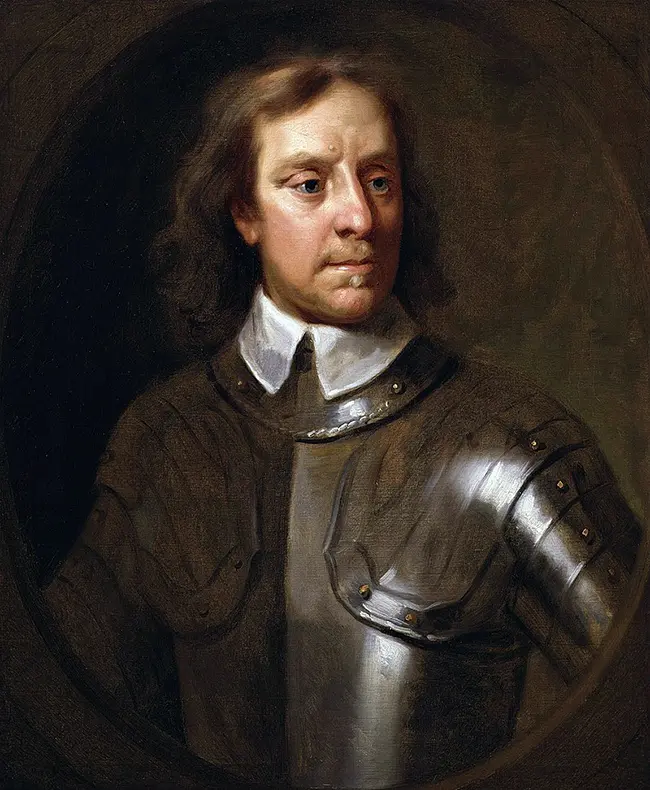
#OnThisDay 1649 Cromwell's New Model Army, amid peace negotiations, enter Wexford town, raze it, slaughter the garrison & civilian population. Cromwell did not order this attack but he did not try to stop it either. 2000 defenders & 1500 civilians were killed. #Ireland#History
The Giant's Causeway is one of Ireland's most extraordinary natural wonders, where thousands of interlocking basalt columns create a landscape unlike anywhere else 🏞️💚⛰️
📍Giant's Causeway, County Antrim 🇮🇪
📸 coffee_and_coastlines
#Antrim#Ireland#Giantscauseway#Landscapes
Robert Stephenson, one of the greatest engineers and a designer of locomotives, died on this day 1859. Son of George Stephenson, the 'father of railways'. Designed the Rocket and lots of bridges.
We have spent a long time asking how we can persuade people to watch Welsh football. Perhaps the better question is: what can we do to make people want to be there? ✍️ Jack Sargeant https://t.co/7ygfhpdqTS
#OnThisDay 1899 The Second Anglo-Boer War began. At least 30,000 Irishmen would serve there in 13 infantry regiments & 3 cavalry units within the British Army. Another 300 Irishmen, like John MacBride, would fight with the Boers against the British.
#Ireland#History
I see that Fishguard weather centre have announced their names for the storm season this year;
Angharad, Blodwen, Cadwgan, Dewi, Eifion, Ffion, Gruffydd, Hywel, Iestyn, Jac, Llewelyn, Myfanwy, Nerys, Padrig, Rhiannon, Seren, Taliesin, Undeg, Valmai, and Ynyr
In 1322 the King of England marched 20,000 men into Scotland and was defeated by an empty field. His entire army found one cow.
Edward II wanted to finish what his father had started. He crossed the border that August with the largest force England had raised in years, expecting to live off the rich farmland of Lothian on the way to Edinburgh.
Robert the Bruce did not fight him. He simply left, and took the country's food with him.
That was possible because of what the Scots lived on. Their wealth was cattle, and cattle can walk. The order went out and every beast south of the Forth was driven north into the hills. What grain there was went too, or was burned.
The English marched for days through a silent landscape. The foragers came back with nothing. At a place called Tranent they finally found a single animal, a lame cow that had been left behind because she could not keep up.
The Earl of Surrey looked at her and said it was the dearest beef he had ever seen. It had cost, he reckoned, a thousand pounds and more.
Within three weeks the army was starving and sick. It turned for home. Bruce came down out of the hills behind it and very nearly captured the King himself in Yorkshire.
Six years later England recognised Scotland as an independent kingdom.
There is a lesson in that cow. You can burn a wheat field and starve the people who planted it. A nation that keeps its food on four legs just walks it out of reach and waits for you to get hungry.