Happy to see another story from my postdoc in @Ken_Poss_Lab out! This time Spinal Cord Regeneration in Zebrafish and Neonatal Mice!
A big thank to our incredible co-authors to make this work possible! 🐭🐟🐭🐟 https://t.co/MDa2YM9ADU
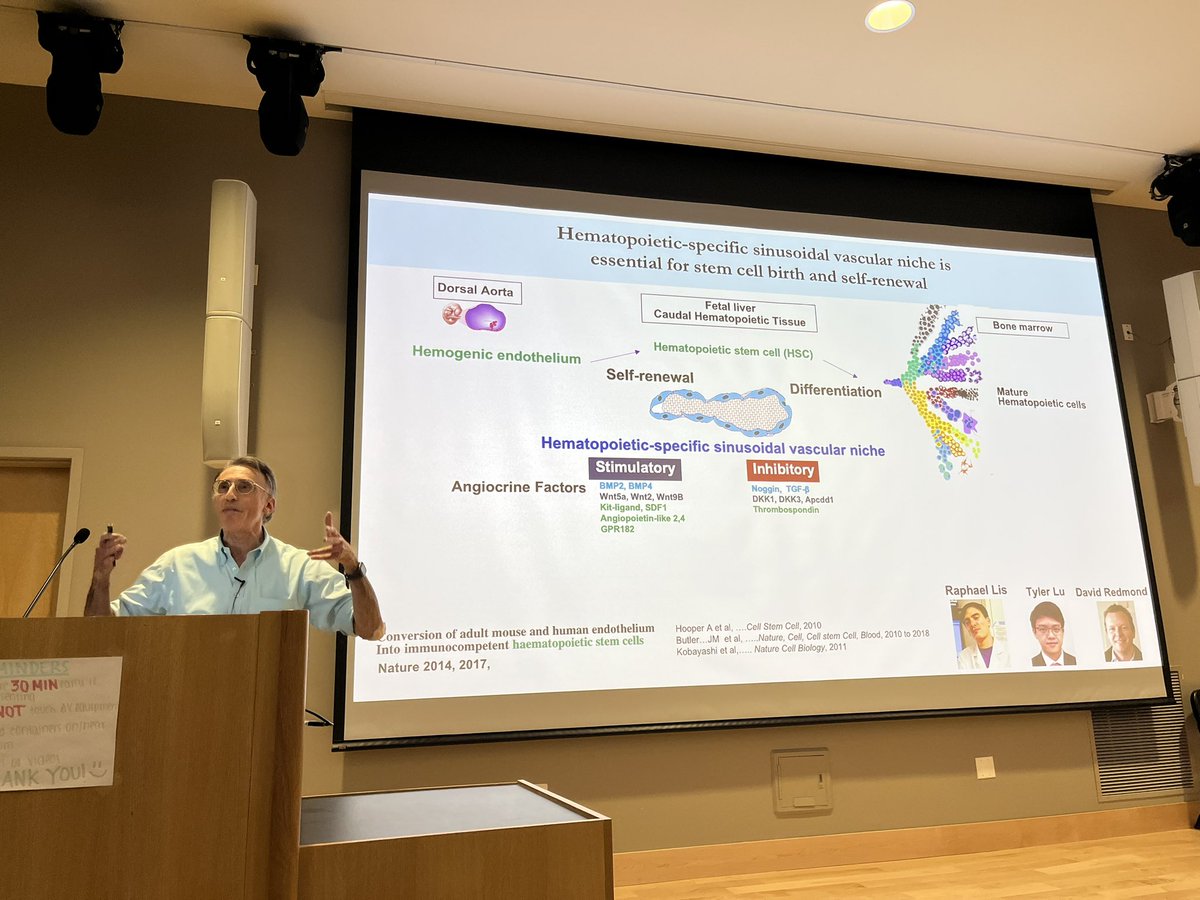
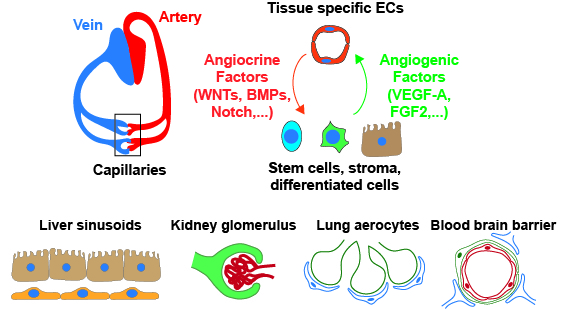
Shahin Rafii dives into the incredible heterogeneity of endothelial cells in organs and tissues. Add that to the non-nutritional signals that endothelial cells provide, & BOOM it makes them poised to act as local vascular niches for stem cell populations. 🤩 #GRCAngiogenesis
The student, postdoc and junior faculty talks at #GRCAngiogenesis are FANTASTIC. The future of #VascularBiology is bright!
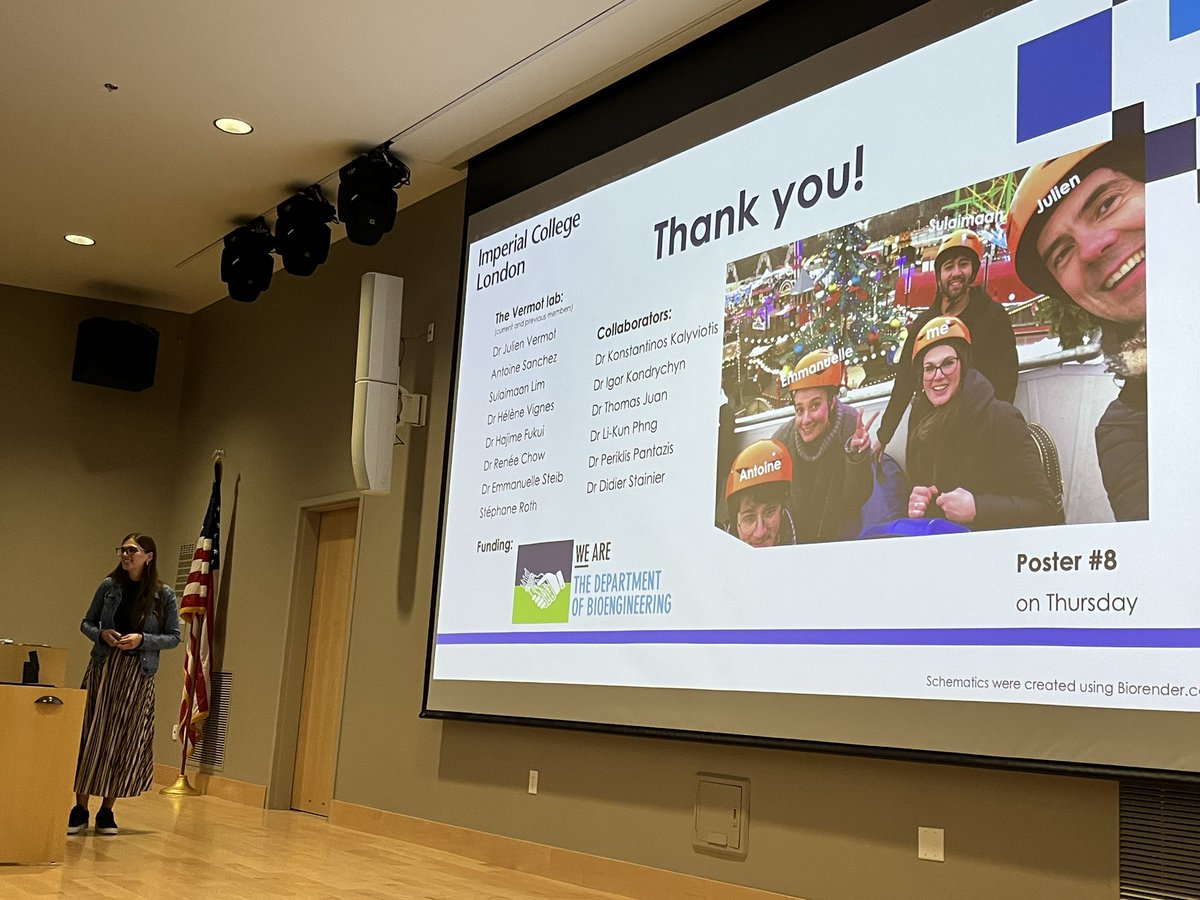
Thank you @CVagenaPantoula for sharing your work on forces in heart valve development!
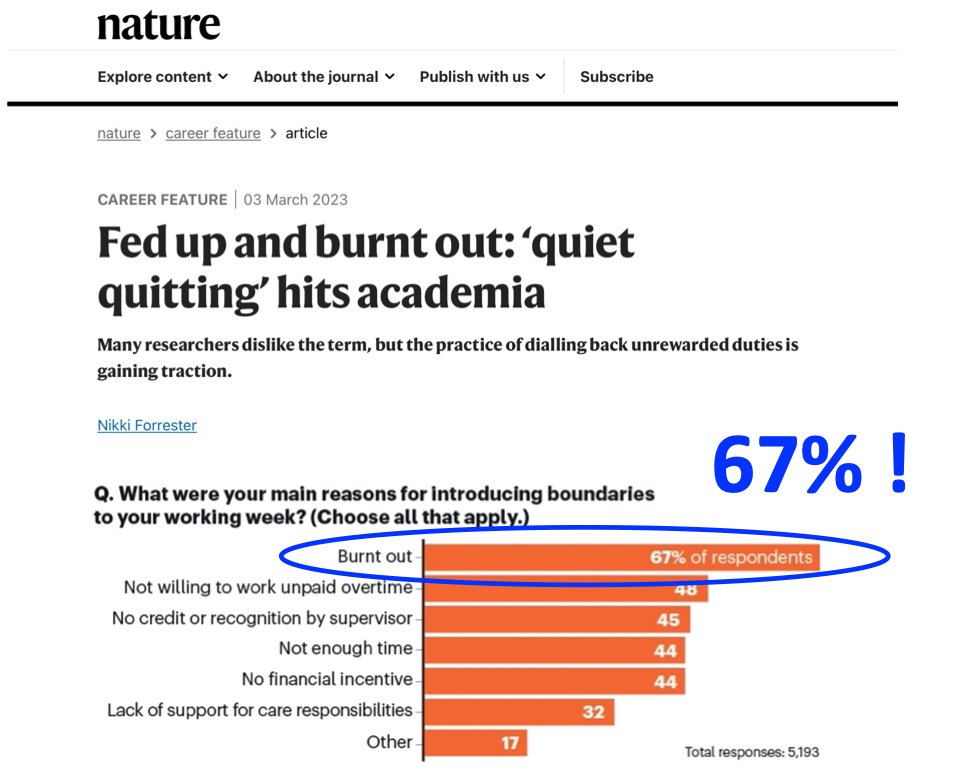
No reward - no duties. 75% of respondents have reduced the hours spent on academic duties since 2020 (Nature polls).
Mostly due to burnout and unwillingness to work for free.
This included attending conferences, peer reviewing manuscripts and grant proposals, committees, mentoring and even teaching.
Why?
Because scientists are tired of not being able to do #science.
- Students are tired of being unappreciated and overloaded
- Faculties are tired of “community duties” that become overwhelming (conferences, committees, reviewing, outreach, etc)
And everyone is tired of small salaries, zero empathy and little credit.
The problem is greatly summarized by Isabel Müller (in the article):
“There’s so little acknowledgement that people have difficult, complicated lives outside of work.”
A year ago, Nature described how PhD students don’t want to be postdocs and faculties are leaving academia. Now, we see that those who stayed are trying to resist the system from the inside.
But the problem is - the system is too rigid, too traditional and too elitist.
So, as a community, we can change it only by raising our voices and expressing distaste with the status quo. I applaud Nature for writing about these issues so regularly. The academic world has too many interdependent parts which should be addressed concurrently.
This is why we should stay united and strong as a community.
Regarding the academic environment we all hope to have, I loved how Isabel Müller put it in the article:
- I hope it becomes the new normal to say: “My life matters. My work is an important part, but I decide what my life looks like, not my employer”.
#AcademicTwitter #education
Releasing Cellpose 2.0 today! You can now train your own state-of-the-art models in <1h, all from the GUI. Massive improvements for some images!
paper: https://t.co/BlG8mcwZNu
code: https://t.co/O7DgqGs1ax
Full story below 👇. #cellpose with @computingnature
Finally out: Our lab's first-ever paper with exclusively negative data now published in @CR_AACR (https://t.co/d8ucCMMzah). Accompanied by editorial from @brekkenlab highlighting the work's implications (https://t.co/VTaCMaj4ZU). Congrats to Moritz & Till for this landmark work!
We published our latest story in Cell Stem Cell!! We described how liver endothelial cell populations are shaped during development and found c-Maf as an important regulator. A 🧵
https://t.co/AoHwtC4e3S
#Endothelium#Vascularbiology#Development
Unfortunately this study uses a protocol that generates iBMECs of epithelial rather than endothelial identity. Therefore this study is misleading and incorrect.
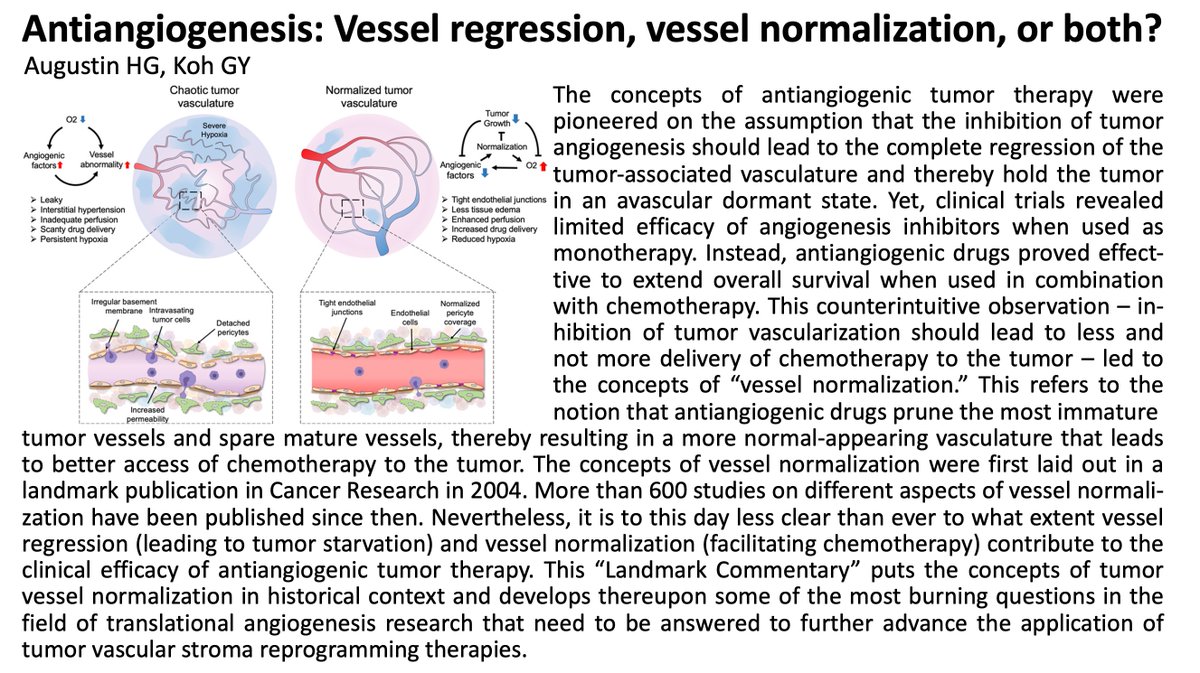
Of to a good start into a productive new year: First paper was published today. Just a short commentary in @CR_AACR drafted together with @gou_koh. Worth reading if you want to learn about the history of antiangiogenic therapy and current challenges (https://t.co/sZyytZF3tD).
Start your week off with a review! 🎇
Drs. Shahin Rafii, Jesus Gomez-Salinero (@jmgsalinero), and Tomer Itkin (@TomItkin) at @WeillCornell describe how microenvironmental tissue-specific cues dictate the specialization of #EndothelialCells.
Read it here: https://t.co/j0xeOtCTKG
If you are interested in learning how your blood vessels adapt to each organ's needs and help during regeneration, check out our new review in Developmental Cell https://t.co/KoNdWW3Nfm #Angiocrine#EndothelialCells#VascularBiology
The blood-brain barrier is difficult to overcome but Flaviviruses are particularly adept at breaking through and invading the central nervous system. A review in @FrontMicrobiol looks at the pathways exploited by these viruses.
Read it here ⬇