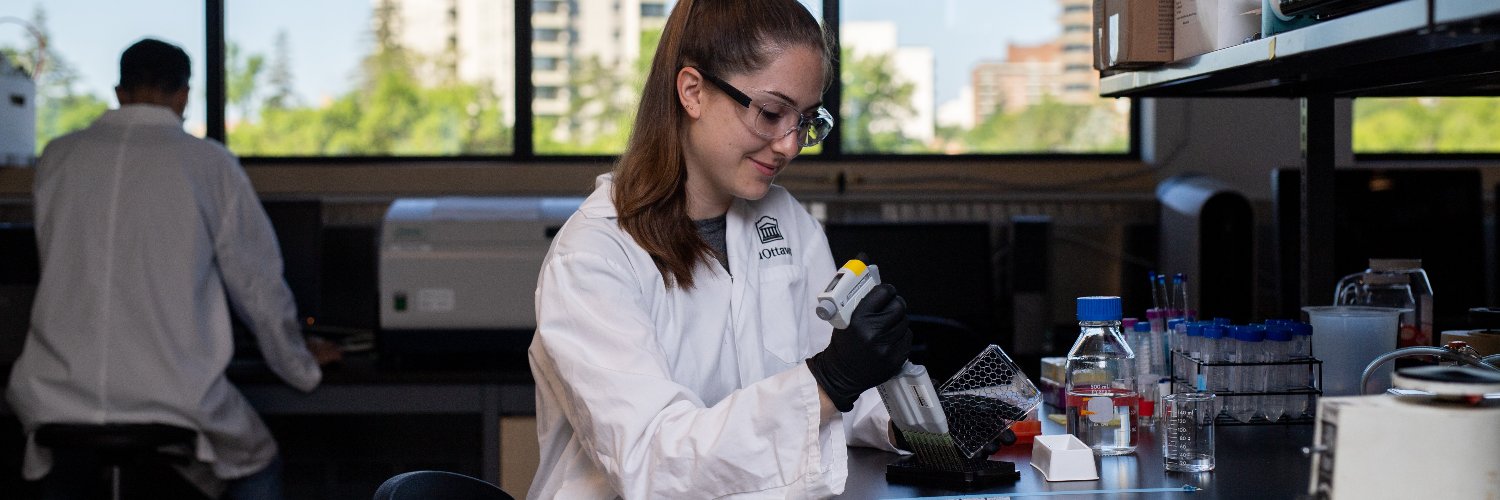
How did life begin?
Professor Joseph Moran, who received the inaugural Roeland Nolte Medal on November 20 in Nijmegen, is exploring the chemical origins of life.
🔗 Read the article : https://t.co/3XE7zE94IT
Comment la vie a-t-elle commencé?
Les travaux du professeur Joseph Moran, qui a reçu la toute première médaille Roeland Nolte le 20 novembre à Nijmegen, explorent les origines chimiques de la vie.
🔗 Lire l’article : https://t.co/vjVol2hwLc
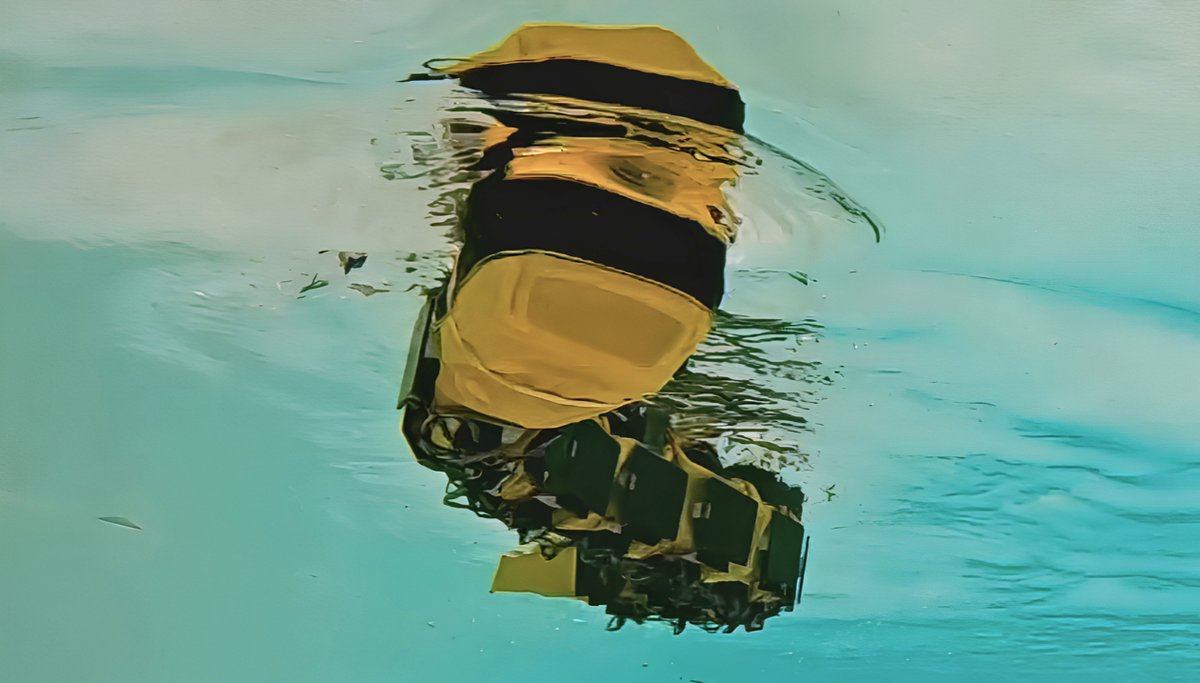
What do eels 🤝 robots have in common?
Professor Emily Standen and international collaborators are combining biology, modelling and robotics to uncover how animals coordinate movement.
🔗https://t.co/rlg2VqCDCS
Quel est le point commun entre les anguilles 🐍 et les robots 🤖?
La professeure Emily Standen et ses collaborateurs internationaux combinent biologie, modélisation et robotique pour mieux comprendre la locomotion animale.
🔗 https://t.co/XXC7hjvvI1
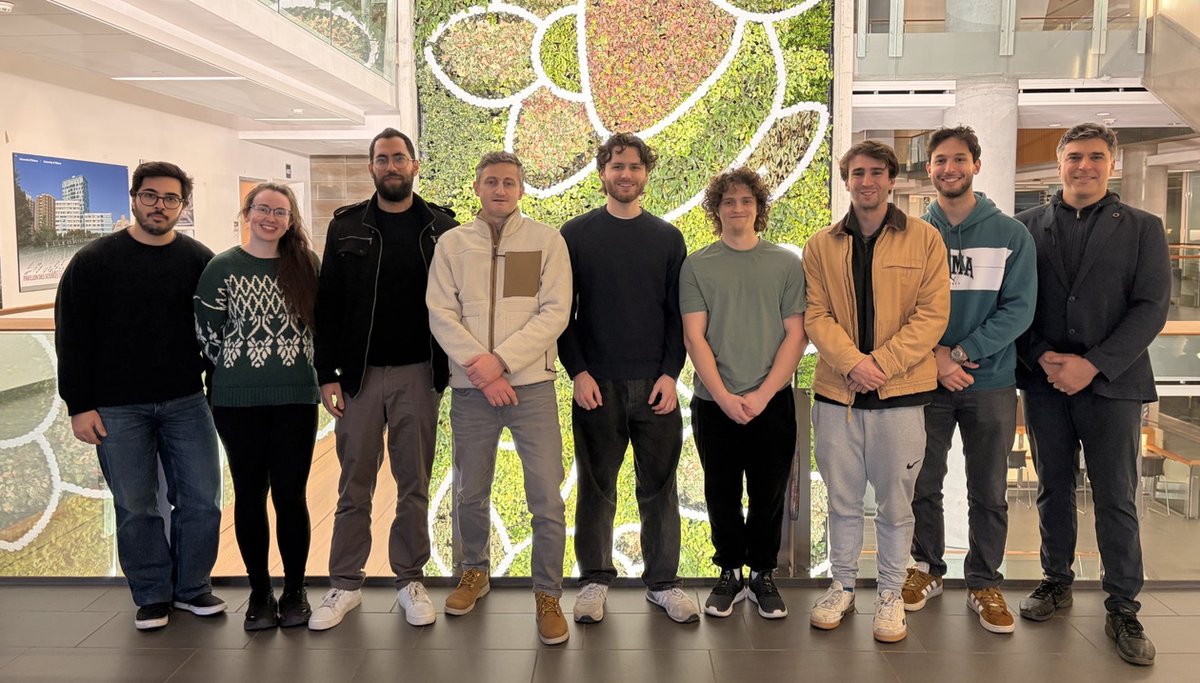
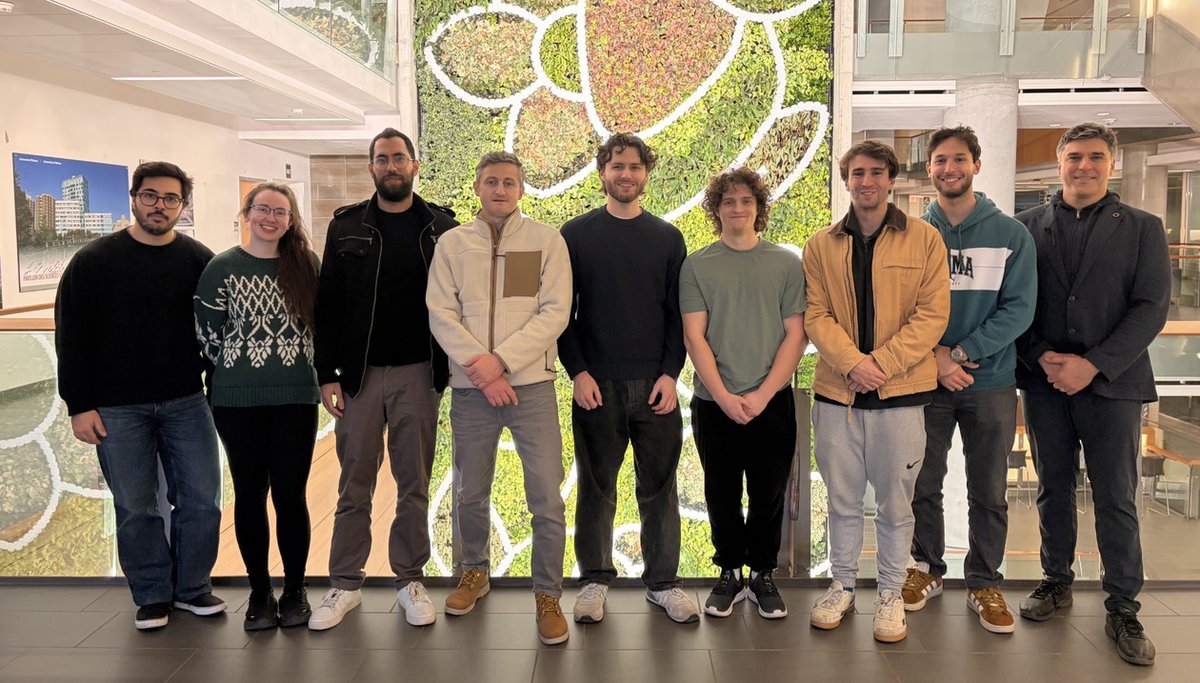
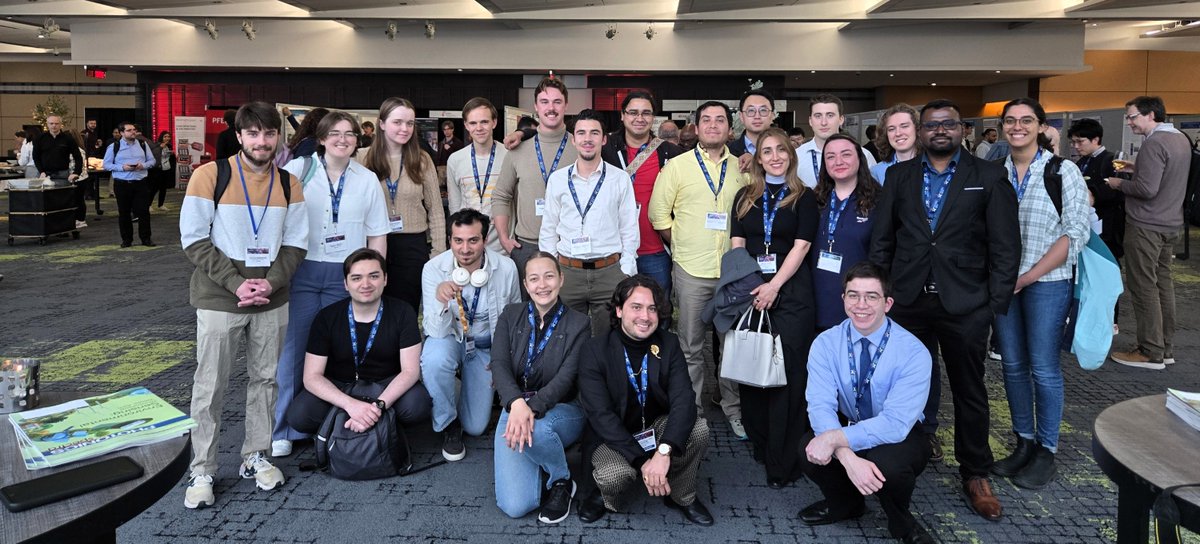
A bright future for optics and photonics! 🔬
The University of Ottawa’s Optica-SPIE student chapter received the 2026 SPIE Presidential Award, recognizing the welcoming community its members have built.
🔗https://t.co/xhnbK2qnSC
Un avenir lumineux pour l’optique et la photonique! 🔬
La division étudiante Optica-SPIE de l’Université d’Ottawa a remporté le SPIE Presidential Award 2026, une reconnaissance de la communauté accueillante bâtie par ses membres.
🔗https://t.co/7FwygSmYib
Tonight I have the networking event at @uOttawaScience to present the decentralized funding actions we are taking with the "Marmot Project".
Hopefully, new OnlyMarms projects and attnetion soon
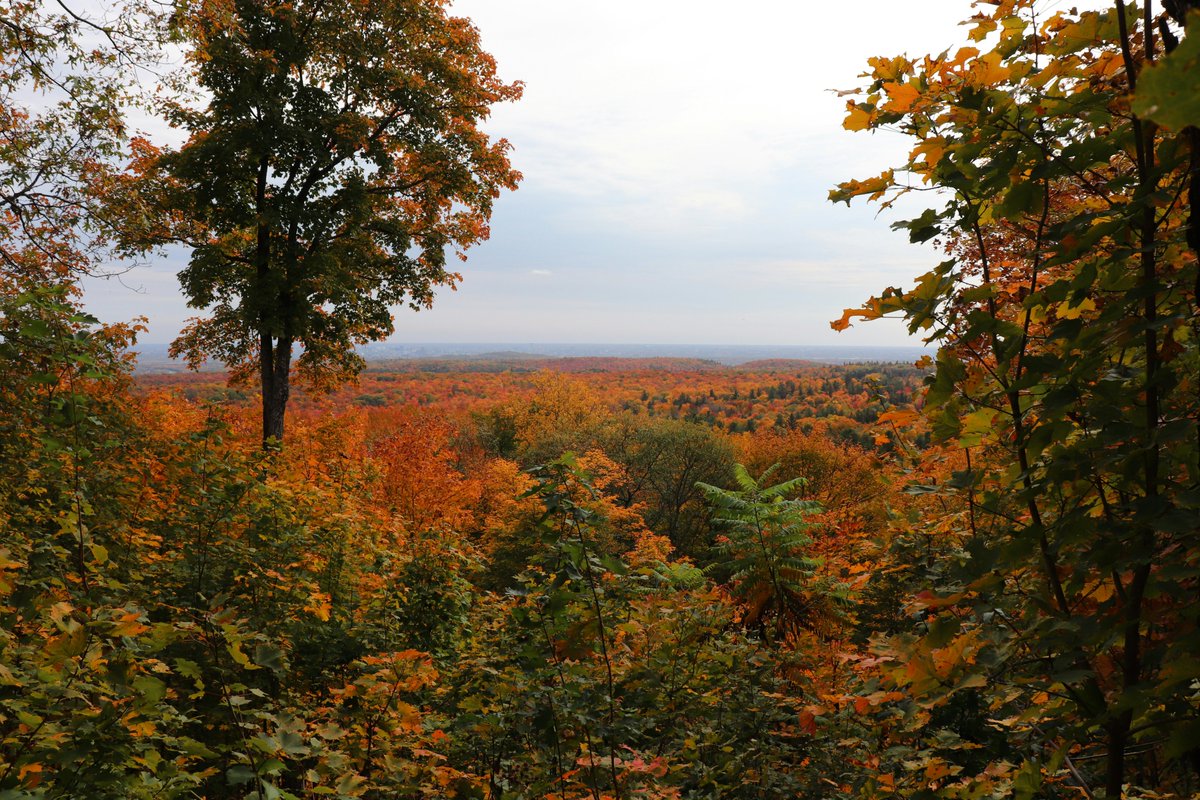
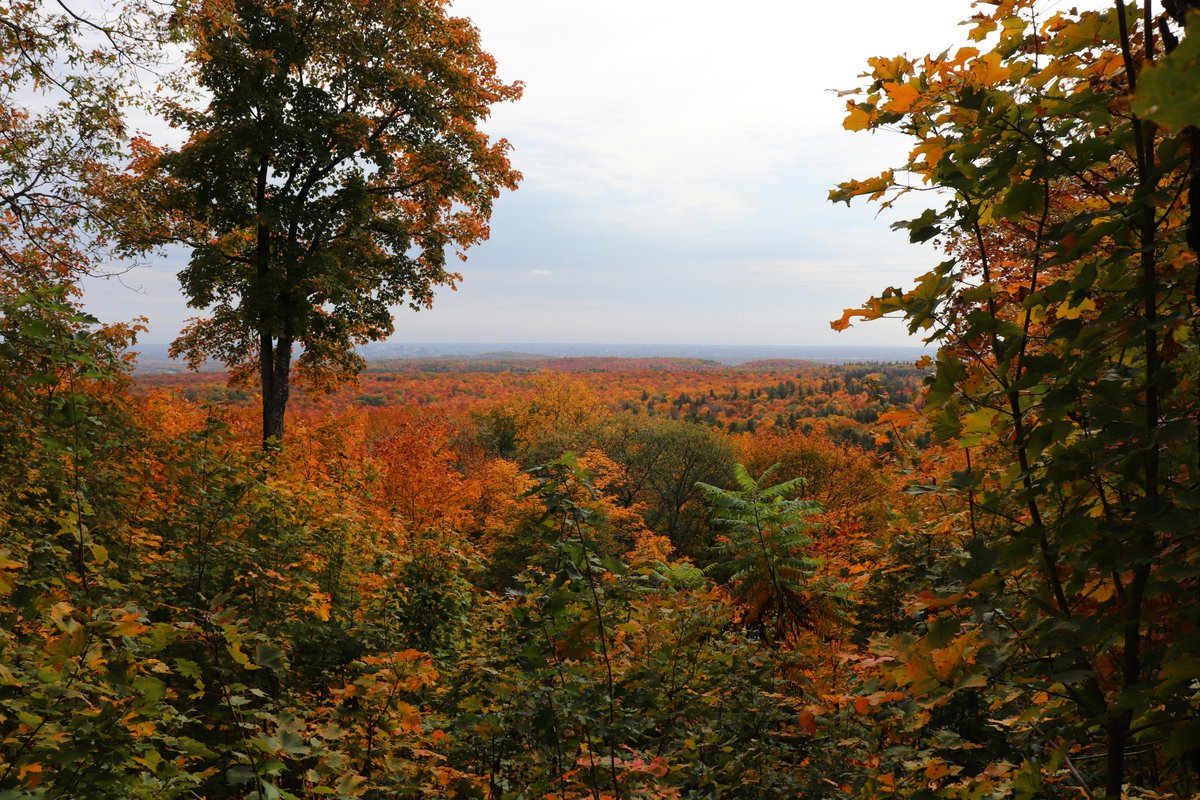
🍁☢️ Maple leaves from Gatineau Park reveal the lingering legacy of Cold War nuclear testing, according to new @uOttawa research.
@uOttawaResearch@uOttawaScience
Read more 👉 https://t.co/teUnd7T3IU
🍁☢️ Les feuilles d’érable du Parc de la Gatineau révèlent l’héritage durable des essais nucléaires de la Guerre froide, selon une nouvelle étude de l'@uOttawa.
@uOttawaResearch@uOttawaScience
En savoir +👉https://t.co/veSt6iFwzE
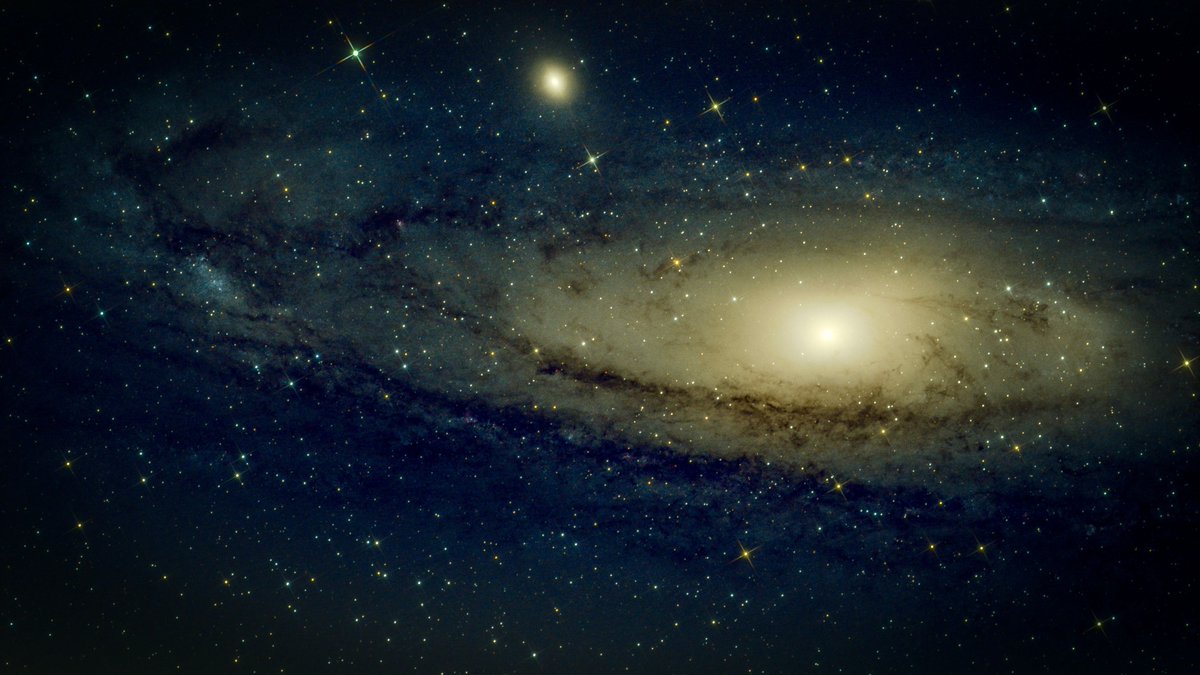
🚀🪐Une étude de l’@uOttawa : le modèle CCC+TL présente un Univers âgé de 26,7 milliards d’années, sans matière ni énergie noire, expliquant l’existence des premières galaxies !
@uOttawaScience
En savoir plus👉https://t.co/tf6tLIqLN4
🚀🪐@uOttawa study: The CCC+TL model suggests a 26.7-billion-year-old Universe without dark matter or dark energy, passing key tests and explaining early mature galaxies!
@uOttawaScience
Read more 👉 https://t.co/mVhxa1J17M
🚀 Discovery to Innovation (D2i) returns on November 12!
Meet the minds behind tomorrow’s technologies and discover how science moves from the lab to the real world.
Free registration 👉 https://t.co/QyvANT5kKx
🚀 Découverte à l’innovation (D2i) revient le 12 novembre!
Rencontrez les esprits derrière les technologies de demain et découvrez comment la science passe du labo au monde réel.
Inscription gratuite 👉 https://t.co/QyvANT5kKx
What if better scientific models could help predict epileptic seizures? 🧠
Prof. André Longtin and Dr. Alexandre René developed a new approach that better accounts for uncertainty when comparing scientific models.
🔗https://t.co/2rXvj7amtG
Et si de meilleurs modèles pouvaient aider à prédire les crises d’épilepsie? 🧠
Le Pr André Longtin et le Dr Alexandre René proposent une nouvelle approche qui tient mieux compte de l’incertitude scientifique.
🔗https://t.co/6ifAYqdhlL
AI can make powerful predictions. But how confident can we be in them?
A research team co-led by Professor David Haziza is developing new methods to make AI more reliable in statistical science.
➡️https://t.co/OqNTwb0XIE
L’IA peut faire des prédictions très performantes. Mais à quel point pouvons-nous nous y fier?
Une équipe de recherche codirigée par le professeur David Haziza développe de nouvelles méthodes pour rendre l’IA plus fiable en statistique.
➡️https://t.co/J6H9JXm3xB
🧬Bigger body, but the same-size antenna? 🐜
@uOttawa researchers found that Pheidole ants break a basic rule of biology to help colonies adapt.
@uOttawaScience@Rajee_Rajakumar
Read the full study 👉https://t.co/qJT1Glb7Qs
🧬Des corps plus gros, mais des antennes de la même taille ? 🐜
Des chercheurs de l'@uOttawa montrent comment les fourmis Pheidole contournent les règles de la biologie.
@uOttawaScience@Rajee_Rajakumar
Découvrez l'étude complète 👉 https://t.co/9D1p0wxTMh