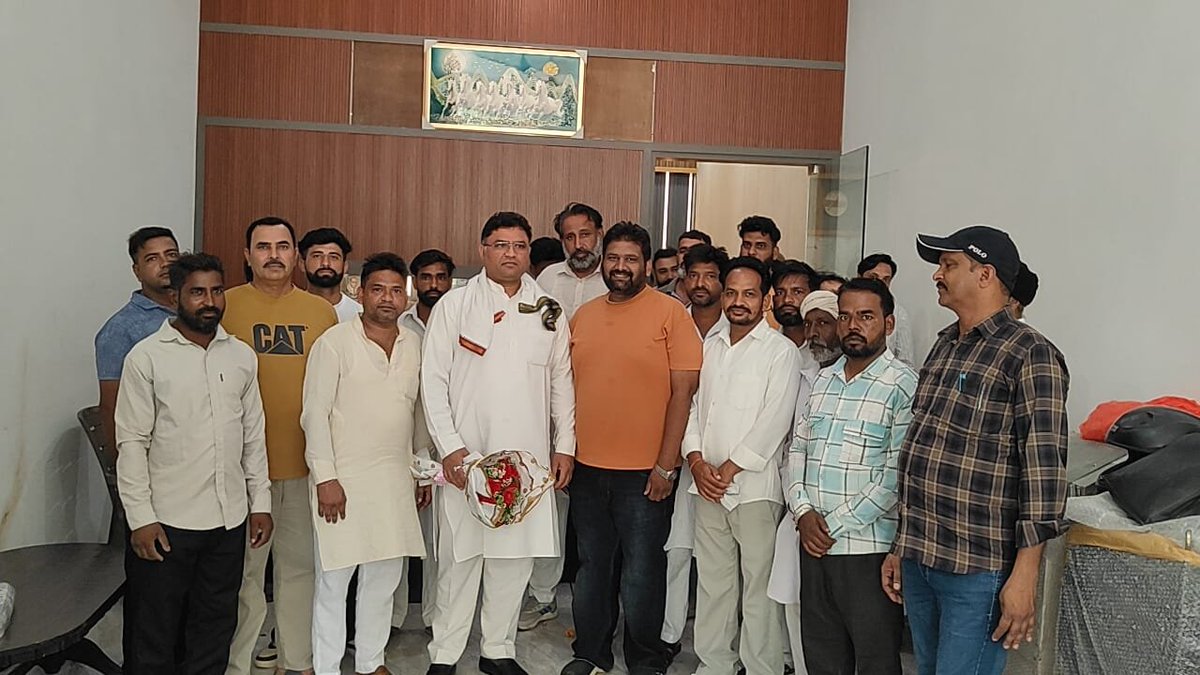
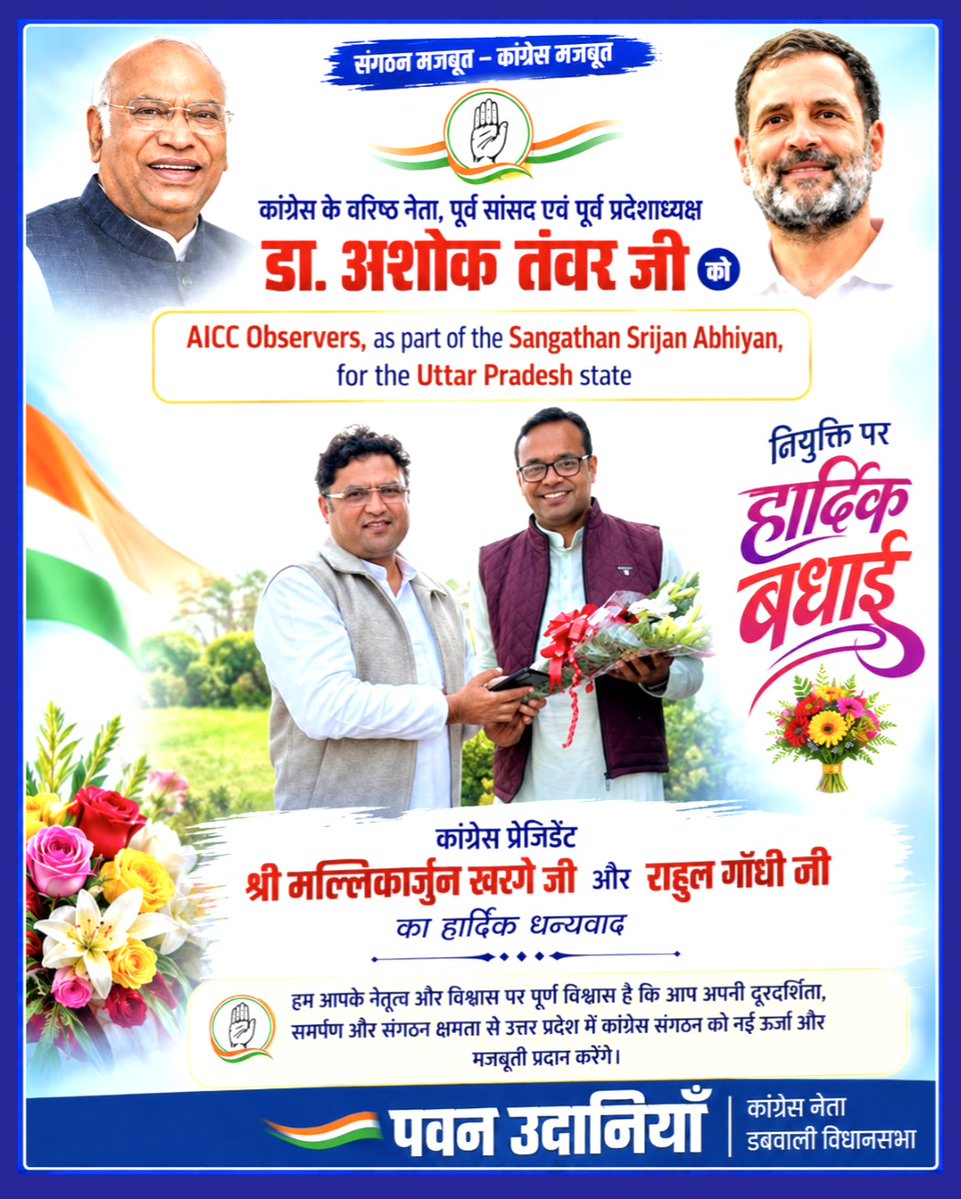
@Tanwar_Indian जी को उत्तर प्रदेश कांग्रेस कमेटी का पर्यवेक्षक बनाए जाने के लिए कांग्रेस के शीर्ष नेतृत्व श्री @RahulGandhi जी श्री @kharge जी एवं समस्त कांग्रेस परिवार का बहुत बहुत धन्यवाद
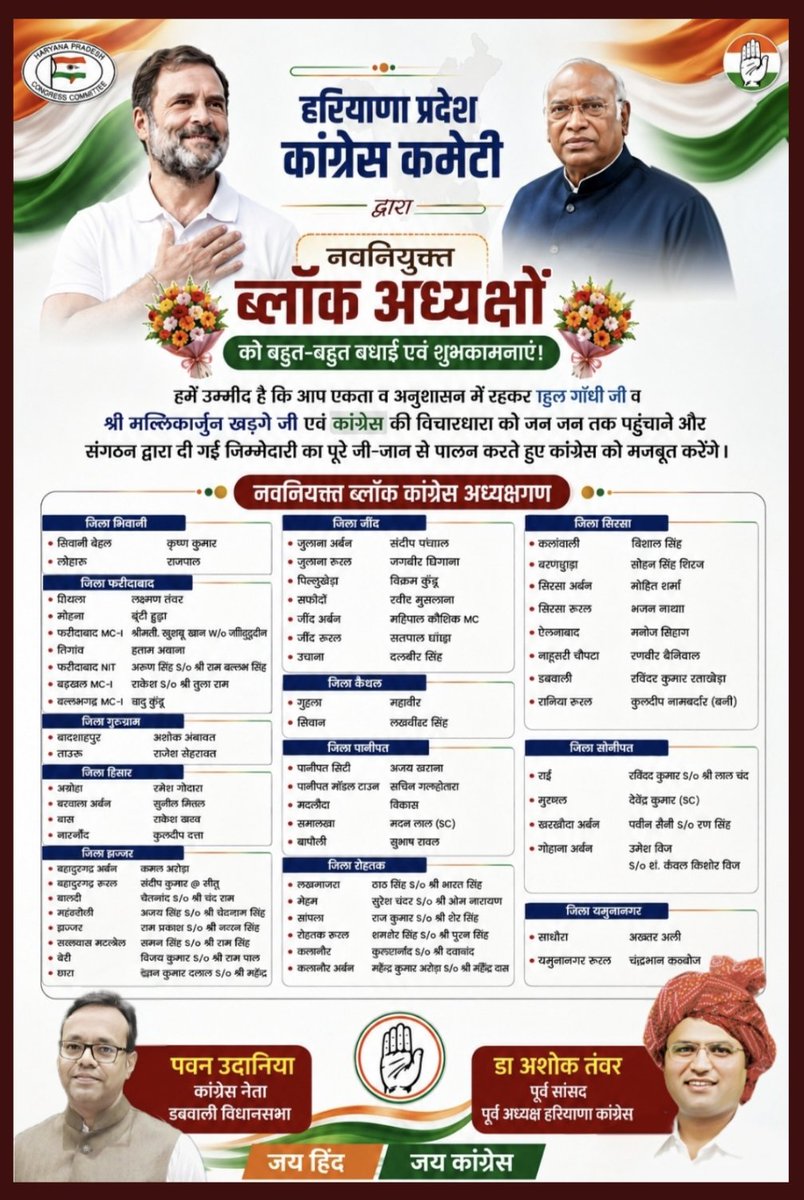
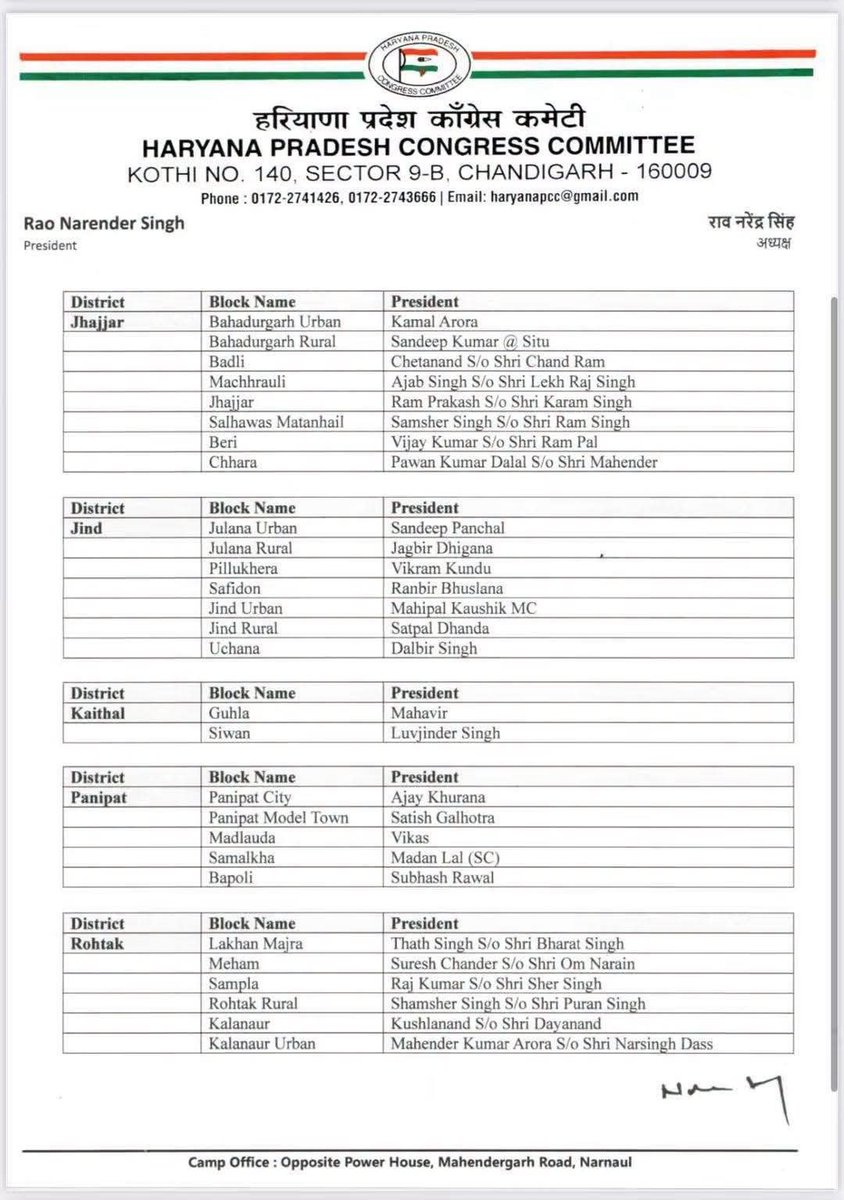
हरियाणा प्रदेश कांग्रेस कमेटी द्वारा नवनियुक्त ब्लॉक अध्यक्षों को बहुत-बहुत बधाई एवं शुभकामनाएं।
हमें उम्मीद है कि आप एकता, अनुशासन में रहकर @INCIndia , @RahulGandhi जी व @kharge जी के विचारों एवं कांग्रेस की विचारधारा को जन जन तक पहुंचाते हुए संगठन द्वारा दी गई जिम्मेदारी का पालन करते हुए @INCHaryana को मजबूत करेंगे।
The Paper-leak Mess: Punitive Measures are not the same as preventive ones
Yesterday, the “anti-paper leak” Bill was passed amidst the cacophony of the Rajya Sabha. Honestly speaking, there was nothing “anti-paper leak” about it. The Bill focuses on the post-paper leak fiasco. The government got its headlines. But no serious attempt was made to fix the broken examination system. Nor was there any acknowledgement of the deeper structural issues plaguing our education system.
The protests emerged from deep mistrust and frustration with the ruling dispensation. They succeeded in awakening a sense of democratic rights and responsibilities among the youth, students, and younger generations. They achieved a moral victory by dismantling the most prominent symbol of systemic collapse - the resignation of the Education Minister. But on the policy front, they got only three band-aids from the government.
Thanks for reading! Subscribe for free to receive new posts and support my work.
Three Government Band-Aids
First, keeping the formula intact, one loyal RSS functionary has simply been replaced by another. A full-time Education Minister has been replaced by a part-time one. It is ironic that the new Education Minister is also holding the portfolios of Renewable Energy and Consumer Affairs, Food and Public Distribution. With this arrangement, I doubt the education sector will be renewed or energised, or that the consumers of education will be satisfied. Such a change cannot even be called cosmetic. It reflects deliberate indifference. The government understands the crisis but does not value it enough. Part-time leadership cannot supervise sustained and transformative change.
Second, the new Bill is like placing a bucket beneath a leaking roof, as actually happened in the new Parliament building. It extends punishments in terms of fines and imprisonment, adds another layer of investigation apparatus, and stipulates timelines for judicial proceedings and review. Yet these measures address only part of the mess after a paper leak. The Bill is silent on critical questions concerning students: Will re-examinations be time-bound? Will there be any compensation for affected students? Will the heads of examination agencies be held accountable? Nothing. The answer is nowhere to be found. Past records show that there has never been any intention to ensure actual punishment. Post-facto investigations have also rarely led to meaningful accountability or deterred wrongdoers.
Third, the bureaucratic answer to every problem in India is to set up a committee. It was done earlier. It has been done again. This time it is called a “Task Force.” Our cultural affinity for committees and recommendations is monumental. We will get yet another report and another set of recommendations, but no deadlines, no funds, and no action plan. Maybe, after a few years, one more committee will be set up to review the recommendations of the earlier one. You do not keep changing fire alarms to improve the security of a building. Meaningful reforms need much more than another committee.
Let us now return to the structural issues behind the mess we are in today.
Three Structural Issues
First, Excessive Centralisation. We have centralised several examinations in the hands of a few agencies. Almost a hundred million examination papers are written each year in India. Chaotic centralisation, undertaken with the objective of control rather than facilitation, transparency, or trust, is designed to fail. In such a system, a single failure or leak can have devastating nationwide effects. We have witnessed this repeatedly. Yet we have learnt very little.
Second, Unchecked Privatisation of the Examination Ecosystem. Public examination processes, technology platforms, logistics, security provisions, and other critical functions are often handed over or outsourced to a small group of private vendors. Blacklisted vendors find their way back into the system. These entities often work in a disjointed manner and with little accountability. Such arrangements rarely produce resilient systems.
Third, Institutional Capture of Educational Establishments. Key positions - including Vice-Chancellors, officials of testing agencies, personnel in regulatory bodies, and other professionals in educational institutions - are filled on the basis of political proximity and ideological loyalty. Professional competence is overlooked, sacrificing institutional capability. In many cases, crucial positions are left vacant in the search for a suitable ideologue. The post of UGC Chairperson has remained vacant for months. The fate of AICTE remains uncertain. If we make our institutions weak and incapable, we must accept the consequences for examination integrity.
Paper leaks are symptoms of failing and structurally weak systems. We need a multi-layered approach to restore trust in the system. We need to develop institutions in such a way that trust is not broken in the first place. For this, we need three actions that actually matter.
Three Meaningful Actions
First, Undertaking Genuine and Wider Consultation. Students, teachers, educationists, cyber-security experts, examination experts, and administrators must all be consulted in an open-minded manner with the intent of serious reform. Every stakeholder must come together to design reforms. We should also learn from domestic successes as well as global best practices such as the SAT, GMAT, and GRE. We must ask difficult but pertinent questions. Can there be a common aptitude test? Can one score be valid across multiple recruitments? Can candidates appear multiple times? Can there be flexibility for individuals to choose examination dates? Can there be permanent examination centres?
Second, Reforming the Examination System from End to End. Transparent recruitment calendars, predictable schedules, stable syllabi, strict vendor management, independent physical and digital audits, and modern security protocols are among the most basic requirements of a foolproof and robust examination system. Regulation of coaching centres is equally important. Standardisation and rationalisation of examination fees are essential for millions of students and applicants. The organising principle of reform should be prevention, not punishment.
Third, Restoring Institutional Credibility. Students will begin trusting the system when they find that professional competence is preferred over political interests in running educational institutions. These institutions are meant to serve the future of this country, not to advance partisan interests. Credibility is built by the leadership of every institution.
Students understand the distinction between individual culpability and institutional accountability. The protests may have given an edge to a particular demand, but a foolproof examination system requires serious reform. Students would rather have better institutions than bigger jails for wrongdoers.
Paper leaks are spreading like cancerous tumours. You do not treat cancer with stronger painkillers. You diagnose the disease, remove its causes, perform the necessary surgery, and rebuild the patient’s health. Our examination system deserves the same seriousness.
https://t.co/ZfwLIxhg0a
अमर शहीद सरदार उधम सिंह जी के शहादत दिवस पर शत-शत नमन।
जलियांवाला बाग के निर्दोष शहीदों का बदला लेने के लिए 21 वर्ष तक संघर्ष करने वाले, मातृभूमि के वीर सपूत के बलिदान को यह देश कभी नहीं भूलेगा। उनका अदम्य साहस और देशभक्ति सदैव हमें प्रेरित करती रहेगी।
विनम्र श्रद्धांजलि!
#ShaheedUdhamSingh #शहादतदिवस #UdhamSingh
मेरी धर्मपत्नी अवंतिका जी के पूज्य माता-पिता स्व. श्री ललित माकन जी एवं स्व. श्रीमती गीतांजलि माकन जी की 41वीं पुण्यतिथि पर भावभीनी श्रद्धांजलि अर्पित करते हैं।
उनकी सेवा, स्नेह और जनसेवा के प्रति समर्पण की स्मृतियां और उनके संस्कार सदैव हमारे हृदय में जीवित रहेंगे एवं पारिवारिक जीवन के साथ ही सामाजिक जीवन में भी हमारा मार्गदर्शन करते रहेंगे।
विनम्र नमन।
आज संसद में मेरे भाषण के दौरान मैंने दिल्ली में छात्रों पर हुई बर्बरता का मुद्दा उठाया और इसके ज़िम्मेदार का नाम लिया - गृह मंत्री अमित शाह।
मुझे BJP ने बोलने नहीं दिया।
आज शाम 6 बजे - प्रेस कॉन्फ्रेंस करूंगा और वो सब कहूंगा जो सदन में कहने नहीं दिया गया।
माइक बंद कर सकते हैं - छात्रों की गूंज नहीं।
ब्रेकिंग न्यूज 🚨
एक बार फिर विरोध प्रदर्शन शुरू🔥🔥
महाराष्ट्र से आने वाले इंडिया गठबंधन के सभी सांसदों ने महाराष्ट्र लोक सेवा आयोग पेपर लीक को लेकर प्रदर्शन किया।
दरअसल पेपर लीक पूरे देश में एक बड़ी समस्या बन चुकी है।
इतना सब होने के बावजूद मोदी सरकार हाथ पर हाथ धरे बैठी नजर आ रही है इसीलिए अब विपक्ष इस लड़ाई को लड़ रहा है।
मोदी जी, अपने "फ्रैंड" को एक मंत्रालय से हटाकर दूसरे में बैठाकर बचाने की आपकी साज़िश देश के छात्रों और भारत की जनता को मंज़ूर नहीं।
धर्मेंद्र प्रधान भ्रष्टाचार और देश की education system की बर्बादी के चिन्ह और अनेक छात्रों की मौतों के ज़िम्मेदार हैं।
उन्हें अब किसी और की ज़िंदगी उजाड़ने नहीं देंगे। धर्मेंद्र प्रधान को कैबिनेट से जाना ही पड़ेगा - ये non-negotiable demand है।
बिग ब्रेकिंग 🚨
केंद्रीय मंत्री रवनीत सिंह बिट्टू ने दिया इस्तीफा।
बीजेपी नेता रवनीत सिंह बिट्टू ने अपने पद से इस्तीफा दे दिया है, जिसे तत्काल राष्ट्रपति द्रौपदी मुरमू ने स्वीकार भी कर लिया है।
सूत्रों के हवाले से निकल कर आ रही जानकारी के अनुसार रवनीत सिंह पंजाब विधानसभा का चुनाव लड़ सकते हैं।
लोकसभा चुनाव से पहले कांग्रेस छोड़ कर बीजेपी में शामिल हुए थे जिसके बाद कांग्रेस ने उनके सामने राजा वडिंग को चुनाव लड़ाया था।
राजा भी कांग्रेस हाईकमान की उम्मीदों पर खरे उतरे और रवनीत सिंह बिट्टू को उनकी ही सीट पर जा कर चुनाव हरा दिया।
How dare you threaten students for exercising their democratic rights?
Please note, you are the ones that will be held accountable when the time comes.