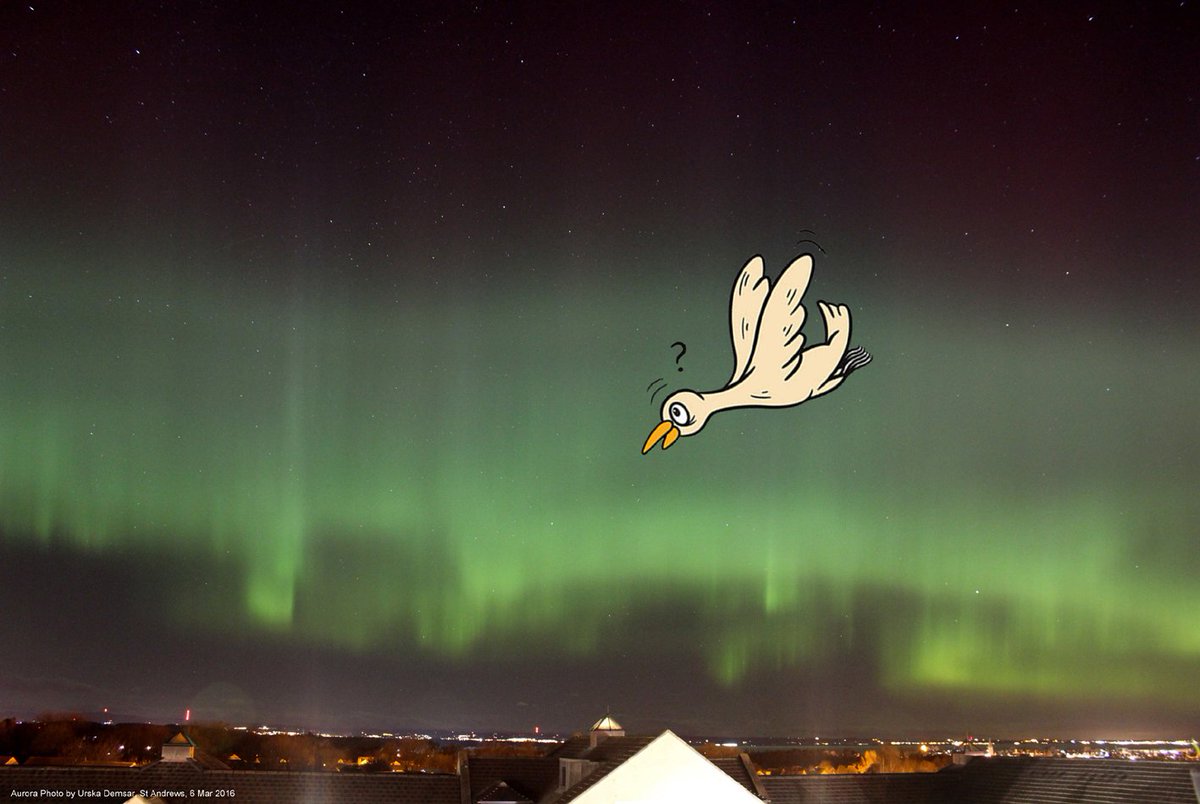
My keynote from #LBS2021 conference on how we are studying geomagnetic bird navigation with spatial data science is now available online: https://t.co/7MUQYunsAd
Looking forward to the #LBS2021 conference tomorrow, where I am giving a keynote on my @LeverhulmeTrust project on spatial data science to study geomagnetic bird navigation. Thank you to LBS organisers for the invitation! Join this free virtual event: https://t.co/004xrKMin5
Excited to share our collaborative research published on《Science》@ScienceMagazine : Interacting effects of human presence and landscape modification on birds and mammals. It shows the importance of tracking human mobility for wildlife conservation. https://t.co/EKX8QJQY5w
"What’s more, after a researcher’s one-year penalty is over, they will not be able to post any manuscripts to arXiv unless the work has already been accepted at a “reputable peer-reviewed venue”."
The physical-sciences repository arXiv is banning researchers from posting their manuscripts on the platform for one year if a submission is found to contain references that have been hallucinated by artificial-intelligence tools.
https://t.co/fbSlqBqBxD
Artificial intelligence is poised to take on a more-active role in the laboratory: two new systems, described today in Nature1,2, use teams of AI agents to develop hypotheses, propose experiments and analyse data.
https://t.co/4M2BGOuPCf
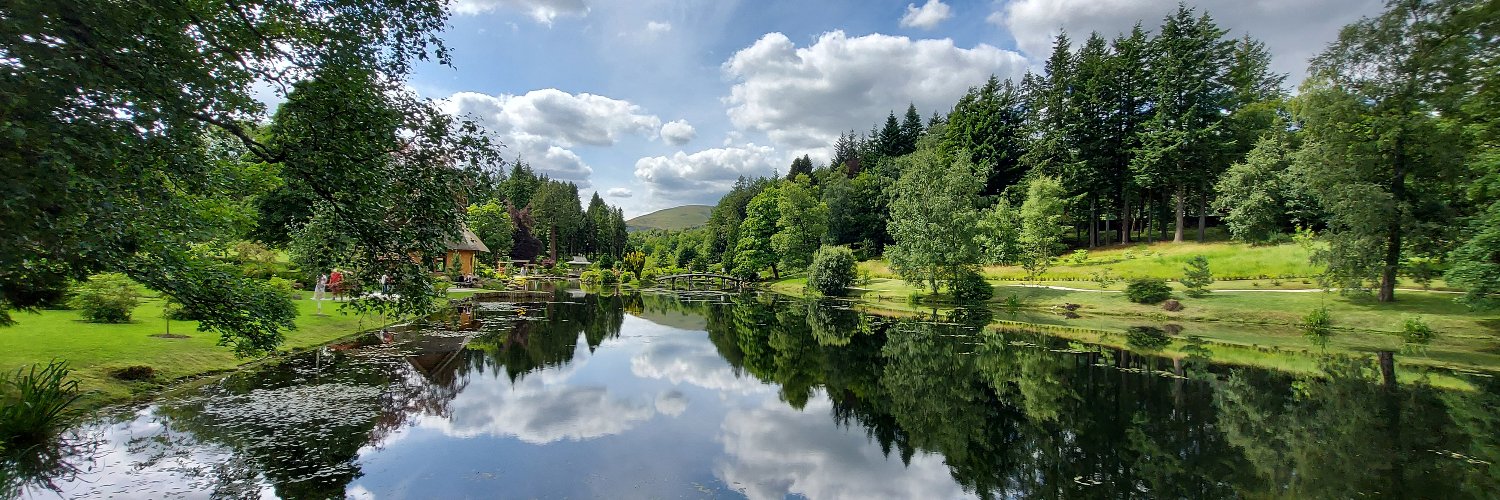
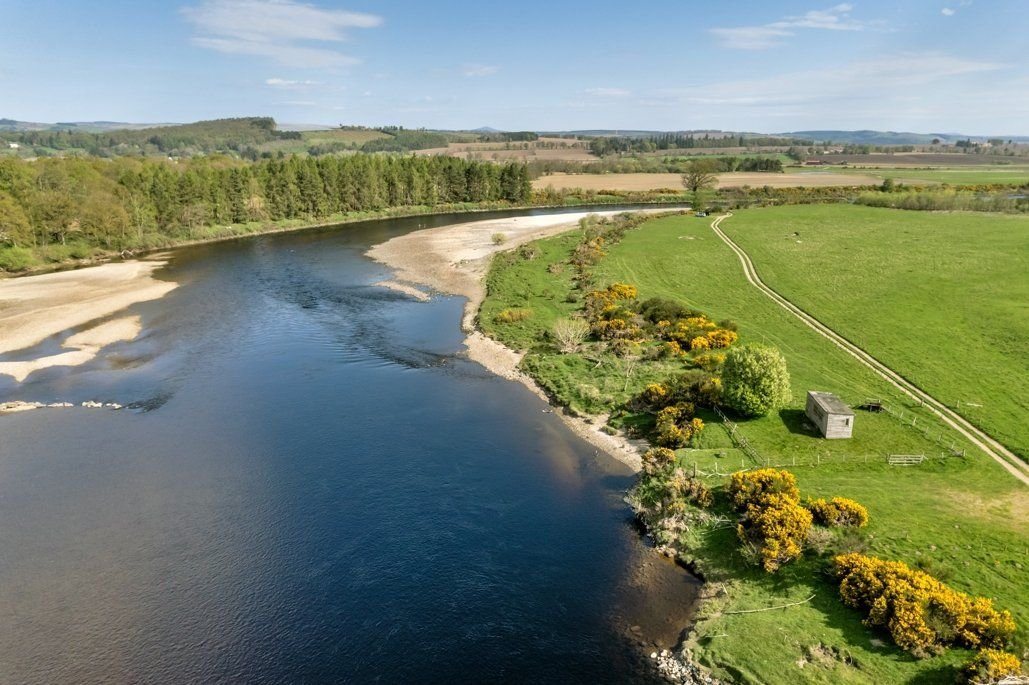
The River Tay was written by Ptolemy in the 2nd century as Taoua, showing that its core form was already well established 2,000 years ago.
Linguistically, it looks older still. One proposal links it to an early Indo-European root tā- meaning “to melt” or “dissolve,” a word often applied to flowing water.
This well describes the Tay’s broad, steady movement through the heart of Scotland. Also, as the country’s longest river, it would have been named early and remembered continuously. Its genesis most likely lies in the late Bronze Age, perhaps around 1000 BCE or even earlier.
2/4
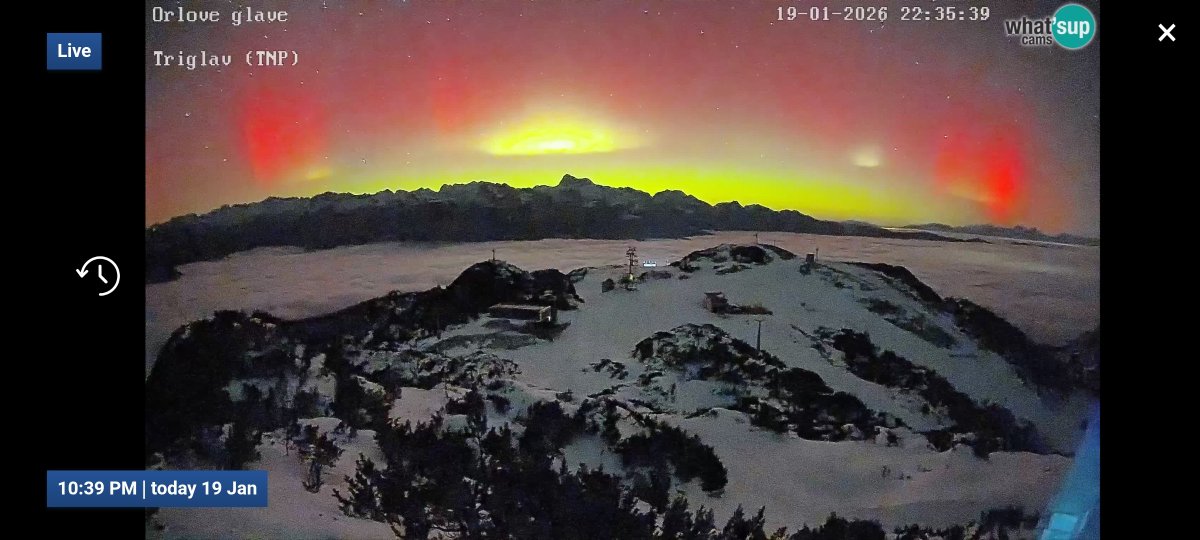
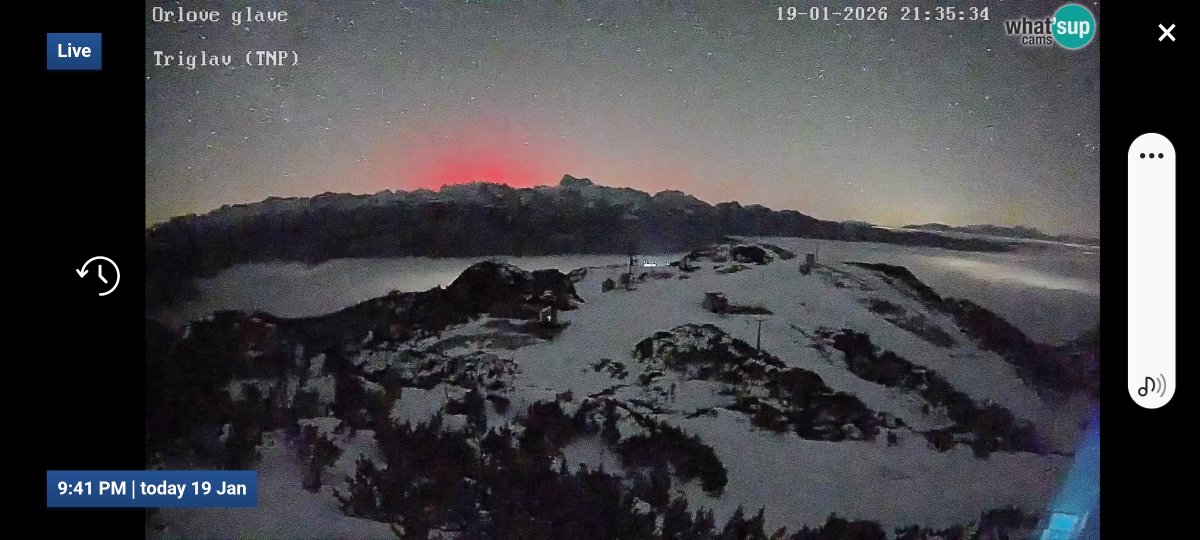
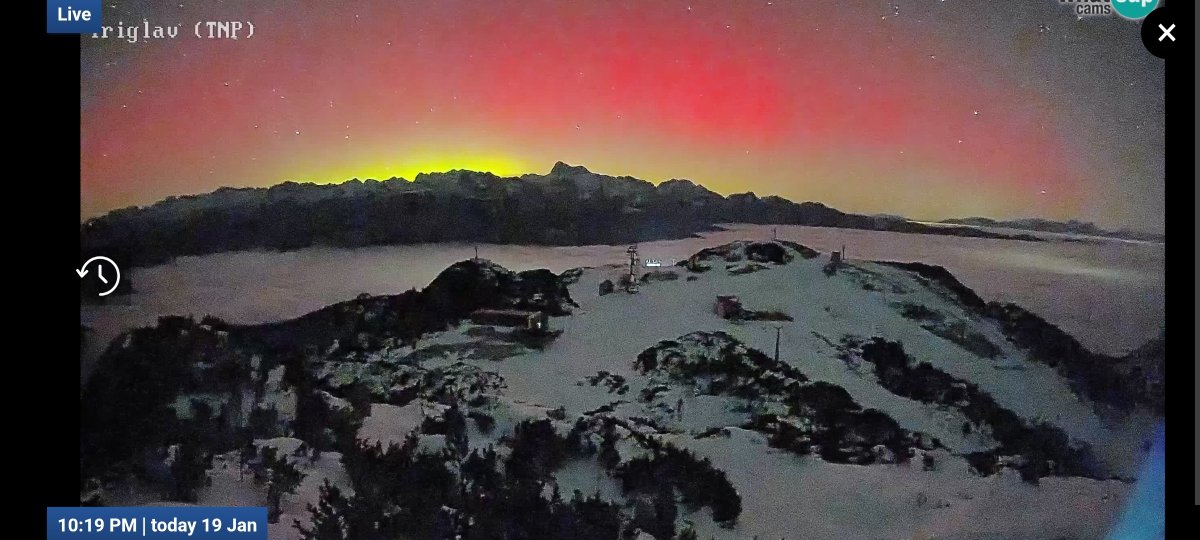
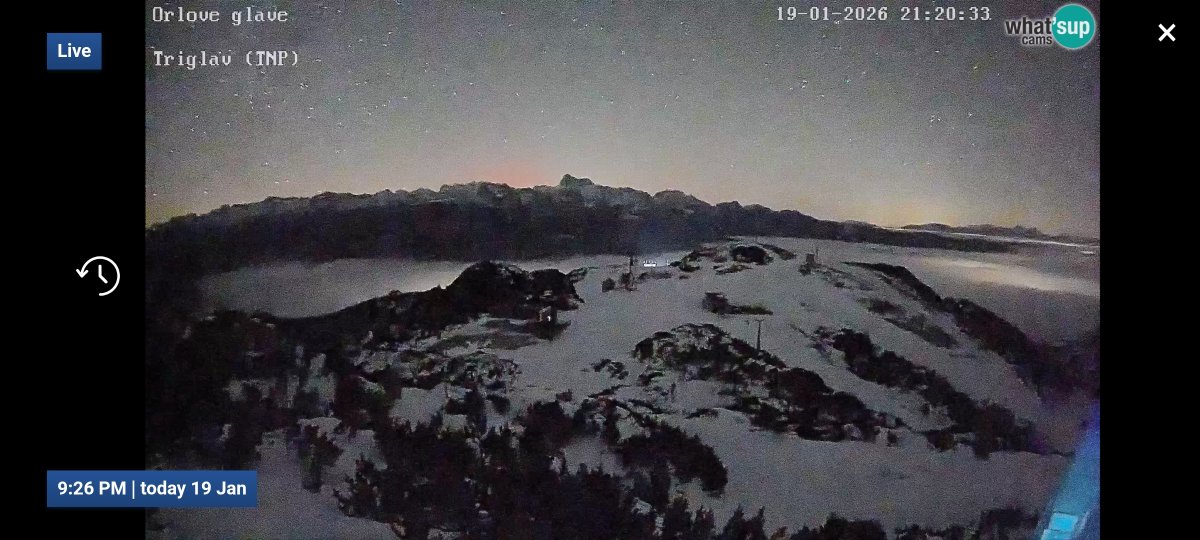
ESA is closely monitoring a notable space weather event, first detected at 18:09 UTC on 18 January 2026.
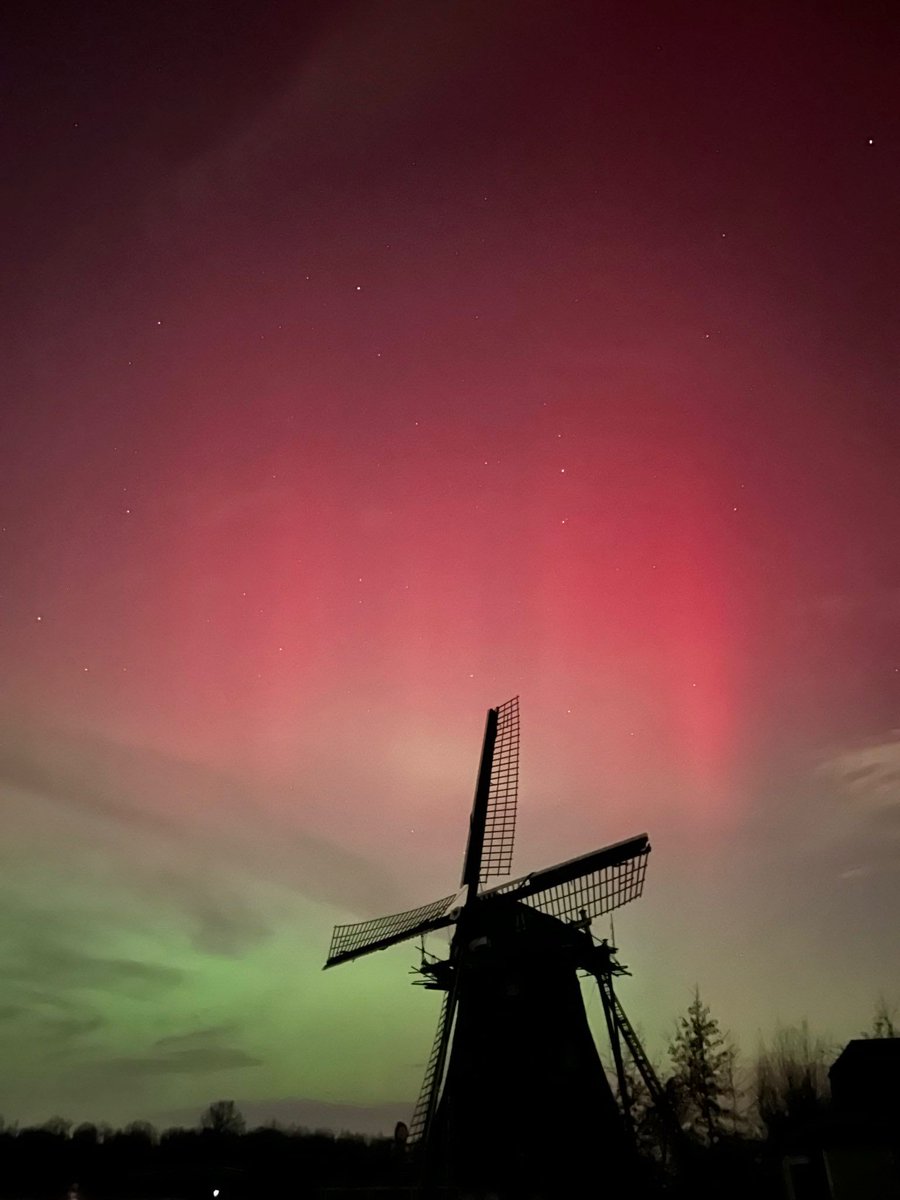
Aurora were observed over Europe last night and continued high levels of space weather activity are anticipated over the coming days.
https://t.co/uwNsHZUmzg
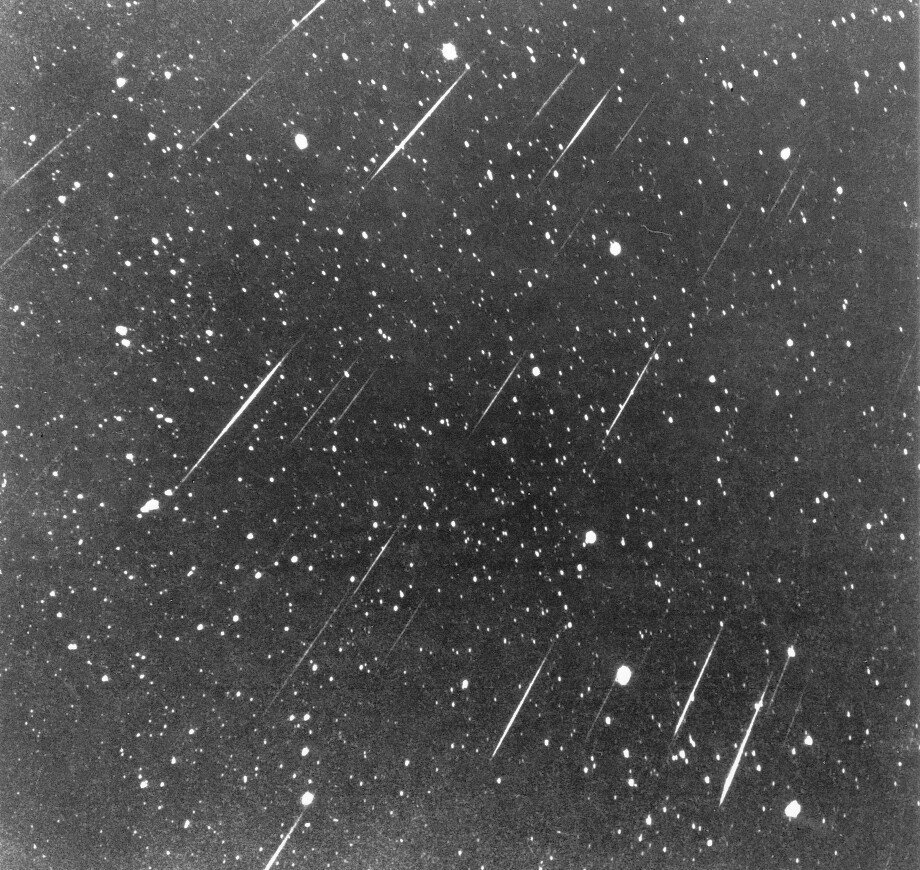
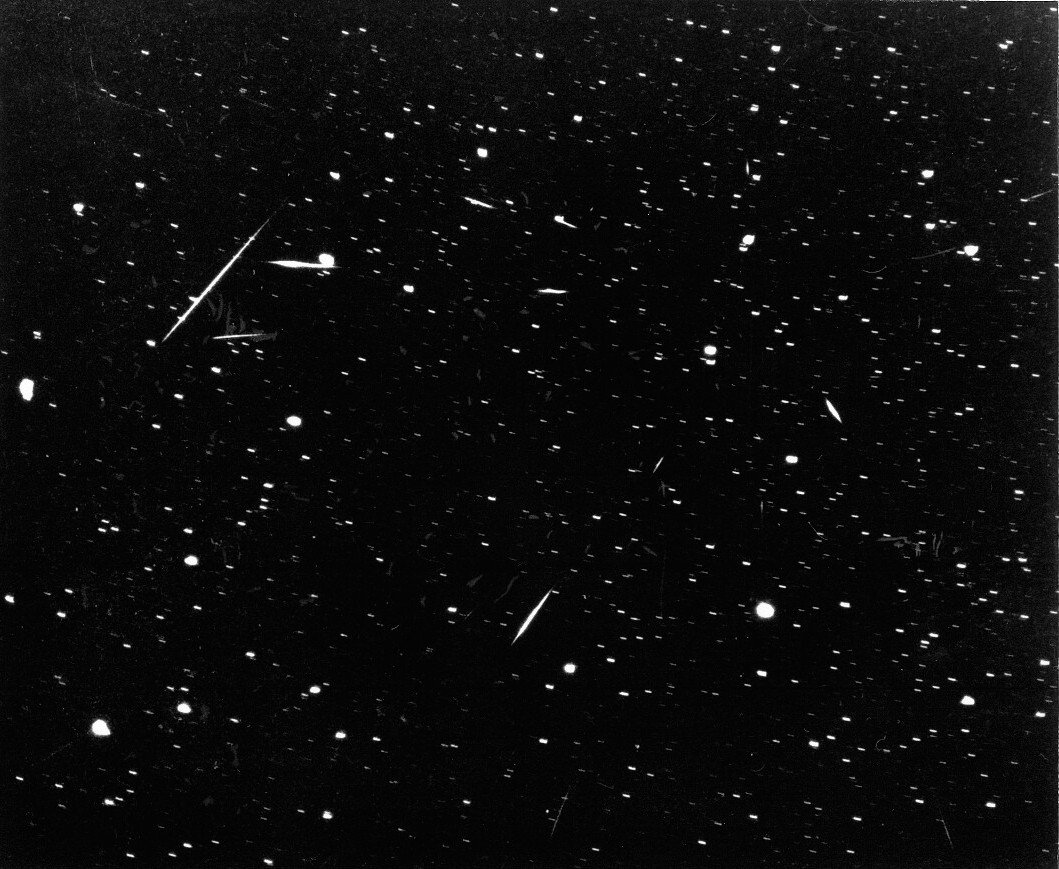
(3/3) "The sky literally began to rain shooting stars. Everywhere we turned we saw them. ... By 4.30 there were several hundred per minute. At 4.45 the meteors were so intense we guessed how many were seen ba a sweep of the head in one second. The fantastic rate of about 40 per second was reached 4.54. It was indeed difficult to gauge sch a rate, but this is the consensus of the observers."
"Since the meteors were falling all over the sky, even on the horizon, the foreshortening of the paths near the radiant was especiall noted. Jack Silentic commented that looking directly at the radiant gave the effect of depth of the Earth moving through space. ... The view was so spectacular we just didn't know where to look! ... Different parts of the sky would light up, and we would glance here and there. Everyone was yelling and laughing at the incredible, dazzling sight, and at our luck seeing it."
"The rate was over 100 per minute for an hour, from 4.30 to 5.30. It was over 1000 per minute for 40 minutes, 4:35 to 5:15. The peak of perhaps 2400 per minute was centered at 4:55. ... By 5.40 the shower was back to 30 per minute."
Images: AURA/NOAO/NSF.
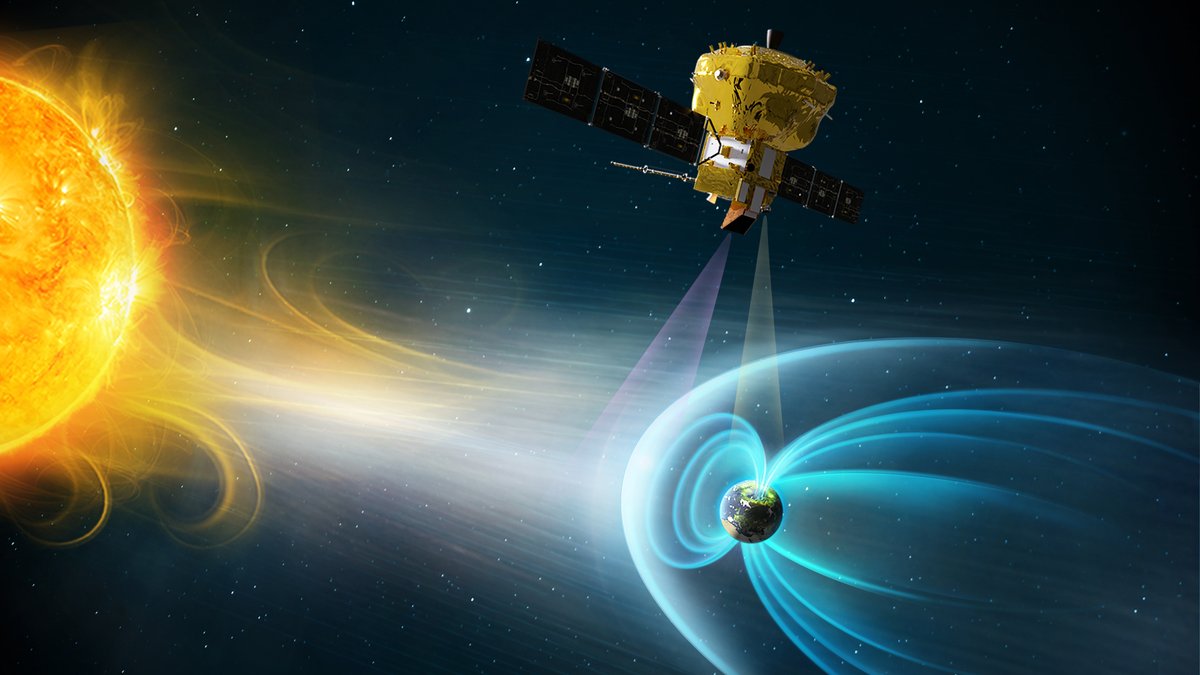
. @ESA_Smile will address three fundamental questions:
1️⃣ What happens where the solar wind meets Earth’s magnetic shield?
2️⃣ What causes magnetic glitches on the dark side of Earth?
3️⃣ How can we predict the most dangerous space weather threats?
3/ #CM25
. @ESA_Smile will be the first mission to take X-ray images of Earth’s magnetosphere, revealing exactly when, where and how the solar wind interacts with Earth’s magnetic environment.
To complement this, Smile will continuously image the northern & southern lights in ultraviolet light.
2/ #CM25
📣 Looking for a creative postdoc with strong computational skills!
Be our go-to person for building simple but powerful simulations that test wild ideas on biological rhythms: from daily cycles of mussel groups at deep sea, to firefly flash synchronization! More info👇