NEW PAPER! Failed predation attempt on Seshachari’s #caecilian, Gegeneophis seshachari (Gymnophiona: Grandisoniidae) by a White-throated Kingfisher, Halcyon smyrnensis by Siddhesh Bhave and colleagues @HerpNotes https://t.co/sbC3JaQoNB
NEW PAPER! Use of #microCT to characterise “Osteology of the #caecilian Gegeneophis carnosus (Beddome, 1870) (Amphibia: Gymnophiona: Grandisoniidae) from the Western Ghats of peninsular India” https://t.co/dczf5m3YG4
Did you know that there are currently 7455 species of frogs, 767 species of salamanders, and 215 species of caecilians? AmphibiaWeb keeps track of new amphibian species and their biology. Support us today! #CalBigGive https://t.co/bNMAsKG6rM
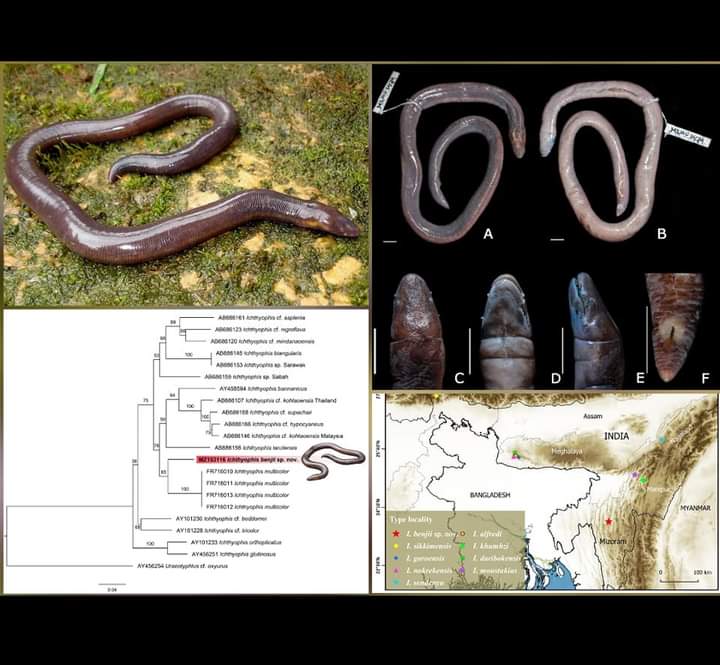
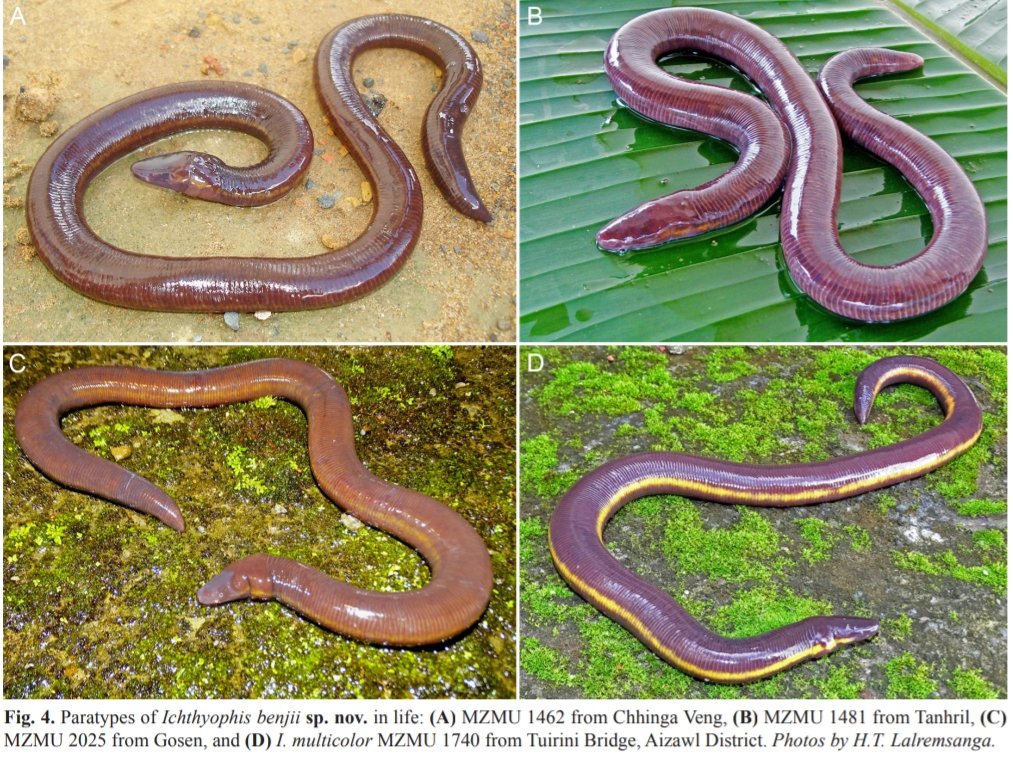
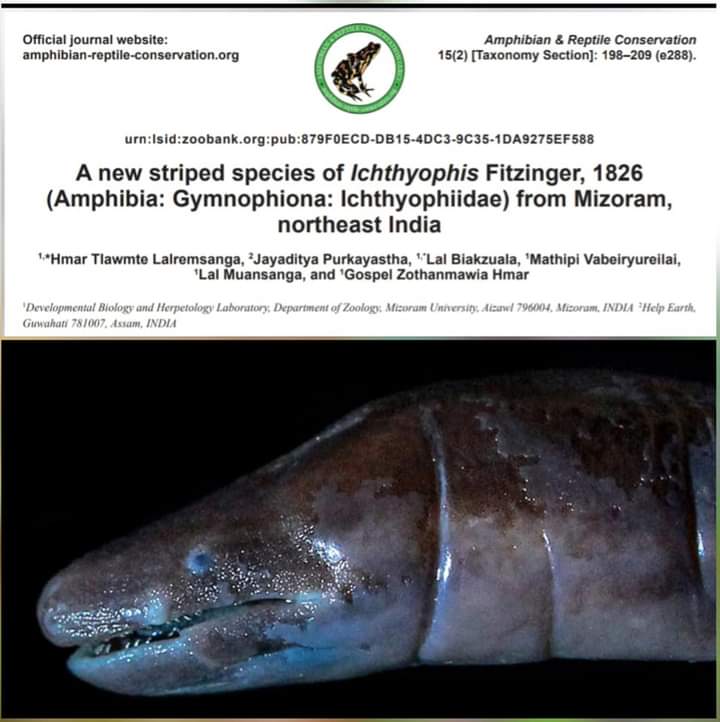
A new #Caecilian species- Icthyophis benjii found from #Mizoram by researchers from @mizoramuni is named after Benjamin Lalremsanga(1988-2020)
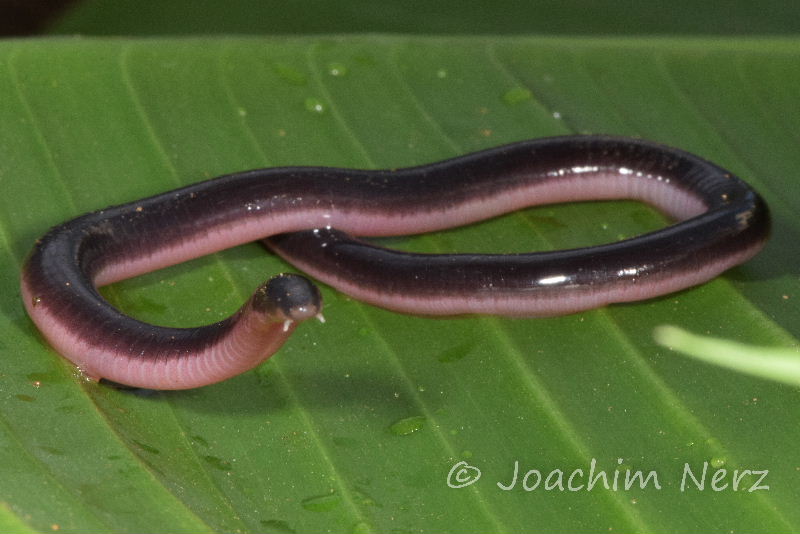
Caecilians are a group of limbless, vermiform or serpentine amphibians. They are often confused with snakes.
https://t.co/oRAwWoYncv
Dr. Amrapali Rajput (Postdoc from India) and Mr. Shipeng Zhou (grad student) from our lab describing a larval caecilian microbiome. As far as I know, this is the first information on microbiomes for this amphibian order. A preprint.
https://t.co/zFaCVkjzxo
Great new paper on caecilian burrowing by Aurélien Lowie
Under pressure: the relationship between cranial shape and burrowing force in caecilians (Gymnophiona)
https://t.co/RokvgLQvPp
Morphology and histology of the male reproductive tract of Caecilia thompsoni (amphibia: Gymnophiona) by Carlos A. Serrano‐Perez and Martha Patricia Ramírez‐Pinilla is out now:
https://t.co/JI3qOtvmaD
#anatomy#histology#Caecilidae#Amphibia
#SuckerSaturday
Nanopolystoma lynchi (Monogenea: Polystomatidae): Was the first record of a polystome from a caecilian host. The type specimens were recovered from South American caecilians archived in formalin in the herpetological collection of the National Museum of Scotland.
@LiaFranciotti @afrittspenniman Caecilians are not reptiles. They are amphibians. They can breathe through their skin and they also go through a biphasic life cycle much like other amphibians(Some of them). They are more genetically related to frogs and salamanders than reptiles.
New concepts and methods for phylogenetic taxonomy and nomenclature in zoology, exemplified by a new ranked cladonomy of recent #amphibians (#Lissamphibia): corrigenda and addenda
https://t.co/Xst5Ja52jt