CS2 developers just announced a new gamemode called "Rush Hour"
Put your foot on the gas and floor it. Welcome to Rush, a new fast-paced 3v3 queued mode for CS2. Experience the push and pull as you advance through a gauntlet of randomly-selected battle arenas, and dominate your opponent to win the match!
According to Counter-Strike creator Minh Le, working with Gabe Newell could get pretty wild
At one point, Gabe got into Mongolian throat singing and would sing around the Valve office for months, which some employees apparently found annoying
Imagine trying to work on the anti-cheat while GabeN is throat singing in the background💀
@betsjammedup@TheSharpBros These primetime games are notorious for this scheme. The added bet protection just gives the books another variable of control to ruin lines where the public is heavy on. Wild shit
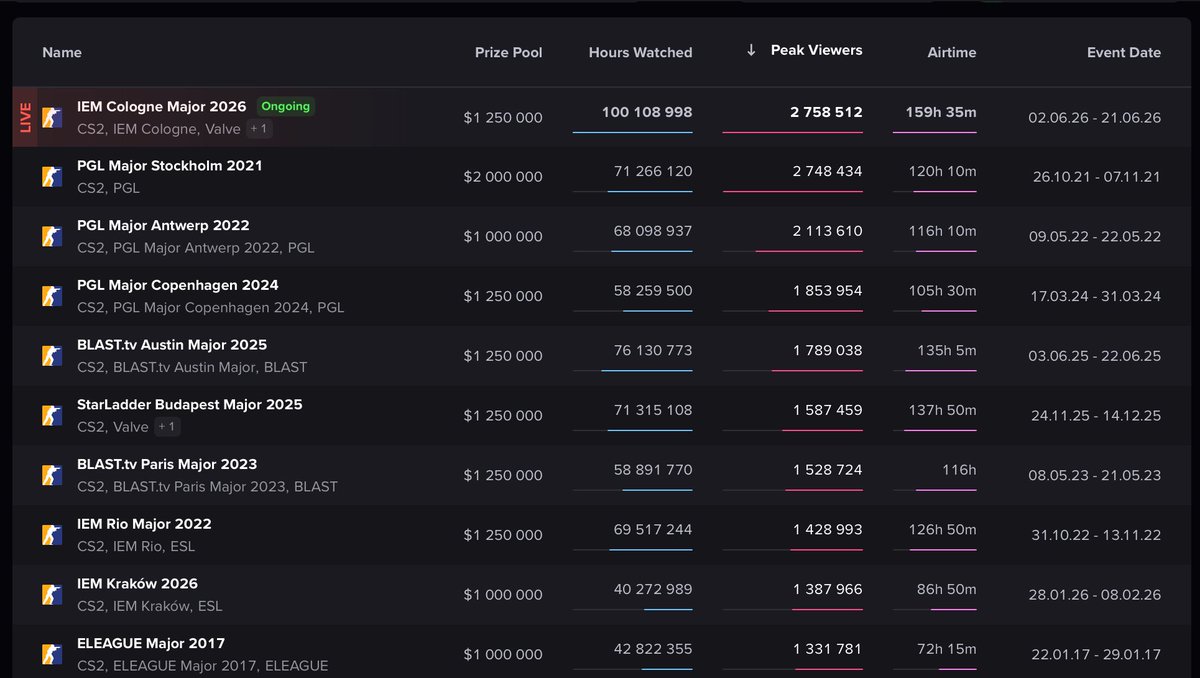
In the truest sense of the award, karrigan is my MVP of IEM Cologne
In the span of 2 months, karrigan has entirely rewritten the story of Falcons. From chokers never living up to their potential to outcalling and outplaying all 4 of the other contenders in Cologne. World class.
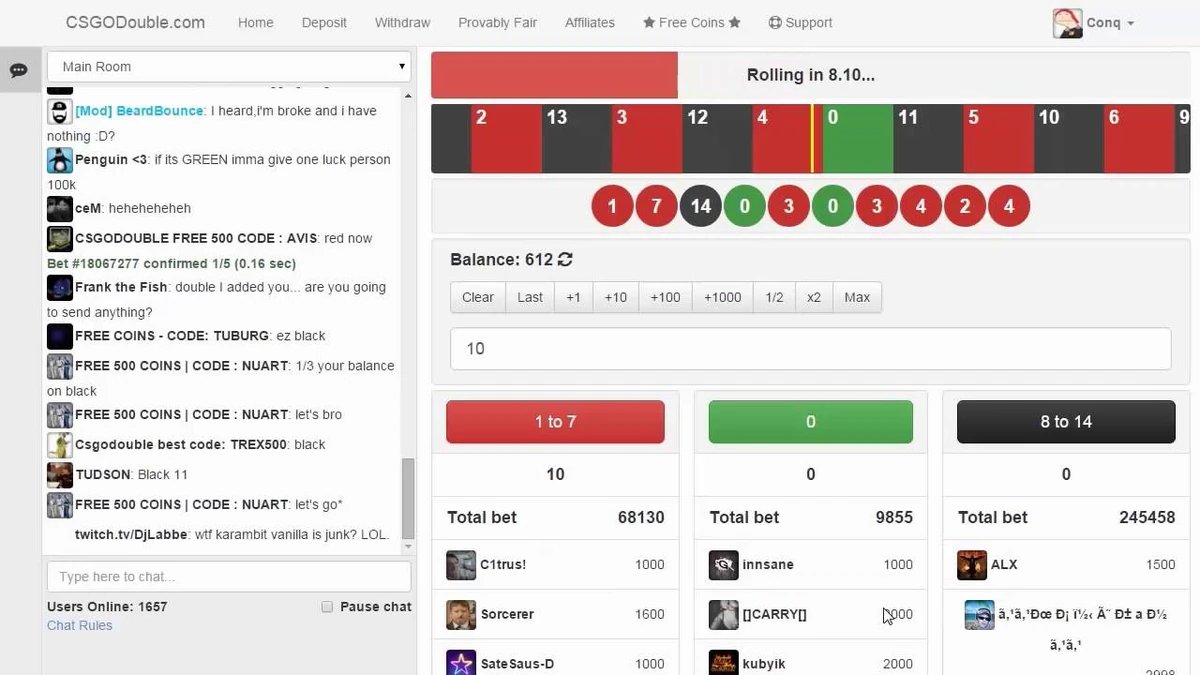
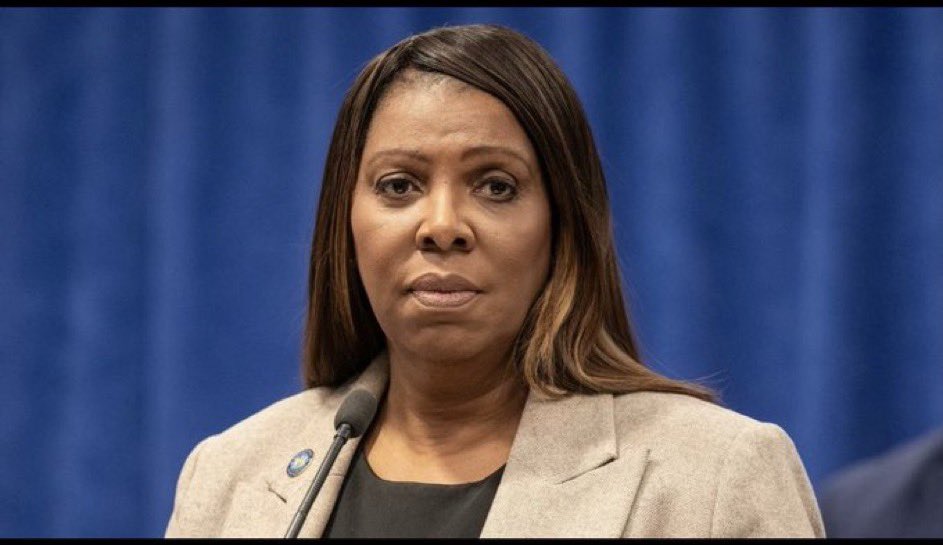
Valve has asked the court to throw out the New York Attorney General’s lawsuit, citing Pokémon cards, Happy Meals, and Labubus, accusing the company of illegal gambling through Counter-Strike weapon skin “cases.”
The lawsuit claims these mystery “cases” in Counter-Strike 2 and CS:GO let players, including kids, gamble real money by paying for a chance at rare virtual items
In a 42-page filing on May 19, Valve says the “cases” do not count as gambling under New York law because players always get a random weapon skin for the money they pay, just like buying sealed packs of baseball cards, Pokémon cards, or the toy in a cereal box.
The company says there is no “stake” or chance of losing money, as it is just the surprise element common in collectibles.
Valve warns that the Attorney General’s idea could make normal activities illegal, such as parents buying trading cards for their kids or families playing arcade games. The filing notes that these loot boxes have been sold for over ten years without objection from any other U.S. state.
Valve wants the court to dismiss the whole case “with prejudice.” If denied, the lawsuit seeks triple damages on billions of dollars Valve made, plus an order to stop sales to New York residents.