Congratulations to Ms. Rabab Fatima on her appointment as the United Nations Secretary-General’s Special Representative for Afghanistan.
At this pivotal moment in Afghanistan’s history, your leadership, diplomatic experience, and deep understanding of multilateral engagement will be invaluable in advancing the United Nations’ efforts to promote peace, stability, and the well-being of the Afghan people.
The challenges facing Afghanistan are complex and require sustained dialogue, principled engagement, and an unwavering commitment to an inclusive political process that reflects the aspirations of all Afghans. I hope your mission will lead Afghanistan to reintegrate into the International Community.
I wish you every success in this important mission and hope that your tenure will contribute to renewed international cooperation and meaningful progress toward a peaceful, stable, and prosperous Afghanistan.
Please accept my warmest congratulations and best wishes for success in your new responsibilities.
Recalibrating International Engagement: the UN Mandate and Afghanistan’s Crossroads
By Farid ZARIF, Asila WARDAK and Omar SAMAD
July 14, 2026
Earlier this year, UNAMA—the UN mission in Afghanistan since 2002—came close to either being disbanded or having its mandate and staffing drastically reduced. With no Special Representative (SRSG) in Kabul since September 2025 and only a three‑month stopgap renewal, the Security Council was (and remains) divided over the mission’s future. Humanitarian funding has collapsed, UN agencies are struggling to sustain basic services, and millions of Afghans remain on the brink of extreme poverty. With U.S. support almost entirely halted, Afghanistan is drifting from partial isolation toward near abandonment by its traditional donors. Nonetheless, the Taliban regime, under pressure on multiple fronts, is relying on public resilience and self‑reliance strategies to stay afloat and build regional cooperation nodes where possible.
Yet since the Council’s March meeting, a series of developments has stirred speculation that Afghanistan may be nearing an inflection point. High‑level UN visits, renewed regional diplomacy, even amid mass forced returns and a violent confrontation between Pakistan and the Taliban administration, and intensified Council engagement have created a cautious sense of momentum. Not toward recognition, but toward a potential shift in how the international community organizes its response.
Resolution 2818’s short extension was widely seen as a bridge to a broader strategic review. In June, the Council unanimously adopted Resolution 2822, granting a full one‑year mandate and centering discussions on UNAMA’s future direction, the SRSG transition, and contentious issues affecting Afghans, including restrictions on girls’ education, women’s rights, and the absence of a participatory political environment.
This analysis contends that the new mandate creates a narrow but meaningful opportunity not to fix Afghanistan’s political impasse, which is multidimensional and deeply entrenched, but to redesign the mission around realistic objectives, stronger coordination, and clearer expectations for the Taliban authorities, other well-meaning and connected Afghans, and international partners.
The Big Picture: Brewing Crisis
N/1 thread=>
بسم الله الرحمن الرحیم
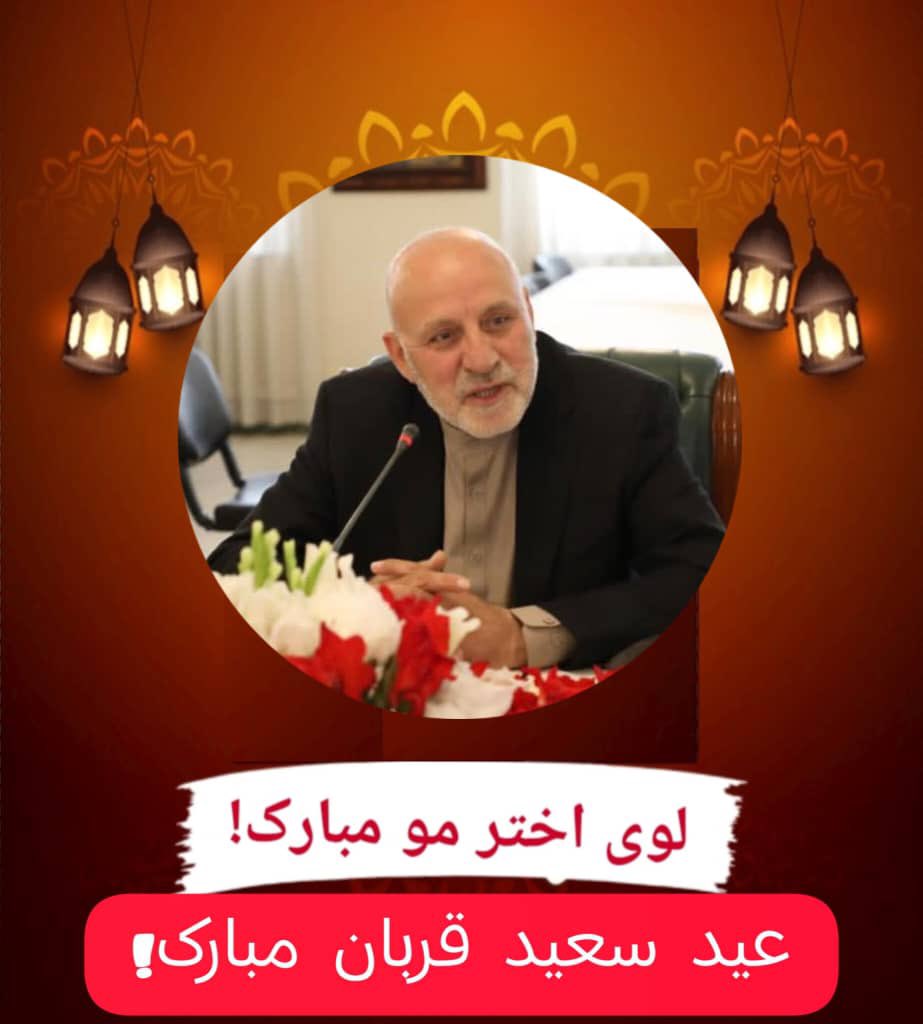
ټولو هیوادوالوته دلوی اخترمبارکي وایم. الله جله جلاله دې توفیق راکړي چې دابراهیمی قربانۍ داصل په نظر کې نیولو سره د پخلاینې دشته فرصتونو ګټه پورته کړو، تیر په هیرکړو او دزړه نه دالله پاک په لاندې آیت عمل وکړو.
وَاعْتَصِمُوا بِحَبْلِ اللَّهِ جَمِيعًا وَلَا تَفَرَّقُوا ۚ
هموطنان عزیز!
فرارسیدن عید سعید قربان را خدمت شما عزیزان تبریک عرض می دارم. برای همه ای شما طول عمر، زندگی مرفه وتوفیق عبادت آرزودارم. امید است همه ما از فرصت های موجودصلح واآشتی باروحیه ای قربانی ابراهیمی استفاده نموده گذشته رافراموش وآینده راباهم بسازیم.
والسلام
بسم الله الرحمن الرحيم وبه نستعين
اعلاميه
بمناسبت روز فرهنگ هزارگی؛ تجلیل از هویت تمدنی و پیام وحدت ملی :
افغانستان سرزمینی است که هویت ان از همزیستی اقوام، زبانها و فرهنگهای گوناگون شکل گرفته است. در این میان، فرهنگ هزارگی منحیث یکی از ریشهدارترین جلوههای تمدنی کشور، جایگاه مهمی در تاریخ و هویت ملی افغانستان دارد. تجلیل از روز فرهنگ هزارگی، تنها بزرگداشت یک قوم نیست؛ بلکه پاسداشت بخشی از روح تاریخی و فرهنگی افغانستان است.
فرهنگ هزارگی در طول تاریخ، با وجود دشواریها و محرومیتها، توانسته است هویت و ارزشهای اجتماعی خویش را حفظ کند. موسیقی محلی، ادبیات شفاهی، هنر، روحیه مقاومت، فرهنگ همزیستی و نقش مردم هزاره در عرصههای علم، فرهنگ و اموزش، بخشی از سرمایههای بزرگ ملی افغانستان بهشمار میرود.
امروز تجلیل از روز فرهنگ هزارگی، در حقیقت تجلیل از فرهنگ دانش، بردباری و مشارکت ملی است. این فرهنگ در کنار فرهنگهای پشتونی، تاجیکی، ازبیکی، ترکمنی، بلوچ و سایر اقوام، موزاییک بزرگ هویت افغانستان را تشکیل میدهد؛ هویتی که تضعیف هر بخش ان، به زیان تمام کشور خواهد بود.
در شرایط حساس کنونی که منطقه در محور رقابتهای ژیوپولیتیکی و جنگ های نیابتی قرار دارد، دشمنان کشور بیش از هر زمان دیگر بر سیاست نفاق قومی تمرکز کردهاند.
انان میدانند که افغانستان متحد میتواند ممد ثبات منطقه شده وبه چهارراه بزرگ اقتصادی و تمدنی گردد؛ اما افغانستان متفرق، میدان بحران و جنگ نیابتی خواهد شد.
از همینرو، بزرگداشت روز فرهنگ هزارگی زمانی ارزش واقعی مییابد که در مسیر تقویت وحدت ملی، احترام متقابل و همدیگرپذیری میان همه اقوام قرار گیرد. فرهنگ زمانی قدرت تمدنی مییابد که پل وصل ملتها باشد، نه ابزار فاصله و جدایی.
هزارهها در کنار سایر اقوام افغانستان، در دفاع از استقلال، تمامیت ارضی و پیشرفت کشور سهم مهم داشتهاند. همانگونه که هیچ قومی بدون دیگران نمیتواند افغانستان را بسازد، هیچ روایت ملی نیز بدون مشارکت همه اقوام کامل نخواهد شد.
امروز نیاز اساسی افغانستان، عبور از ذهنیتهای انحصارگرایانه و حرکت بهسوی تعریف منافع ملی مشترک است. روز فرهنگ هزارگی میتواند نمادی از این بلوغ سیاسی و اجتماعی باشد؛ نمادی که پیام ان برای همه مردم افغانستان، عدالت، احترام متقابل، مشارکت ملی و همبستگی تاریخی است.
تجلیل از روز فرهنگ هزارگی باید پیام روشنی به دشمنان وحدت افغانستان داشته باشد؛ اینکه مردم افغانستان، با وجود تفاوتهای قومی و مذهبی، دارای سرنوشت مشترکاند و اجازه نخواهند داد پروژههای نفرتافگنانه اینده کشور را قربانی سازد.
امروز زمان ان رسیده است که همه اقوام افغانستان دست در دست یکدیگر، فصل تازهای از همبستگی ملی را اغاز کنند؛ فصلی که در ان، فرهنگها در مسیر بازسازی هویت مشترک ملی و تقویت انسجام افغانستان حرکت نمایند.
والسلام
محمد عمر داوودزی
رئیس اجرائيه مجمع ملي براي نجات افغانستان
Afghan identity, even more than Swiss identity, is best understood through its many intertwined forms of diversity, including its rich ethnic mosaic, within which our Turkmen and Uzbek Afghan communities hold a special and indispensable place.
Without their contributions across our history, Afghanistan would not have become what it once was: the “Garden of Central Asia,” a land now ravaged by the forces of extremism and terrorism embodied by the Taliban, a group of fewer than 100,000 that has for years been tearing apart the country’s social fabric, pluralism, and promise.
Tragically, persecution on the basis of ethno-sectarian identity remains one of the core drivers of forced displacement and migration from Afghanistan.
This injustice can and must be addressed structurally by restoring state legitimacy through an inclusive political order and representative government that genuinely reflects all Afghans, in line with the UN Charter, relevant UN Security Council resolutions, and the many reports of the UN Special Rapporteur on the situation of human rights in Afghanistan.
@SR_Afghanistan@UNAMAnews@antonioguterres@UN_HRC@UNHumanRights@hrw@amnesty@displacedint@UNESCO@UNGeneva@UN@KarzaiH@ashrafghani@DrDadfarSpanta@MHaneefAtmar@Umerdaudzai2@SalahRabbani@AhmadMassoud
The United Nations is facing an existential crisis of purpose. By failing to restrain modern aggression, it has transitioned from a world-shaping political body into a glorified relief agency. If we are to survive an era of multipolar instability, we need a successor organization that prioritizes collective action over bureaucratic stalemate.
The United Nations is facing an existential crisis of purpose. By failing to restrain modern aggression, it has transitioned from a world-shaping political body into a glorified relief agency. If we are to survive an era of multipolar instability, we need a successor organization that prioritizes collective action over bureaucratic stalemate.
Does 2026 spell bad news for Pakistan?
Credible Pashtun analysts in Khyber Pakhtunkhwa warn that developments in Malakand increasingly resemble 2007. There are growing concerns that forces may be seeking to detach Malakand from state control and turn it into an extension of Kandahar.
If this trajectory continues, the next shock could be the northern areas—reshaping regional borders, bringing Afghanistan (via proxies) to India’s doorstep, and effectively ending CPEC.
It may sound far-fetched. But many of the last two decades’ “unthinkable” scenarios followed this same script—dismissed first, realized later.
To reverse the trend, Pakistan may be in need of a comprehensive counter-extremism strategy not a piecemeal military interventions here and there.
New year. New administration. New doctrine. Regime change is back on the table. Tyrant regimes should take note as the global order shifts. Trump’s first move toward making America great again.
New Year offers an opportunity for reflection, renewal, and constructive engagement. May the year ahead be guided by intra-Afghan dialogue, inter-regional cooperation and mutual respect.
ظهارات اخیر فرمانده ارتش پاکستان مبنی بر اینکه ۷۰ درصد اعضای (TTP) «افغان» هستند، سادهسازی خطرناک یک واقعیت پیچیده است. اگر منظور مارشال از این سخن، افغانهای ساکن آنطرف خط دیورند باشد، ممکن است درست باشد. TTA خود کمتر از ۵ درصد جمعیت افغانستان را تشکیل میدهند و نماینده مردم افغانستان نیستند. مردم افغانستان به تکرار واضح ساخته اند که با مردم پاکستان دشمنی ندارند. درگیری پاکستان با TTP است وشاید هم با TTA باشد. این جنگ نباید بهعنوان درگیری با مردم افغانستان پنداشته شود وانتقام ط از مهاجرین افغان گرفته شود.
قابل یادآوری است که هزاران تن از رهبران TTPدر آگست ۲۰۲۱ توسط TTA از زندانهای دولت پیشین آزاد شدند. این یک حقیقت است که دیروز، TTP در کنار TTA علیه دولت افغانستان میجنگید؛ امروز میز دور خورده وبراندازی دولت پاکستان هدف است. اشبتاه از کی است؟ مقصر اصلی کی است؟ ضرب المثل مشهور افغانی است «سرتان را به گریبان تان کنید».
در وضعیت فعلی کلیگویی وگریز ازمسئولیتپذیری راه حل نیست. اوضاع را بیشتر مخدوش میسازد ، شما متاسفانه تنشها را تشدید می دهید و بهناحق افغانهای بیگناه را هدف قرار میدهید. شما به عواقب اعمال تان فکرده اید؟
آنچه امروزنیاز است، شفافیت وصداقت در سیاستگذاری است نه متهم نمودن دیگران وسرزنش جمعی بیگناهان. پذیرفتن اشباهات گزشته به دریافت راه حل ممد ثابت شده میتواند. لطفاً از متهم نمودن یک ملت با عزت خودداری نموده واز دشمن سازی بدورباشید.
Recent remarks by Pakistan’s Defense Chief claiming that 70% of the TTP are “Afghans” risk dangerous oversimplification. If this refers to individuals from the eastern side of the Durand Line, that distinction matters. The Taliban themselves represent well under 5% of Afghanistan’s population and do not speak for Afghans at large.
Pakistan’s conflict with militant groups should not be framed as a conflict with Afghans—especially refugees. It is also worth recalling that thousands of TTP leaders were released from former Afghan government prisons after August 2021. Yesterday, TTP fought alongside the TTA against the Afghan state; today, reports suggest a reversal of roles.
Generalizations blur accountability, inflame tensions, and unjustly target innocent Afghans. Policy clarity—not collective blame—is the need of the hour.