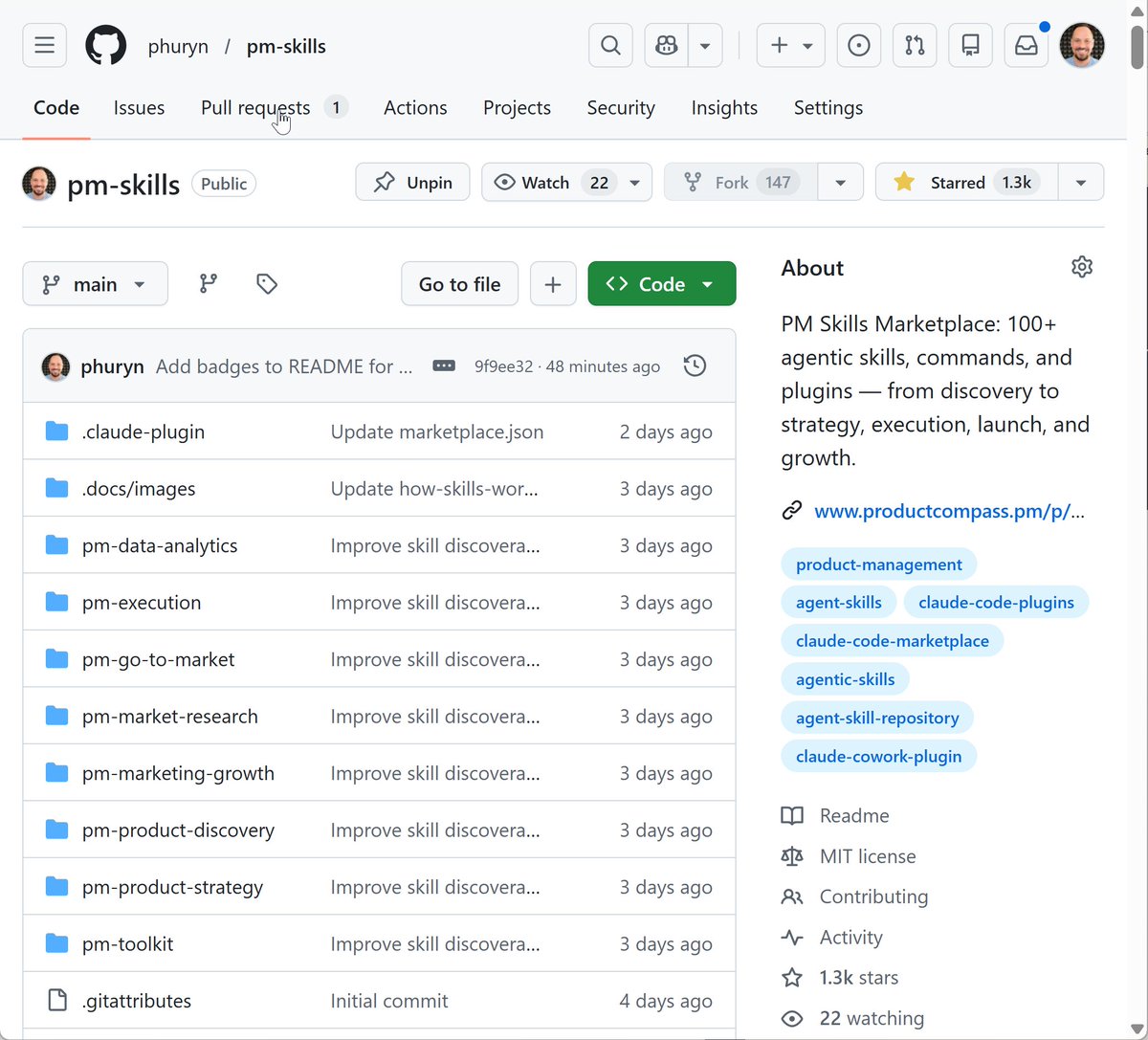
1,300+ stars on GitHub in 72 hours. 400+ in the last 4 hours. I didn’t expect this.
I built an open-source PM Skills Marketplace for Claude: 100+ skills and commands that turn AI into a product management partner.
Not generic prompts. Structured skills that actually know PM frameworks.
8 plugins covering the full PM lifecycle:
→ Product Discovery: problem & solution space exploration
→ Product Strategy: vision, business model, strategy docs
→ Execution: PRDs, OKRs, roadmaps, sprint planning, user stories
→ Market Research: personas, segmentation, TAM/SAM/SOM
→ Data & Analytics: cohorts, A/B testing, retention analysis
→ Go-to-Market: GTM strategy, beachhead, ICP, growth loops
→ Marketing & Growth: positioning, North Star Metric
→ PM Toolkit: including PM resume review
Built for Claude Code and Cowork. Compatible with Gemini CLI, Cursor, Codex CLI, and Kiro.
If this helps you, ⭐ the repo!
𝗦𝗼𝗳𝘁𝘄𝗮𝗿𝗲 𝗘𝗻𝗴𝗶𝗻𝗲𝗲𝗿𝗶𝗻𝗴 𝗟𝗮𝘄𝘀 𝗬𝗼𝘂 𝗠𝘂𝘀𝘁 𝗞𝗻𝗼𝘄
Here is the list of the most crucial software engineering laws you should know:
𝟭. 𝗣𝗮𝗿𝗸𝗶𝗻𝘀𝗼𝗻’𝘀 𝗟𝗮𝘄 - "Work expands to fill the available time."
Tasks tend to take up as much time as allocated. Setting realistic deadlines helps avoid unnecessary scope and work expansions. Without clear boundaries, teams might spend more time than necessary, delaying project completion.
👉 Why it matters: Set precise deadlines to maintain focused effort and avoid wasted resources.
𝟮. 𝗛𝗼𝗳𝘀𝘁𝗮𝗱𝘁𝗲𝗿’𝘀 𝗟𝗮𝘄 - "It always takes longer than you expect, even when accounting for Hofstadter’s Law."
Software development estimates are often optimistic. Even when you factor in delays, unexpected complications arise. Adding generous buffers can mitigate unrealistic expectations.
👉 Why it matters: Always add buffers to your estimates to manage expectations and prevent burnout.
𝟯. 𝗕𝗿𝗼𝗼𝗸𝘀’ 𝗟𝗮𝘄 - "Adding manpower to a late software project makes it later."
Increasing team size late in a project adds overhead, as new members require a ramp-up period, and improved communication is necessary. This overhead can further slow down progress.
👉 Why it matters: Optimize your existing team's efficiency rather than expanding late in a project.
𝟰. 𝗖𝗼𝗻𝘄𝗮𝘆’𝘀 𝗟𝗮𝘄 - "Organizations design systems mirroring their communication structure."
The product architecture reflects team structures and communication patterns. Aligning your organizational structure with your desired system architecture ensures cohesive and efficient designs.
👉 Why it matters: Structure teams to reflect desired product outcomes, ensuring clear and effective communication.
𝟱. 𝗖𝘂𝗻𝗻𝗶𝗻𝗴𝗵𝗮𝗺’𝘀 𝗟𝗮𝘄 - "The best way to get the right answer is not asking a question, but posting the wrong answer."
People are quick to correct errors. By proactively engaging with imperfect solutions, you prompt rapid feedback and knowledge transfer, which resolves issues more quickly.
👉 Why it matters: Post imperfect solutions to prompt quicker feedback and knowledge sharing.
𝟲. 𝗦𝘁𝘂𝗿𝗴𝗲𝗼𝗻’𝘀 𝗟𝗮𝘄 - "90% of everything is crap."
Most ideas, code, or features add little value. Rigorous prioritization ensures efforts focus on high-impact areas, significantly benefiting overall productivity and project outcomes.
👉 Why it matters: Prioritize rigorously and focus efforts only on the most impactful features.
𝟳. 𝗭𝗮𝘄𝗶𝗻𝘀𝗸𝗶’𝘀 𝗟𝗮𝘄 - "Every program expands until it can read mail."
Software tends to grow unnecessarily complex by continuously adding features. Vigilance against feature creep helps maintain simplicity, clarity, and user satisfaction.
👉 Why it matters: Regularly review and cut unnecessary features to maintain simplicity and usability.
#softwareengineering #programming #coding
𝗛𝗼𝘄 𝗚𝗼𝗼𝗴𝗹𝗲 𝗠𝗲𝗮𝘀𝘂𝗿𝗲𝘀 𝗮𝗻𝗱 𝗠𝗮𝗻𝗮𝗴𝗲𝘀 𝗧𝗲𝗰𝗵 𝗗𝗲𝗯𝘁?
I've just released the new issue of my 𝗻𝗲𝘄𝘀𝗹𝗲𝘁𝘁𝗲𝗿 to more than 44,000 addresses.
Google's research paper showed how to define, measure, and attack it at scale. I broke down their playbook and pragmatic checklists, which you can apply tomorrow.
Key learnings in the article:
🔹 𝟭𝟬 𝗳𝗮𝗰𝗲𝘀 𝗼𝗳 𝘁𝗲𝗰𝗵 𝗱𝗲𝗯𝘁—𝗳𝗿𝗼𝗺 🧪 𝗶𝗻𝗮𝗱𝗲𝗾𝘂𝗮𝘁𝗲 𝘁𝗲𝘀𝘁𝘀 𝘁𝗼 🔄 𝗵𝗮𝗹𝗳‑𝗳𝗶𝗻𝗶𝘀𝗵𝗲𝗱 𝗺𝗶𝗴𝗿𝗮𝘁𝗶𝗼𝗻𝘀
🔹 𝗪𝗵𝘆 𝘀𝘂𝗿𝘃𝗲𝘆 𝗱𝗮𝘁𝗮 𝗯𝗲𝗮𝘁𝘀 𝗰𝗼𝗱𝗲 𝗺𝗲𝘁𝗿𝗶𝗰𝘀 𝘄𝗵𝗲𝗻 𝘀𝗽𝗼𝘁𝘁𝗶𝗻𝗴 𝗵𝗶𝗱𝗱𝗲𝗻 𝗱𝗿𝗮𝗴
🔹 𝗔 𝗱𝗲𝗯𝘁‑𝗺𝗮𝘁𝘂𝗿𝗶𝘁𝘆 𝗺𝗼𝗱𝗲𝗹 𝘆𝗼𝘂 𝗰𝗮𝗻 𝘀𝘁𝗲𝗮𝗹 𝗳𝗼𝗿 𝘀𝗽𝗿𝗶𝗻𝘁 𝗽𝗹𝗮𝗻𝗻𝗶𝗻𝗴
🔹 𝗧𝗮𝗰𝘁𝗶𝗰𝘀 𝘁𝗵𝗮𝘁 𝗰𝘂𝘁 “𝗱𝗲𝗯𝘁 𝘀𝗹𝗼𝘄𝘀 𝗺𝗲 𝗱𝗼𝘄𝗻” 𝗿𝗲𝘀𝗽𝗼𝗻𝘀𝗲𝘀 𝗮𝘁 𝗚𝗼𝗼𝗴𝗹𝗲 𝘁𝗼 𝗻𝗲𝗮𝗿 𝘇𝗲𝗿𝗼
If shipping faster and cleaning up sustainably matters to you or your team, grab the full write‑up here ⬇️
https://t.co/9IRZkjamuZ
#coding #techworldwithmilan #leadership
__
🎁 This newsletter issue is brought to you by @kestra_io: https://t.co/HJpVAUlHD7.
Susmayız, teslim olmayız, geri adım atmayız!
Milletimizin helal oyunu da iradesini de başkanlarımızı da sizin adaletsizliğinize bırakmayız!
Yarın Şişli’deyiz.
🗓️ 9 Nisan Çarşamba
🕐 20.30
📍 Şişli Belediyesi önü
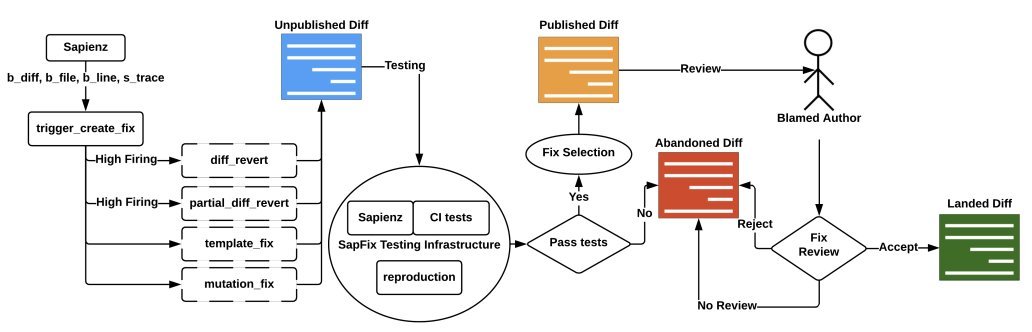
𝗙𝗮𝗰𝗲𝗯𝗼𝗼𝗸 𝗰𝗿𝗲𝗮𝘁𝗲𝗱 𝗮 𝘁𝗼𝗼𝗹 𝘄𝗵𝗶𝗰𝗵 𝗱𝗲𝘁𝗲𝗰𝘁 𝗮𝗻𝗱 𝗿𝗲𝗽𝗮𝗶𝗿 𝗯𝘂𝗴𝘀 𝗮𝘂𝘁𝗼𝗺𝗮𝘁𝗶𝗰𝗮𝗹𝗹𝘆
A recent document by Facebook engineers explains how they wrote a tool to automatically fix bugs. In the paper, they introduced 𝗦𝗔𝗣𝗙𝗜𝗫, an automated tool designed to detect and repair software bugs. The tool has suggested fixes for six essential Android apps in the Facebook App Family: Facebook, Messenger, Instagram, FBLite, Workplace, and Workchat.
How Does It Work?
𝗦𝘁𝗲𝗽 𝟭: Detect a Crash - Another tool, 𝗦𝗮𝗽𝗶𝗲𝗻𝘇, finds app crashes. When Sapienz identifies a crash, it is logged into a database.
𝗦𝘁𝗲𝗽 𝟮: Identify the Problem - SAPFIX pinpoints the exact line of code causing the issue. It first checks if the crash is reproducible. If it's not reproducible, the crash is discarded. It uses a technique called "spectrum-based fault localization" to identify the most likely lines of code responsible for the crash.
𝗦𝘁𝗲𝗽 𝟯: Suggest a Fix - Using predefined templates or code mutations, SAPFIX proposes a solution. After identifying the fault location, SAPFIX attempts to generate a patch. It employs two strategies:
🔹 𝗧𝗲𝗺𝗽𝗹𝗮𝘁𝗲-𝗯𝗮𝘀𝗲𝗱 𝗙𝗶𝘅𝗶𝗻𝗴: SAPFIX uses predefined templates to suggest fixes for common bugs. These templates are designed based on standard developer practices.
🔹 𝗠𝘂𝘁𝗮𝘁𝗶𝗼𝗻-𝗯𝗮𝘀𝗲𝗱 𝗙𝗶𝘅𝗶𝗻𝗴: SAPFIX resorts to a mutation-based system if the template-based approach fails. It systematically applies a series of code mutations to the fault location to generate potential fixes.
𝗦𝘁𝗲𝗽 𝟰: Test the Fix - The proposed solution is tested to ensure it's valid. It uses the test cases from 𝗦𝗮𝗽𝗶𝗲𝗻𝘇 to check the validity of the patch. If the patch passes all tests, it's considered a good fix. After patch validation, SAPFIX uses 𝗜𝗻𝗳𝗲𝗿 (a static analysis tool) to analyze the proposed fix further. Infer checks if the patch introduces any new potential issues.
𝗦𝘁𝗲𝗽 𝟱: Review - Developers get the final say, reviewing and approving the fix.
Image: Meta.
#softwareengineering #programming #coding
𝗛𝗼𝘄 𝘁𝗼 𝗹𝗲𝗮𝗿𝗻 𝗦𝗤𝗟?
Structured Query Language (SQL) is a domain-specific language used in programming and designed to manage data held in relational database management systems for many years. It was developed at IBM in the early 1970s. As relational databases are still very popular, any developer must use them.
The SQL language has 𝗰𝗹𝗮𝘂𝘀𝗲𝘀, which are components of statements and queries; 𝗲𝘅𝗽𝗿𝗲𝘀𝘀𝗶𝗼𝗻𝘀, which can produce scalar values or tables; 𝗽𝗿𝗲𝗱𝗶𝗰𝗮𝘁𝗲𝘀, which specify conditions that can be evaluated using SQL three-valued logic; and 𝗾𝘂𝗲𝗿𝗶𝗲𝘀, which retrieve data based on criteria and other elements.
So, the question is 𝗵𝗼𝘄 𝘁𝗼 𝗹𝗲𝗮𝗿𝗻 𝗦𝗤𝗟. Here are some (free) resources that I can recommend:
𝟭. 𝗦𝗤𝗟𝗕𝗼𝗹𝘁 is an entirely free, fully interactive introductory course. All SQL basics include writing queries, filtering, joins, aggregations, and creating, updating, and deleting tables.
𝟮. 𝗦𝗤𝗟𝗭𝗼𝗼 - It provides both tutorials and exercises, and that’s why it is equally helpful for someone just starting with SQL and programmers who know SQL but want some good practice to master it.
𝟯. 𝗦𝗤𝗟 𝗧𝘂𝘁𝗼𝗿𝗶𝗮𝗹 𝗮𝘁 𝗙𝗿𝗲𝗲𝗖𝗼𝗱𝗲𝗖𝗮𝗺𝗽 - This SQL course has over 7 million views, and I think it's YouTube’s most popular free SQL course.
𝟰. 𝗣𝗼𝗽𝗦𝗤𝗟 - is an exciting tool for collaborative SQL querying. It enables multiple users to share queries, store commonly used queries in a searchable library, and provide a visual interface for analysis.
𝟱. 𝗟𝗲𝗮𝗿𝗻𝗶𝗻𝗴 𝗦𝗤𝗟 𝗯𝘆 𝗔𝗹𝗮𝗻 𝗕𝗲𝗮𝘂𝗹𝗶𝗲𝘂 𝗳𝗿𝗲𝗲 𝗯𝗼𝗼𝗸 - This book provides some helpful context regarding the language's history and current usage, offers an overview of query and table architecture, and covers more complex SQL subjects than the courses mentioned above.
Also, look at the SQL mindmap, which shows an overview of the SQL language.
#programming #data #sql
TURKISH FINMIN SIMSEK TELLS INVESTORS ON CALL HE WILL NOT COMMENT ON JUDICIAL MATTERS OVER THE PAST TWO WEEKS: RTRS
So he won't comment on the entire reason for the call, which is also why Turkish markets and the lira collapsed
Askıda Fatura da suçmuş, neden bu projeyi yapmışız, neden dünyada ses getirmiş, neden bu projeye maddi destek bulmuşuz.
İstanbullulara çağrımdır; dayanışmayı büyütelim, imkanı olan herkes dar gelirli vatandaşlarımızın faturasını ödesin.
https://t.co/62jDghnfuX
banana republic at it again:
*TURKEY MARKETS REGULATOR BANS SHORT SELLING
*TURKEY MARKETS REGULATOR EASES STOCK BUYBACK RULES
*TURKEY'S FINANCE MINISTER SIMSEK SAYS HE IS AT HIS POST
Silivri Cezaevi’nden beni çok mutlu eden bir haberi sizlerle paylaşmak istiyorum.
Cumhuriyet Halk Partimizin Cumhurbaşkanlığı önseçiminde rekor düzeyde bir katılım gerçekleşti.
15 milyon vatandaşımız oy kullandı. İktidarın zulmünden, tarumar edilen ekonomiden, liyakatsizlikten, hukuksuzluktan canı yanan bu ülkenin on milyonları sandıklara koştu.
Erdoğan’a “artık yeter” dedi.
Bu gece Saraçhane’de ve ülkemin dört bir yanındaki meydanlarda haykıran milyonlara selamlarımı gönderiyorum.
O sandık gelecek, millet bu iktidara unutamayacağı bir tokat atacak.