Building my "second brain" with Readwise & Obsidian! 🧠 Readwise captures highlights from books & articles, then the official plugin sends them straight to Obsidian. I use Obsidian's linking & tagging to connect ideas & make them my own. It's like having a supercharged memory!
12 signs you have a toxic leader.
Spot them early,
And if they're all too familiar:
Don't blame yourself,
But do make plans to leave before it's too late.
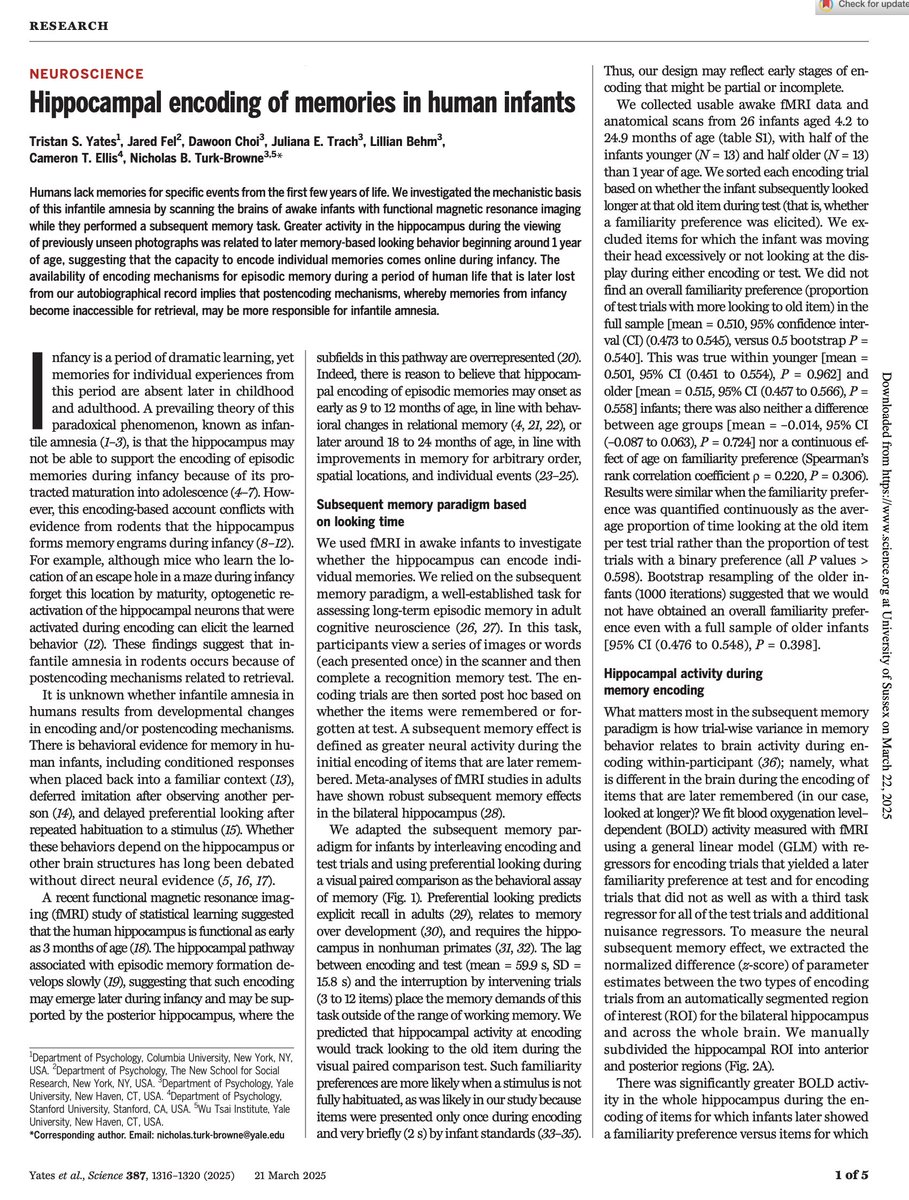
Hippocampal encoding of memories in human infants. Great to see this important study out now in @ScienceMagazine from the lab of Nicholas Turk-Browne @Yale@CIFAR_News https://t.co/ZIhglhYpQM
Schizophrenia Risk May Begin in the Placenta
A new study highlights the placenta as a key player in the early origins of neuropsychiatric disorders.
Researchers found that DNA methylation, an epigenetic modification, can influence gene expression linked to conditions such as schizophrenia, bipolar disorder, and major depression.
These findings suggest that genetic risk factors for psychiatric disorders may manifest as early as the prenatal stage.
The study also showed that while ADHD and autism had weaker associations, other disorders had no clear links to placental methylation.
Understanding how these genetic and epigenetic interactions function could improve early detection and lead to personalized interventions.
This research offers new insights into how prenatal factors shape long-term mental health outcomes.
Brain Regions Linked to Word Memory Identified
A new study has identified key brain regions involved in word memory and how they are affected in people with temporal lobe epilepsy.
Researchers found that shrinkage in the prefrontal, temporal, and cingulate cortices, as well as the hippocampus, was linked to difficulty recalling words.
Using high-resolution MRI scans, they compared brain structures in epilepsy patients and healthy individuals, revealing that those with smaller brain regions performed worse on verbal memory tests.
This suggests that word memory is distributed across multiple brain areas rather than being confined to one specific region.
The findings may improve neurosurgical approaches by helping surgeons avoid critical language and memory areas when treating epilepsy.
This research also enhances our understanding of how the brain organizes and retrieves language.
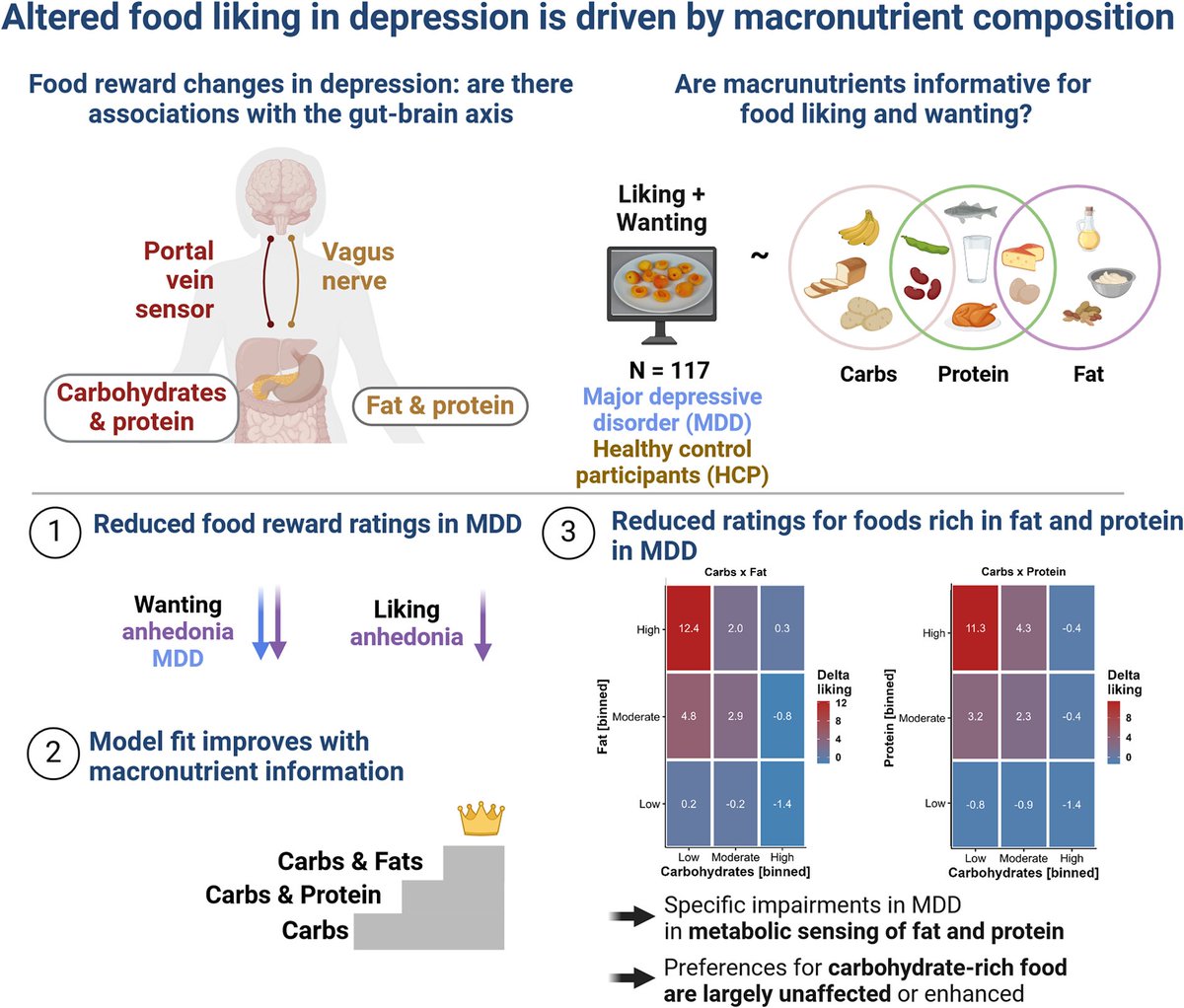
🧠 Depression is linked to rewired food cravings.
People with depression crave carbs more and find less reward in fats & proteins.
Could the gut-brain axis explain this? 🧵1/14
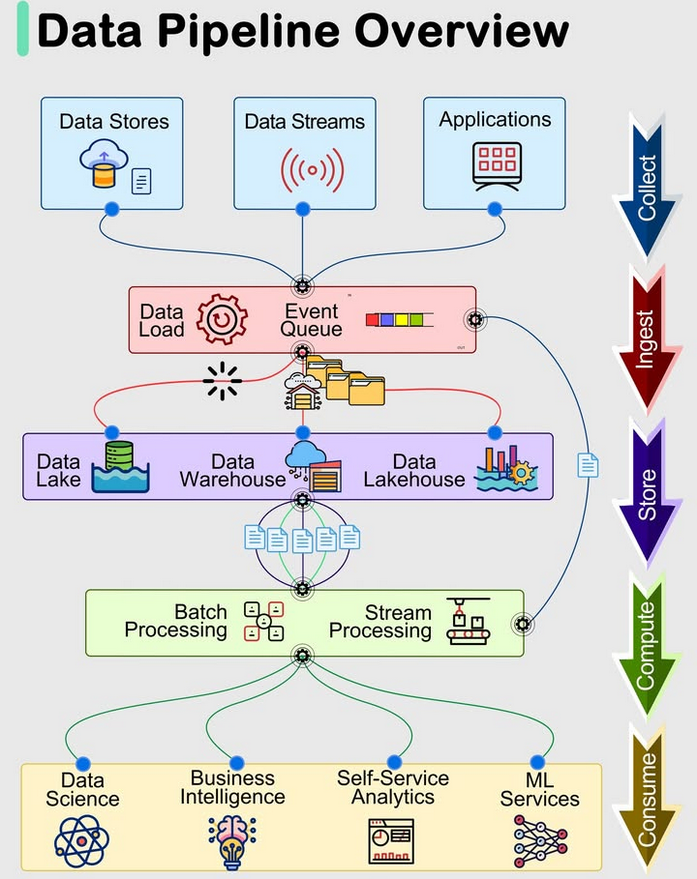
Data Pipelines Overview.
Data pipelines are a fundamental component of managing and processing data efficiently within modern systems. These pipelines typically encompass 5 predominant phases: Collect, Ingest, Store, Compute, and Consume.
1. Collect:
Data is acquired from data stores, data streams, and applications, sourced remotely from devices, applications, or business systems.
2. Ingest:
During the ingestion process, data is loaded into systems and organized within event queues.
3. Store:
Post ingestion, organized data is stored in data warehouses, data lakes, and data lakehouses, along with various systems like databases, ensuring post-ingestion storage.
4. Compute:
Data undergoes aggregation, cleansing, and manipulation to conform to company standards, including tasks such as format conversion, data compression, and partitioning. This phase employs both batch and stream processing techniques.
5. Consume:
Processed data is made available for consumption through analytics and visualization tools, operational data stores, decision engines, user-facing applications, dashboards, data science, machine learning services, business intelligence, and self-service analytics.
The efficiency and effectiveness of each phase contribute to the overall success of data-driven operations within an organization.
Over to you: What's your story with data-driven pipelines? How have they influenced your data management game?
🧵I’m excited to share not one but two research papers, written jointly by researchers from OpenAI and the @medialab at MIT. We try to answer the following question: How do interactions with AI chatbots affect people’s social and emotional well-being?
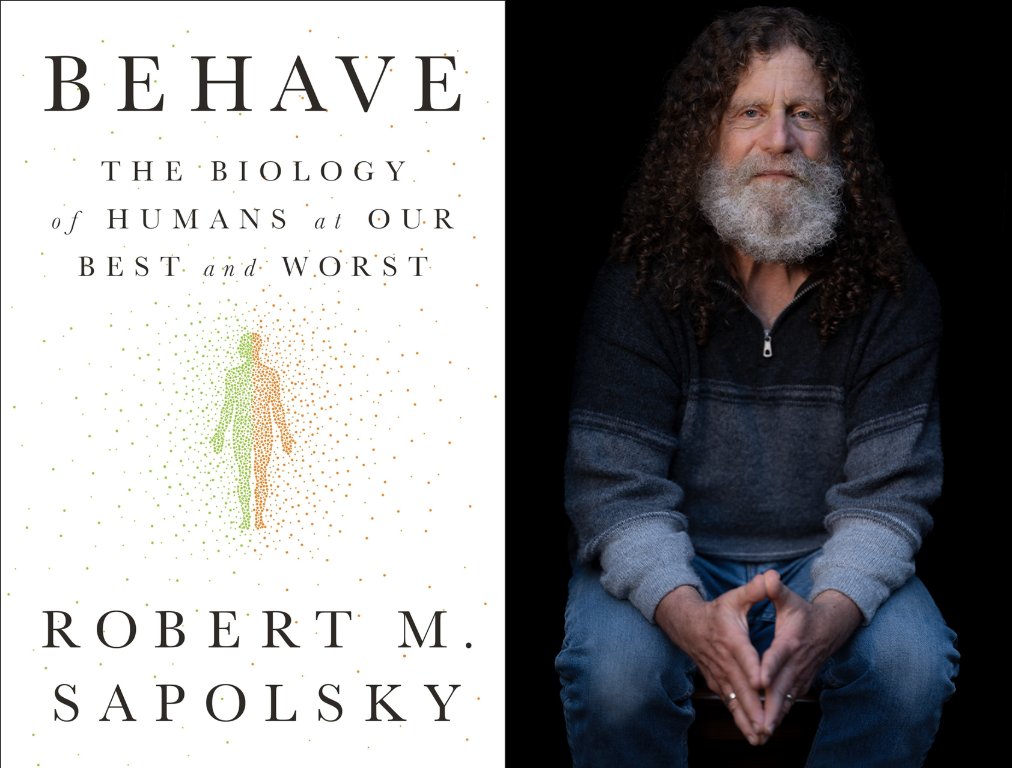
Big Pharma hates this man...
After 30 years studying baboons, neuroscientist Robert Sapolsky uncovered something shocking:
Chronic stress is the silent killer behind heart disease, diabetes, and even aging—yet Big Pharma won’t tell you this.
Here’s what you need to know: 🧵
Python library to fine-tune Gemma 3! 🔥
Gemma is a minimal library for using and fine-tuning Gemma. Includes docs on fine-tuning, sharding, LoRA, PEFT, multimodality and tokenization in LLMs.
100% open-source.