During hajj @wasimakramlive@captainmisbahpk and I saw amazing things. In the blistering heat of the sacred lands, where the sun itself tests the faithful, Saudi police and devoted workers stood as silent guardians. They slept on the roads close to their positions taking turns, so that millions of Hajjis may walk in safety and peace. Their commitment is not just to duty, it is to Allah and to every pilgrim. True dedication, unmatched kindness, and selfless sacrifice. May Allah grant them the highest reward and His infinite mercy. 🇸🇦🤲 #Hajj #SaudiHeroes
@Hredfield1@AdilAlsuhaim تخصص الاقتصاد جدا مهم و صعب
مشكلته فقط في انه لا يحصل على التقدير المناسب في سوق العمل محليا
لكن لو نظرت في الدول الكبرى ، خريجين الاقتصاد لهم تقدير كبير
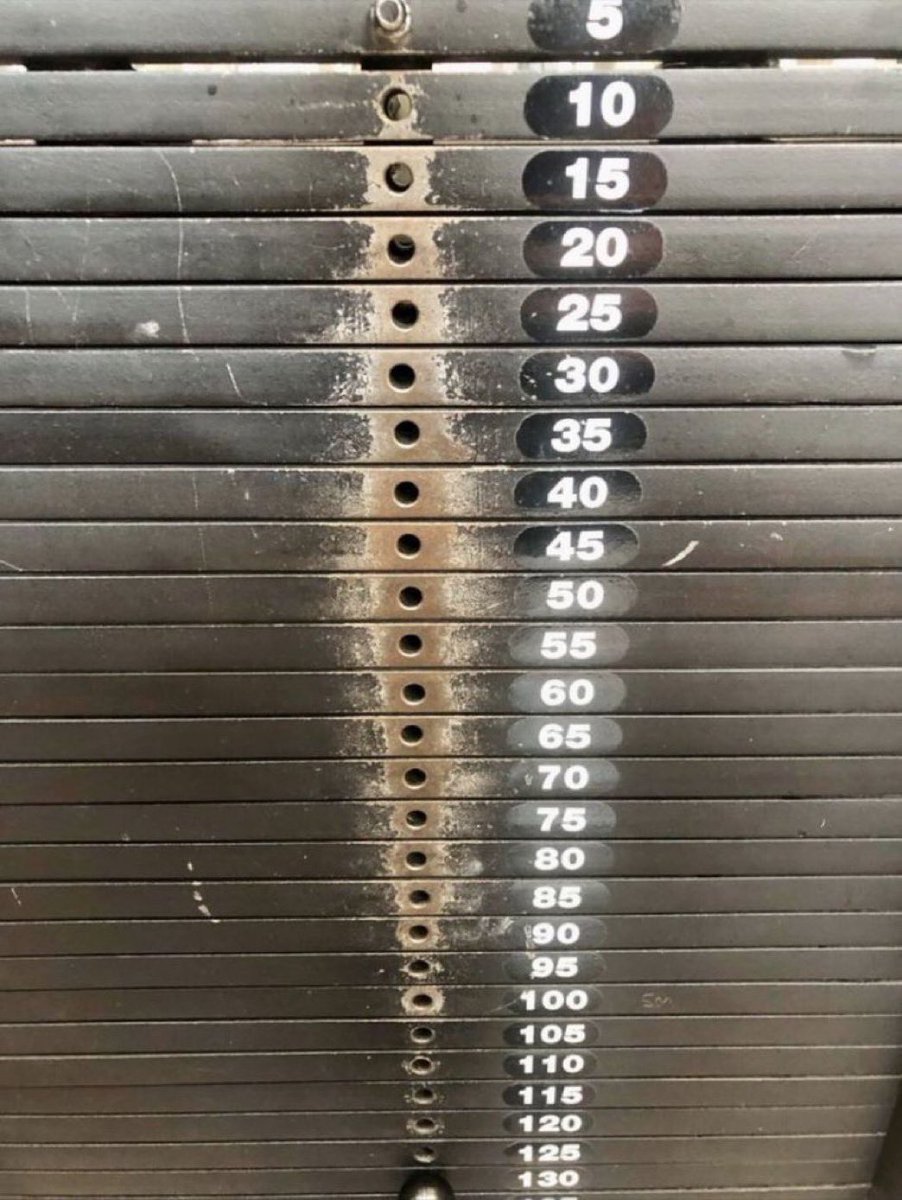
منحنى التوزيع الطبيعي Normal Distribution بمثال واقعي من أجهزة النادي..
نلاحظ إن أغلب مستخدمي الجهاز يتمركزون حول المتوسط، والظاهر هنا تقريبا حول 45–50، وتقريبا هو نفس المنوال (الأكثر تكرارًا) والوسيط (القيمة التي تقع في منتصف البيانات)، لذلك التوزيع يبدو قريب من شكل الجرس الطبيعي المعتاد.
المثير للاهتمام إنك تلاحظ إن وزن 95 مسحوب عليه… لأن العقل البشري غالبًا يقول: "دامي وصلت 95، خلاص أكملها 100".
وهنا يظهر نوع من الانحياز السلوكي أو Psychological Bias تجاه الأرقام الكاملة والمستديرة، لأن البشر يتعاملون معها كأهداف نفسية أكثر "اكتمالا" ورضا حتى لو كان الفرق بسيط. إحصائيا قد يعتبر تحيز في البيانات يؤثر على النتيجة.
أما 130 فيعتبر قيمة شاذة أو Outlier، وقد يكون بسبب استخدام مختلف عن المعتاد، كاختلاف نوع التمرين، أو ببساطة بسبب الشخص اللي يدخل النادي عشان يجرب أعلى وزن بالأجهزة من باب الفضول مو يتمرن عليها.
Japanese neuroscientists spent years working out how to put a crying baby to sleep. They wired 21 babies to heart monitors, tested different ways of being held, and landed on a 13-minute routine. The grandma in this video has been doing it for three generations.
Three labs working independently arrived at the same answer from different angles. The first piece came from a pediatrician named Harvey Karp who published it in 2002 after years of studying how parents around the world calm their babies. Babies are born with a built-in calming switch in their brain. The switch flips on whenever something mimics the womb: warmth, snug pressure, gentle movement, a steady whooshing sound. Once it flips, fussing stops and sleep takes over. Karp called it the calming reflex. Every parent has set it off dozens of times without knowing it has a name.
The second piece comes from a sleep lab in Geneva. In 2019, researchers there put adults on a bed that rocked gently, about one sway every four seconds, and watched their brains all night. People fell asleep faster. They also dropped into deeper sleep, the kind where the brain locks in memories from the day. The part of your inner ear that senses motion is wired directly into the parts of your brain that handle sleep. Rocking syncs your brain waves.
The third piece is the most direct. A 2022 study put tiny heart monitors on 28 babies at home and watched how their bodies reacted to different kinds of touch. Only four kinds of touch worked: rocking, patting, bouncing, and stroking. Each one triggered the calming response within seconds. Heart rate dropped. The body shifted into rest mode.
The 13 minutes came from a team at RIKEN, one of Japan's biggest research institutes. They tracked how different ways of holding babies affected their heart rates and figured out the exact recipe. Walk around with the baby in your arms for five minutes. Then sit, still holding them, for another five to eight minutes. Only then put them down. The wait was the surprise finding. Put the baby down too early and they wake up. Give them eight full minutes of held sleep first, and they stay asleep.
All of this lived inside grandmothers' arms for thousands of years before anyone hooked a baby up to a sensor. Passed quietly from mother to daughter to granddaughter. The neuroscience just caught up.
What you're watching is roughly the same protocol a Japanese lab might publish in 2026. Grandma already knew. The citations are optional.
Researchers at the University of Bergen ran a study comparing 213 Sudanese men. Half brushed their teeth with a chewed tree root. Half used a regular plastic toothbrush. The tree root group came out with healthier gums and less plaque.
That stick is called a miswak. The WHO has been quietly recommending it since 1986. In 2011, scientists at Sweden’s Karolinska Institute finally cracked the chemistry.
The active ingredient is benzyl isothiocyanate, a natural plant defense compound from the same family of sulfur molecules that give cabbage and mustard their sharp bite. The compound punches through the outer wall of bacteria that cause gum disease. From there, it dismantles the chemistry that keeps the bacteria alive. The Karolinska team isolated it by running root extracts through a chemical analyzer that identifies individual molecules.
The stick comes from the Salvadora persica tree, which grows in dry parts of Africa, the Middle East, and India. Inside the wood you also find natural fluoride, a gentle abrasive called silica that polishes off plaque, sulfur compounds, and tannins that tighten gum tissue. A separate team at Sweden’s University of Gothenburg ran another trial. They soaked the sticks in a fluoride solution. The fluoride left in the test group’s saliva came out higher than what people got from regular fluoride toothpaste.
A more recent systematic review pulled together a stack of randomized trials. Miswak on its own controlled plaque about as well as a regular toothbrush. Used alongside the toothbrush, it actually beat brushing alone on both plaque and gum inflammation scores. The Princess Nourah University trial from 2024 complicates that. Over two weeks, the miswak group’s plaque held steady while the toothbrush group’s dropped further. And gums in the miswak group got noticeably worse for people who sawed at their teeth too hard. Aggressive horizontal scrubbing tears at the soft tissue along the gum line.
One stick costs under 10 cents in the regions where the tree grows, and a single twig lasts for weeks. In sub-Saharan Africa, herbal toothpastes built around miswak and neem (another bitter chewing-stick tree) made up over a quarter of toothpaste sales in 2023.
The honest caveat is that Western dental literature treats the miswak as an add-on rather than a replacement, mostly because reaching the back molars with a stick is awkward. Used correctly, with soft perpendicular brushing along the gum line and no aggressive sawing, it does what a toothbrush does and adds a low-grade antibiotic on top. For most of human dental history, this is what cleaning your teeth looked like.
في عام 1996 مهندسين شركة سوني اليابانيين انصدموا يوم شافوا ديمو لعبة Crash Bandicoot.
المهندسين فتحوا أجهزة التطوير (Dev kits) حقت Naughty dog يفتشون عن قطعة رام إضافية مخفية لأنهم كانوا متأكدين إن جهازهم الـ PS1 أضعف من إنه يشغل ذا الرسوم!
كيف صارت هالخدعة ووش قصتها؟
@latest88468@FabrizioRomano If you had to Google about Donis then you are not a fan of the Saudi football .
Donis coached 3 Saudi clubs , one of them is Alhilal.
مواطن عراقي مستثمر في أمريكا في أكثر من 30 ولاية يشرح سبب استيراده للمنتجات الغذائية من #السعودية ومدى جودة الأغذية والمشروبات فيها بسبب المعايير العالية والصارمة لهيئة الغذاء والدواء 👏🏻🇸🇦