BREAKING: Wood sent for lab testing from Noah’s Ark Durupinar Site.
We’re excited to finally share this official update from the lead archeological professor Dr. Cenker Atila:
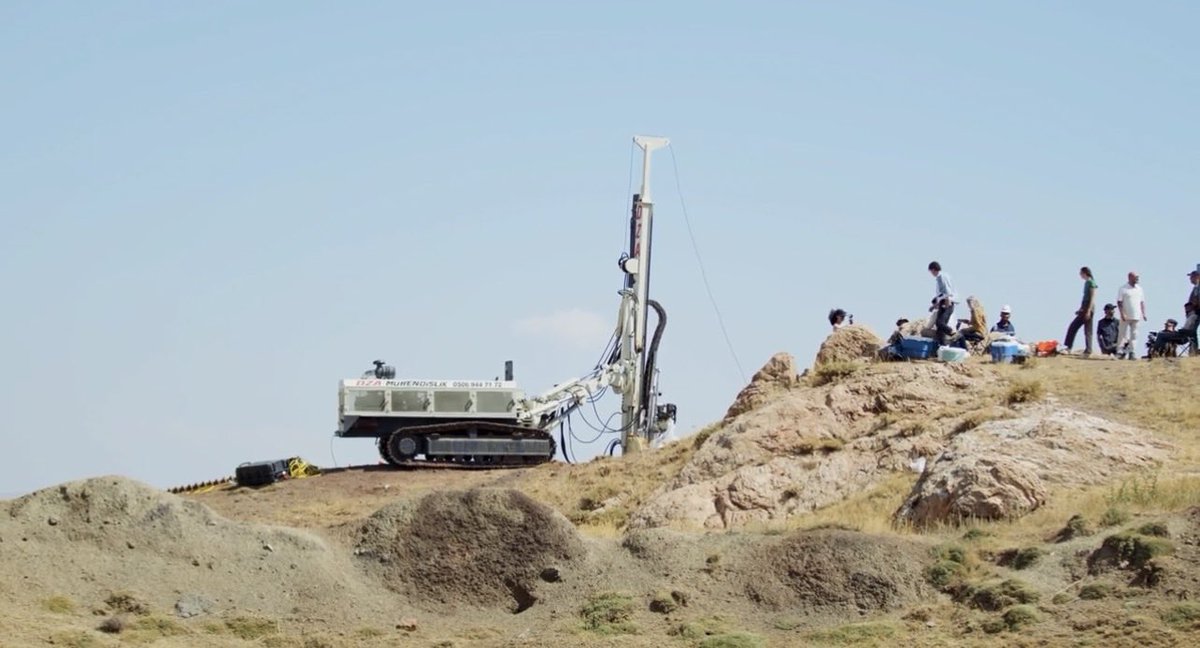
Multiple pieces of wood have been recovered from the Noah’s Ark Durupinar Site and are now in the lab for carbon-14 dating.
The wood is damaged and charred. This could be from an attempt to set fire to the ark at some point in history, or from volcanic activity in the area long ago.
While the depth at which it was recovered indicates it is very old, Dr. Cenker is clear: this is not proof that it is Noah’s Ark until the carbon-14 results are in.
One interesting note: charred wood decomposes far more slowly than uncharred wood, especially when buried in soil.
Wood has officially entered the conversation.
More details and images coming in the days ahead. Stay tuned.
Help us cover costs for lab testing. All donations are tax deductible: https://t.co/QxEcfVMmrD
It’s officially official.
This weekend Turkeys lead archeologist Dr. Cenker Atila reviewed and confirmed that Dr Bakhtar’s Report become an official and key development in the study at Noah’s Ark.
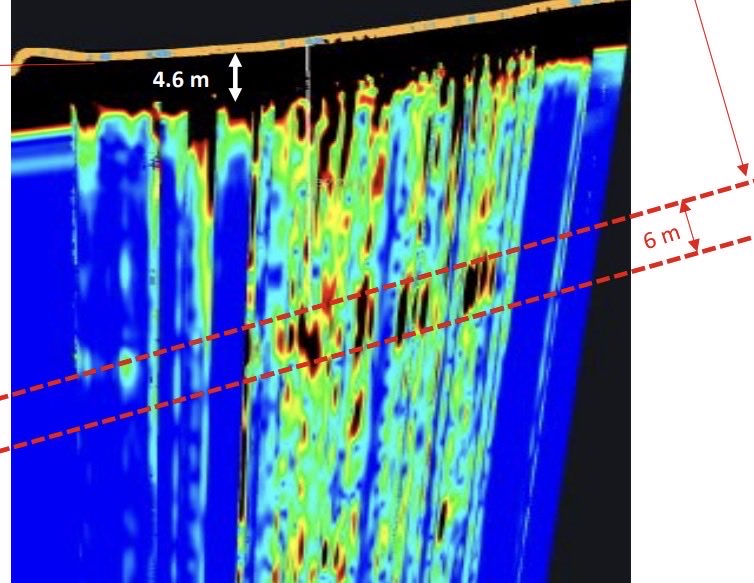
Dr. Bakhtar is America’s top rock mechanics expert, a 40 year defense scientist, and inventor of DOD’s Bakhtar Radar, and he just proved that the Durupinar Formation is NOT geological, and that there is a 3 tiered manmade structure beneath the surface with organized hallways, chambers, and corridors.
The hallways run over 4 meters high.
The “It’s just a pile of rocks” theory by armchair archeologists has just been completely destroyed.
Ahhh I’m so excited! It’s all real!!
Something weird is happening in Turkey.
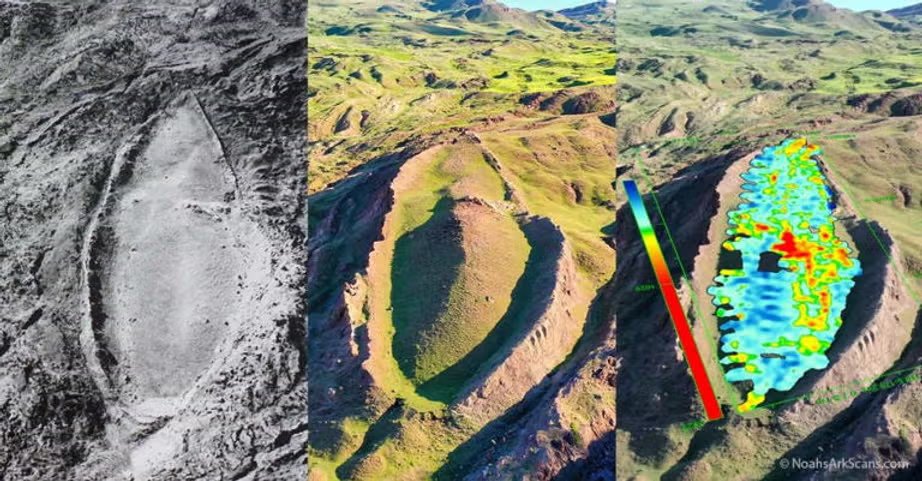
For decades, people have claimed this enormous boat-shaped formation near Mount Ararat could actually be the remains of Noah’s Ark.
Most scientists dismissed it as a natural geological formation.
But recently, researchers scanned beneath it. And they say they detected strange linear and angular features underground.
Now, that does not mean they found a buried ship. Radar can pick up completely natural geological structures.
But this is where it gets interesting.
In 2026, an officially authorised research project involving Turkish academics and with the approval of the Turkish government began investigating the site.
And they've now drilled into it.
Physical samples have been taken from beneath the formation and sent for analysis.
If they find ordinary rock and sediment, this could finally settle the mystery.
But if they find ancient worked timber, artificial material, or evidence that those underground structures really are man-made...
Then we have a much bigger question.
Because even though that wouldn't prove this is Noah's Ark, it would mean something is buried underneath it.
And that could change history
The results should be published later this year - keep an eye out