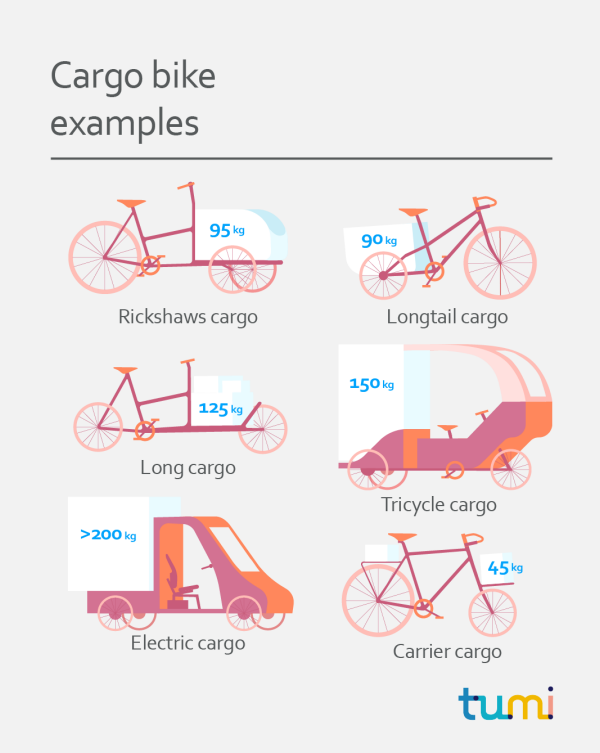
Researching how sustainable urban mobility, street design, and planning policies intersect with street informality. A work in progress by @sarmiento_casas
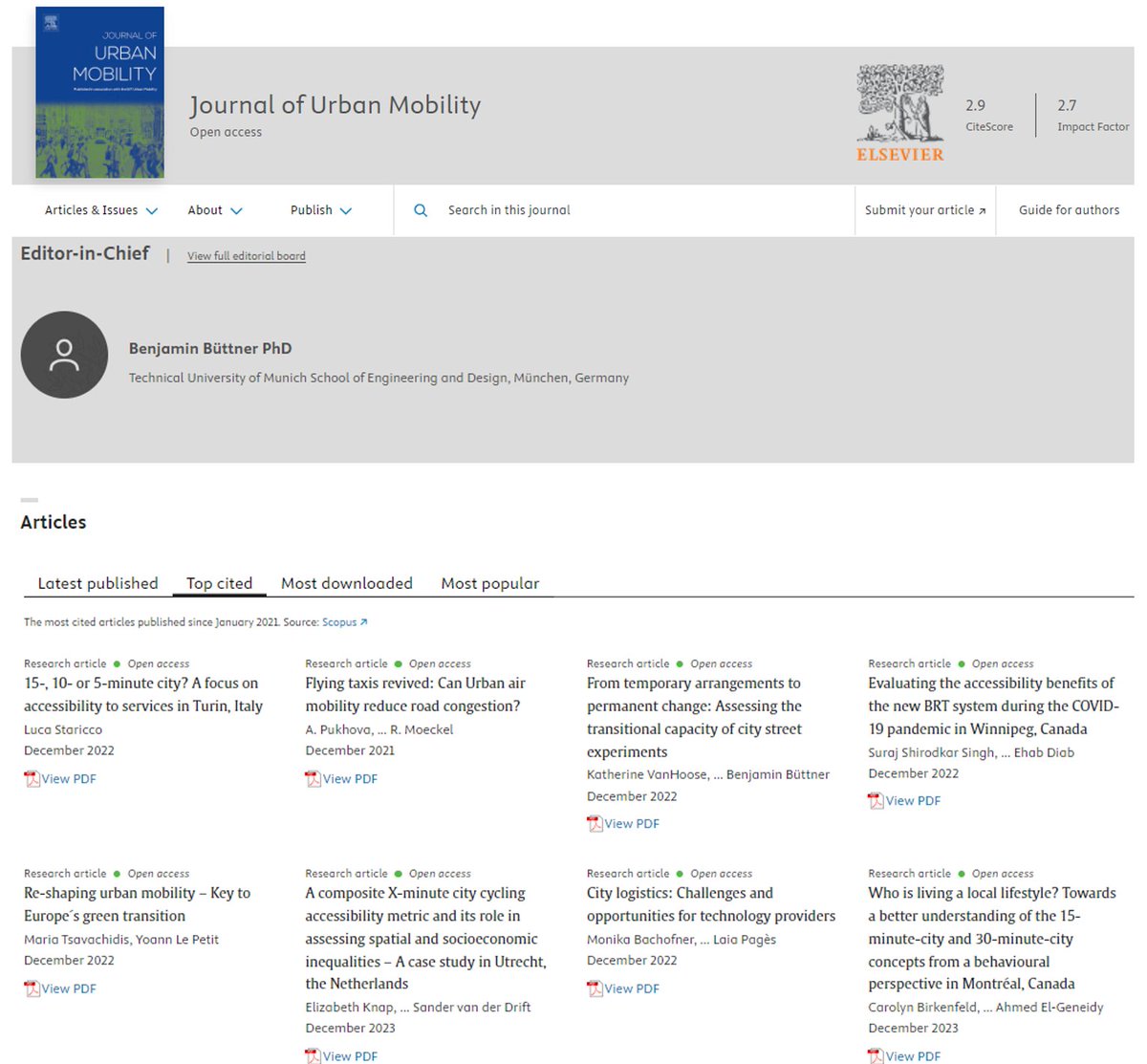
#JournalOfUrbanMobility has been awarded its 1st #ImpactFactor of 2.7, which places #JUM in Q1 of geography, Q2 of regional & urban planning & Q3 of transport category.
Thx to all submitted articles.
Dear reviewers pls accept my apols for being annoying.
https://t.co/4H4fkjhOxx
What does it mean to be a “progressive” or “radical” planner? And what kind of power do planners have to enact change?
The #PlannersNetwork Disorientation Guide attempts to orient folks new to the field of urban and regional planning to ideas, concepts, and practices linked to progressive or radical planning traditions.
Reimagined 20 years after its first iteration, the Disorientation Guide features a range of articles, interviews, and excerpts sourced from progressive planning academics and practitioners. In addition, the guide includes additional resources with links to grassroots organizations, non-profits, and academic research groups involved in progressive city-building practices.
It is our hope that this guide can help to inspire positive ways forward amid present challenges and offer a lens into the kinds of alternative visions and practices that planning can be.
Download the guide (PDF) at:
https://t.co/UnYN5lLgAX
Please print, share, and distribute!
🚨New article🚨
Q: Do engineering instructors teach induced travel?
A: Some do. Most don't. Lots of different reasons.
Many said they would teach it IF there were teaching materials. So I shared mine (link below) Feel free to use, modify, + share.
🧵Thread for more
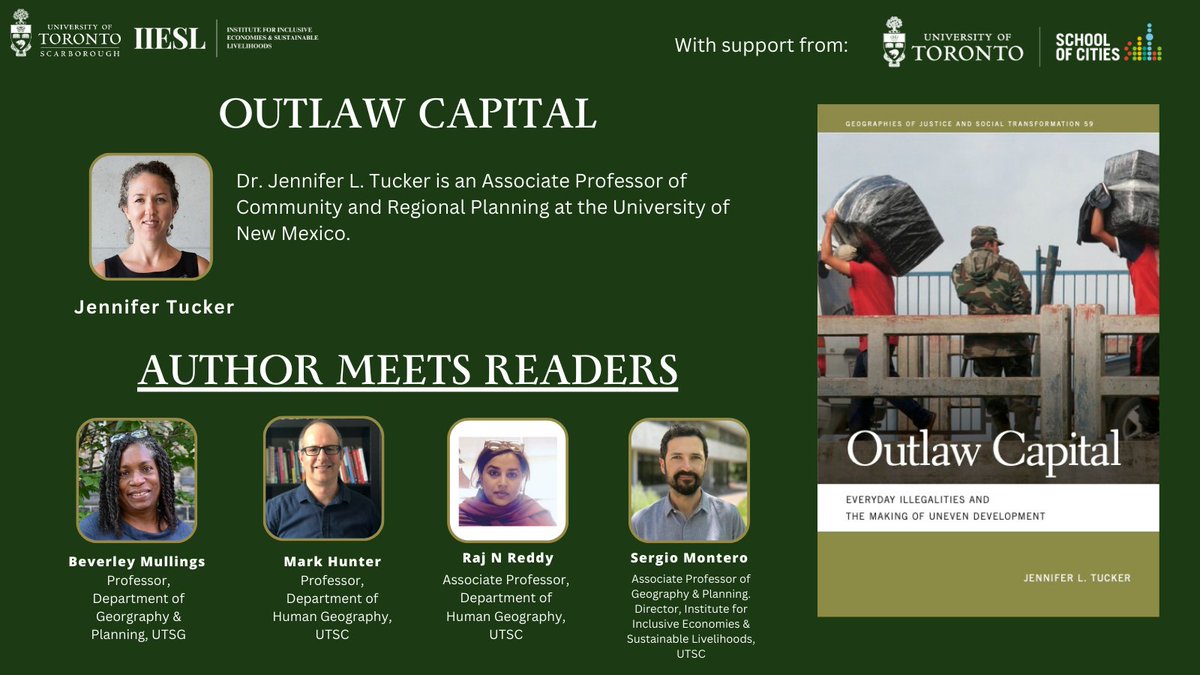
Apr. 18, 3 PM: The Institute for Inclusive Economies and Sustainable Livelihoods (@UTSC iRISE) welcomes Dr Tucker in conversation re. “Outlaw Capital”, on how transgressive economies influence globalized capitalism & illegalities shape #urban development. No registration needed!
Fascinating academic paper on the massive costs imposed by cars this past century.
“We find that …cars … have killed 60–80 million people and injured at least 2 billion.”
Thanks to @Nerd4Cities@greg_shill@letspropelatl for their work in this area.
https://t.co/lMjslGAPl3
New open access article with @TimSchwanen from my postdoc at @TSUOxford! Here we explore community transport, which we posit as operating at the intersection of informality and an ethics of care
New Johns Hopkins report finds that narrower street lanes are safer.
For roads with 30-35 mph speed limits, 10-12 ft lanes "have a significantly higher number of crashes compared to those with 9 ft lanes."
https://t.co/cbPRDFQogF
In @voxdotcom, I explained why Norway’s “EV miracle” is a cautionary tale.
Eye-popping subsidies have spurred electric car sales -- but they've also widened inequality and undermined transit/biking.
EV incentives are not a panacea. 🧵
https://t.co/VBtCUOsa5B
A cycling mayor, a supportive city council, and capable staff. How can Toronto best take advantage of it's opportunity to improve cycling infrastructure?
In @Spacing I reflect on Toronto's cycling network priorities & mayor Chow's strategic choices:
https://t.co/wSby2QYV3C
Postdoc Positions to work with my team at UC Berkeley to simulate Human Mobility at an Urban scale. Deadline: July 23rd, 2023, or after until the position is filled Desired start date: September 1st, 2023. To apply: send your CV and 3 sample publications to [email protected]
We are hiring! Transit GIS Analyst / Planner in Portland, OR or Arlington, VA (DC area). Closes July 6. Please spread the word. https://t.co/4VGt880vka
Back in 2021 I was lucky enough to teach The History and Geography of Cycles and Cycling at @geo_uoft with the most incredible students. We adapted course-based reflections into a collective autoethnography – and after over 2 years, this work was published in Mobilities!