Urban-Rural Environmental Advocacy (U-REA) is a non-profit organization registered in Nigeria.
We work to defend environmental integrity and human dignity.
Finding individuals in communities like Mrs Jallof stands out for me. Local people have the native intelligence, capacity and and local tecnology to determine their future. However, it requires one person who will take the lead and Mrs Jallof fit into the role perfectly.
At the #PamojaAfricaStrategy & #PamojaLaunch, young leaders from across the continent reminded us that Gen Z are not only the leaders of tomorrow – they are the leaders of today.
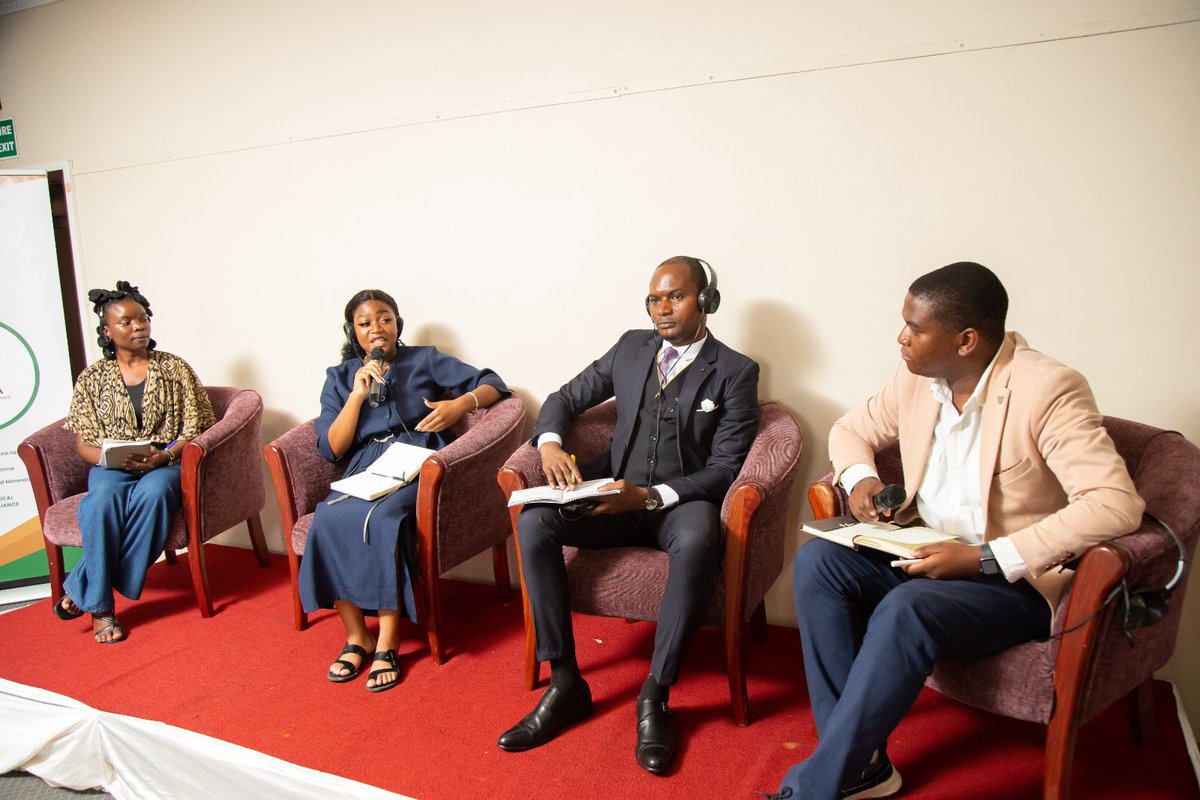
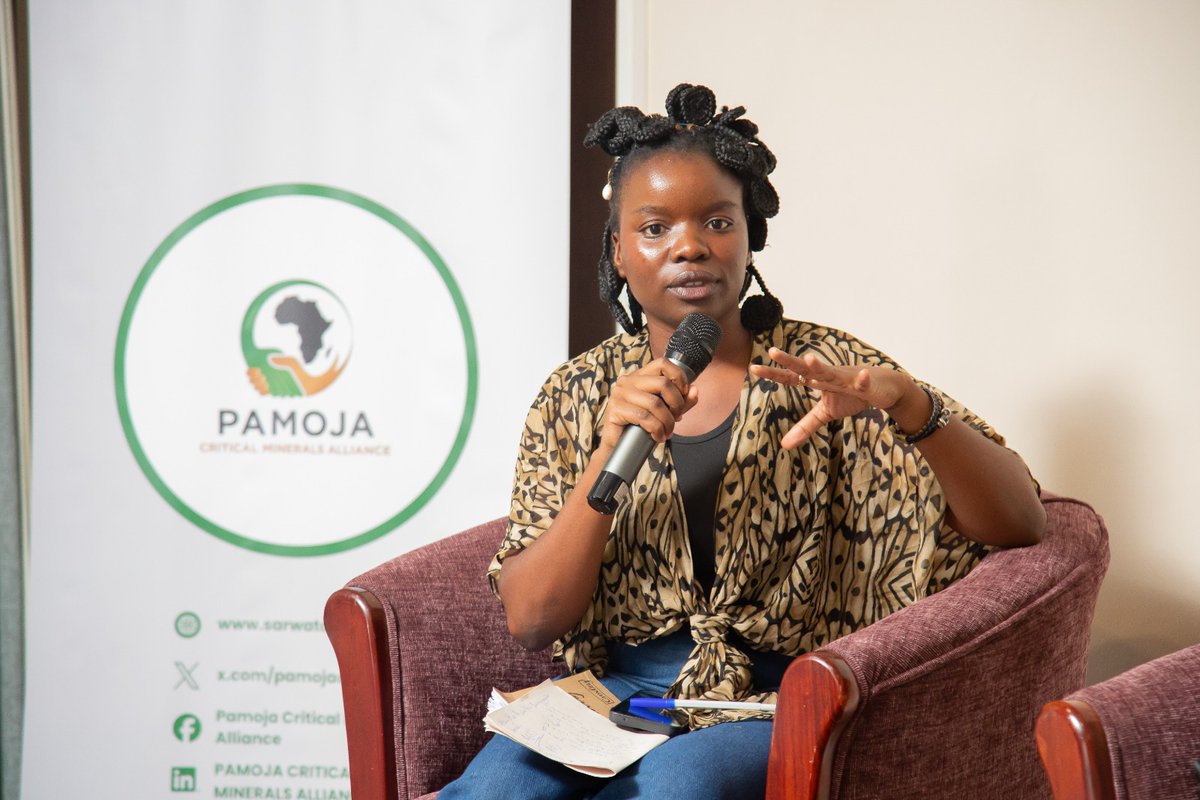
In the youth-led session on “Youth Leadership in the Critical Minerals Era: From Mobilisation to Influence,” participants committed to mobilising in colleges, schools and youth structures through awareness raising and engagement with authorities with a simple message: mining in Africa must generate real wealth, serve the needs of its people and pass on a livable world to future generations.
On the podium were:
• @hunzviSimba, Advocacy in Action, Zimbabwe
• Dalma Mazivila, @AlternactivaMZ, Mozambique
• Patrick Balabala, League for Transparency in the Extractive Sector, DRC
• Ndalama Bwalya, Students Union, @cbu_zambia, Zambia
The young leaders highlighted a major contradiction that must be addressed immediately: highly educated youth remain excluded from mining and critical mineral value chains, from jobs and ownership of wealth. Fields such as engineering, chemistry and geology need skilled young Africans who can bring innovation, homegrown research and new economic energy into the mining sector and associated renewable energy value chains.
They also emphasised the social power of youth, whose voices have shaped political and social movements across Africa—from Kenya to Uganda, Nigeria and Mozambique. Harnessing this energy is essential to building a Just Transition and sustainable mining future for the continent.
As Dalma Mazivila from Alternacitiva, Mozambique, said:
“Youth need to take a seat at the decision-making table. To do that, we must engage with climate change and critical minerals, because this is the new reality Africa is facing. By protecting our resources and our people, we can make a real difference in our communities and future generations.”
The youth voice has pronounced itself.
As noted by Ndalama Bwalya of the Copperbelt University, Zambia's Student Union: Africa’s critical minerals era must include youth leadership, youth employment and youth voices in decision-making. Ndalama is also committed to popularising the Pamoja Declaration and mobilising tech-savvy youth across the continent through social media and digital platforms, including X, Facebook, YouTube, TikTok and AMAP.
@climatenewsrom@zccinzim@ActionAidZim@CNRG_ZIM@RuralYoungWomen@CANZIM11@greengovzw1@HakiRasilimali@ZELO_Infor
#Pamoja #Solidarity #JustTransition #SustainableMining #CriticalMinerals #EnvironmentalJustice #Youth #YouthLeadership #AfricanSolidarity
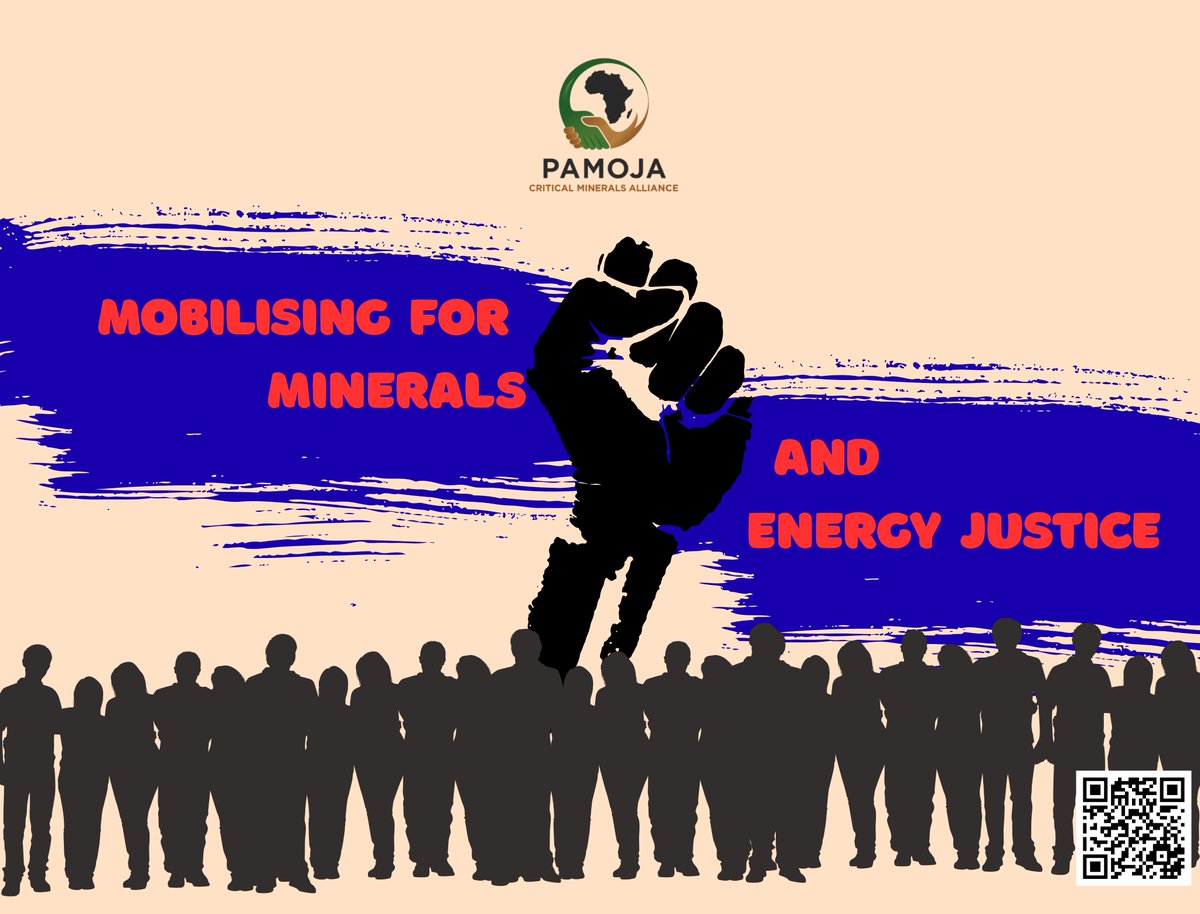
The Pamoja Critical Minerals Alliance – Africa (PCMA), a grassroots continental initiative facilitated by the Southern Africa Resource Watch (SARW), will convene its inaugural Continental Strategy Planning Workshop and Official Launch on 25-26 February 2026 in Harare, Zimbabwe at the Brontë Hotel.
The central question guiding the meeting is 'How can PAMOJA CMA safeguard the rights and dignity of African people while advancing just transitions and resource-based industrialisation?'
The workshop will bring together grassroots activists, Indigenous leaders, trade unions, faith-based organizations, women’s and youth movements, disability rights advocates, and policy experts from across the continent. Through interactive panels, breakout sessions, participatory mapping, and strategy labs, participants will collaboratively develop a continental action agenda.
The Alliance will be formally launched on Thursday, the 26th of February, accompanied by a media briefing and a public declaration.
Stay updated on the planning workshop's progress by following the coverage here.
#Pamoja #Solidarity #JustTransition #SustainableMining #CriticalMinerals #EnvironmentalJustice
HOW TO END FULANI HERDSMEN CRISES IN SOUTHERN NIGERIA WITHOUT A SINGLE GUNSHOT
Personally, the Fulani Herdsmen crises is simply an economic warfare.
The Fulanis move down here not just because we have the grass et al, but because their largest market is here and they make so much money grazing and selling to us as we need meat excessively.
So in 2018, I said instead of investing Billions in guns and vehicles to chase the herdsmen around, which usually amount to nothing because they attack and go and don't stay on for a shootout or combat, why not use the billions to establish ranches across all local governments in the state?
Get best breeds of Cattle from Holland, South Africa, et al.
Employ multiple youths to breed these cattle so they become twice as fat as the Fulani cows, twice as healthy and grow to full size in less than one year.
Then subsidize the price of the cows to say 50k per cow, ka anụ gbaa kasaa(make meat just plenty).
That way, the Fulani Herders and their Alhajis in Abuja will be out of business because they would suffer for 5 years to fatten one cow and still sell it at a very huge loss, if they will sell at all.
For instance, no one will buy a cow that weighs 500kg for 50k, and still look the way of those selling 200k for 300k.
The cattle business will become unprofitable for them and they will lose the zeal to rear cattle because even their people up North will come to buy cheaper healthier cows here. It's simple economics.
They will move their business to neighbouring West African Countries.
More jobs for the Youths, more money for business people, more meat for us, all these while saving the people's lives in the process.
The money that would have been wasted on guns and bullets and vehicles, will be spent on meat. Win win for everyone.
Then the nomads can then continue their travels to other countries where their products will have value.
If Governors of South East and other Southern and Middle-Belt states can adopt this simple formula that won't cost more than 1 billion naira, they must have solved one of their biggest Security Challenge, creating thousands of jobs in the process, producing large quantity of meat and leather both for local consumption and export, milk production and other things in that value chain.
One Billion out of the 5 billion they got from Federal Government Can Solve this problem once and for all.
Zoba De Great writes from Enugu