#AICompass - una aplicación creada por el Grupo de Innovación de @IIS_IdISSC para ayudar a navegar el mundo de la #IA en el mundo sanitario. Es #gratuita.
👉https://t.co/WEU8ESzt9N
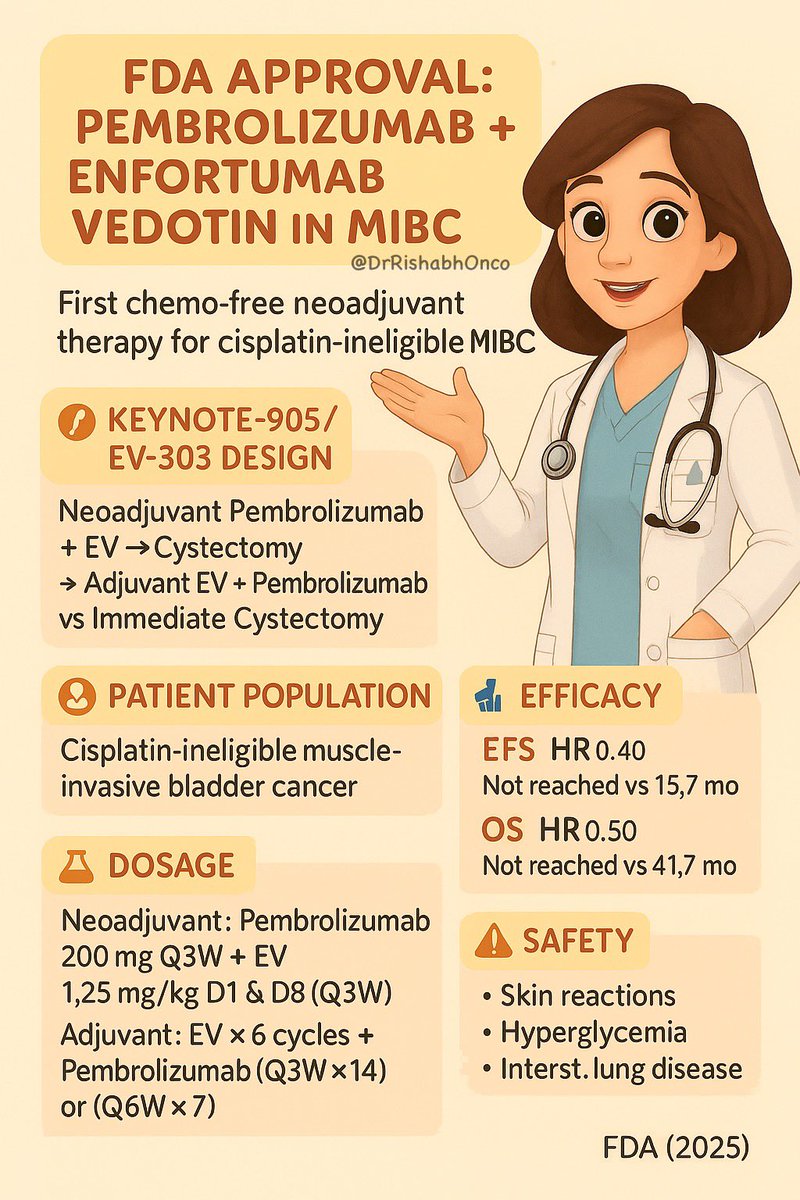
🚨 FDA APPROVAL - MIBC 🚨
Pembrolizumab + Enfortumab Vedotin gets approved as neoadjuvant → adjuvant therapy for cisplatin-ineligible muscle-invasive bladder cancer (MIBC) 🫁💥
🔥 Why this matters?
For the first time ever, a chemo-free neoadjuvant regimen improves BOTH EFS & OS in MIBC patients who cannot take cisplatin.
This is a new standard for a previously undertreated group.
🧪 KEYNOTE-905 / EV-303
Design:
Neoadjuvant Pembrolizumab + EV → cystectomy → adjuvant EV + Pembrolizumab → Pembrolizumab alone
vs
Immediate cystectomy alone
Population: Cisplatin-ineligible or cisplatin-declining MIBC patients.
📈 Efficacy Highlights
🔹 EFS:
•Not reached vs 15.7 months
•HR 0.40 (60% risk reduction) 🔥
🔹 OS:
•Not reached vs 41.7 months
•HR 0.50 (50% risk reduction)
These are huge survival deltas for localized bladder cancer.
💉 Regimen
Neoadjuvant (9 weeks):
•Pembrolizumab 200 mg Q3W
•EV 1.25 mg/kg D1 & D8 (Q3W) × 3 cycles
Adjuvant:
•EV × 6 cycles + Pembrolizumab (Q3W ×14 or Q6W ×7)
•Then Pembrolizumab alone → Total adjuvant duration 42 weeks
⚠️ Safety Snapshot
Similar to prior EV + Pembro experience:
•Skin reactions
•Hyperglycemia
•ILD/pneumonitis
•Peripheral neuropathy
•Immune-related AEs from pembrolizumab
🔑 Takeaway
A practice-changing, chemo-free perioperative IO-ADC strategy for MIBC.
This is likely to shift guidelines fast - especially for cisplatin-ineligible patients.
📖 Source: FDA (2025)
#OncoTwitter #BladderCancer #UroOnc #ESMO #ASCO @OncoAlert@myesmo@esmo_open@ASCO
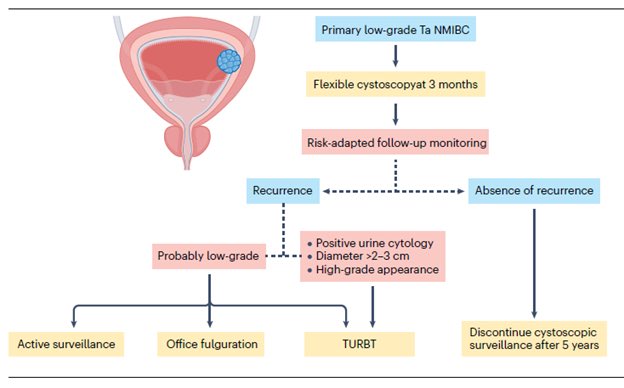
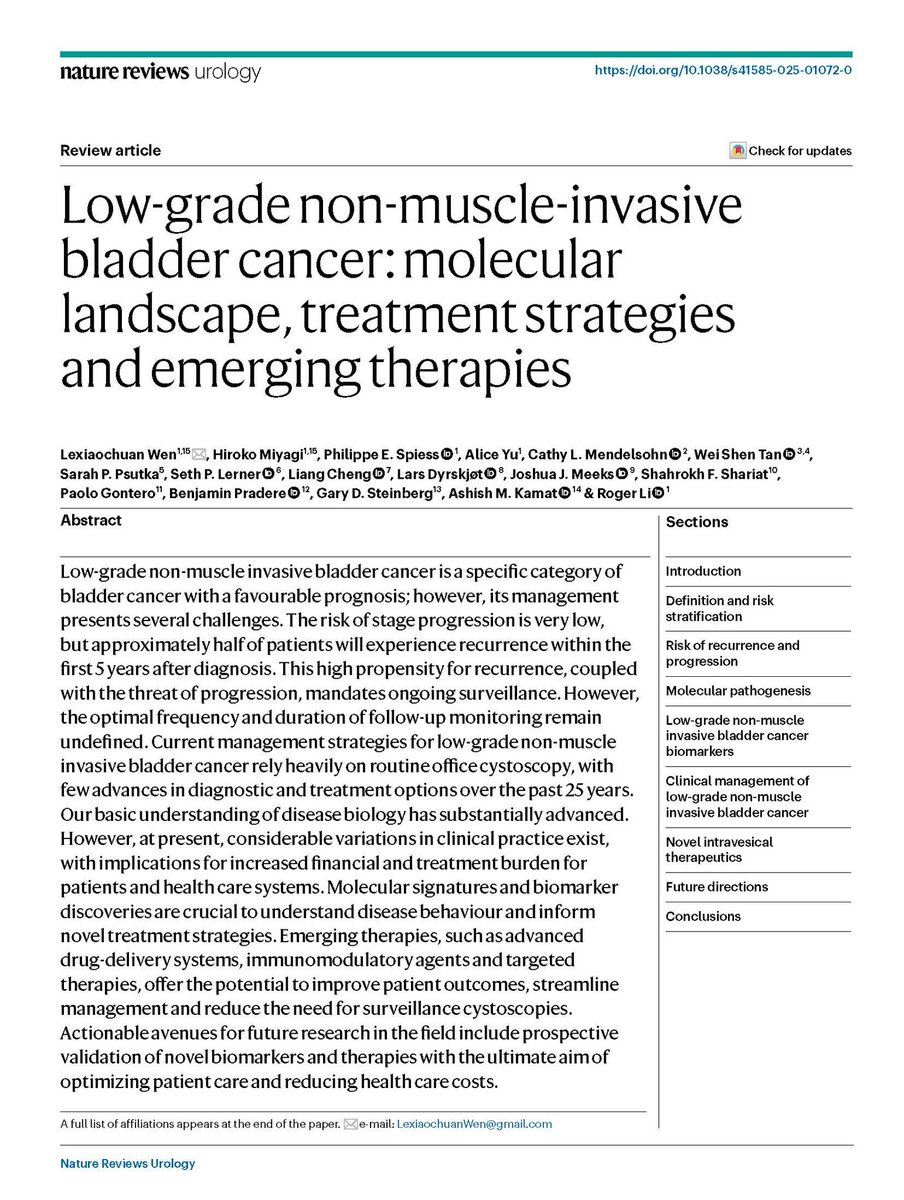
“Low-grade Non–Muscle-Invasive Bladder Cancer: Molecular Landscape, Treatment Strategies, and Emerging Therapies” - just published in Nature Reviews Urology @NatRevUrol. This State-of-the-Art review by Drs. Roger Li @UrogerliMD, Lexi Wen, and colleagues @philippespiess@spsutkaMD@LDyrskjot@DrShariat@UroDocAsh offer an outstanding overview of advances in molecular biology, diagnosis, targeted therapies, and clinical management for #bladdercancer. A great honor to be part of this effort.
Summary:
The management of low-grade non–muscle-invasive bladder cancer (NMIBC) is undergoing rapid evolution, driven by a growing recognition of the need for nuanced, risk-adapted strategies that minimize overtreatment. Yet widespread adoption of de-escalated approaches remains limited by the lack of well-defined, evidence-based guidelines tailored to this favorable-prognosis disease subset. Clear recommendations - particularly regarding surveillance frequency, duration, and criteria for de-intensified care - will likely require international consensus efforts supported by robust prospective data.
A major priority for future research is refining risk stratification. Distinguishing patients at truly increased risk of progression from those with indolent disease will enable more personalized management, including appropriate use of active surveillance and reduced surveillance intensity. Advances in molecular profiling, urine-based biomarkers, and AI-assisted pathology show promise for identifying meaningful biomarkers and histologic patterns to support such stratification, but rigorous prospective validation remains essential before broad clinical adoption.
AI integration into clinical workflows offers additional opportunities to enhance diagnostic accuracy, predict recurrence or progression, and support individualized decision-making. Multimodal models capable of real-time risk assessment may eventually guide therapy selection, but challenges - including the need for diverse training datasets, transparent algorithms, and clear ethical and regulatory frameworks - must be addressed before routine clinical use.
Despite favorable overall outcomes, managing low-grade NMIBC remains challenging owing to high recurrence rates and continued reliance on invasive cystoscopy and imperfect biomarkers. Until emerging diagnostic tools are validated, established clinicopathological systems such as the IBCG risk stratification model will continue to guide treatment decisions. Patients with multiple risk factors generally warrant intravesical therapy, while those without risk factors may be reasonable candidates for active surveillance. The ongoing BCG shortage further underscores the need to balance clinical benefit with treatment burden and to evaluate new intravesical therapies against their potential financial and clinical toxicity.
Meaningful progress in low-grade NMIBC will depend on prospective validation of emerging technologies and therapies, paired with thoughtful integration into evidence-based guidelines. By aligning molecular insights, technological innovation, and risk-adapted clinical practice, the field can improve outcomes while reducing unnecessary interventions and surveillance for this common, yet often overtreated, disease.
The article is available at the following link:
https://t.co/Hkzge1HLDo
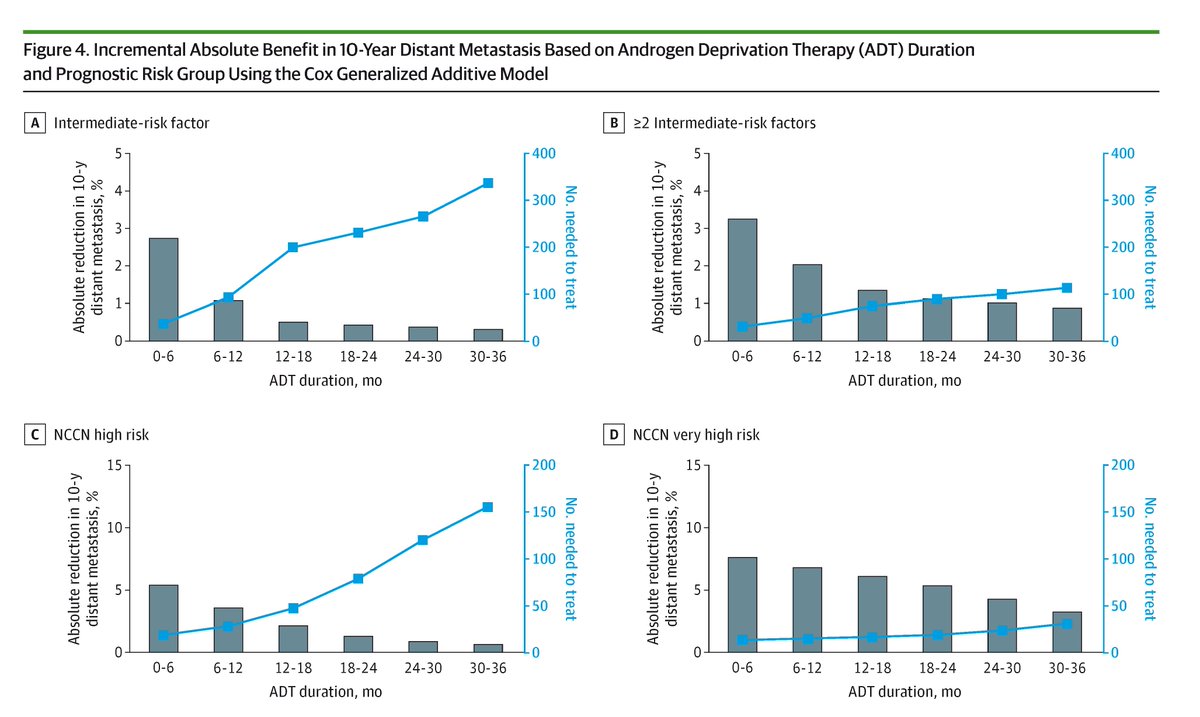
Meta-analysis: Among patients with intermediate-, high-, or very high-risk prostate cancer, the ideal duration of ADT with radiotherapy demonstrated nonlinear benefits, with diminished gains after 12 months and variation in benefit by risk group. https://t.co/corNHgWM5b
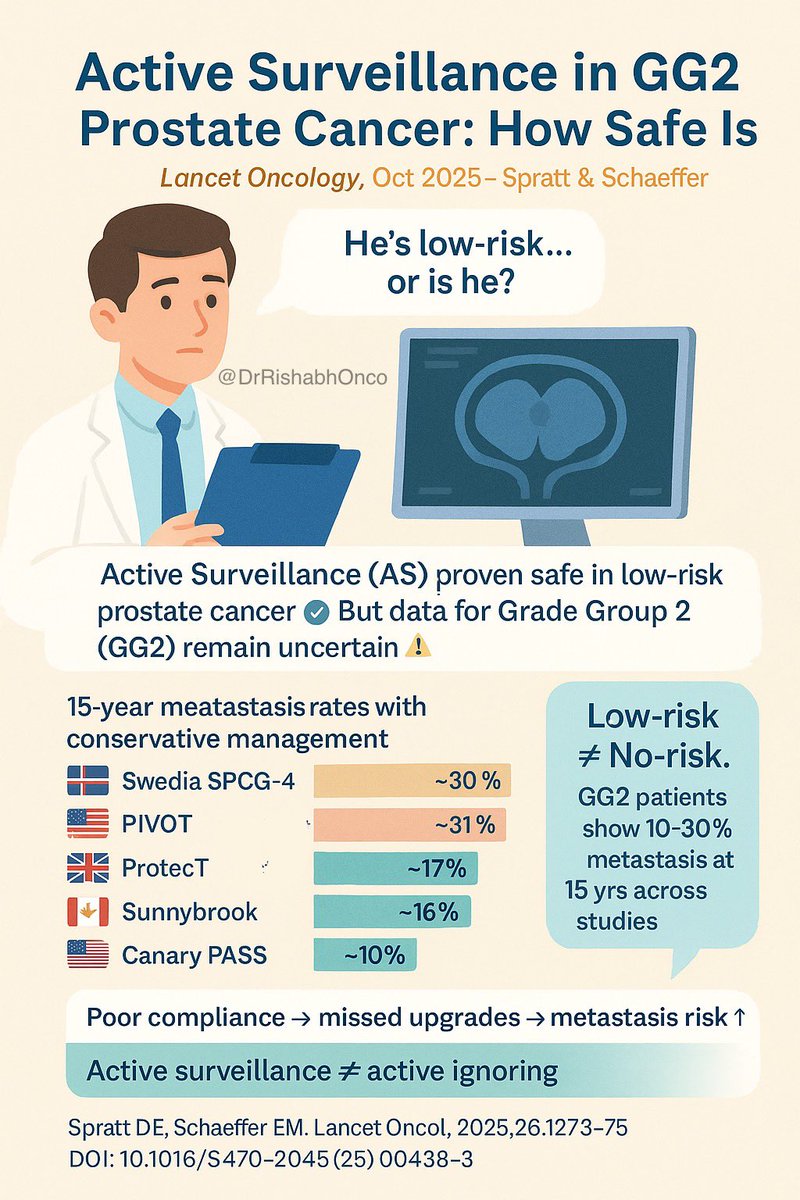
“Low-risk ≠ no risk.”
Active surveillance (AS) is the standard for low-risk prostate cancer-but what about Grade Group 2 (GG2)? 🤔
📊 Lancet Oncology commentary revisits long-term outcomes:
🧩 Key Trials:
•SPCG-4 & PIVOT: Watchful waiting → ~30% metastasis @ 15 yrs
•ProtecT: Active monitoring → ~17% metastasis (GG2)
•Sunnybrook: AS → 16.4% @ 15 yrs
•Canary PASS: AS → ~10% @ 15 yrs (wide CIs!)
🧠 Takeaway:
Evidence for AS in GG2 remains limited-many “favorable intermediate” cases behave heterogeneously.
We urgently need dedicated 15-year AS criteria to define who’s truly safe.
📖 Full paper in comment below ⬇️
#OncoTwitter #ProstateCancer #UroOnc #MedTwitter @esmo_open@OncoAlert@ASCO@myESMO
Entramos en la Unidad de grandes quemados del Hospital de Cruces en Barakaldo (Bizkaia)
Patricia Martín, cirujana plástica responsable de la Unidad: "El hecho de que la piel se queme te descontrola absolutamente todo"
@OSIEECruces@osakidetzaEJGV@OsasunEJGV#Telenorte#salud
Would you find online tool helpful for #thromboprophylaxis decisions in urologic, general abdominal and gynaecologic surgeries?
We thought so with @will_s_t & @LauriLavikainen
Tool helps also the upcoming #ARTStrial
Not yet publicly released, so, feedback very welcome! #EBM
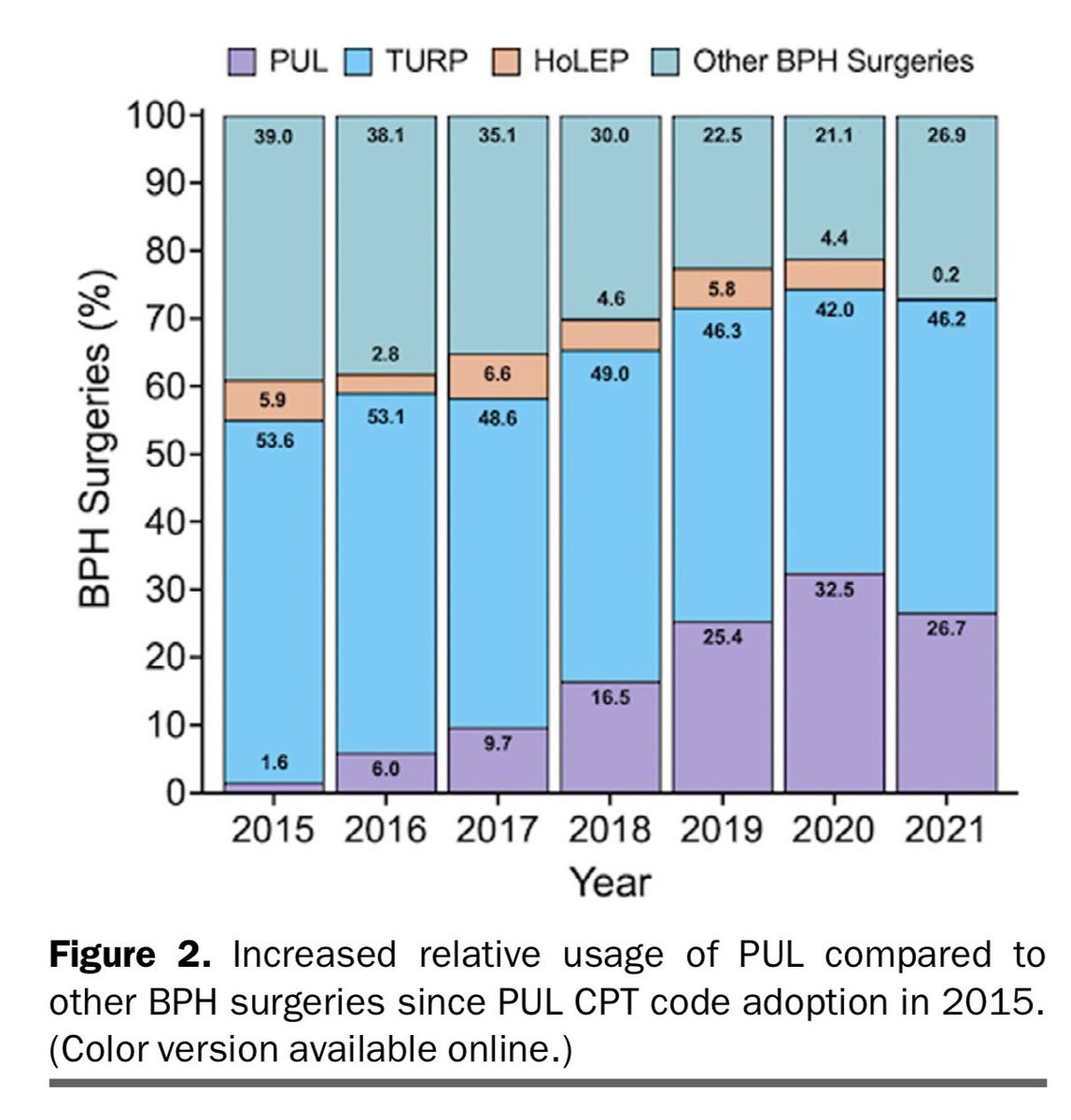
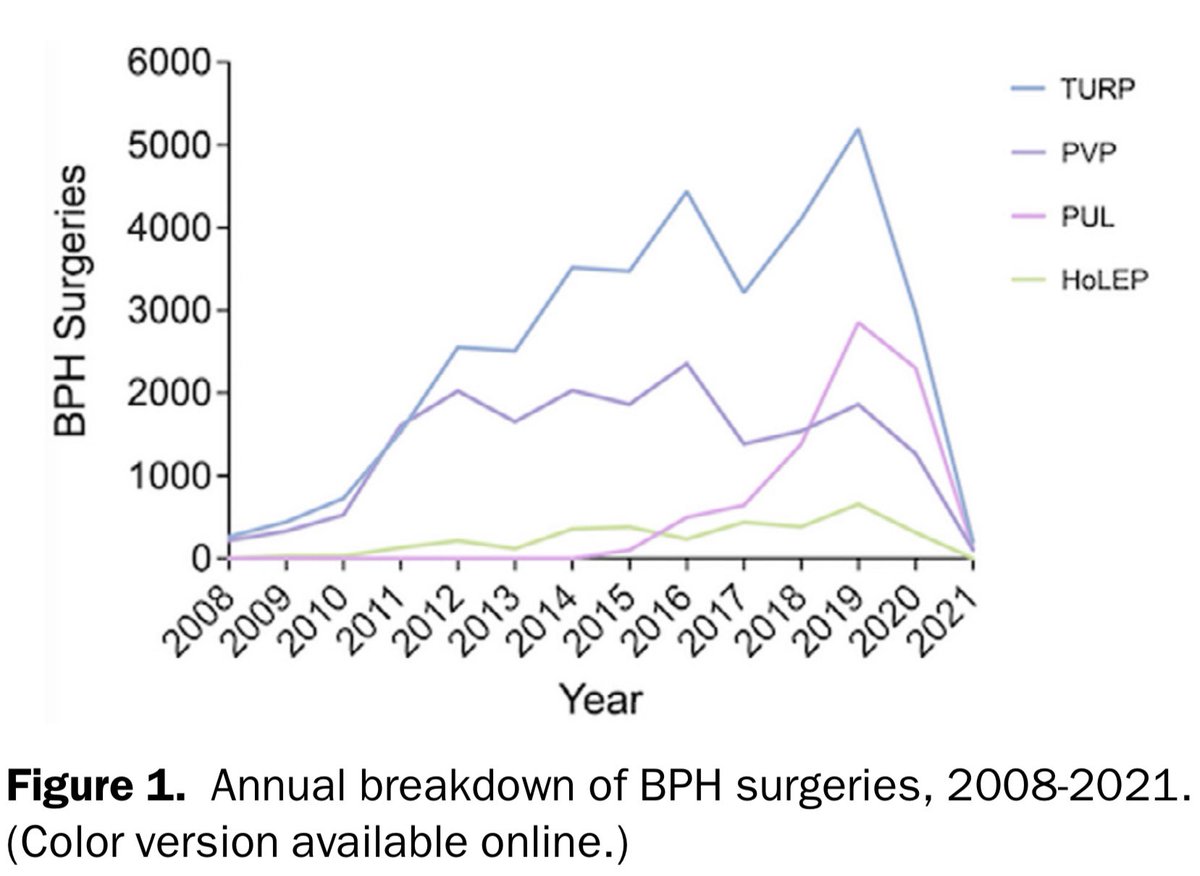
📑 Current practice patterns in the surgical management of BPH
🧐 Retrospective analysis of case logs (2008-2021) to assess trends in BPH surgery
👥 6,632 surgeons / 73,884 procedures
💡Hypothesis: use of TURP decreases over time
Results:
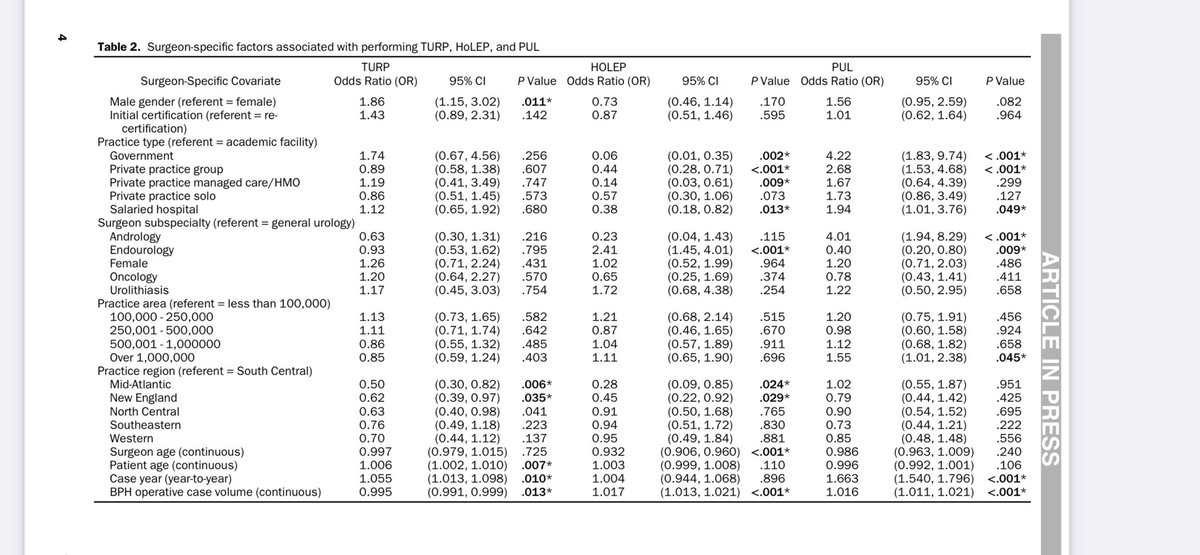
📌 TURP was the most commonly performed BPH surgery and odds of performing a TURP increased year-over-year
📌 HoLEP did not change over time, it was more likely to be performed by urologists with higher BPH surgical volume and with endourology subspecialization
📌 PUL increased significantly since its introduction (2015) and currently comprises over one third of all BPH surgeries logged.
DOI: https://t.co/CiDDdRvyyS
Continuamos con nuestro programa de formación en #holep para el tratamiento de #hbp, ahora desde el hospital de cruces #osiezkerraldeaenkarterricruces.
Muy contentos de recibir a los compañeros del hospital De San Pedro de Logroño y el hospital de Sie…https://t.co/RL2pnHhW6A
"Knockout slide" of UPSTREAM helps doctors in any clinic advise a man considering interventional treatment, as EAU Guidelines Male LUTS panel encourages baseline tests to predict surgery outcome @KariTikkinen@MauroGacci@DrDeanElterman@cgratzke@JnCornu#EAU23