⚠️ Torsión Testicular ⏱️
Si la exploración quirúrgica se realiza dentro de las primeras 6 horas, la posibilidad de salvar el testículo es de ~90%.
A las 12 horas ~ 10%.
#Urology#Urología#UroSoMe
Immediate Urotheliectomy extirpation in a monorenal transplanted patient after four TURBTs due to uncontrolled hematuria and a high-grade bladder tumor.
Anterior pelvic exenteration, transplant kidney nephrectomy, and nephrectomy of the non-functioning native kidney.
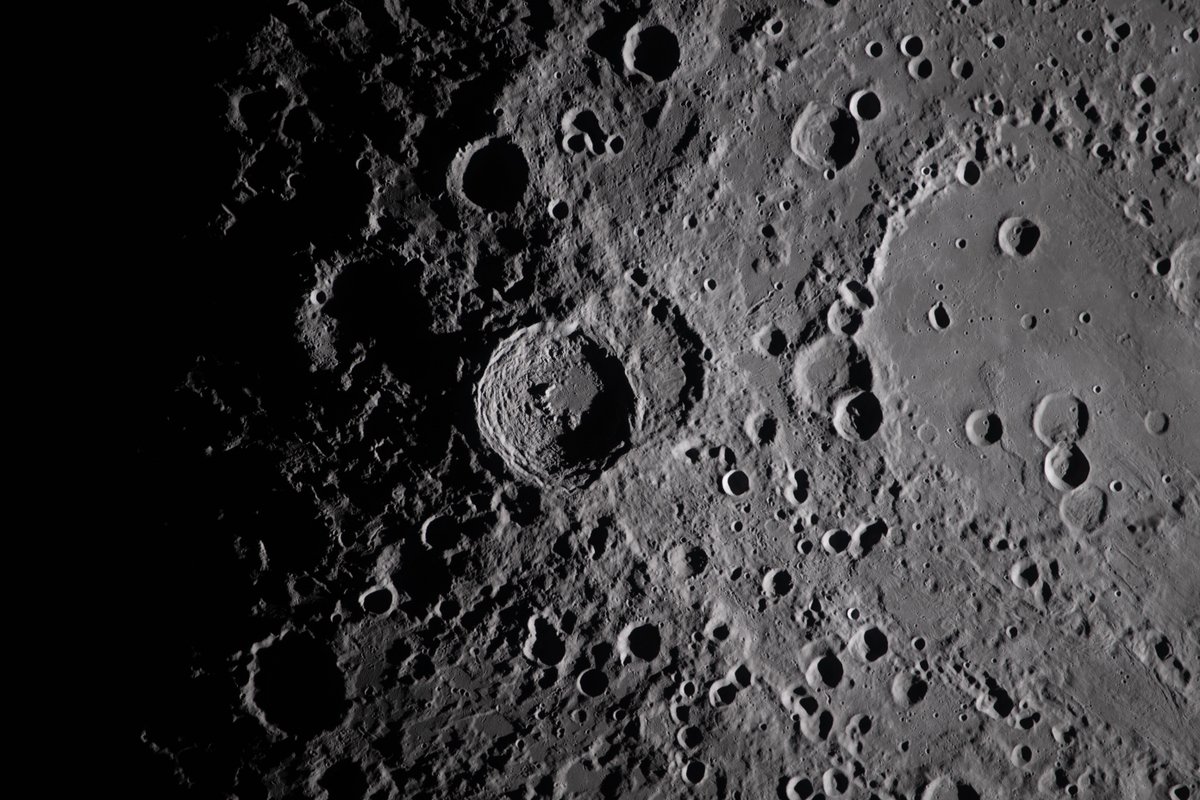
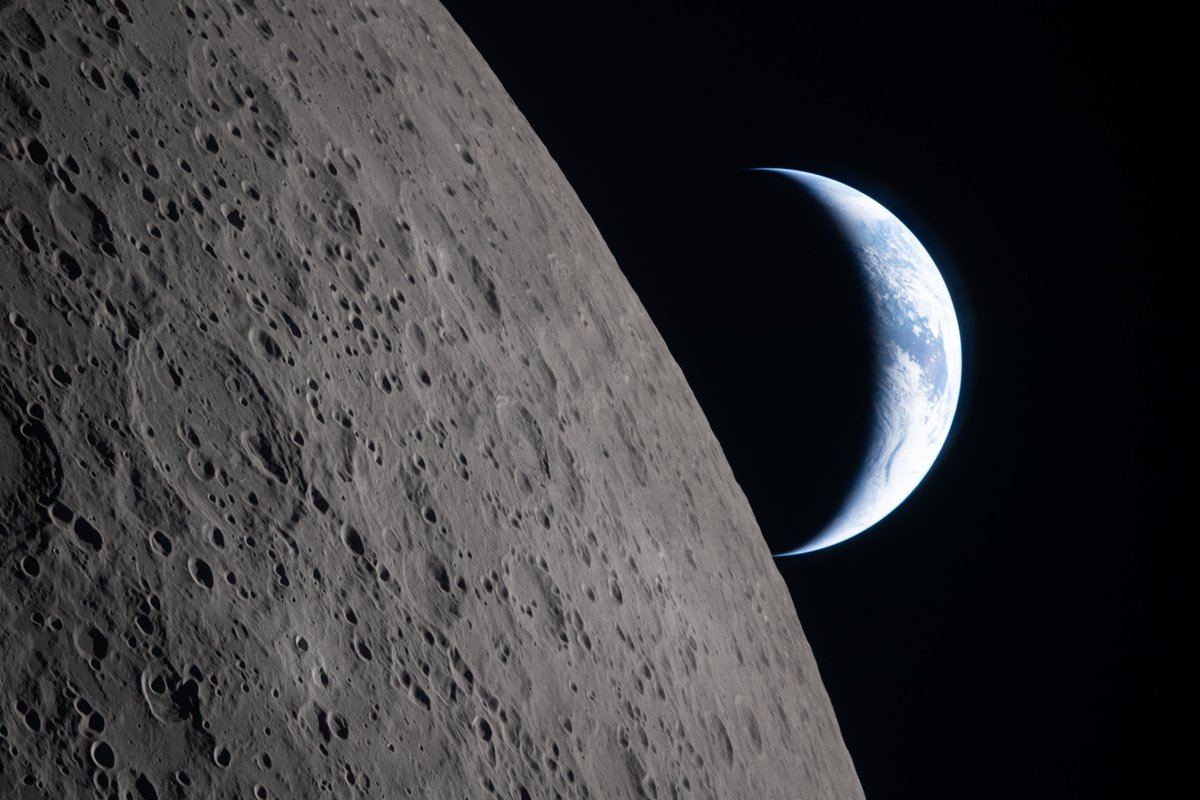
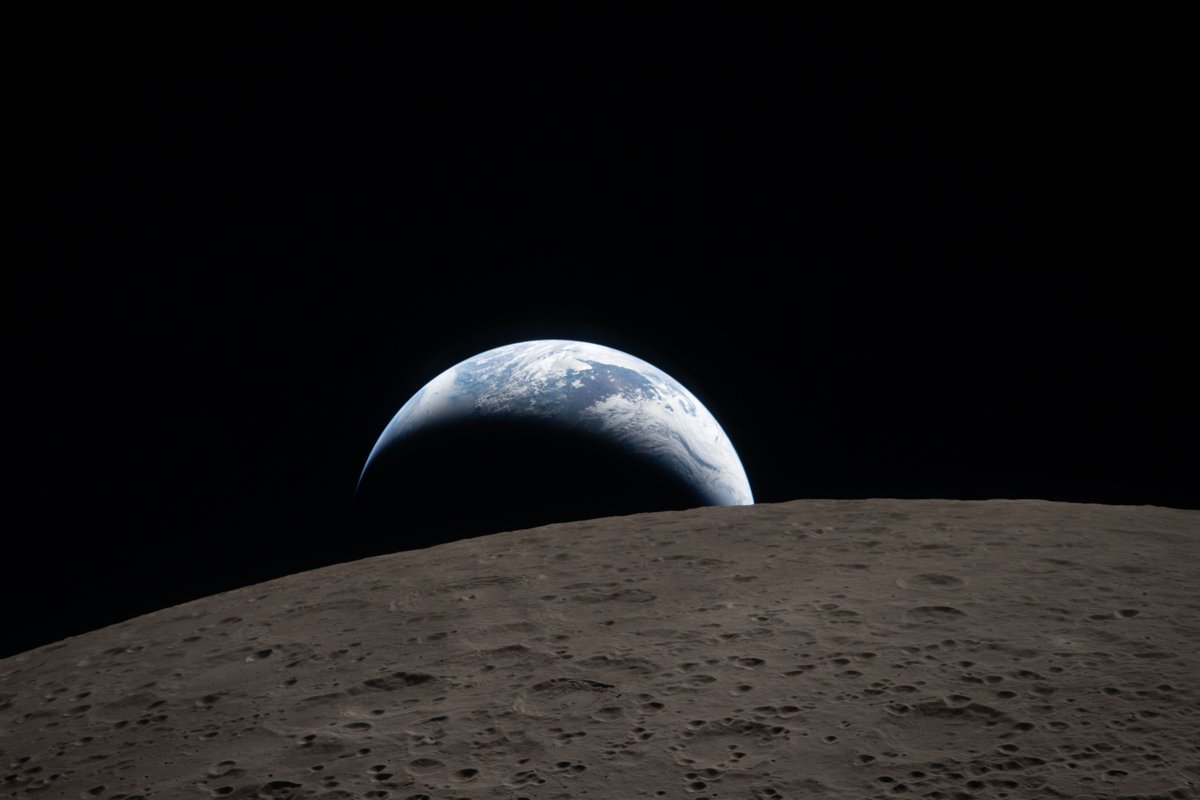
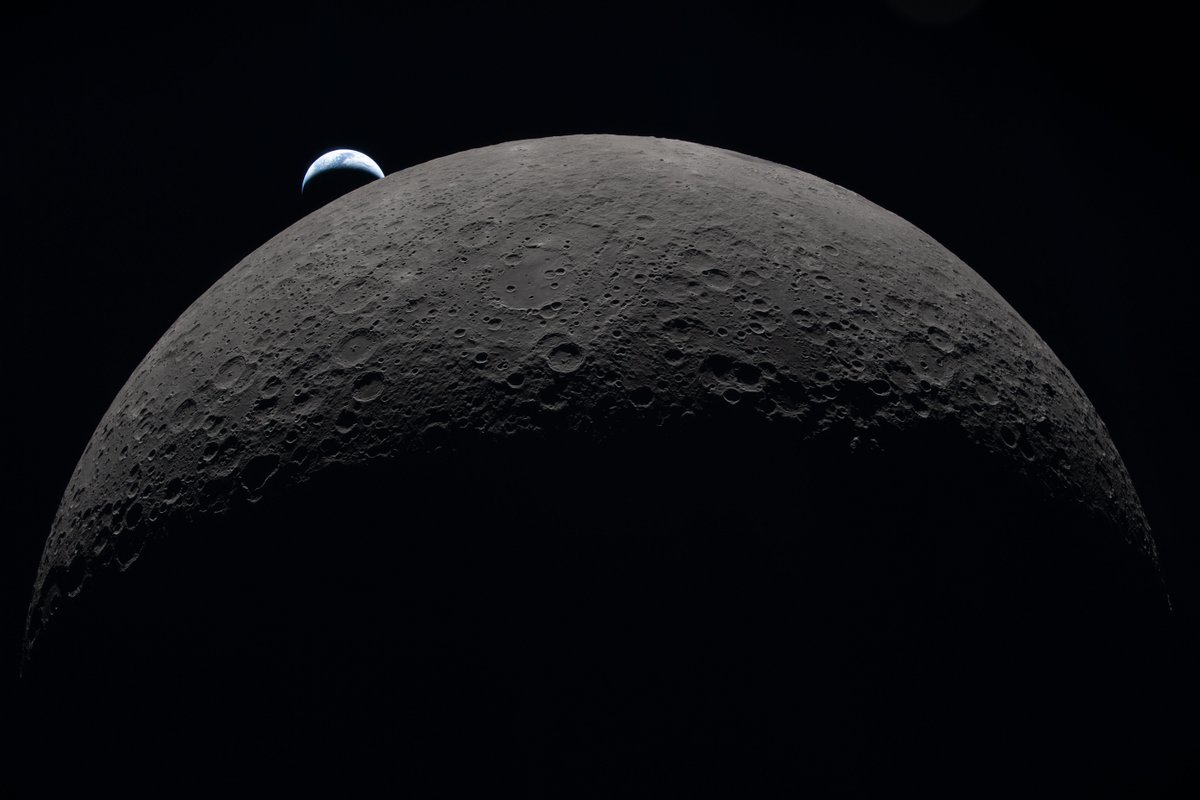
Hello, Moon. It’s great to be back.
Here’s a taste of what the Artemis II astronauts photographed during their flight around the Moon. Check out more photos from the mission: https://t.co/rzM1P0QbOl
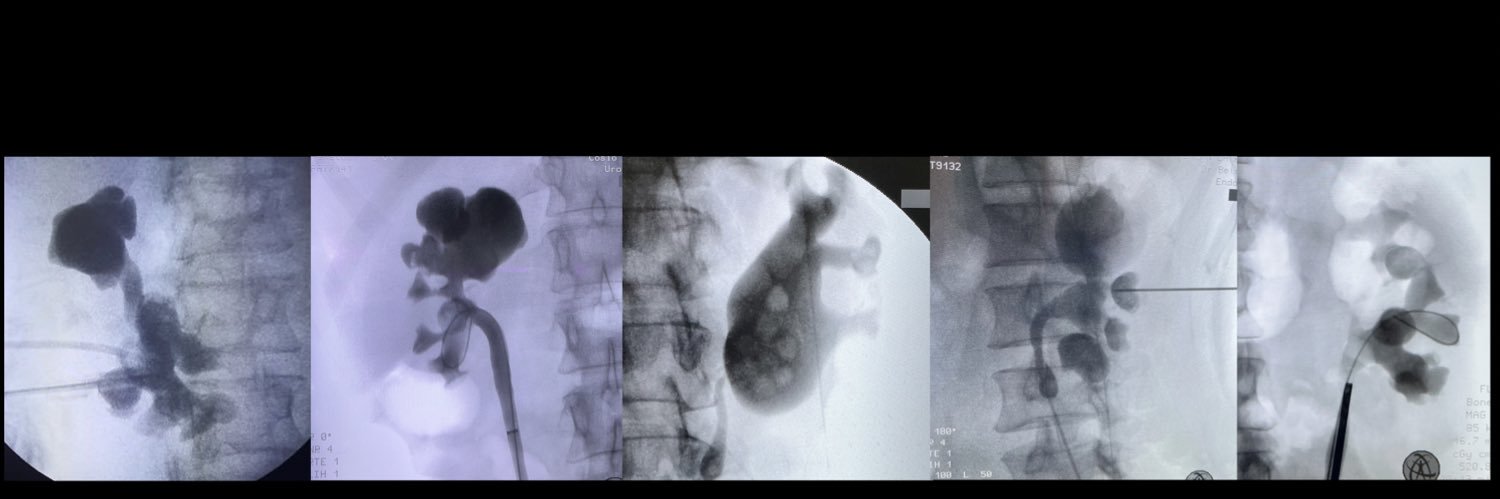
Regarding open surgery for cases of lithiasis
Well, one of my former residents @urojimenez
reminded me that in 2021 we did an open case or pyelolithotomy Gil-vernet’s , and it was a very beautiful and interesting case. Here are some videos and pictures
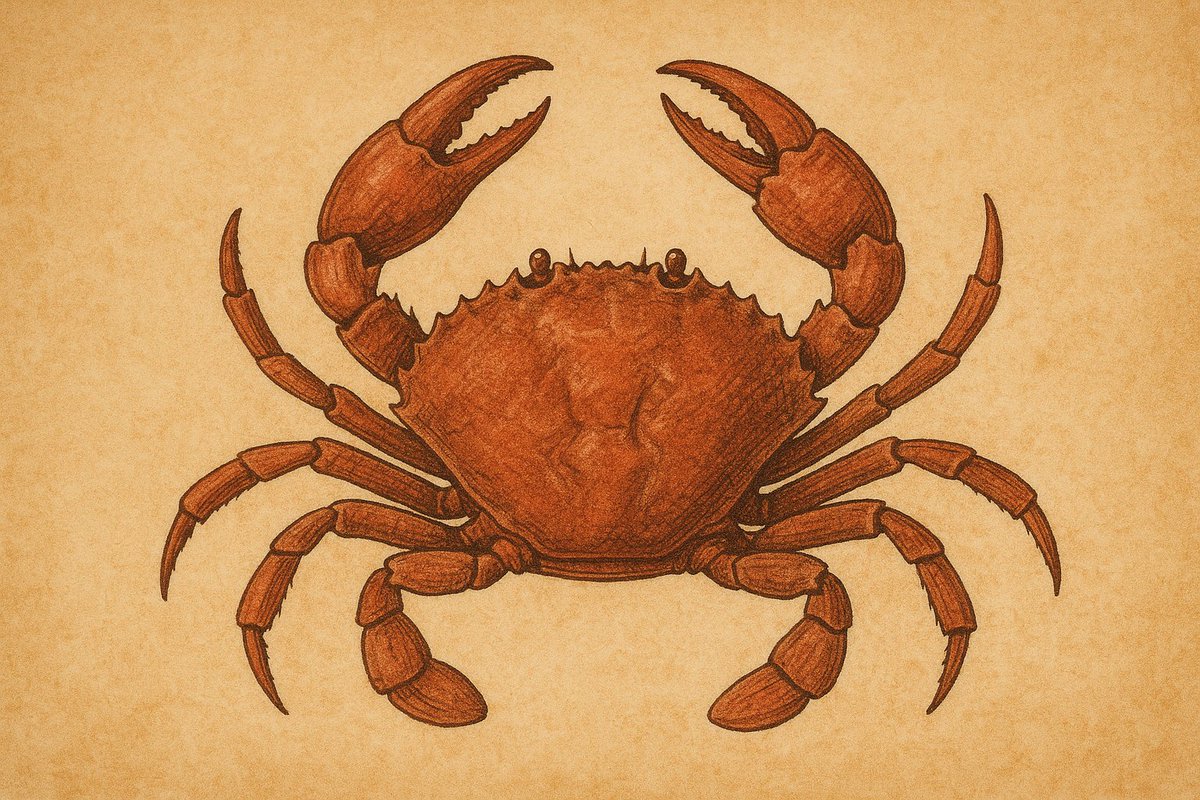
The origin of the word “cancer”: the crab🦀
The earliest known record of cancer dates back to 2500–1600 BCE, found in the Edwin Smith Papyrus—one of the oldest surviving documents of ancient Egyptian medicine.
The text describes a “cold, hard, immovable swelling of the breast, with no known treatment.”
These findings are regarded as the earliest description of breast cancer in medical history.
Nearly two millennia later, Hippocrates (460–370 BCE) and later Galen (129–216 CE) used the Greek word καρκίνος (karkinos), meaning crab, to describe such lesions.
This analogy was rooted in observation and morphology:
from the firm central mass, veins spread outward like the legs of a crab.
The lesion’s firm adhesion to surrounding tissues evoked the crab’s unyielding grip.
Roman physicians translated the term into Latin as cancer, embedding the metaphor permanently in Western medical terminology.
The survival of the word “cancer” across modern languages reflects a conceptual continuity:
an ancient observation that linked disease not only to pathology, but to the natural forms surrounding it.
This etymological origin also illustrates humanity’s enduring attempt to make sense of illness through metaphor.
In antiquity, disease was not merely a biological disorder but a phenomenon akin to patterns found in nature.
The image of the crab thus stands as one of the earliest examples of scientific imagination —
a bridge between morphology and meaning.
@InformaCosmos El origen de las olas.
El tsunami lo produce la erupción de un volcán en el fondo del mar o terremoto .
El maremoto es producido por efecto de la gravedad, la relación tierra - luna
No?
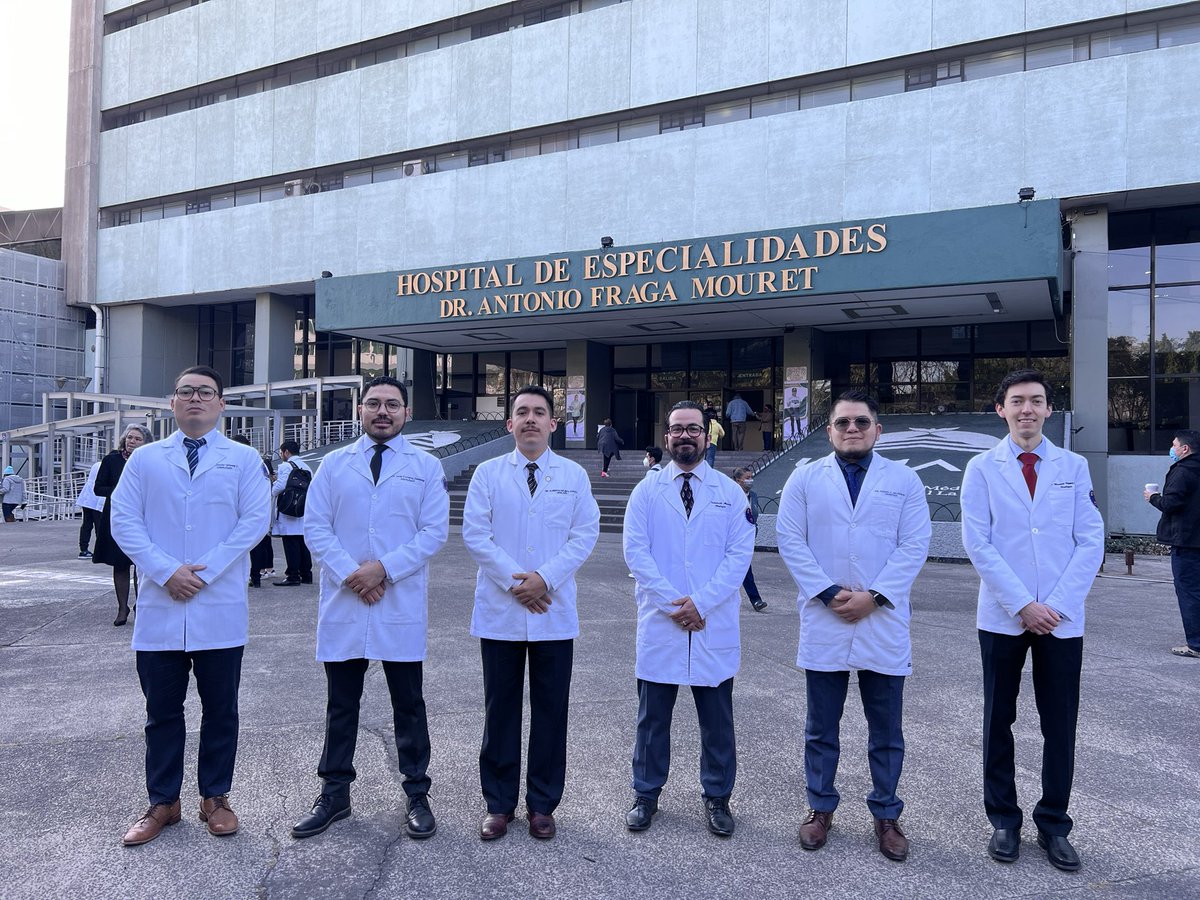
Congratulations to the newest generation of residents completing their specialty training at our hospital! 🎉
Dedication, hard work, and commitment to excellence are truly commendable
Wishing you all continued success as you embark on the next chapter of your medical journey
🫡
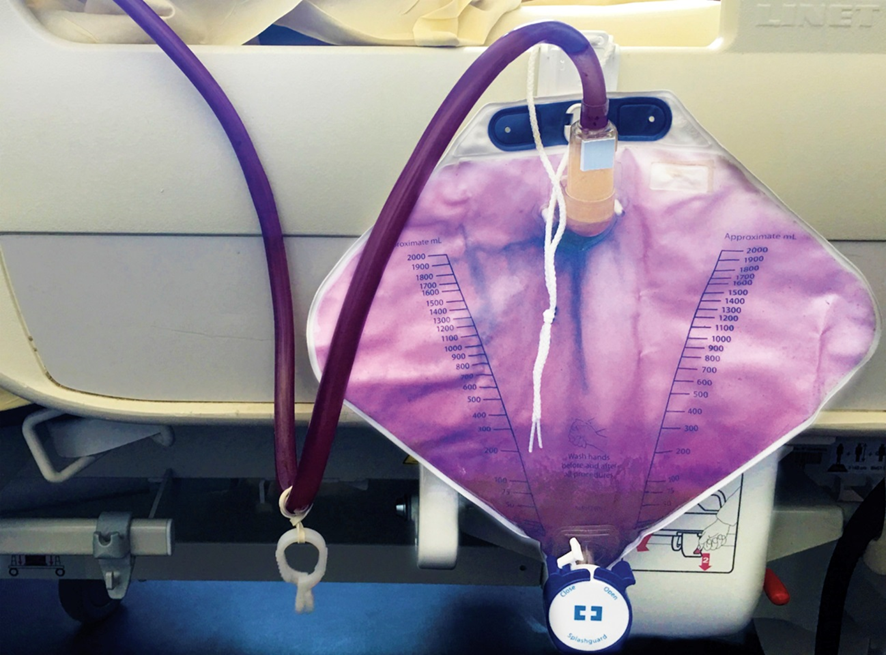
70 años♀️ con catéter urinario durante 10 días por accidente cerebrovascular: su orina tenía un color MORADO.
El análisis de orina mostró leucocitos y el pH era 8. ¿Puede hacerlo una bacteria?
1/3
DOI: 10.1056/NEJMicm1905446
#infecciosas#microbiología