Derek Sivers had it right:
“Mastery is the best goal because the rich can’t buy it, the impatient can’t rush it, the privileged can’t inherit it, and nobody can steal it. You can only earn it through hard work. Mastery is the ultimate status.”
Dopamine runs on wanting, not enjoying. That's why the habit keeps calling you long after it stops feeling good. You're not broken. You trained one circuit with years of total devotion. Give that same devotion to something else, and it starts building you instead.
Neuroplasticity works faster under high emotional intensity. If you can resist a craving when it's at its peak, you get a bigger rewiring effect. This is why the hardest moments matter most, they're not setbacks, they're high-voltage opportunities to change.
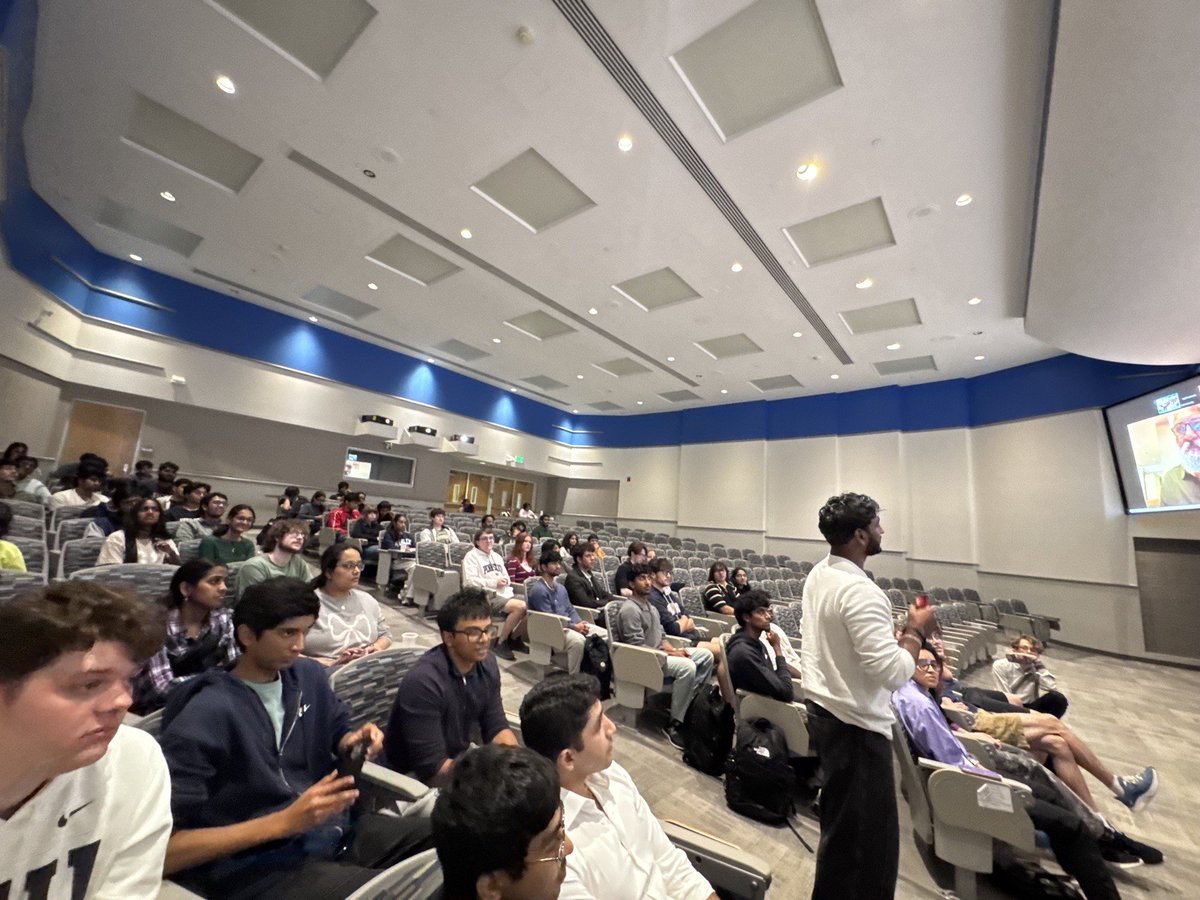
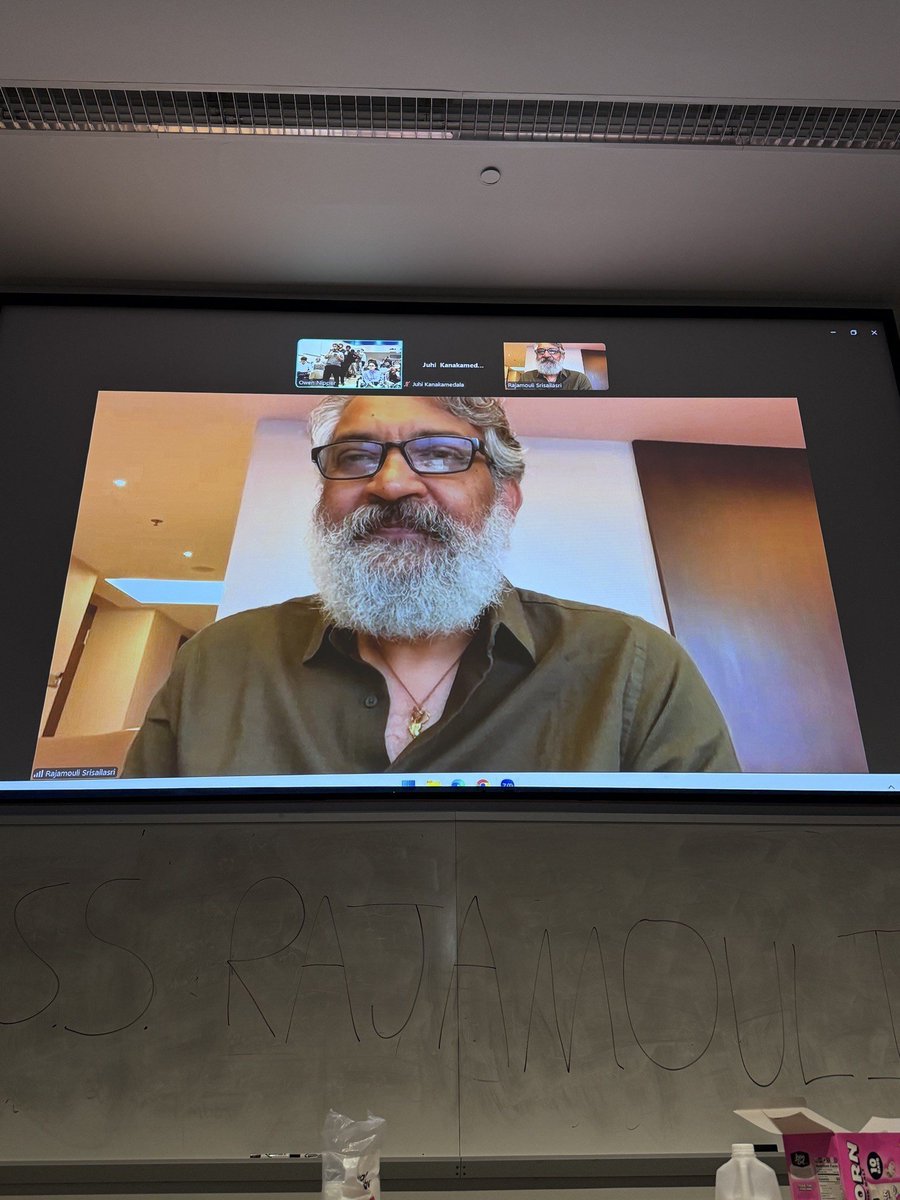
SSR in Conversation with Penn State Filmmaking Students , A student asks him about Mahesh Babu and his upcoming film #Varanasi.
Q: You’ve worked with actors like Prabhas, Jr. NTR and Ram Charan, and after working with you, they went on to become huge stars. But this time, you’re working with Mahesh Babu, who is already a massive superstar. From a filmmaking perspective, does directing an already established star change your approach or make the process different for you?
Rajamouli: I never choose an actor just because he is a superstar. I choose someone who truly fits the character. Once I choose them, I expect them to trust me,
and I’ll guide them to give the performance the character needs.
Yes, Mahesh Babu is a huge superstar. But with Mahesh Babu in Varanasi, I expected him to give 100%, because that’s what I know he is capable of. But once I started working with him, he completely exceeded
my expectations. He went beyond everything I had imagined and gave 200%.
He really nailed the character and surprised me with how much he brought to it. He did much more than I expected, and that made working with him on Varanasi a really special experience.
I have seen intelligent people destroy their careers by never learning to play dumb strategically. And there's game theory behind it: in most high-stakes hierarchies, influence is perceived as a zero-sum game. People want to accumulate it, hold it for themselves, and avoid sharing it whenever possible. If you appear "too intelligent," people see you as a threat. Is this ridiculous behavior? Yes, but it happens anyway. Unfortunately, this can lock you out of important networks. The solution: Let others feel superior for a while and try not to make them look stupid next to you.
Imposter Syndrome - Lack of Confidence
The reason why many of us don't reach the top, despite having all the abiliies. Winning the inner battle first will make external wins easy. @Rahul_Sankrityn is spot on 🎯
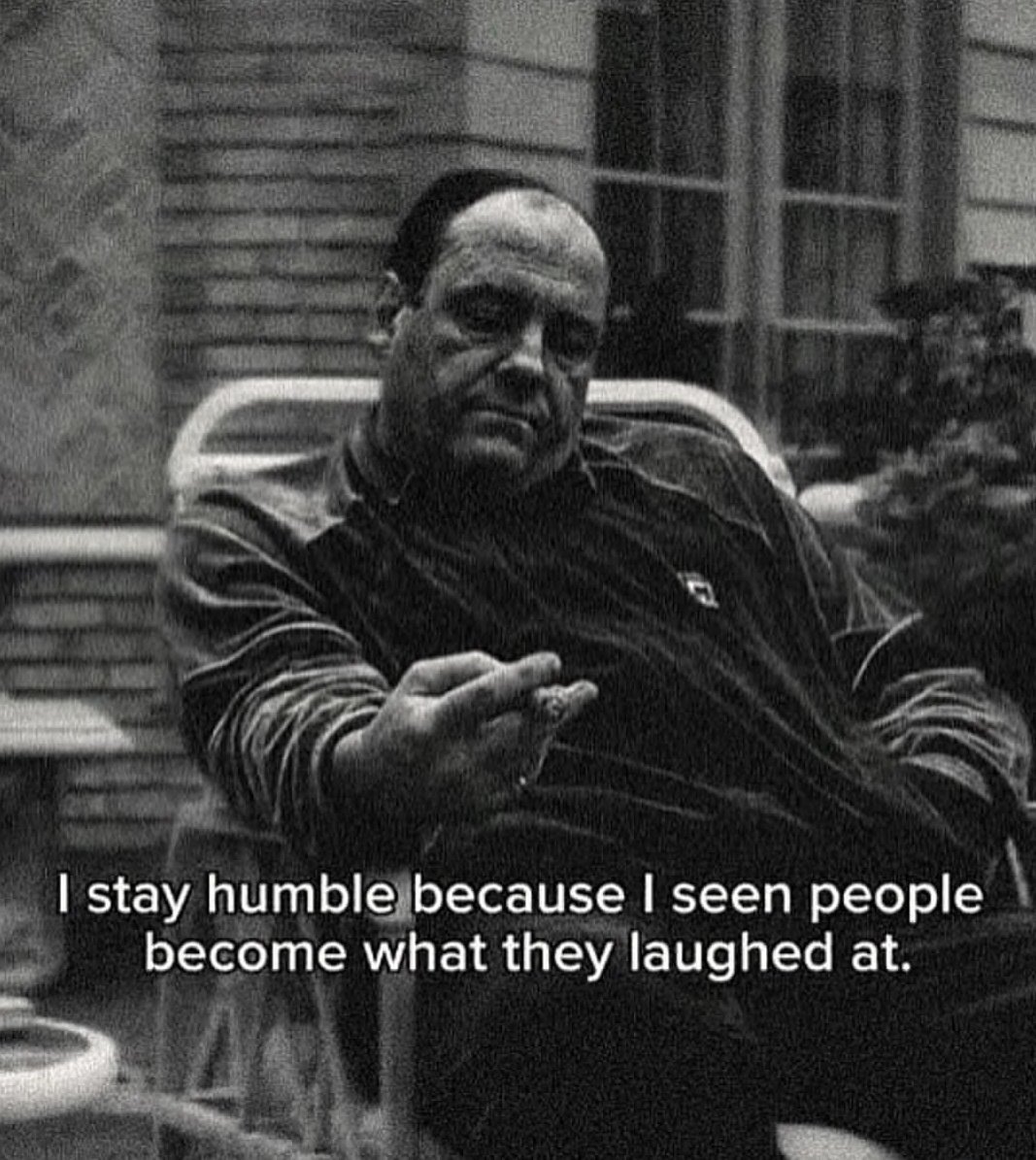
Be confident. Put in relentless effort. Stay humble