166,691 neurons from a dead fruit fly woke up inside the Matrix and learned a maze nobody taught it.
The fly was cut into 66 pieces, 7 electron microscopes scanned them for a year, and AI stitched the slices back into 1 brain this month Cell published the map, every neuron and every wire.
Then someone dropped that wiring into a 9x9 green maze with walls, a smell and a drop of sugar in the far corner.
Trial 1: 61.7 seconds, 5 dead ends, 49 cells walked.
Trial 12: 9.7 seconds, 0 dead ends, 27 cells.
6.4x faster, and nobody coded the route.
Here's the loop, every 15 ms:
Eyes and antennae turn walls and smell into 2.25M spikes a second.
Steering neurons DNa01 and DNa02 turn the body while 6 legs walk in a tripod gait.
Sugar hits and PAM dopamine cells fire: this way
Wall hits and PPL1 fires: dead end.
Deep in the mushroom body, the wires between Kenyon cells and output neurons shift, down 41% by trial 12.
Nobody made that trick up for the demo real flies learn the same way: 1 sip of sugar paired with 1 smell, and they remember it for days.
The run in this clip is an illustration, but the wiring is real.
A fly brain is the size of a poppy seed, a mouse has roughly 420x more neurons, a human 516,000x more.
Nobody taught the fly dopamine did.
استُغرق 33 عامًا من العمل البشري لرسم خريطة لدماغ أصغر من بذرة الخشخاش.
هذا هو الدماغ بكامله، بكافة نيوتروناته البالغ عددها 139,255 خلية عصبية.
تُم تشريح أنثى ذبابة فاكهة واحدة إلى 7,050 طبقة، كل طبقة منها أرق من الفيروس، ثم صُوّرت في 21 مليون صورة.
تتبع الذكاء الاصطناعي الخلايا، وفحص البشر كل سلك يدويًا: علماء، وططلاب، ولاعبون يضغطون للتسلية.
الخريطة النهائية:
139,255 خلية عصبية
54.5 مليون تشابك عصبي
8,453 نوعًا من الخلايا
150 مترًا من الأسلاك الملتفة في نقطة واحدة
لم يسبق لأحد أن رسم خريطة لدماغ بالغ كامل من قبل، لا لفأر ولا لإنسان. كانت الذبابة هي الأولى.
في سبتمبر 2026، أصدر معهد جانيليا وجوجل الذكر، بـ 166,700 خلية عصبية تم رسم خريطتها من الدماغ إلى الأرجل عبر رقبة سليمة.
وبعد أسبوعين، شغّل الإنترنيت الذبابة:
لعبت لعبة "دوم" (Doom)
قادت طائرة درون محاكاة دون تدريب سابق
هبطت بصاروخ محاكاة 60 مرة من أصل 80
كتبت منشورات على لينكد إن (LinkedIn)
لكن الخريطة تُظهر فقط مسار الأسلاك، وليس قوة كل منها. لا تحتوي على جهود كهربائية ولا توقيتات، تمامًا كخطط دارة كهربائية دون قيم مبيّنة عليها.
لا أحد يعلم بماذا تفكر الذبابة، ومع ذلك فهي تنشر على لينكد إن.
استغرق الأمر 33 سنة-رجل لرسم خريطة لذبابة واحدة، ورأسك يحوي 617,000 منها.
"Do you even talk to real people anymore?"
Actually, human connection matters more than ever (AI just filtered out the noise).
The true magic of AI is breaking past our old limitations. Because of it, I'm now doing things I only dreamed of:
Coding my own apps (instead of relying on others)
Writing books in English (instead of just my native language)
Crafting fiction (instead of just non-fiction)
AI opened the cage. The only question is: where do you want to fly?
It's been over a year since we made the animated film The Great Simplification. In that time, the world has continued to track the systems synthesis presented in the movie: humans -combining energy and materials into technology and services, representing it all by money, in order to generate *feelings* that match ancestral drives. In aggregate, this global 'metabolism' -riding the upslope of the carbon pulse- generates growth, plus waste. It has no braking system. It reacts but has no plan. The film offers a framework for the questions of our time ==>A species level conversation. 32 minutes
5/6 עד כמה ה-AI הפיזיקלי הזה באמת מדויק?
בסרטון כאן רואים השוואה, למעלה המדידה האמיתית מה-MRI (Measured), למטה החיזוי של ה-AI (Predicted).
ההתאמה ברמת הפיקסל כמעט מושלמת. הפיזיקה והבינה המלאכותית עובדות בסנכרון מלא.
Feeling is the secret, Neville Goddard wrote a whole book by that name in 1944, and the title is the entire teaching.
Your life is not built by your circumstances, your effort, your luck, or even your thoughts in the ordinary sense, it is built by what you feel as true about yourself.
Your subconscious does not understand sentences the way your conscious mind does, it does not weigh arguments or check for logic, it takes whatever you feel as already true and accepts it as instruction.
Then it arranges your behavior, your attention, your choices, the people you meet, the opportunities you notice, and the moods you wake up in, all around that one felt instruction.
The only language the subconscious reads fluently is feeling.
This is why you can repeat affirmations for years and have nothing happen, the words go in flat with no feeling underneath them and the subconscious files them as noise.
Meanwhile someone walking around feeling in their body that they are already wealthy, already loved, already healthy, shifts their entire life without ever announcing what they are doing, because they are speaking the actual language of the layer that runs the show.
Neville's technique flows straight from this, you pick the version of you that you want to be, you find one short scene that would only be true if you were already that person, and you enter that scene from inside the new self, not watching it from outside like a movie, but feeling the weight of the chair the new you sits in, hearing the voice the new you uses, feeling the calm in the new you's body, the small physical signature of someone for whom the goal is already finished business.
The scene does not need to be long, it needs to be sensory and felt, he called it living in the wish fulfilled.
The reason it works is that the subconscious does not separate vividly felt experience from real experience, both get filed in the same drawer as memory.
Once enough of the new memory is in place your behavior reorganizes around it, you stop acting like the person chasing the thing because something inside you now feels like the person who already has it, and that person makes completely different choices.
The timing matters too, Neville said the strongest window to impress feeling on the subconscious is the drowsy state right before sleep, when the critical conscious mind is offline and whatever you feel as true slips past the guard.
He told people to enter their scene in that state every night and fall asleep inside the feeling, because whatever you fall asleep feeling, you program yourself with for the next eight hours of unconscious work.
The trap most people fall into is wanting, because wanting is actually a feeling of lack, the more you want something the more your subconscious receives the signal "I do not have this" and arranges your life to keep matching that signal.
The correction is to stop wanting and start assuming, to shift from "I hope this comes" to "this is already the case, I am just waiting for the outside to catch up," and that assumed state has a completely different feeling underneath it, calm, settled, almost bored with the matter.
That is the feeling that actually programs the result, because the felt sense of who you already are is the single most powerful instruction your subconscious ever receives, and your life is just the long, faithful answer to that instruction.
There is a certain type of person everywhere now, especially online.
He consumes endless information every day: philosophy, psychology, productivity, spirituality, neuroscience, business, self-improvement, history.
He knows a little about everything and deeply experiences almost nothing.
His entire identity becomes built around understanding instead of living.
He watches videos about confidence instead of speaking confidently. Reads about discipline instead of becoming disciplined. Studies relationships instead of learning how to love. Consumes motivational content instead of taking action.
He feels intelligent because he is constantly mentally stimulated. But stimulation is not transformation.
Most of the time, knowledge becomes emotional protection. Reality is unpredictable. Reality humiliates. Reality exposes weakness. Books and ideas do not.
Inside information, he can continue imagining himself as intelligent, deep, insightful, different from ordinary people. So he remains trapped in preparation.
He constantly feels as if he is "becoming" someone, while his real life remains strangely untouched. He develops sophisticated language for problems he never confronts directly. He can explain human behavior beautifully while being unable to handle ordinary discomfort, rejection, uncertainty, loneliness, or risk.
He slowly turns life into observation instead of participation.
The internet rewards this personality heavily. He receives validation for sounding aware rather than becoming capable.
Eventually, he begins confusing self-analysis with growth and information with wisdom.
But beneath the intelligence usually exists the same thing: fear. Fear of failure. Fear of embarrassment. Fear of reality answering back.
Because action destroys fantasy. The moment he truly acts, he can no longer hide inside potential.
נשים הן משקיעות טובות יותר בשוק ההון מאשר גברים. מעבר לניסיון האישי שלי בעניין, המסקנה הזו נמצאה במחקר של ברד בארבר וטרנס אודין (Odean & Barber) מאוניברסיטת קליפורני��.
הסיבה שבגללה נשים משקיעות *פחות* מגברים (בפער) זה %100 בגלל הבנייה חברתית שעוברת מדור לדור. ילדה רואה בבית שרק אבא מתעסק בכסף, ומסיקה שככה העולם עובד.
נשים שמנהלות את כספן לרוב לא יעידו על התצה של תקרת זכוכית - הן יעידו שזה פשוט מה שראו בבית (אמא שהיא "על זה").
אז אם חשבת עד היום שכסף והשקעות זה משהו "של גברים", ואם שמעת על "השקעות לעצלנים" ואפילו שמעת שהוא כתוב בלשון שווה, אבל זה הרגיש לך "לעצלנים" (שאינם עצלניות), אז עכשיו כבר באמת אין לך תירוצים.
אם אגיע עד מחר ל-100 מכירות של הספר הזה, אתרום את כל הרווחים לעמותת "רו�� נשית" שמסייעת לנשים שיצאו ממעגל האלימות על ידי חינוך פיננסי ופיתוח עצמאות כלכלית.
"השקעות לעצלנים" נמכר, לדברי מחברו, ב-200 אלף עותקים והפך עבור ישראלים רבים לשער הכניסה הראשון לשוק ההון.
דווקא משום כך מפתיע שכמעט לא ניתן למצוא ברשת ביקורת עומק אנליטית על הספר.
אז כתבתי אחת.
פוסט חדש בבלוג.
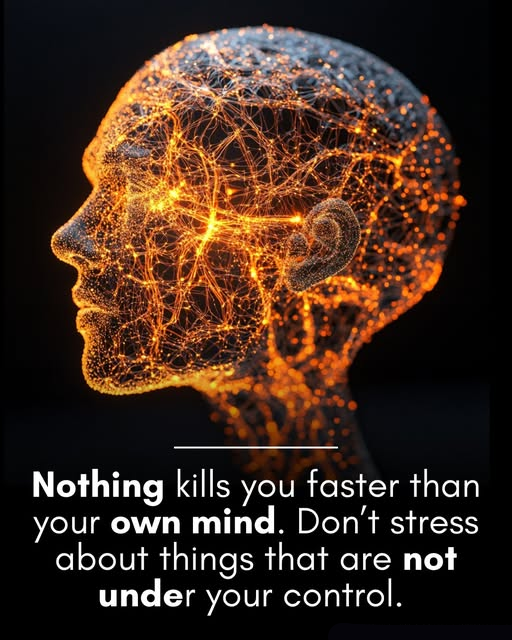
Nothing kills you faster than chronic worry.
When you stay trapped in constant anxiety over things you can’t change, you’re not just losing your peace of mind—you’re quietly injuring your physical health.
Persistent worry keeps your stress-response system permanently switched on, flooding your body with cortisol and adrenaline. Over time, this chronic activation grinds down essential systems: it suppresses immune function, leaving you more prone to infections and possibly even cancer; it drives up blood pressure and hardens arteries, sharply raising the odds of heart attack and stroke.
The fallout continues. Excess cortisol throws digestion into chaos, sparks frequent headaches, and locks muscles in painful tension. On top of that, many people cope by overeating, smoking, or drinking—habits that pile on even more damage.
Letting go of what’s beyond your control isn’t just good emotional advice; it’s one of the most powerful things you can do to protect your long-term health.
[American Psychological Association. (2023). Stress effects on the body]
A brain measurement shows why I’m weird.
And why I love my haters.
This brain MRI reveals personality traits.
Here's what my report shows and my worst brain marker. 🧵