MSK health is essential for a healthy, productive life. On #WorldArthritisDay, we are advocating for more collaboration health and social care to prevent and manage MSK conditions more effectively. #WAD#JoinedUpForJoints@WeAreARMA
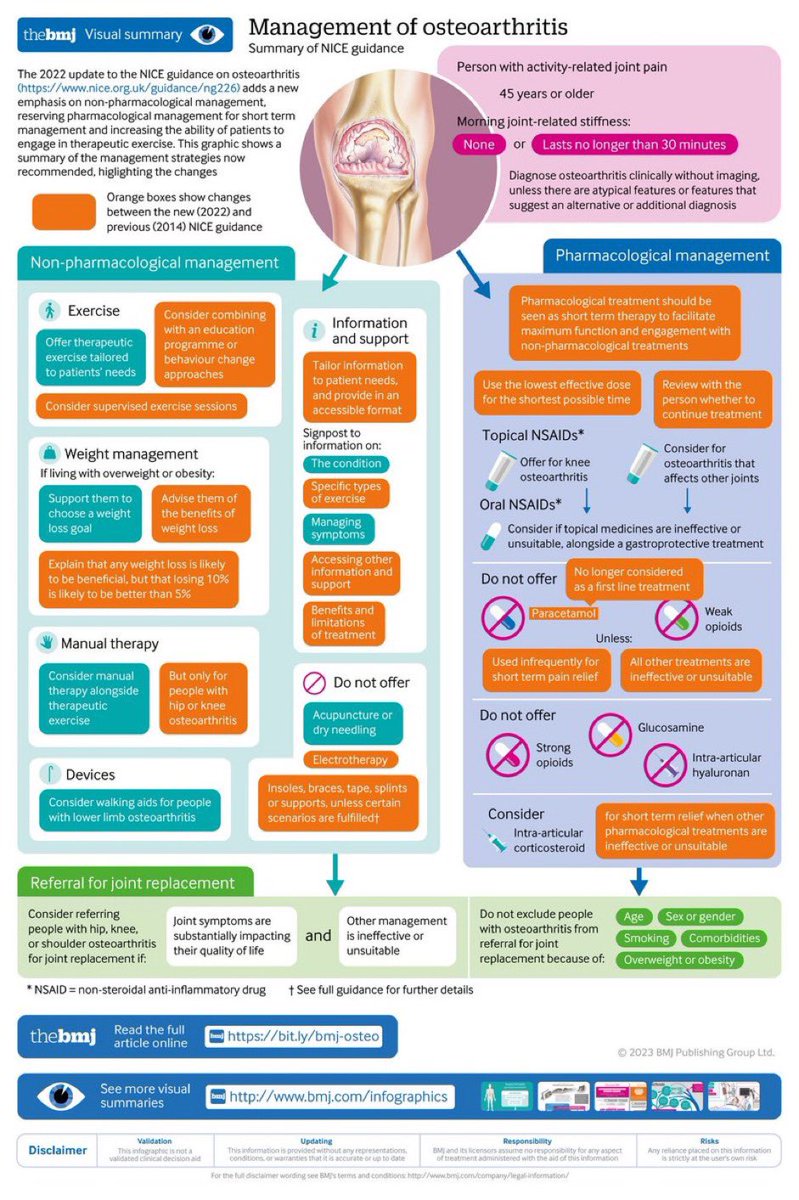
Summary of the NICE clinical practice guidelines on the diagnosis and management of osteoarthritis (OA) 📋
Here is the link to the infographic, as well as and a more detailed summary of guidelines recommendations 👇
https://t.co/EgRHfCcmXG
Shoulder Osteoarthritis: When scanning patients with OA, you are likely to see effusion between coracoid process and lesser tuberosity of humerus. Its a common finding when shoulder OA is moderate to severe and the capsule of shoulder is disintegrated. #msk#ultrasound#shoulder
👀High certainty evidence alert ✅
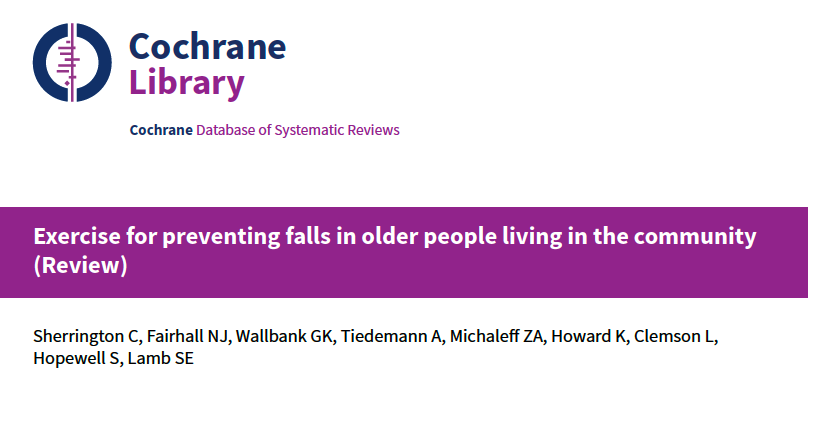
Exercise therapy reduces the rate of falls & the number of people experiencing falls in older individuals living in the community
Focus on a combination of #balance#functional & #resistance exercises
#exercisetherapy
https://t.co/ihGOmI5Yib
I have been a sports journalist for over 14 years. And I have covered (no pun intended) hijab bans, uniform accommodations and the policing of women's bodies in sports. These stories matter and always have.
Are you a poor student who wants to get out of poverty? Here’s one way to do it:
1. Pick Something You Like:
Think of something you like doing even if nobody paid you. It could be anything: writing or welding, coding or carpentry. And you don’t have to be good at it (yet).
You just have to like it enough to do it every day. This may need a bit of soul-searching.
Read what others have done before you, then start doing it yourself. But don’t use reading to procrastinate.
2. Learn about Digital Leverage:
Traditionally, if I wanted to do any job, I needed someone to hire me. You need someone to give you the permission to do X, Y, or Z for which you will then get paid.
To build digital leverage you don’t need anyone’s permission.
If I want to teach at a university, I need the university to hire me. But if I want to teach on a social media platform like Twitter or YouTube, I don’t need anyone’s permission.
3. Pick a Social Media Platform:
If you think you can express yourself better through writing, go with Twitter, LinkedIn, or Facebook. If you are good in front of the camera, go with YouTube or TikTok.
The platform doesn’t matter (yet). What matters is your willingness to put yourself out there.
4. Share Your Learning Process:
Now that you have figured out what you like doing and the platform you are comfortable on, share your learning process with others.
If you like writing, share how you take notes or write a first draft. If you like gardening, share how and why a certain plant grows in a certain environment.
Focus on the process, not the product. Explain the process as if you are talking to a five-year-old without sounding patronizing.
5. Be Consistent:
Figure out a schedule you can stick to — create a video every week or write a post every other day. Consistency creates predictability creates reliability.
Don't wait for inspiration. Get to work. "Inspiration exist," Picaso said, "but it has to find you working."
6. Start Teaching:
Sooner or later, people will notice you and a community will gather around your work. People will see you are good at explaining a certain process.
Some people will ask you to help them learn the same process. Learn about value-based pricing to figure out your hourly rate and start teaching them.
7. Create a Digital Product:
Once you have taught a certain process a few times, you will figure out the best practices and tools for doing things.
For example, if someone likes editing videos, they can tell you of the top of their head about the best video editing software.
Create a course, tutorial, workshop based on your best practices. Figure out a price and start selling it. If you sell a $50 course to 1,000 people in a year, you will make $50,000. That’s the yearly salary of an assistant professor.
8. Cultivate an Abundance Mindset:
Some people think there are limited resources in the world and if person A has something, person B can’t have the same thing. We can only have so many slices of the pie. This is scarcity mindset.
People with abundance mindset think they can increase the size of the pie so everyone can eat.
If you are making money, you are not doing so at someone's expense. This will help you not get envious of others.
9. Get a Day Job:
Building digital leverage needs time. A day job will ensure a small but steady income while you build digital leverage.
Try to make sure your day job is not so soul crushing that it sucks up all your energy.
Use your earnings to buy a decent laptop, a smartphone, and a stable internet connection.
10. Surround Yourself with Supporting People:
As soon as you start creating content on social media, you will find a group of people that supports you.
Another group will say snarky and mean things about you. Don’t try to convince them of anything. They are angry and bitter and nothing you can say will ever persuade them. It’s a lost battle.
Instead, focus on the first group. Preach to the converted. It’s both rewarding and profitable.
Final words:
These tips will not make you rich but if you follow them, you can certainly get out of poverty.
The above points are more about creating a long-term strategy and not the day-to-day tactics of building digital leverage.
If you want to read about tactics, please comment below with what you want to learn and I will do a post about it.
Good luck!
‘A guide to starting out in clinical academic research’ https://t.co/nmopwdhLCN
With a grant from UKRI, @HSciences@unisouthampton@arc_wessex produced a series of 10 free, short films offering advice & tips on engaging in research /pursuing a clinical academic career.
@thecsp The government successfully managed the top bosses of CSP. This is the first sign. Our CSP sells us out. Who will stand for this undervalued deal? Bosses are always in 100K Club and planning for the next job in ...
In low active knee or hip OA patients, a third of patients participating in GLA:D reached and maintained at least a moderate physical activity level for 1 year. The improvement in physical activity was not dependent on pain reduction.