43 years ago Today, promising a “Free Unix”, Richard Stallman announced that he was going to write a complete Unix-compatible software system he called GNU (which stands for Gnu’s Not Unix).
A significant milestone in the history of open source and free software.
Software horror: litellm PyPI supply chain attack.
Simple `pip install litellm` was enough to exfiltrate SSH keys, AWS/GCP/Azure creds, Kubernetes configs, git credentials, env vars (all your API keys), shell history, crypto wallets, SSL private keys, CI/CD secrets, database passwords.
LiteLLM itself has 97 million downloads per month which is already terrible, but much worse, the contagion spreads to any project that depends on litellm. For example, if you did `pip install dspy` (which depended on litellm>=1.64.0), you'd also be pwnd. Same for any other large project that depended on litellm.
Afaict the poisoned version was up for only less than ~1 hour. The attack had a bug which led to its discovery - Callum McMahon was using an MCP plugin inside Cursor that pulled in litellm as a transitive dependency. When litellm 1.82.8 installed, their machine ran out of RAM and crashed. So if the attacker didn't vibe code this attack it could have been undetected for many days or weeks.
Supply chain attacks like this are basically the scariest thing imaginable in modern software. Every time you install any depedency you could be pulling in a poisoned package anywhere deep inside its entire depedency tree. This is especially risky with large projects that might have lots and lots of dependencies. The credentials that do get stolen in each attack can then be used to take over more accounts and compromise more packages.
Classical software engineering would have you believe that dependencies are good (we're building pyramids from bricks), but imo this has to be re-evaluated, and it's why I've been so growingly averse to them, preferring to use LLMs to "yoink" functionality when it's simple enough and possible.
🚨 On July 23, the White House released America’s AI Action Plan—a mandate, not a memo. It calls for AI incident response & workforce readiness.
SANS tracked 2 years of industry signals to map 10 emerging AI cyber roles critical to national defense.
🔗 https://t.co/x2Q68Ms6Y4
#AISecurity #SANSInstitute #AIActionPlan #WorkforceDevelopment
Today, we're announcing plans to make VS Code an open source AI editor.
We believe AI development should stay true to VS Code's core principles: open, collaborative, and community-driven. Let's build the future of software development together.
https://t.co/C3ffio6X88
A couple reflections on the quantum computing breakthrough we just announced...
Most of us grew up learning there are three main types of matter that matter: solid, liquid, and gas. Today, that changed.
After a nearly 20 year pursuit, we’ve created an entirely new state of matter, unlocked by a new class of materials, topoconductors, that enable a fundamental leap in computing.
It powers Majorana 1, the first quantum processing unit built on a topological core.
We believe this breakthrough will allow us to create a truly meaningful quantum computer not in decades, as some have predicted, but in years.
The qubits created with topoconductors are faster, more reliable, and smaller.
They are 1/100th of a millimeter, meaning we now have a clear path to a million-qubit processor.
Imagine a chip that can fit in the palm of your hand yet is capable of solving problems that even all the computers on Earth today combined could not!
Sometimes researchers have to work on things for decades to make progress possible.
It takes patience and persistence to have big impact in the world.
And I am glad we get the opportunity to do just that at Microsoft.
This is our focus: When productivity rises, economies grow faster, benefiting every sector and every corner of the globe.
It’s not about hyping tech; it’s about building technology that truly serves the world.
Introducing Willow, our new state-of-the-art quantum computing chip with a breakthrough that can reduce errors exponentially as we scale up using more qubits, cracking a 30-year challenge in the field. In benchmark tests, Willow solved a standard computation in <5 mins that would take a leading supercomputer over 10^25 years, far beyond the age of the universe(!).
LinkedIn is now using everyone's content to train their AI tool -- they just auto opted everyone in.
I recommend opting out now (AND that orgs put an end to auto opt-in, it's not cool)
Opt out steps: Settings and Privacy > Data Privacy > Data for Generative AI Improvement (OFF)
The untold history of web development:
1990: HTML invented
1994: CSS invented to fix HTML
1995: JS invented to fix HTML/CSS
2006: jQuery invented to fix JS
2010: AngularJS invented to fix jQuery
2013: React invented to fix AngularJS
2014: Vue invented to fix React & Angular
2016: Angular 2 invented to fix AngularJS & React
2019: Svelte 3 invented to fix React, Angular, Vue
2019: React hooks invented to fix React
2020: Vue 3 invented to fix React hooks
2020: Solid invented to fix React, Angular, Svelte, Vue
2020: HTMX 1.0 invented to fix React, Angular, Svelte, Vue, Solid
2021: React suspense invented to fix React, again
2023: Svelte Runes invented to fix Svelte
2024: jQuery still used on 75% of websites
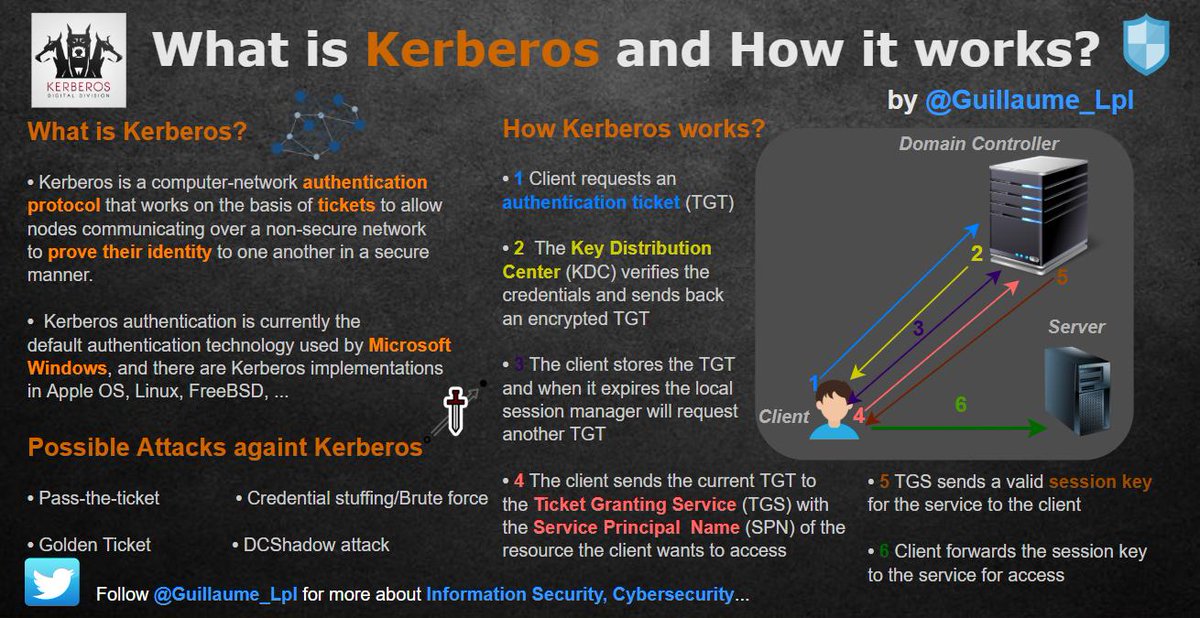
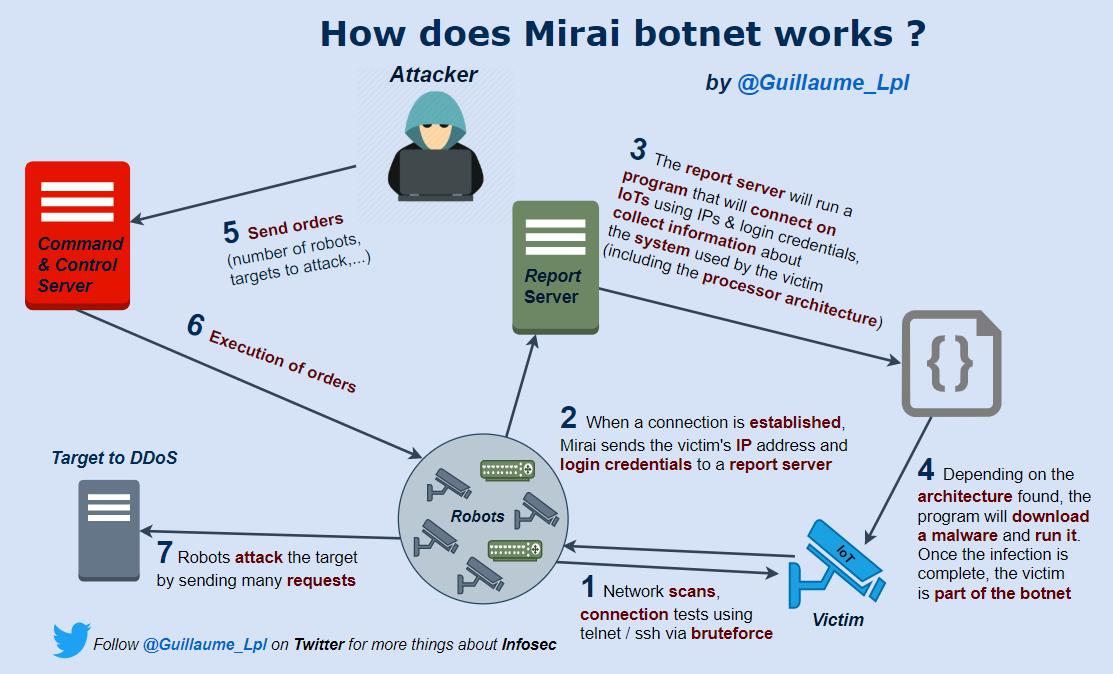
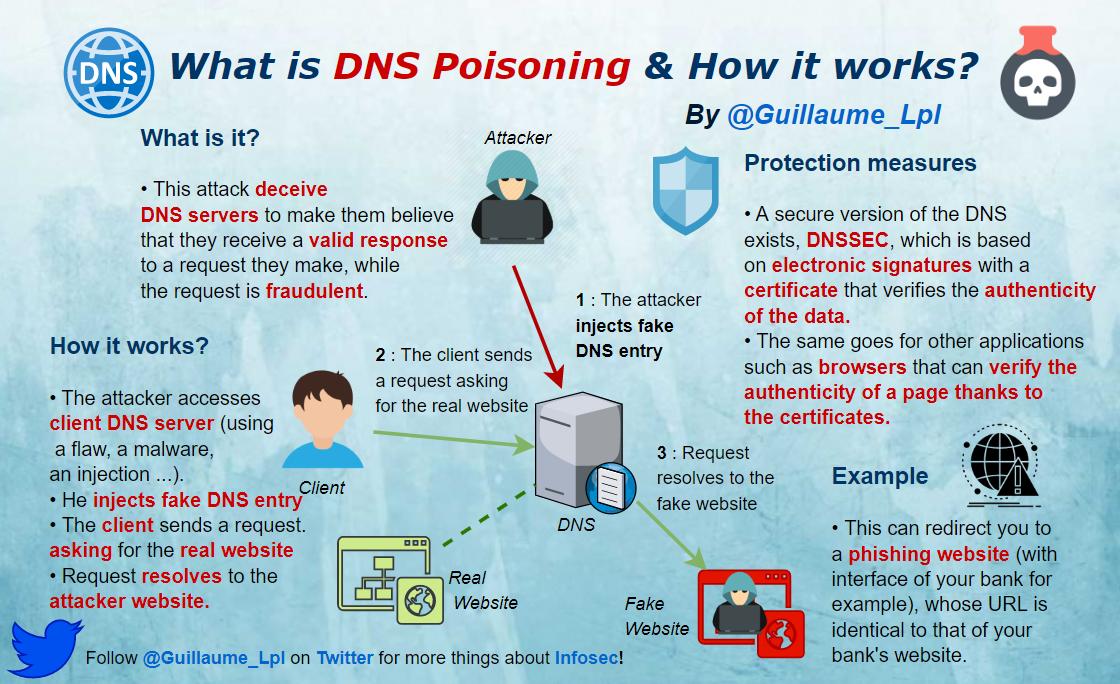
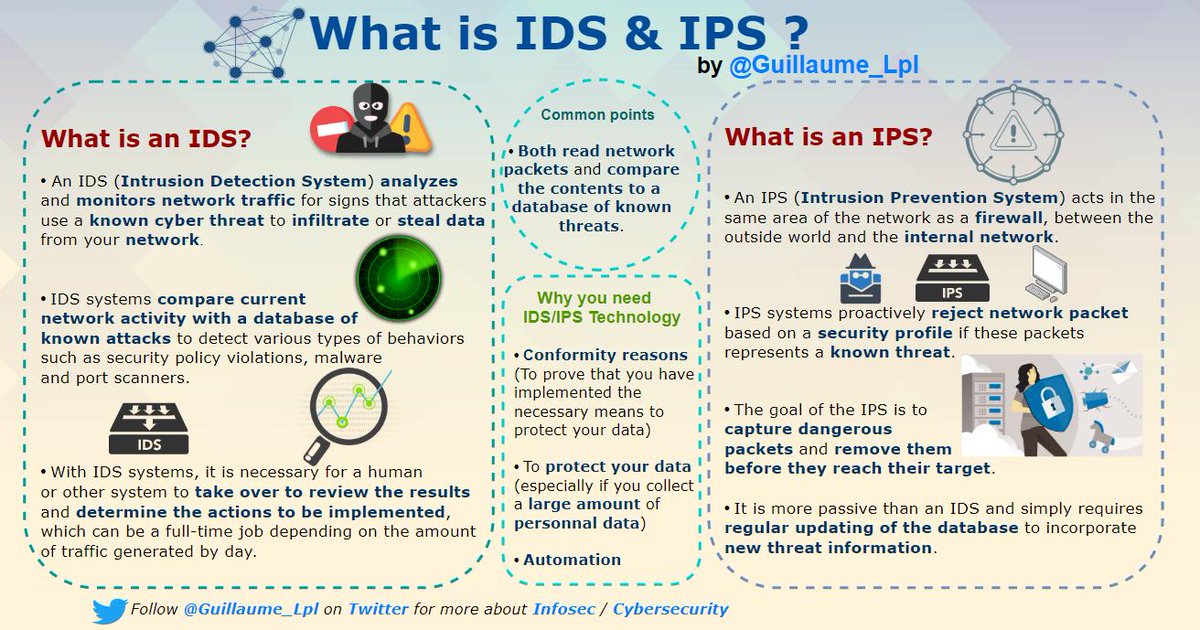
This thread includes all my #infographics so far, they present different terms related to Information Security 🔐
It's an easy way to learn new things 📖 I hope it will be useful to the community. RT appreciated 🌐
Follow me @Guillaume_Lpl for more about #infosec#cybersecurity
What is #WiFi6 (802.11ax) you ask? Great question! Learn everything you need to know about the future of #wireless networking right here! https://t.co/uR1XBhRu1y
🔥 BREAKING — Researchers find several vulnerabilities in the latest #WPA3 WiFi #security protocol that could allow attackers to hack WiFi passwords using password partitioning attacks
Read More https://t.co/p8xta82hWI
-by @Swati_THN