If you’ve been to Sainte-Mère-Église, you've seen the paratrooper on the church steeple. It honors John Steele (82nd Airborne). On D-Day, his parachute got caught. He survived by pretending to be dead for 2 hours before escaping captivity!
See his memorial: https://t.co/8wgqZPo7ZI
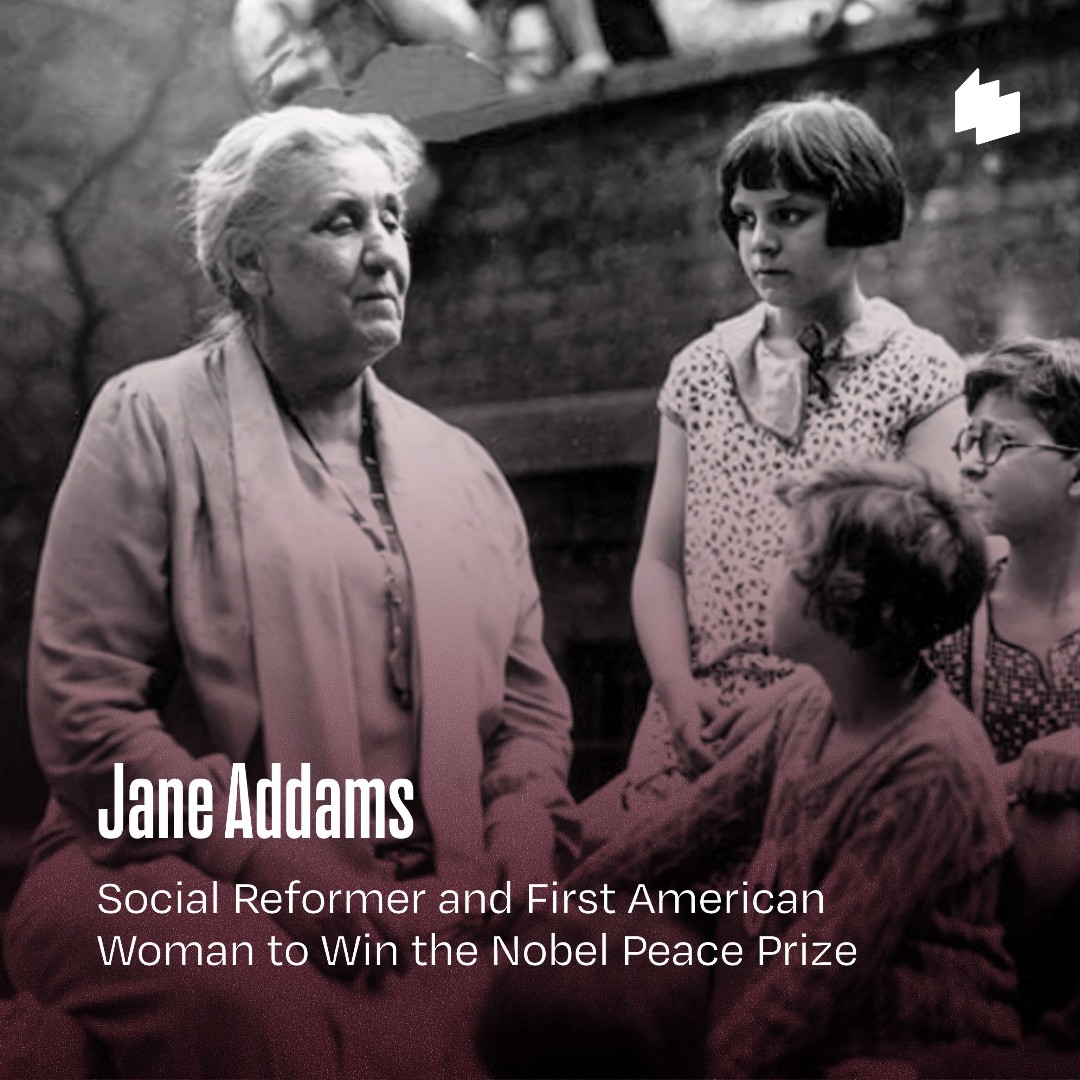
A progressive social reformer, Jane Addams was on the frontline of the settlement house movement in the late 19th & early 20th centuries. She later became internationally respected for the peace activism that made her the first American woman to win a Nobel Peace Prize.
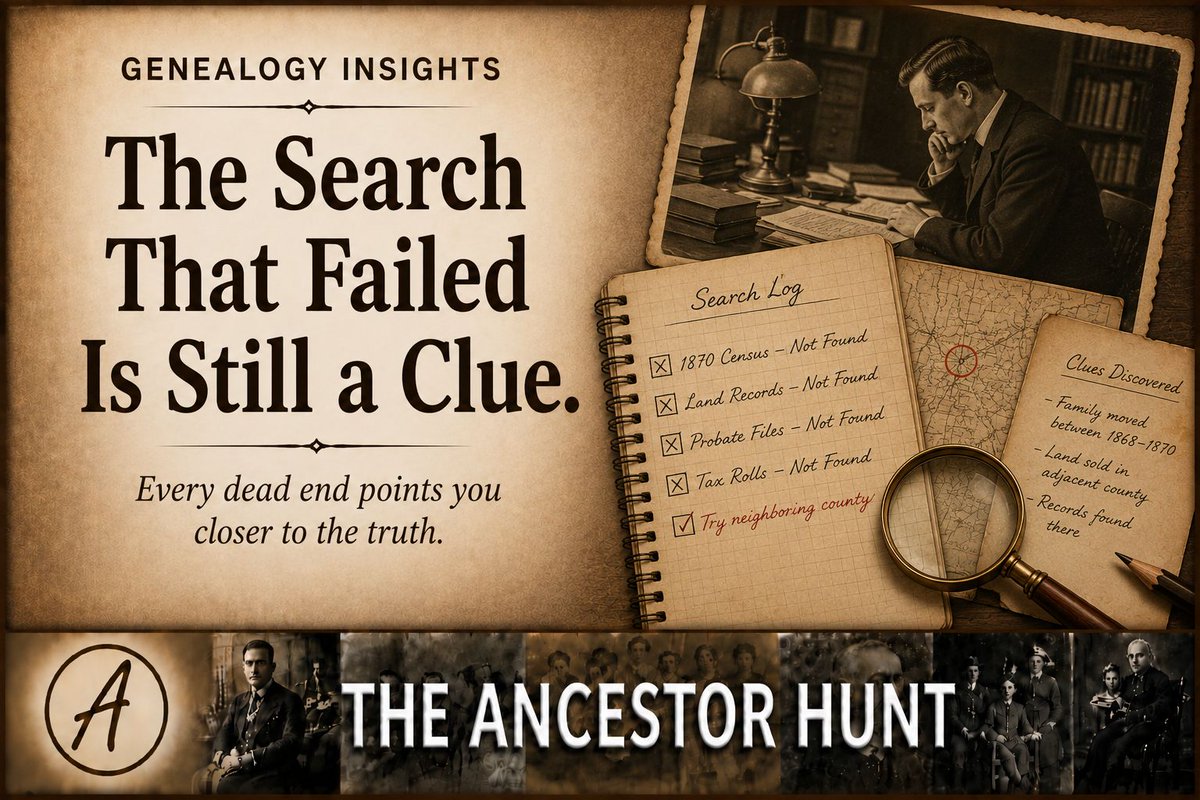
Summer DNA Challenge Series
Week 2: Does Genetics Fit Your Genealogy?
Choose 3 DNA matches with known relationships and compare their shared cM amounts using the Shared cM Project.
Learn about genealogical vs. genetic pedigrees:
https://t.co/ZEGjxvqvuO
#dna#genealogy
Floor mosaic from Rome with the head of Medusa at the centre. Dating to the 1st to 2nd century AD, the mosaic is part of the National Roman Museum Collection, and on display at the Palazzo Massimo alle Terme in Rome. 📷 My own. #MosaicMonday#Rome
84 years ago, Muhammad Ali was born in Louisville. Known simply as “The Greatest,” Ali won six Golden Gloves tournaments in Kentucky, became a gold medalist at the 1960 Olympics, and held the title of world heavyweight champion three separate times.
#76for250#America250KY
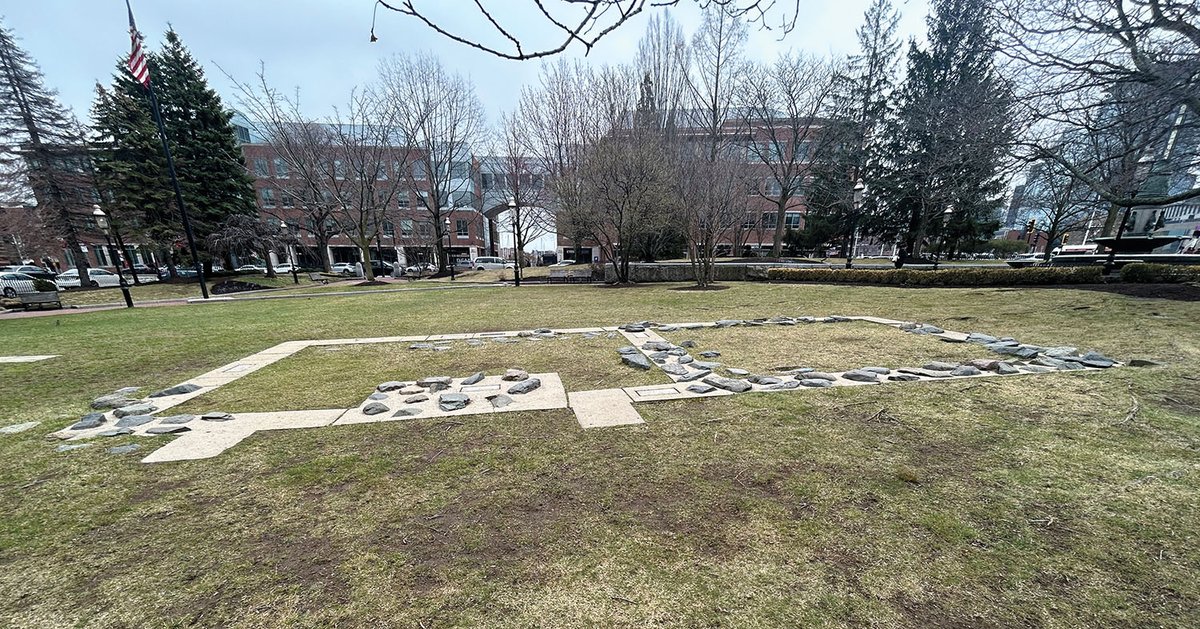
American schoolkids are taught about the Battle of Bunker Hill, but less known is that the British razed the nearby city of Charlestown in its aftermath. Boston archaeologists are now discovering the surprising lives of the townspeople there in 1775.
https://t.co/VfJf3r7lUW
Event of the Month: My Ancestor was Jewish – A Day to Find Out More
Discover Jewish ancestry through records, DNA, identity, unique collections, and real case studies with expert guidance.
Wharf Road or online
📅 Fri 19 Jun, 10:00 AM
Book now: https://t.co/tZ9YXGIG3G
The Jockey of Artemision is a large Hellenic bronze statue depicting a boy riding a horse, dating back to around 150-140 BC. The statue was recovered in pieces from an ancient shipwreck off Cape Artemision, Greece...
It is a rare surviving true bronze statue from ancient Greece, a rare example of a racehorse in Greek sculpture. Most ancient bronzes have disappeared because they were melted down to reuse their raw materials sometime after creation. This one was saved from destruction only because it was lost in a shipwreck in antiquity, before being discovered and recovered in 1926.
It may have been dedicated to the gods by a wealthy person to honor victories in horse racing, probably in the single-horse race.
National Archaeological Museum, Athens 🇬🇷
#archaeohistories
7 June 1753: The #British Museum is established by an Act of Parliament after King George II gave his Royal Assent. Sir Hans Sloane had bequeathed his collection to the king for £20,000. #History#museum#otd#ad https://t.co/4JzCAOT12x
Dear ancient sites enthusiasts of the North East, I'll be at Darlington Library on Tuesday 16th June at the @CrossingtheTees festival, talking about my favourite prehistoric places across the UK. Tea + coffee provided or bring a tipple of your choice!
31 May 1578: The #Catacombs of Rome are accidentally found. In 1593, 18 year-old Antonio Bosio began a lifetime exploring them and meticulously recorded his findings. As late as 1959, #Italian authorities were finding more catacombs near Rome. #History#OTD#ad https://t.co/RTZki1Lneu
It ranks among the worst bloopers that can befall a human in everyday life: dropping something in the toilet. A medieval German writer fumbled a beautiful notebook into a latrine around 700 years ago and did not have the heart—or reach—to save it.
https://t.co/my2hOSMFeX