Mark Zuckerberg's 7-year-old daughter told him she wanted to be Taylor Swift when she grew up. He looked at her and said you can't, that's not available to you.
Sounds brutal for a dad to say. But Zuckerberg built a $1.4 trillion company on the exact impulse he just shut down in his own kid, and he understands that impulse better than anyone alive.
There's a French philosopher buried in this story.
René Girard taught at Stanford, and his big idea was that desire is borrowed. You don't independently decide to want a Birkin bag or a corner office or a pop star's life. You see someone else wanting it, and you catch the wanting like a cold. He called it mimetic desire.
One of his students was Peter Thiel. In 2004, Thiel wrote Facebook's first outside check, $500K for about 10% of the company, and he has said Girard is a big part of why he saw the bet. A website where millions of people watch each other's lives is a machine for showing you what everyone else wants. The theory said it would be irresistible. That $500K turned into more than a billion dollars.
Every feature since runs on the same engine. Likes show you what others approve of. Followers show you who others watch. The feed is a 24/7 broadcast of other people's wants.
So when a 7 year old comes home from a concert saying she wants to be Taylor Swift, Zuckerberg isn't hearing a cute dream. He's hearing the force he's monetized for twenty years, pointed at his own kid.
And his answer was the one move Girard said actually breaks the loop. Stop copying the model. Become the model. His daughter thought about it and decided she wants people to want to be like August Chan Zuckerberg instead.
He sells the itch to be someone else to more than 3 billion people a day. The one person he coached out of it was his daughter.
Peter Thiel on how you should think about your future:
"What you end up doing when you think of the future as indefinite is you pick a job that you think will look good on your resume, because it will lead to a different job later on. There's even a credentialing version where you go to grad school, you get a consulting job, and you think of it as this branching tree diagram where you never really do something that you want to do.
You can think of the future on three horizons. Very short-term is: are you going to be happy, and will you be learning a lot? Medium-term is: how good is it on your resume? And very long-term is: are you working on something important or meaningful? We're in a skewed world where we overweight the medium-term and underweight some combination of the short-term and the long-term. I would recalibrate to focus on the short-term and the long-term, and forget about the medium-term."
Nobel Prize economist Daron Acemoglu has been doing a series of daily posts about AI. I've found them very useful in thinking about the issues. Worth reading and following, I think.
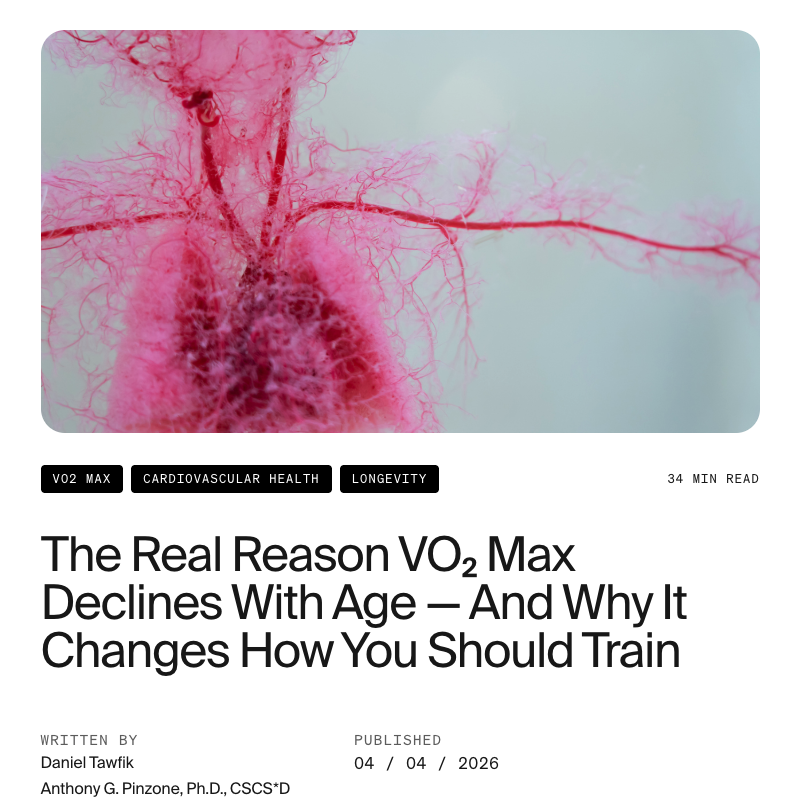
VO2 max drops 46% from age 20 to 70, but cardiac output only falls 31%. The gap between those numbers reveals something unexpected about where aging really happens.
For decades, the dominant explanation for declining aerobic capacity with age centered on the cardiovascular system. Your heart beats slower, pumps less blood per beat, and delivers less oxygen to working muscles. This narrative made intuitive sense and aligned with the most visible changes of aging.
But new research quantifies a different story. The limitation isn't just about oxygen delivery. It's increasingly about what happens after the blood arrives at muscle tissue.
VO2 max represents the maximum rate your body can consume oxygen during all-out exercise. It's one of the strongest predictors of longevity and functional independence as we age. Beginning around age 30, it drops roughly 10% per decade in sedentary people.
The Fick equation breaks down what determines VO2 max:
VO2 max = Cardiac Output × Arteriovenous Oxygen Difference
Cardiac output is how much blood your heart pumps per minute. The arteriovenous oxygen difference, or a-vO2 difference, measures how much oxygen your muscles extract from that blood.
This equation splits the aging story into two parts: central factors (heart and lungs delivering oxygen) and peripheral factors (muscles extracting and using oxygen).
Central limitation comes from declining maximal heart rate, which drops about one beat per minute per year after age 20, and reduced stroke volume as the heart stiffens and large arteries lose elasticity.
Peripheral limitation comes from changes in skeletal muscle itself: mitochondrial density and function, capillary networks that deliver blood to muscle fibers, muscle mass, and the enzymes that drive oxidative metabolism.
The new analysis reveals that by late middle age, nearly half of the limitation on VO2 max originates in the periphery, not the cardiovascular system.
In younger adults, approximately 77% of the total limitation is central and 23% peripheral. Your heart and oxygen delivery system are the primary bottleneck.
In older adults, that shifts to roughly 56% central and 44% peripheral. The muscles are catching up to the heart as a source of failure.
The most striking finding: oxygen extraction capacity falls dramatically with age. Skeletal muscle extracts roughly 80% of delivered oxygen at maximal effort in young adults. By ages 75 to 80, that figure drops to approximately 60%.
That's a 20 percentage point decline in the muscle's ability to use the oxygen the cardiovascular system is still delivering.
Four converging biological processes drive this peripheral decline:
1. Sarcopenia preferentially strips away type II muscle fibers, which are rich in mitochondria and oxidative capacity. You lose not just muscle mass, but specifically the muscle tissue most capable of using oxygen.
2. Mitochondrial density and efficiency decline. Mitochondria become fewer in number, smaller in size, and less effective at converting oxygen into usable energy through ATP production.
3. Capillary rarefaction thins the networks of small blood vessels threading through muscle tissue. Fewer capillaries mean longer distances for oxygen to diffuse from blood to muscle cells, creating a bottleneck at the delivery endpoint.
4. Interstitial changes in the space between capillaries and muscle cells further impair oxygen movement. Changes in tissue structure and composition slow the final step of oxygen's journey into working muscle.
None of these is catastrophic alone. Together, they compound into something substantial that previous research underemphasized by focusing primarily on cardiac decline.
Here's what matters for intervention:
• The peripheral factors driving VO2 max decline (mitochondria, capillaries, oxidative enzymes) remain responsive to training well into later decades of life
• Endurance training produces the most reliable capillary growth: 13.3% increase in capillary density and 15% increase in capillary-to-fiber ratio over 8-10 weeks
• High-intensity interval training (HIIT) delivers comparable mitochondrial gains to endurance training but requires substantially less total time, estimated at 1.7x more time-efficient
• Sprint interval training (SIT) generates the fastest mitochondrial signal per minute of any modality, producing 3-5x greater VO2 max improvement per hour of exercise, though it doesn't significantly increase capillary density
• Meaningful adaptation begins within two weeks. Roughly 13.7% of total mitochondrial gains from an endurance block occur in the first 14 days
• The biological machinery that aging erodes is the same machinery that training can partially rebuild, even in the seventh and eighth decades of life
The practical implication: maintaining VO2 max with age isn't just about keeping your cardiovascular system fit. You need training that specifically targets peripheral adaptations, the cellular machinery inside muscle tissue that extracts and uses oxygen.
That means prioritizing exercise intensity that creates metabolic stress sufficient to trigger mitochondrial remodeling and capillary growth. Moderate-intensity steady-state exercise improves cardiovascular fitness but generates weaker peripheral adaptation signals than high-intensity work.
The framework also explains why training becomes more important, not less, as you age. When you're 25 and 77% of your VO2 max limitation is central, peripheral decline happens quietly in the background. By 65, when peripheral factors account for nearly half the limitation, those quiet changes have accumulated into the primary driver of functional decline.
The decisions made in the fourth and fifth decades of life shape the physiological ceiling of the seventh and eighth. Aerobic aging is a slow, cumulative process affecting multiple systems simultaneously. So is the adaptive response to training.
The most important variable isn't the perfect training modality. It's consistency across the decades during which the oxygen cascade is quietly remodeling in one direction or the other.
All hijackers are stupid but the extra stupid ones try to hijack a plane full of 180 Israelis all of whom have gone through some of the best military training the world has to offer & an Indian pilot who thinks honor and karma are bigger than his own life. Get well soon Capt'n 🫡
⚠️ IF THAT FLYDUBAI PLANE HAD CRASHED…
1️⃣ The Indian pilot would have been blamed instantly.
2️⃣ Racists would have flooded social media with “Indian pilots” narratives before investigators even reached the wreckage.
3️⃣ Pakistani troll accounts would have amplified it, turning a tragedy into another India-bashing opportunity.
4️⃣ AI171 and the Phuket incidents would have been dragged in as evidence of a “pattern of behaviour” of Indian pilots.
5️⃣ Every unrelated Indian aviation incident would suddenly have become part of a narrative about supposedly “unsafe Indian pilots”.
6️⃣ Meanwhile, Oman’s lack of any meaningful history of aviation terrorism would have been used to bolster the India pilot angle.
7️⃣ If Indian pilot Capt Smit hadn’t survived & fought back to save the plane, the world would have got an entirely different story.
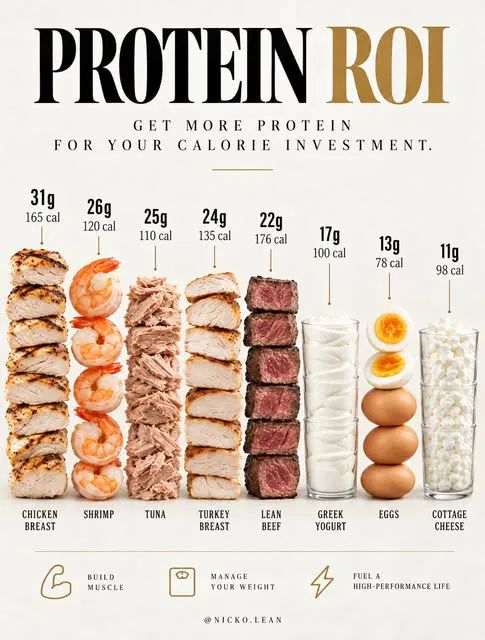
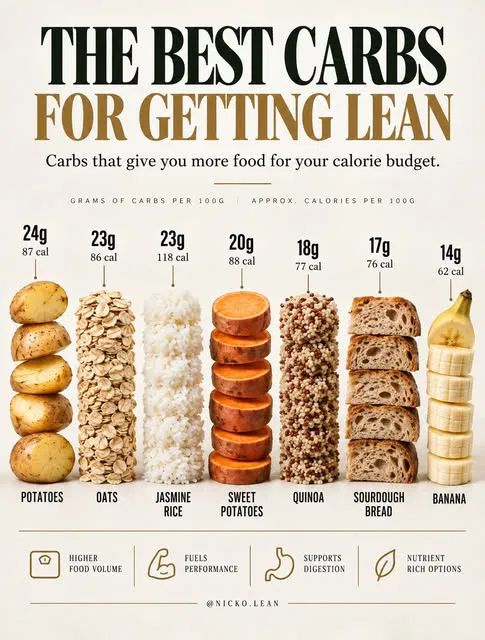
I LOVED this simple layout for showcasing the protein ROI (return on investment) for different foods.
This same post also had a bunch for carbs and others.
Sometimes I see easy visuals like this and instantly learn something new.
From: Nicko Dumadaug
Glad it changed. My mom would be perpetually in the kitchen cooking or making coffee/snacks for someone or the other at all possible times. This people arriving unannounced was a burden on women. Men would happily sit and chatter away.
A sea turtle's shell is her ribcage. The bone is fused directly to her spine and ribs, and her lungs sit right underneath it. The tourists who sat on a nesting turtle in Oman this week were sitting on her skeleton while she was in labor.
She couldn't do anything about it, because of how turtles lay eggs. Once a female starts depositing eggs she enters a trance-like state, which is why researchers do their tagging and measuring in exactly that window. She physically won't abandon the clutch to flee. That trance is the only reason the photo exists.
The beach makes it worse. Ras Al Hadd sits beside one of the most important green turtle nesting grounds on the planet, with up to 20,000 females coming ashore each year. Every one of them hatched on that coastline, spent decades in the open ocean, and navigated back to the same stretch of sand where she was born.
Green turtles need roughly 25 to 35 years just to reach maturity.
She spent three decades earning her way back to that beach. He needed thirty seconds to turn her into a chair. Oman's Environment Authority has already taken legal action, and his defense is that he was "misled."
The trip reportedly included volunteers from a group monitoring the nesting site. Guides exist on that beach for one reason, to protect an animal at the precise moment she can't protect herself, which is also the precise moment tourists find her most photogenic.
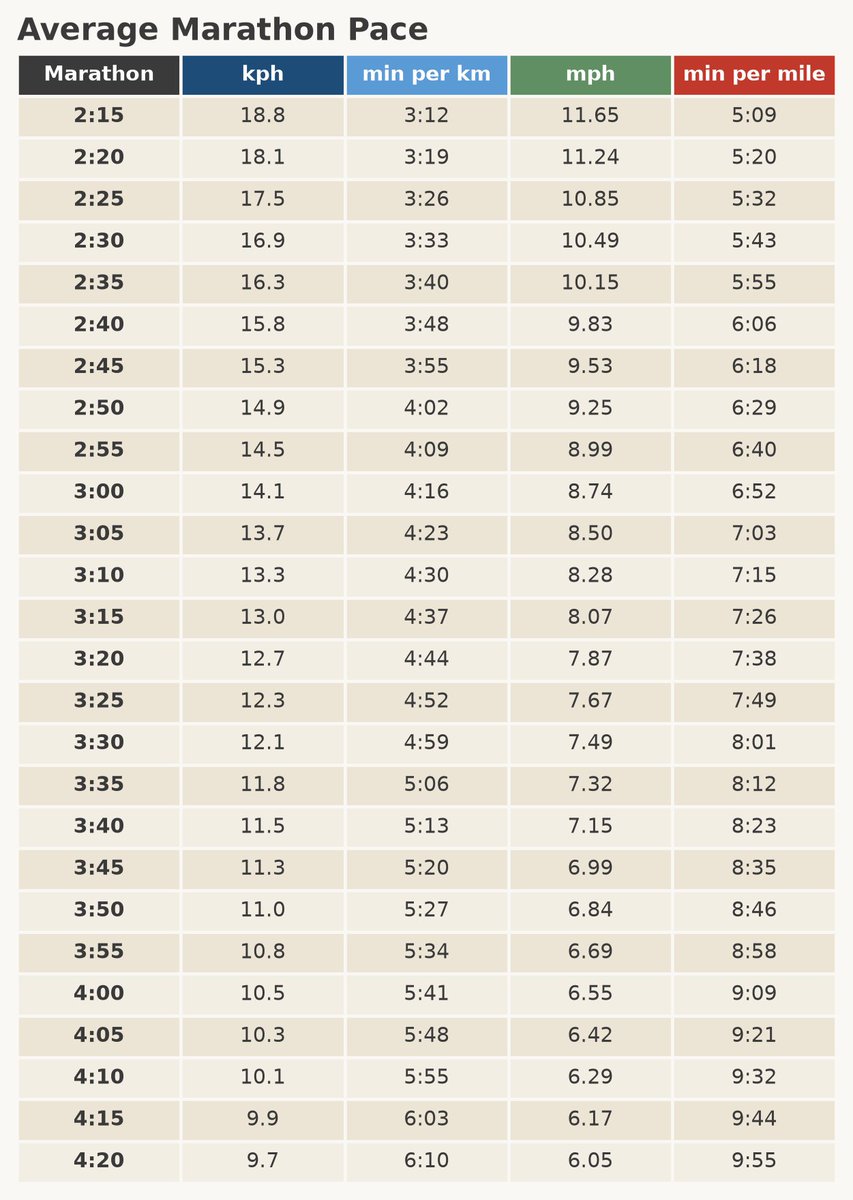
What's Your Marathon Cushion?
1️⃣ Start by taking a recent half marathon and see the range the prediction methods give you.
My range was 2:55-3:05. Being high-volume, low-mileage, I picked the mid point, 3:00.
2️⃣ Look up what the pace is at that predicted time, and add a little bit (that's Core Pace).
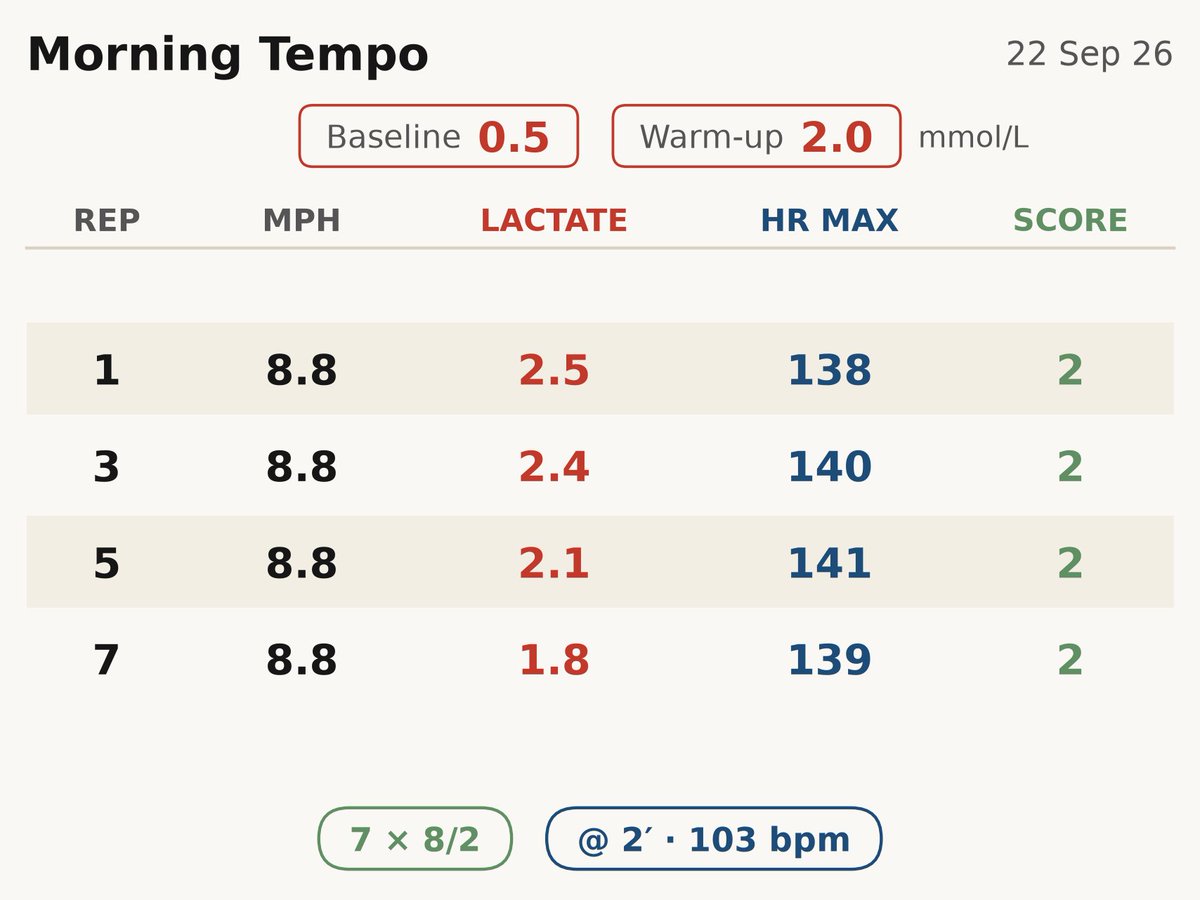
3️⃣ Then do marathon pace sets at Core Pace, capture data, notice how you feel during, and watch what happens afterwards.
See my workout notes for how you capture the data. That's a short set - marathons aren't short. 😉
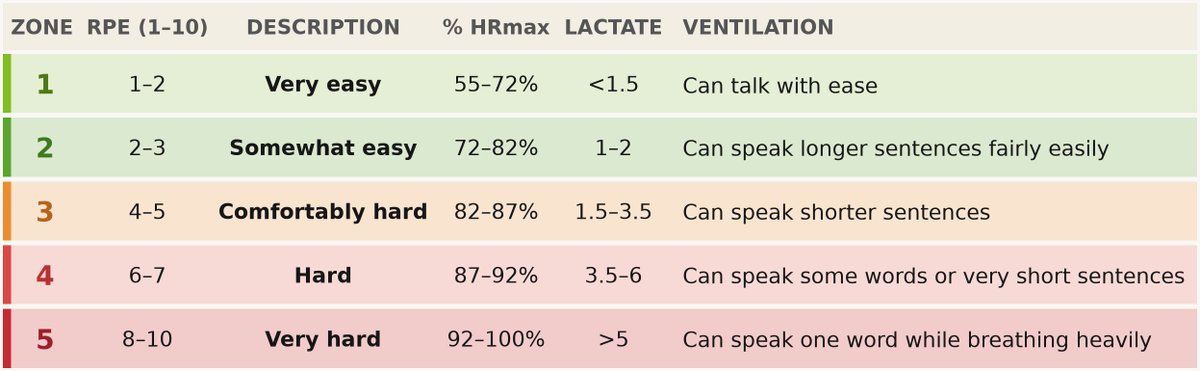
Nordic zones in the picture - use them to assess your cushion.
😃 The closer marathon pace gets to the top of Zone 1 (LT1) the larger the cushion.
😟 The closer marathon pace gets to the top of Zone 3 the smaller the cushion.
🧨 If any of those intervals/sets starts to feel like Zone 4 then fuhgeddaboudit.
If you are a low-volume or low-mileage runner then start with the pace implied by the slowest prediction (double half marathon plus 20 minutes or Fetch Everyone). Your profile will best fit those prediction models (see footnotes).
More to come on this subject as I prepare to race long in 2027
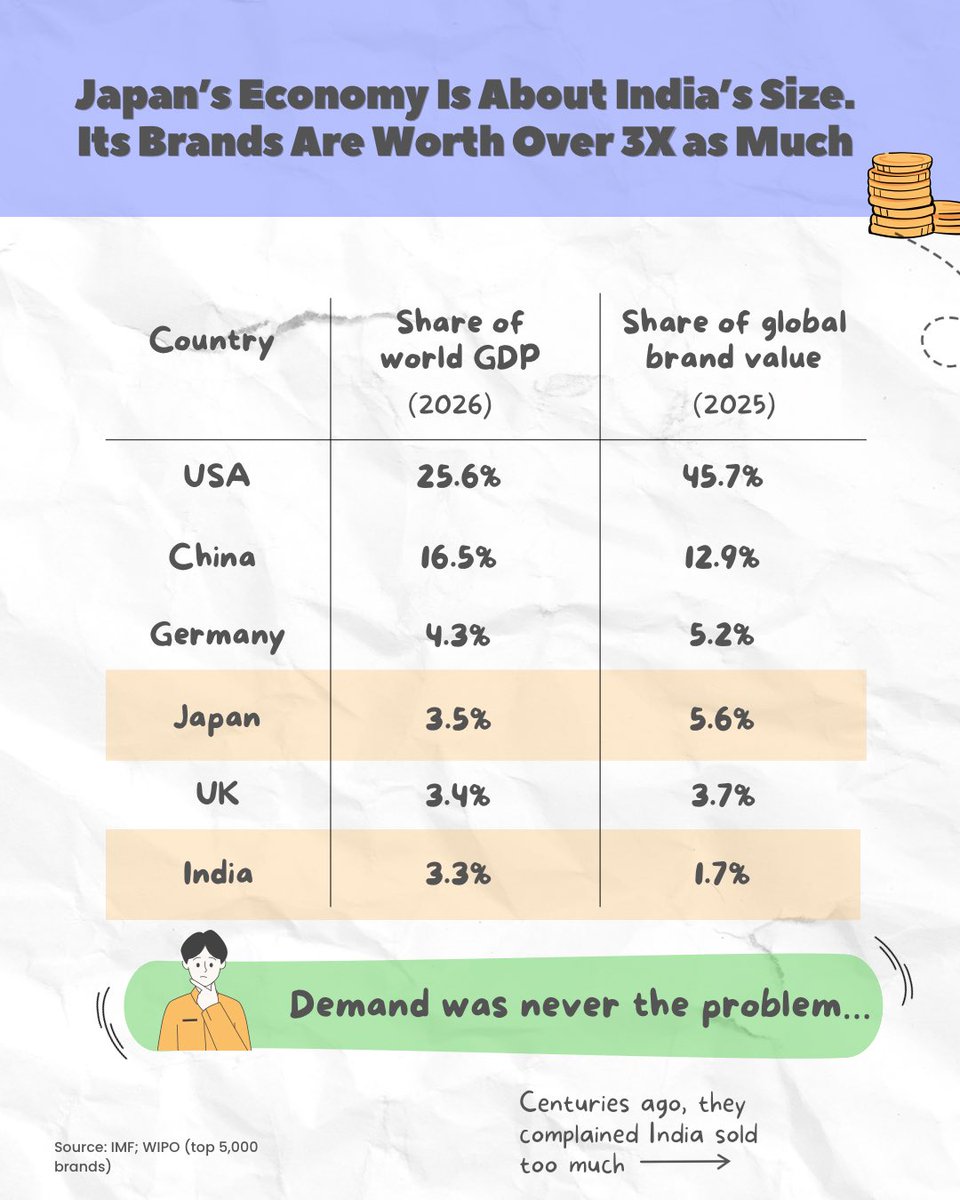
Korea exported culture.
Then the world bought Korean…
India has Bollywood, music, food, fashion, yoga and Ayurveda, a cultural moat very few countries can replicate..
Maybe we need to stop thinking only about exporting products and start deliberately exporting India.
Consumer brands will follow..
#WATCH | New York | Exercising the right of reply of India on Pakistan PM Shehbaz Sharif's speech, First Secretary in India's Permanent Mission to the UN, Petal Gahlot says, "This afternoon, the General Assembly heard some bizarre remarks from the representative of Pakistan. This happens just a fortnight after New York City and the world marked the 25th anniversary of the horrendous 9-11 terrorist attack. This context is important to keep in mind because its mastermind, Osama bin Laden, was living right on the doorstep of the Pakistani Army's premier academy. This was the very entity which was the subject of such deep genuflection before us today by the representative of Pakistan. But all this is only to be expected from what Pakistanis themselves call a Form 47 government"
(Video Source: United Nations)
Neem Karoli Baba will make it happen. Not only in collections which is an unintended consequence. But in the way people watch quietly in an Indian cinema unusually. In the way the audience sit even after the title screen comes on. In the way everyone walks out touched by spirituality. In the way even an atheist's heart feels there's something higher that's guiding him. That is Maharaj ji's way. He's showing the way for a new India. For the new generation. The way back for the masses into spirituality, service, and saintliness of this great civilization. Just in time for the new India that will emerge out of the upcoming chaos and turmoil in the world.
Underrated life advice: Become difficult to rush. The world will pressure you to rush into everything. Rushed decisions. Rushed relationships. Rushed conversations. Rushed timelines. There's power in rejecting that trend. Pause. Slow down. Create space to think clearly.
No dignity for the young kid even after death.
His parents must have been shattered but they have done a tremendous disservice by levelling allegations and forcing an inquiry that exposed their son only.