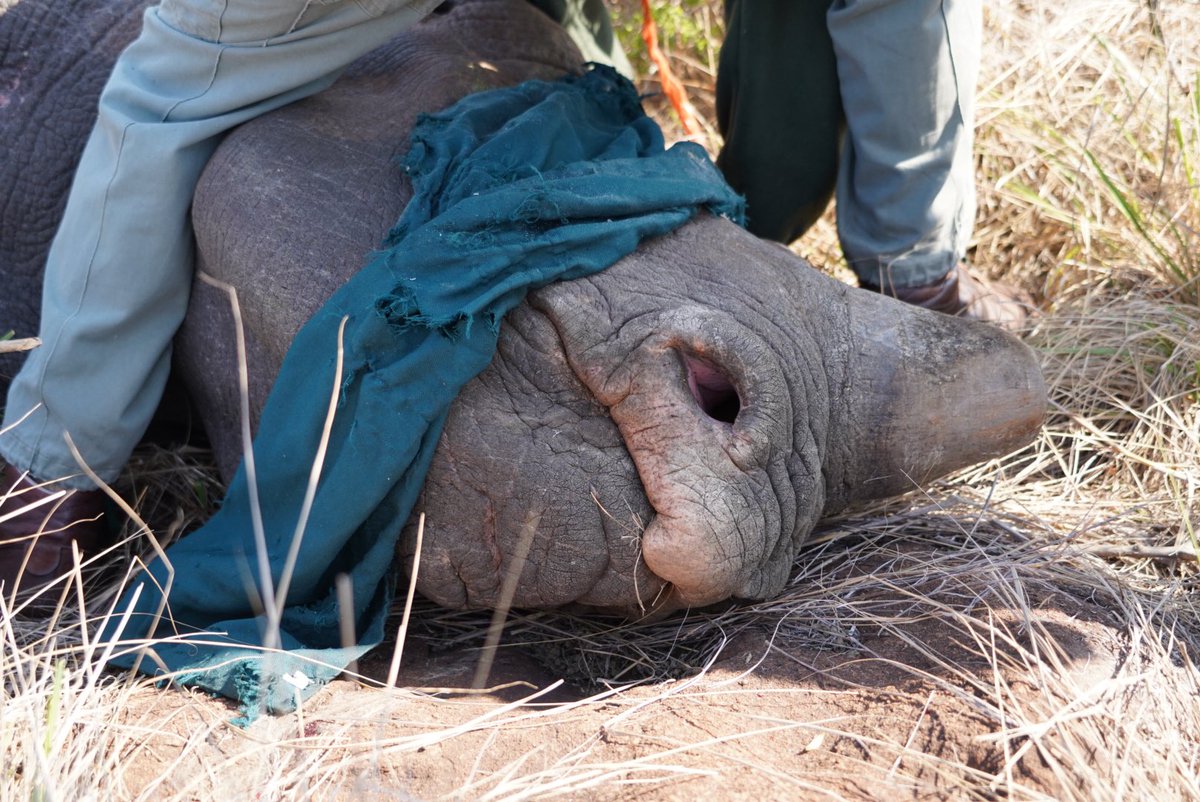
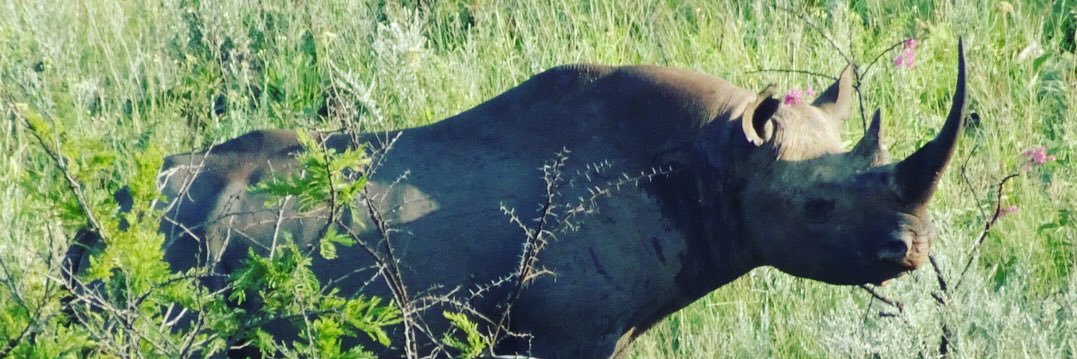
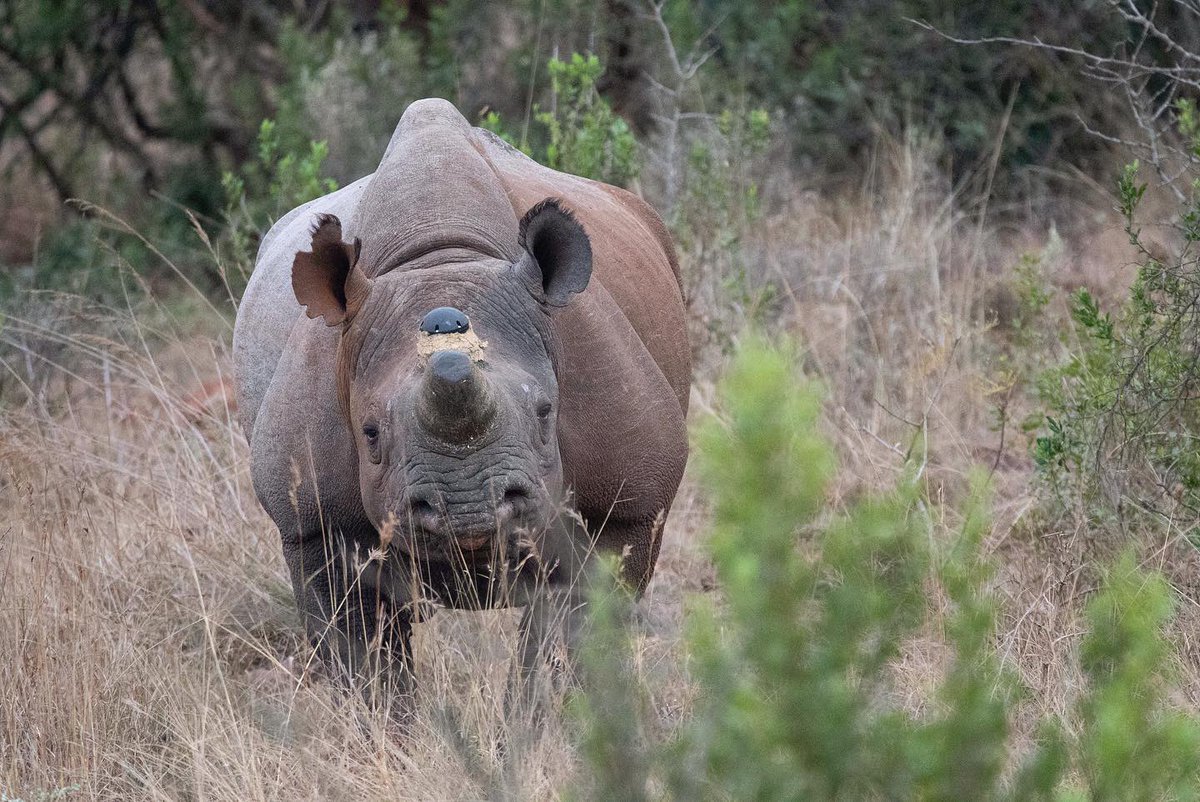
So pleased to share our latest work on the impact of dehorning on black rhino (Diceros bicornis) home ranges and social interactions in PNAS this week!
https://t.co/qXdiIOrVPR
@blackrhino_ecol@ManuDefossez@serasmann
To deter poachers, some rhinos have been dehorned. But the practice affects rhino behavior, according to a new study. The territories of dehorned rhinos shrunk by an average of 45.5% after the procedure, and dehorned rhinos became less social. In PNAS: https://t.co/BRY1C7vkK2
Article sur notre étude publiée dans PNAS cette semaine, l'impact du décornage sur les territoires du rhinocéros noir 🦏
Décorner les rhinocéros a un impact sur leur comportement | via @letemps https://t.co/aUe19XNEQ8
@blackrhino_ecol
The New York Times take on the results of our newest dehorning study 🦏
Rhinos’ Horns Were Cut to Thwart Poachers. After, They Didn’t Go Out Much. https://t.co/TNs5MIe5xC
@blackrhino_ecol@serasmann@ManuDefossez
Our latest work on the impact of dehorning on black rhino home ranges featured in Science 🦏
Cutting off rhino horns to prevent poaching makes them homebodies | Science | AAAS https://t.co/UpaLqxaGbS
@blackrhino_ecol@serasmann@ManuDefossez
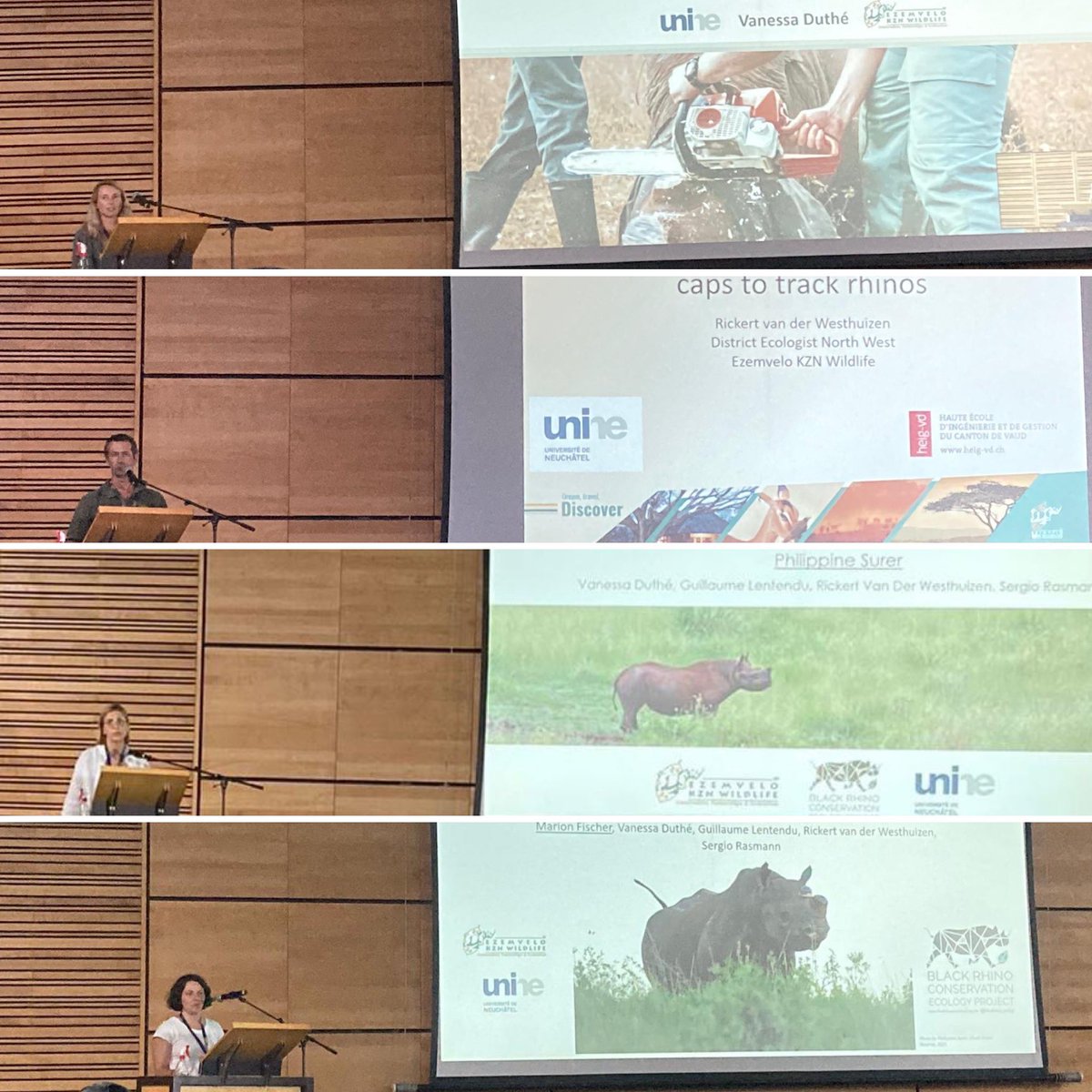
Last week we presented some of our work at @SSNM_KNP@vanessa_duthe on the effect of dehorning on black rhino home ranges, Rickert on the viability of using horn caps for tracking, @philippinesurer on diet overlap using DNA metabarcoding, @Marionfischer25 on parasite load & diet
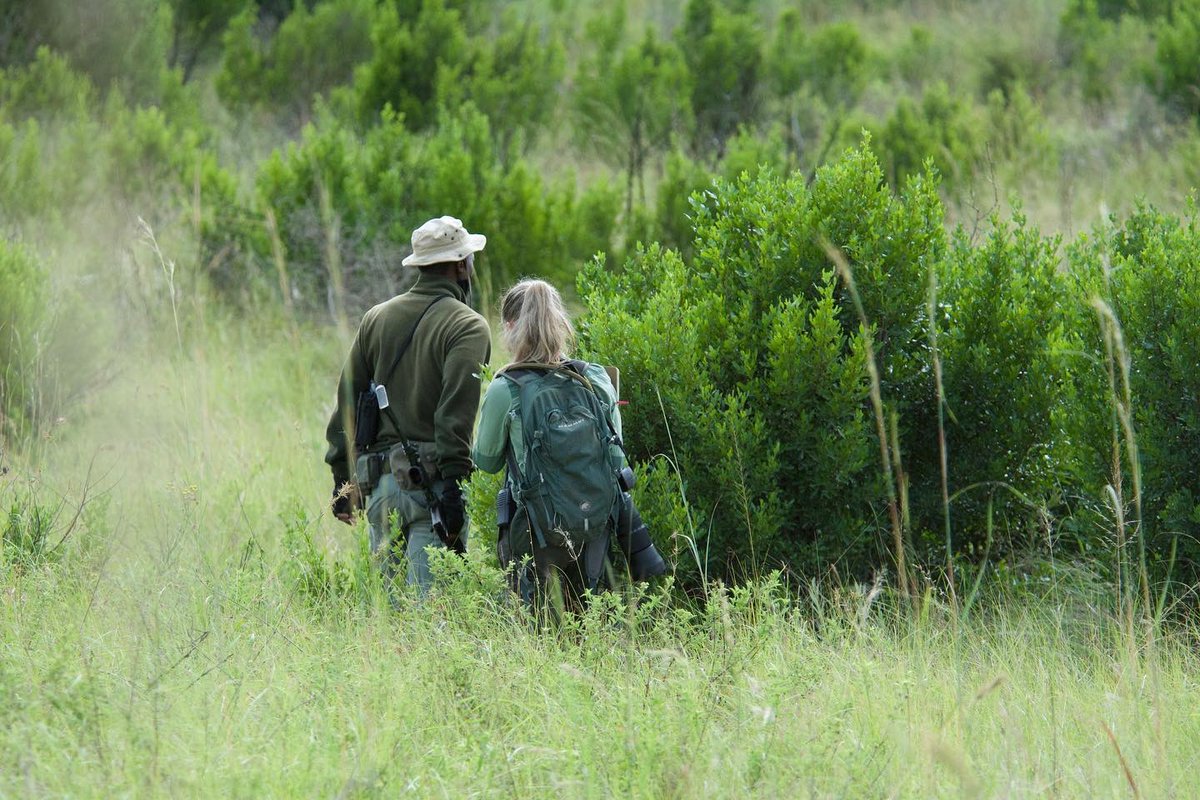
Good boy Masaka for my 100th diet transect 🦏🔍🌿💯
Looking forward to the final combination of all my datasets for my chapter on black rhino diet and feeding ecology, disentangling foraging choices and cues 🌿🧬🧪
#BlackRhinoEcology@blackrhino_ecol