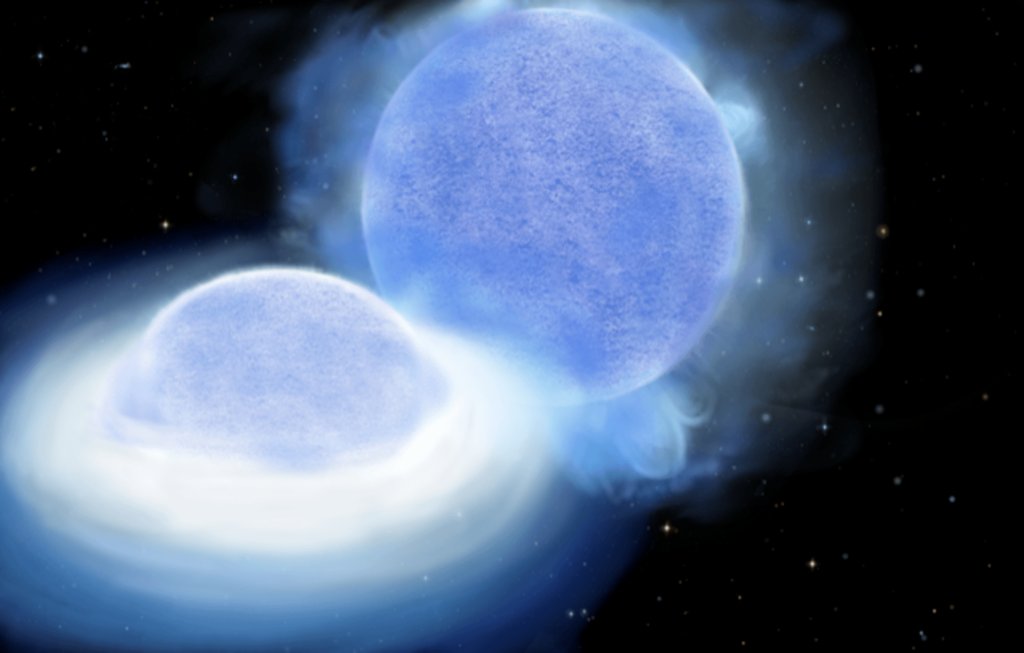
It's paper day! 🎉 Happy to share our new paper published in @AandA_journal letters about the first detection of intermediate-mass stripped stars at low metallicity, a missing link towards forming Be X-ray binaries and double neutron star mergers.
https://t.co/rgePjdJOSL
Want to know a bit more about Hengstberger symposium I organized last week at the IWH? Here is the @zah_hd news reporting about our cross-disciplinary meeting on stellar yields of massive stars: https://t.co/kJ2cQrULFh
Magnetars are among the most bizarre and mysterious objects in the universe, and scientists are still unsure exactly how they form. But a unique helium-rich star that lies 3,000 light-years away may just have some answers, according to a study. https://t.co/hC4JuPsTJA
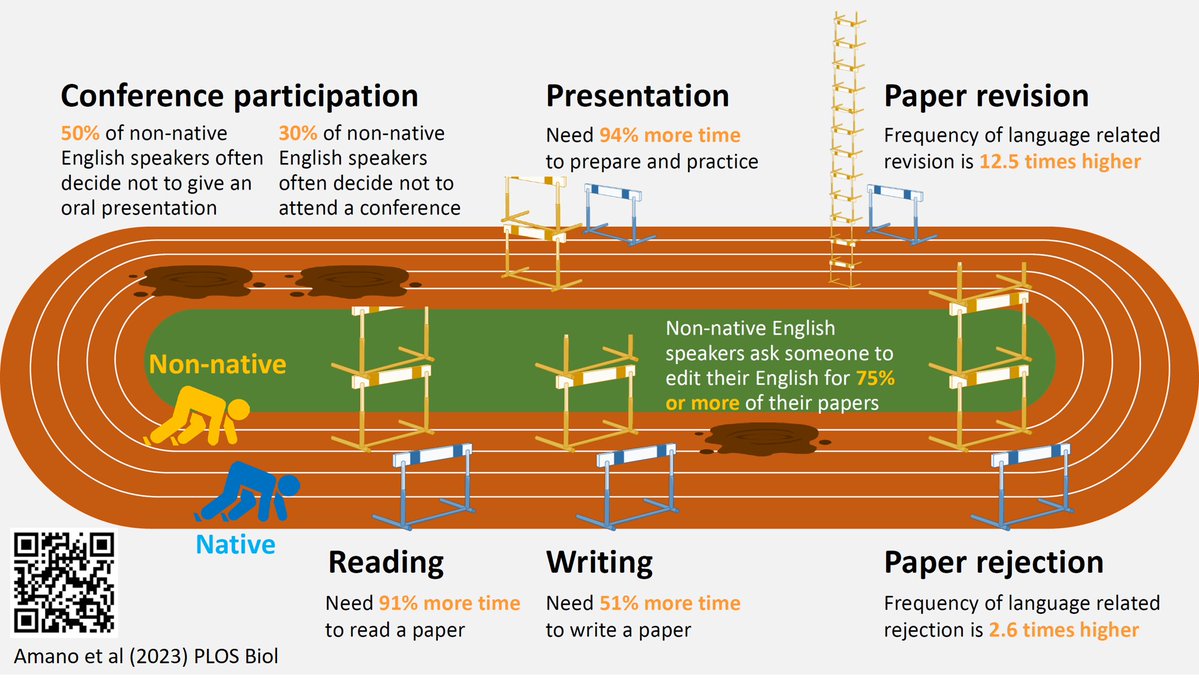
How hard is it to do science in a language that’s not your first language? We quantified the severity of #languagebarriers for non-native English speakers when reading/publishing papers and attending/presenting at international conferences.
https://t.co/Z6za22rMgg
1/9
Superluminous supernovae, black hole mergers, and many more astrophysical puzzles are connected to massive stars at subsolar metallicities, which we investigate in the X-Shooting ULLYSES collaboration. Paper I has officially been published today: https://t.co/RCM4TO2vIR
Interested in joining our hot star atmosphere group @zah_hd @UniHeidelberg? With you as a postdoc in our group, we would like to work towards a multi-dimensional treatment of hot star winds. Sounds great? Than take a look at the full job ad: https://t.co/XyRcdL67ln
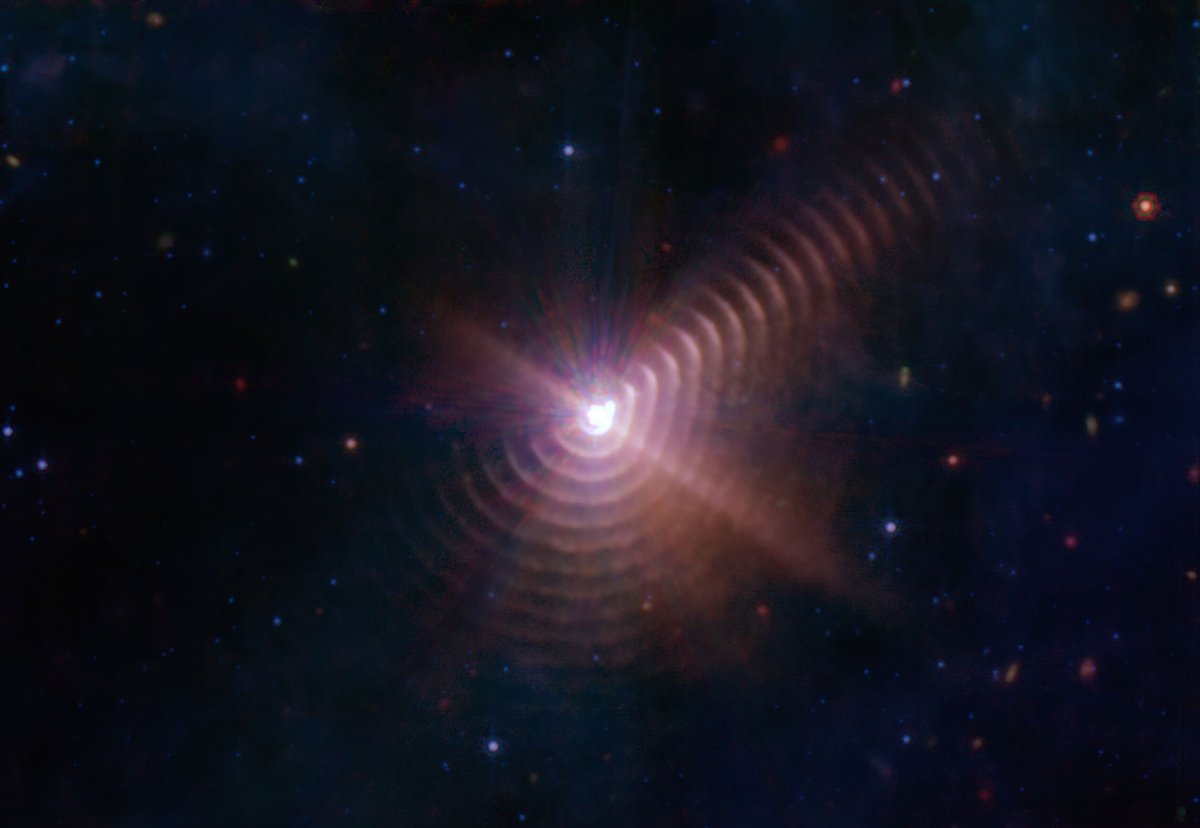
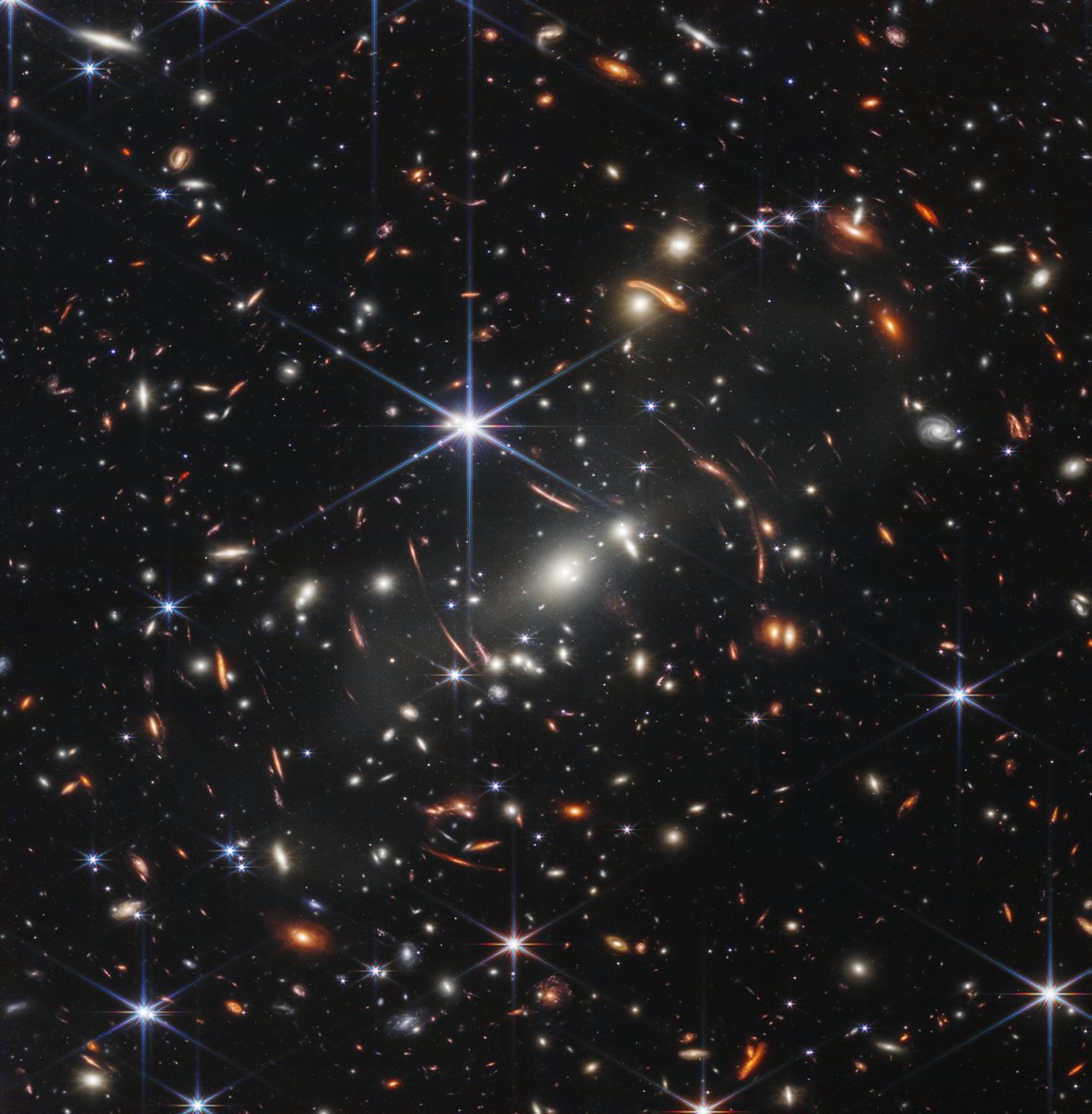
1/ Webb has revealed a remarkable cosmic sight: at least 17 concentric dust rings emanating from a pair of stars. Located just over 5,000 light-years from Earth, the duo is collectively known as Wolf-Rayet 140.
Read more: https://t.co/YtkxqrP7Wd
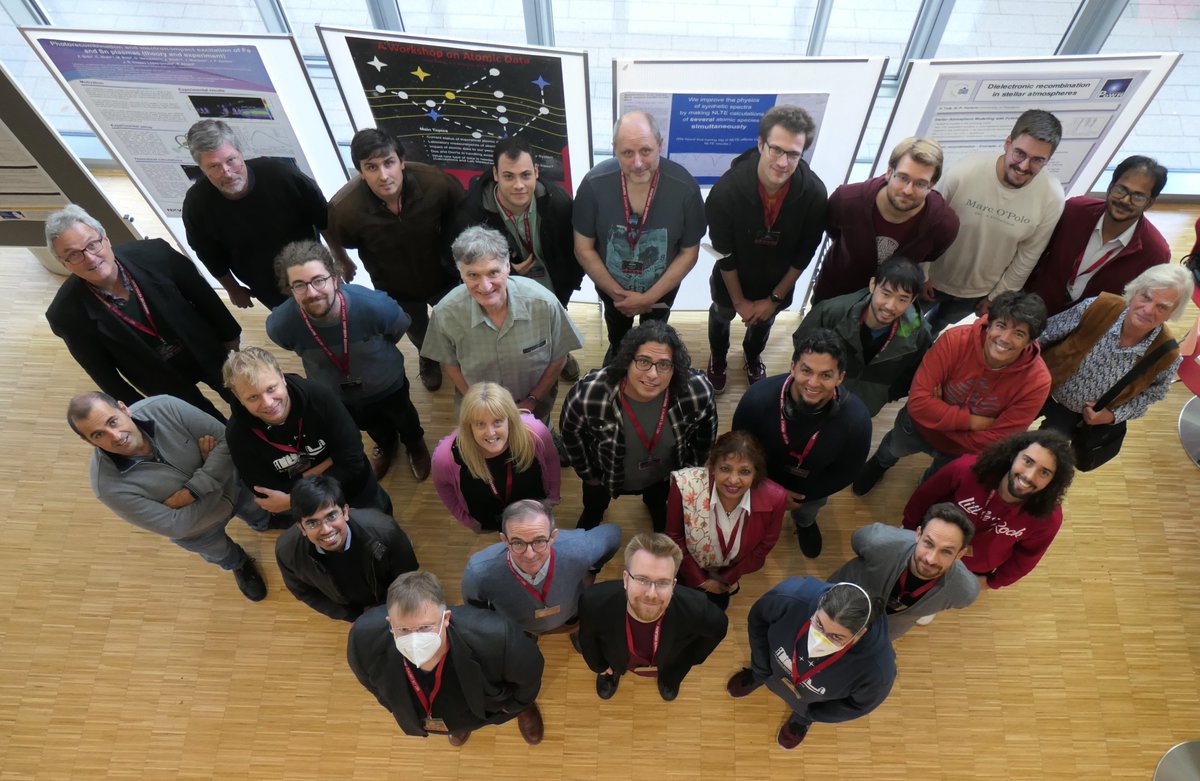
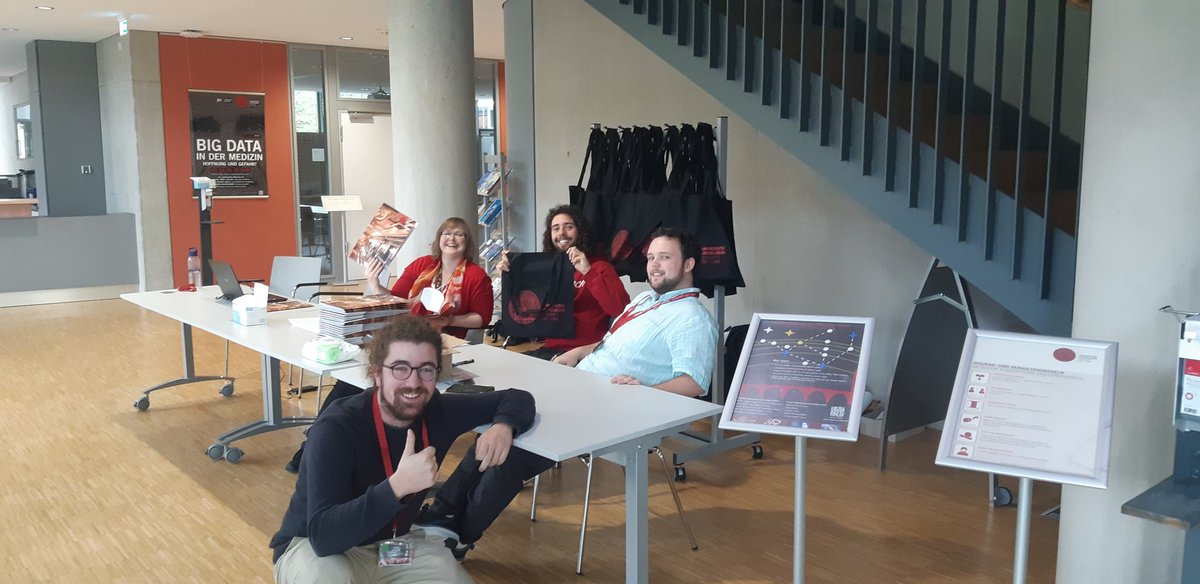
How can we get more and better atomic data for #astrophysics? This is what we discuss at our #astroatom Atomic Data Workshop here at @UniHeidelberg/@zah_hd. Here is our first group picture of the in-person participants:
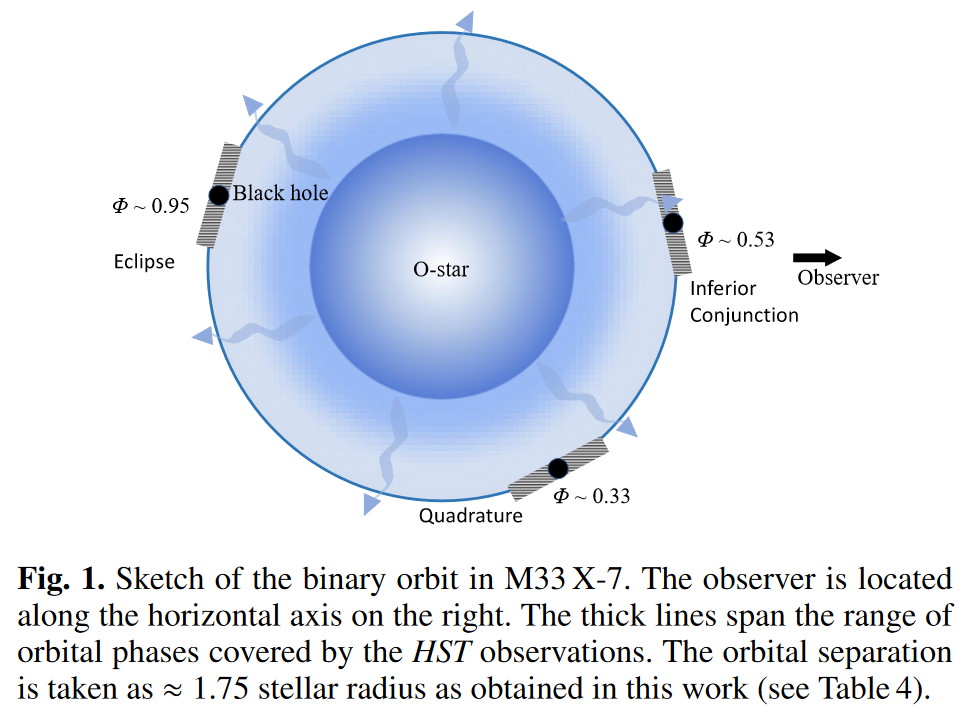
Today on @arxiv : @varsharsw's comprehensive analysis of the BH X-ray binary M33 X-7 using phase-resolved @NASAHubble UV spectroscopy. Read about lower masses for the O-star and the BH (now only 38 Msun instead of previously assumed 70) and much more: https://t.co/X2scT2T8k1
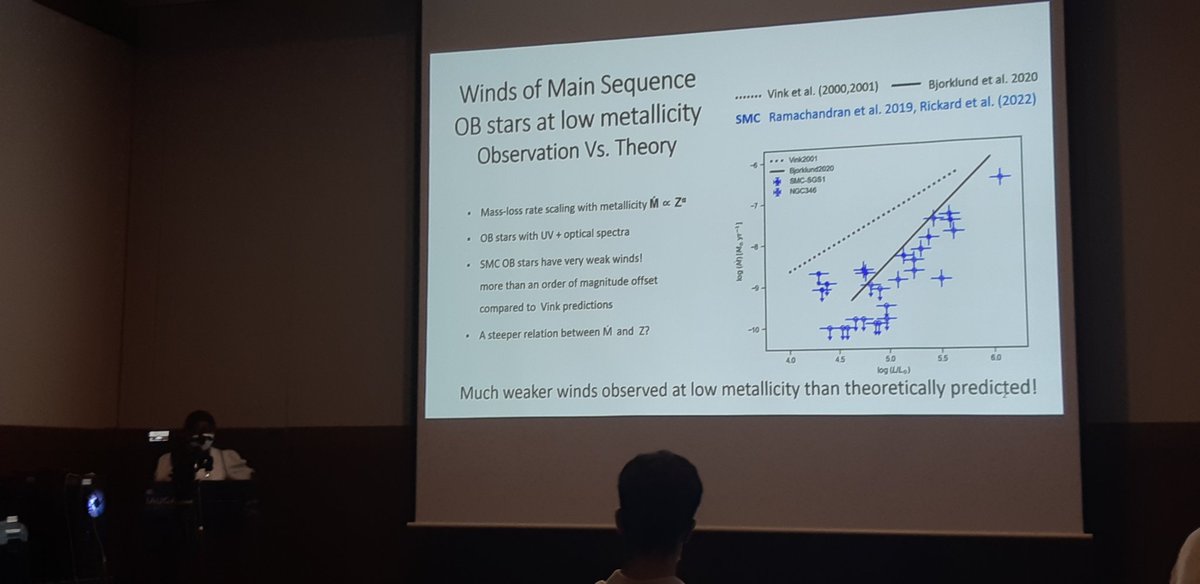
Ready for another round of interesting talks in #IAUS370? ARI's massive star group @zah_hd looks forward to an interesting afternoon at #IAUGA2022 here in Busan.
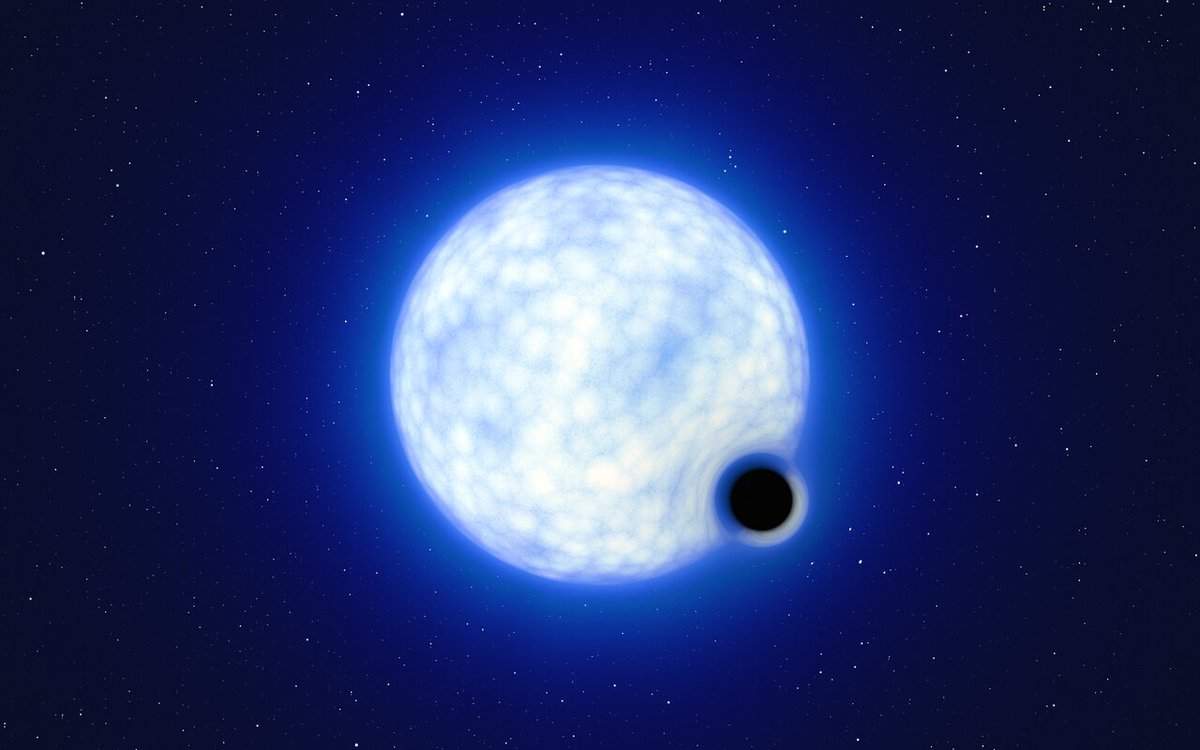
1/ A team of international experts, renowned for debunking several black hole discoveries, have found a stellar-mass black hole in the Large Magellanic Cloud, a neighbour galaxy.
🔗 https://t.co/pZoWcTLPtM
Artist’s impression: @ESO /L. Calçada
Our #HST30 proposal Smoking guns in massive binary evolution: The hunt for Black Holes and Stripped Stars got accepted 😀. Getting #hubble time two years in a row as PI 🤩