This has quietly been a miracle month in medicine.
In the last 5 weeks we’ve got news on:
- retatrutide, the triple agonist GLP-1 from Lilly, basically melting fat and body-wide inflammation at record levels
- RevMed’s new pancreatic cancer drug showing unprecedented abilities to extend life
- small trial of a one-and-done PCSK9 gene editing therapy for slashing LDL cholesterol
- Mayo’s AI-assisted radiology showing vastly improved cancer detection
- this new therapy for metastatic solid tumors
This stuff is at varying levels of evidence. Retatrutide is ~100% on its way, other stuff needs more clinical trial data. But put it together and we’re maybe on the verge of majorly reducing the mortality of heart disease and cancer, the two leading causes of death in America.
@anish_koka I don’t think the result is an “ahh, take it once and this is for everyone”. It’s more “whoa, look what’s possible with science now and we are only getting going here”
Pretty awesome data.
1/5
I'm a cardiologist. I have spent twenty years watching cholesterol destroy arteries, trigger heart attacks, and kill people I care about.
Today, Eli Lilly presented data that may begin to end that era.
VERVE-102. A single infusion. One dose. It uses base editing to permanently turn off the PCSK9 gene in your liver.
Presented today at the European Atherosclerosis Society Congress:
88% reduction in PCSK9.
62% reduction in LDL cholesterol.
Sustained up to 18 months.
No treatment-related serious adverse events.
One infusion. Not daily pills you forget to take. Not monthly injections. One dose — and your cholesterol may stay low for the rest of your life.
When scientists first tested GLP-1, it did nothing.
The molecule behind Ozempic, Wegovy and Mounjaro looked completely useless—until a chemist guessed the body was cutting it down first.
The real origin of GLP-1 🧵
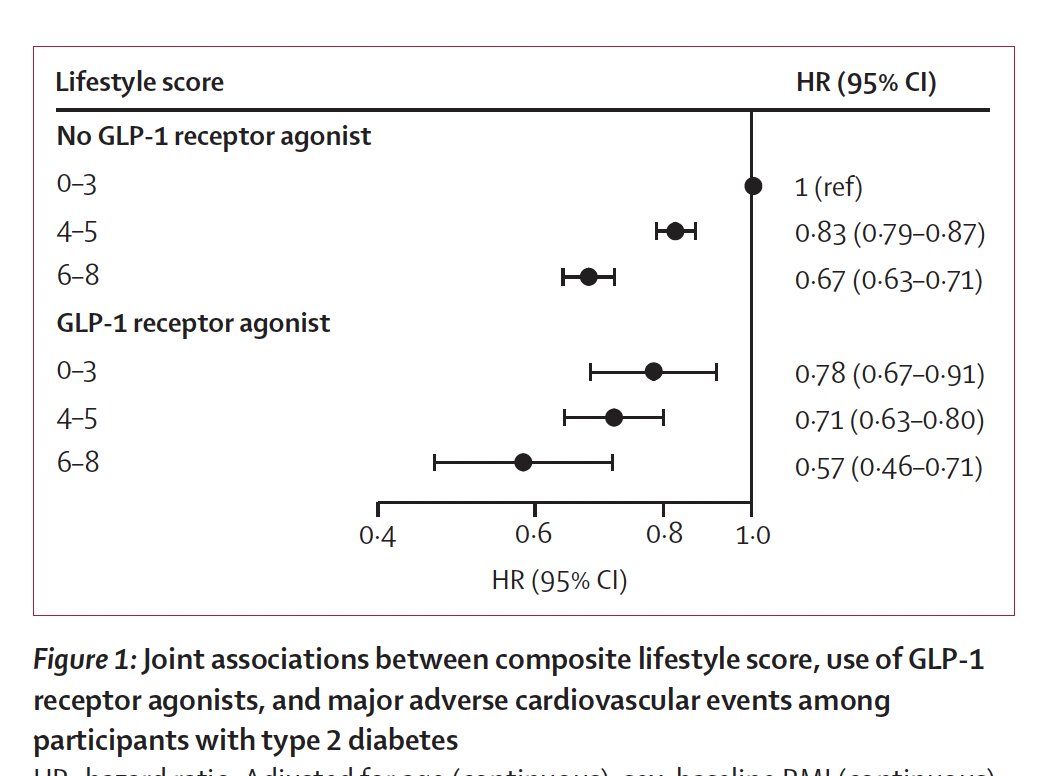
The combination of GLP-1 drugs (such as Ozempic) and healthy lifestyle factors was associated with less major adverse cardiovascular events in ~100,000 people with T2D
@TheLancetEndo https://t.co/phNzEBy7zY
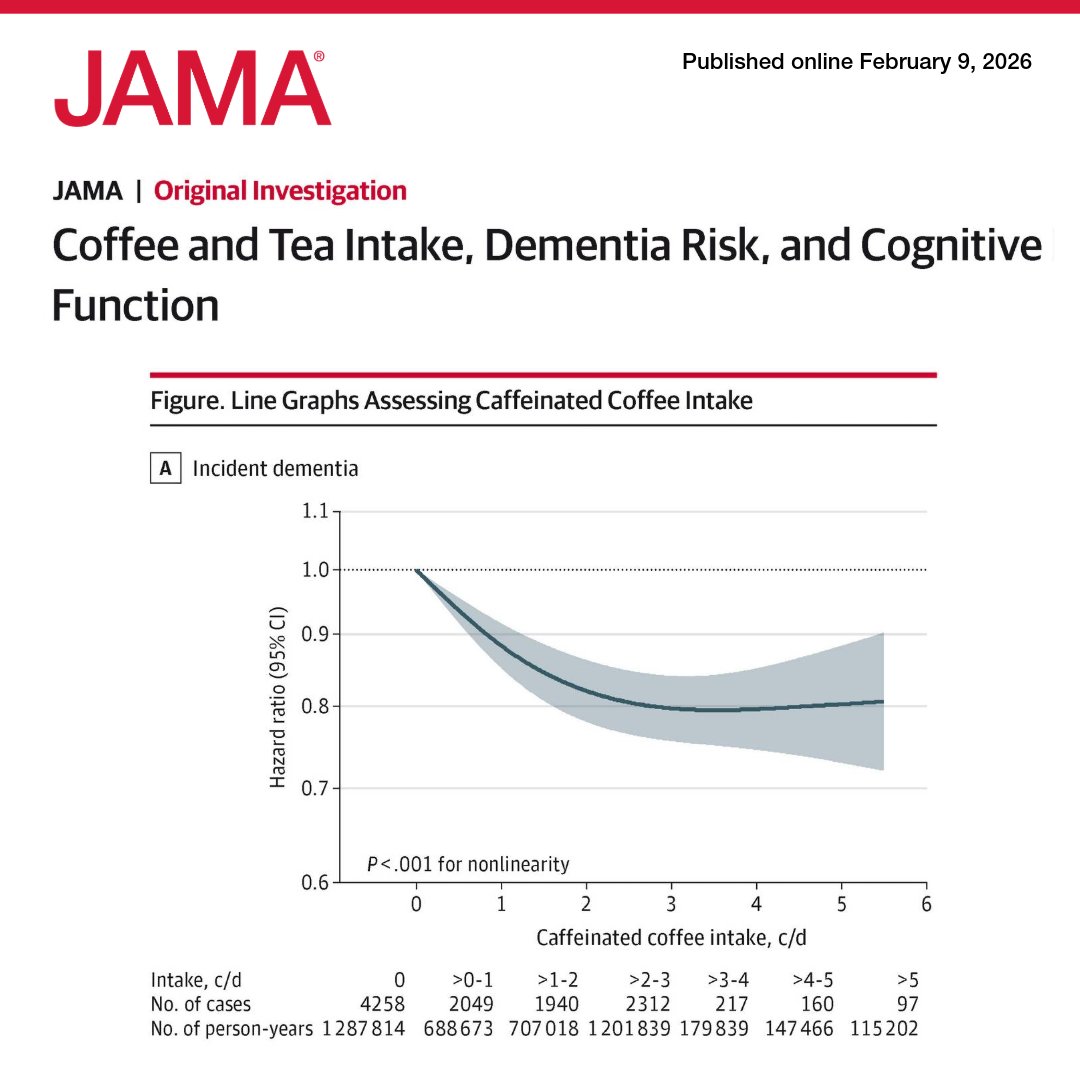
Moderate consumption of caffeinated coffee or tea was linked to reduced #dementia risk and modest improvements in cognitive outcomes; no benefit was seen for decaffeinated coffee in an observational study of US adults.
https://t.co/jlPgjAuosa
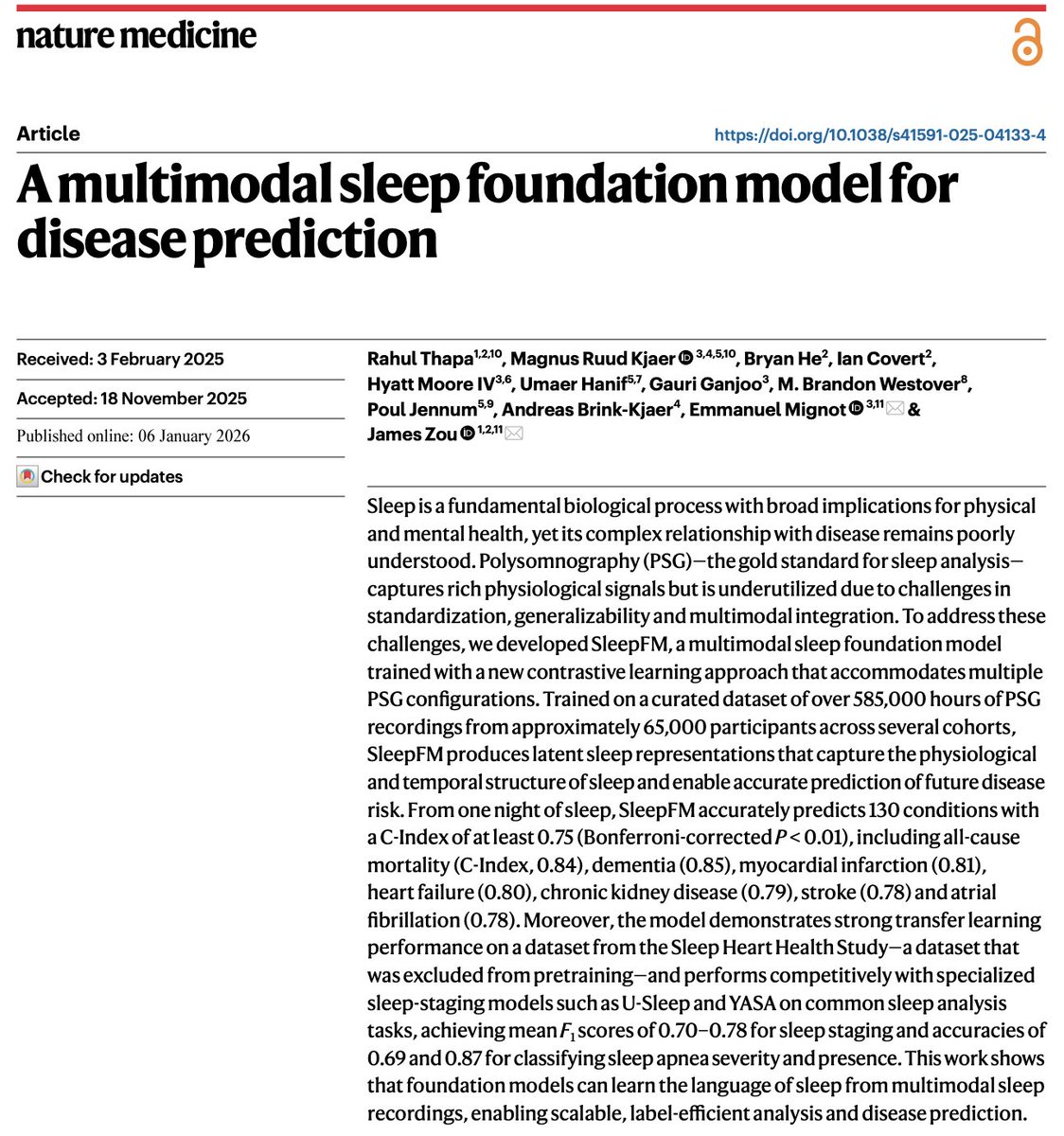
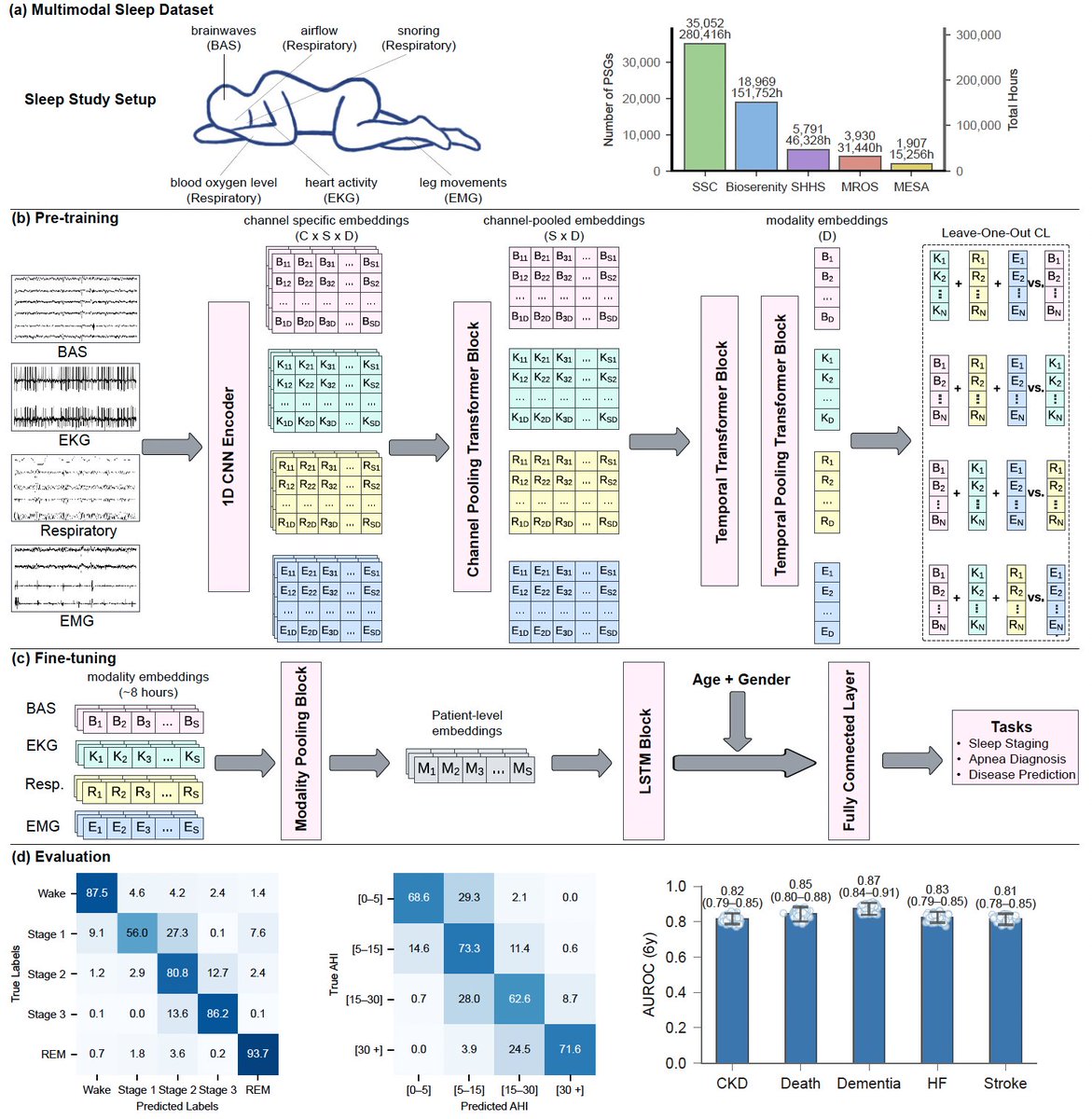
Today in @NatureMedicine we report that AI can predict 130 diseases from 1 night of sleep🛌
We trained a foundation model (#SleepFM) on 585K hours of sleep recordings from 65K people—brain, heart, muscle & breathing signals combined.
AI learns the language of sleep🧵
@reedhastings Disagree vehemently. It misses the unique needs of medicine and STEM fields where high-value contributions aren’t always tied to high compensation. It risks creating barriers for essential talent in those areas.
7/ Bacteria assist in tumor killing in a new paper out of @DanaFarber. Introduction of non-pathogenic, cytokine-expressing E. Coli into the gut of mice induced potent tumor immune responses & extended survival. https://t.co/0I0xORD1V9
TechBio Happenings! 🧵
1/ A full fly connectome
2/ A bacterial vaccine
3/ Schizophrenia drug approved
4/ RNAi drugs for obesity
5/ Rewiring the cancer transcriptome
6/ Improved Prime editing
7/ Bacteria boost tumor killing
Research by @JuliaBauman2
6/ Precision genome editing received two boosts: Prime editing efficiencies in primary cells are improved when increasing dNTP concentration, and when using a new synthesis method for pegRNAs. https://t.co/rNs4tuoBTg https://t.co/5JpJCN8GPW
BREAKING NEWS
The 2024 #NobelPrize in Physiology or Medicine has been awarded to Victor Ambros and Gary Ruvkun for the discovery of microRNA and its role in post-transcriptional gene regulation.
@Kanthan2030 Definitely cool but not the first time we’ve seen this. @VertexPharma and Viacyte showed similar results years ago. Hopefully we can get something for commercialization from one of these groups soon
7/ Via delivery of 3 transcription factors, tumor cells can be “reprogrammed” to dendritic cell-like antigen-presenting cells that provoke T cell activation. This strategy enabled 50% complete response in mice with xenograft tumors. https://t.co/atihFTs85T
6/ @NSF has granted $22M to establish a “biofoundry” supporting study of microbes that thrive in extreme environments, with the aim of discovering new tools for biotechnology from nature. https://t.co/yRgy6gjuP0
Absolutely thrilled to lead ExFAB - a new 6-year $22 million @NSF BioFoundry led by @UCSB together with @UCRiverside and @calpolypomona. ExFAB will serve as a hub to unlock the secrets of "weird" microbes while building new biotech innovations.
https://t.co/QLTSiU4Bxl