https://t.co/F3ix0VPzhn
New @VB_RADAR publication @APHAgovuk, @ZSLScience, @UKHSA, USUV vertical transmission ID'd in wild Culex pipiens larvae - To our knowledge the 1st record of USUV VT in wild mosquitoes. Helps understand persistence in temperate areas! Great collaboration!
https://t.co/lgLw0IudeP
New preprint up detailing retrospective WNV RNA detection in UK Aedes vexans mosquitoes, as part of the @VB_RADAR project, collaboration between @APHAgovuk@_BTO@ZSLScience and @UKHSA
APHA scientists have identified evidence of #WestNileVirus in UK #mosquitoes for the first time.
This important surveillance was carried out with partners as part of the @vb_radar project.
Find out more: 👇
https://t.co/dL6SzZIGyd
#APHAscience#VectorBorneDisease
🐦⬛Where have the blackbirds gone? London gardens have seen a decline in the songbird due to the mosquito-spread Usutu virus.
Hear about our research as part of the @UKRI_News@DefraGovUK funded @VB_RADAR project & how you can help: https://t.co/9ux9FW5MS6
@The_RHS#APHAscience
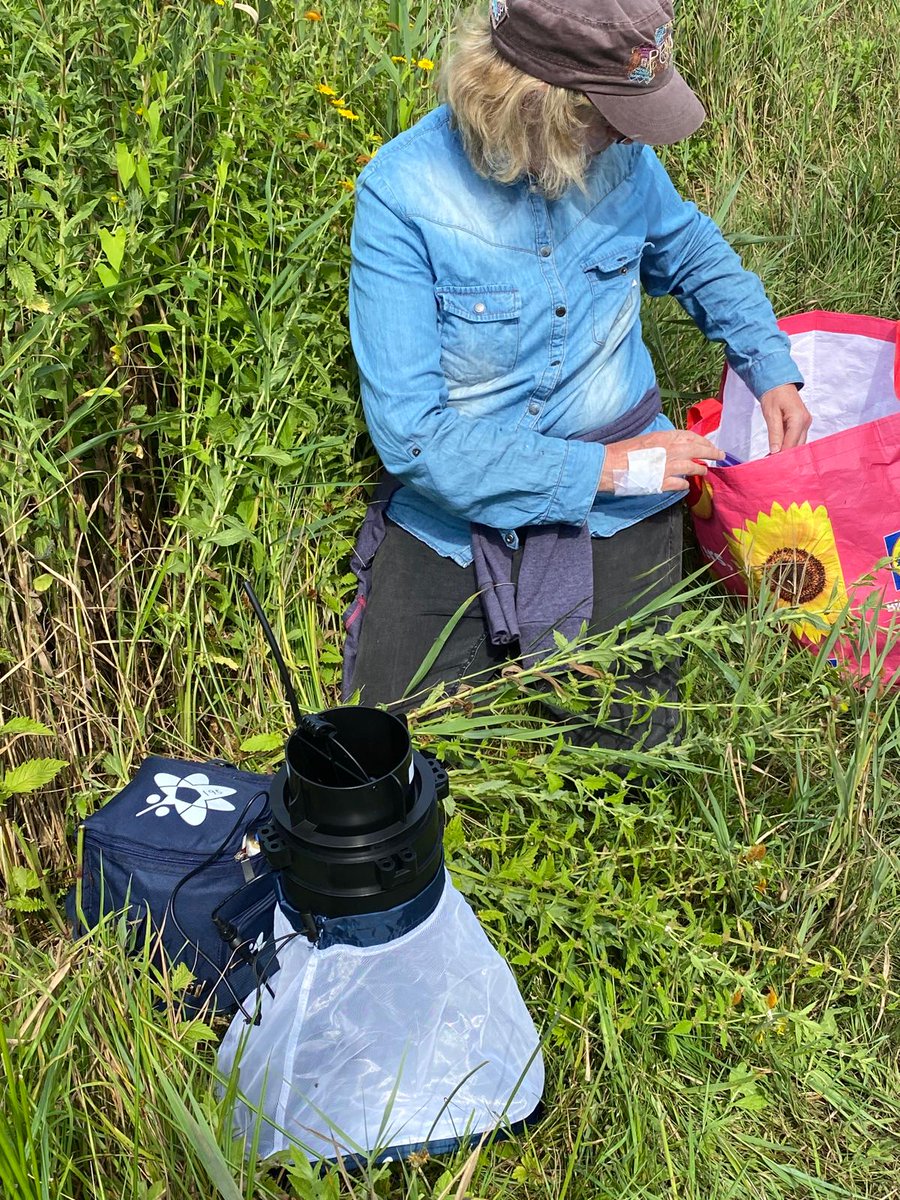
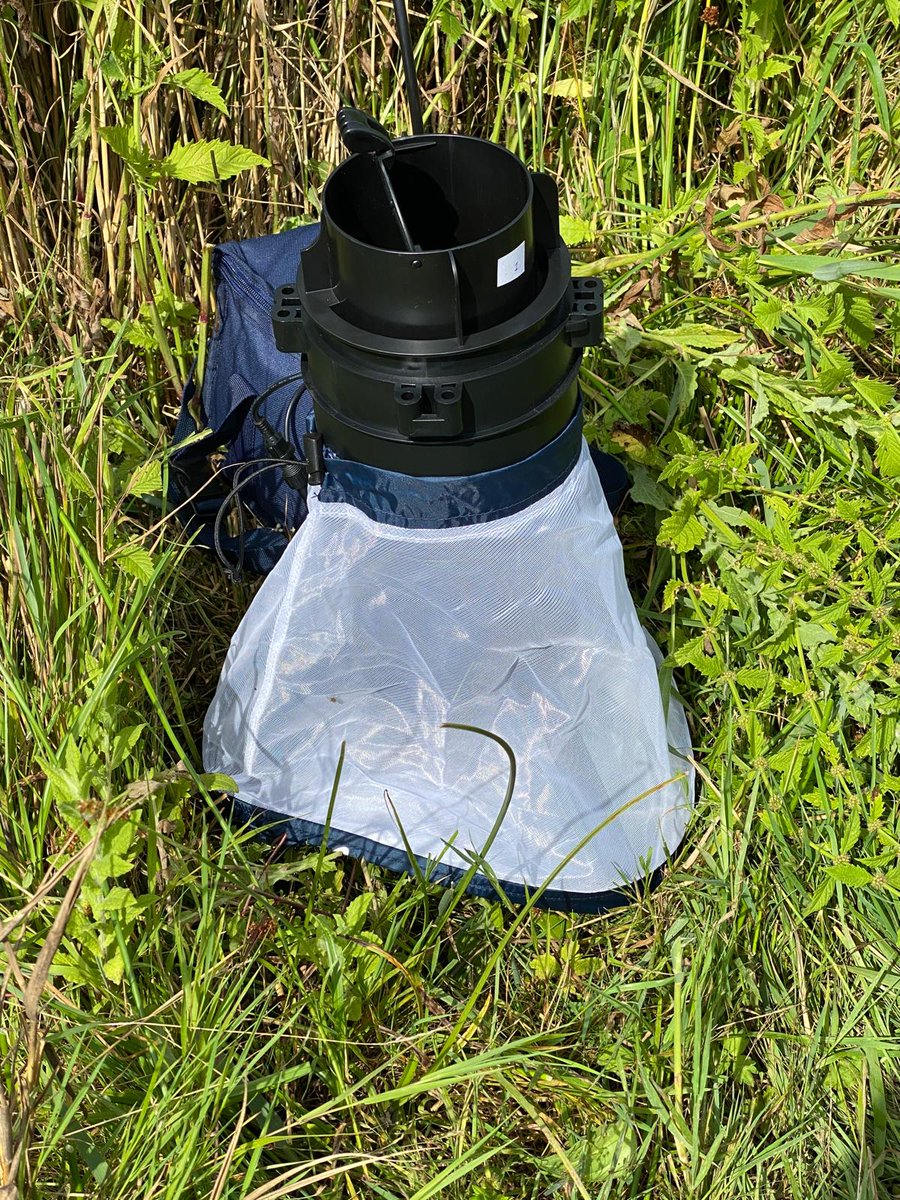
Part 2..The Mosquito trap is a clever piece of kit @VB_RADAR@UKHSA@_BTO It has a fan, operated by a power pack. There is a flap at the top which sends the mozzi's into a catching bag. It also has a carbon dioxide generator and a Mosquito Lure which mimics skin scent.
It was day 1 today of our @kupe1515 Mosquito surveillance for @VB_RADAR in conjunction with @UKHSA and @_BTO
We are collecting mosquitoes in our trap for research into mosquito borne diseases and how it affects our Blackbird population, wildlife & humans.
This World Zoonoses Day, read more about how the increasing threat of vector-borne diseases presents new challenges to protecting our biosecurity.
https://t.co/4ZIO69bTlj
#APHAscience#WorldZoonosesDay
Preprint+ @VB_RADAR 1st output alert: We enhanced mosquito surveillance by rearing field caught adults + larvae = We believe, first evidence of USUV transovarial transmission! Likely an essential persistence mechanism for the virus in temperate areas!
https://t.co/j0TLZdOMxI
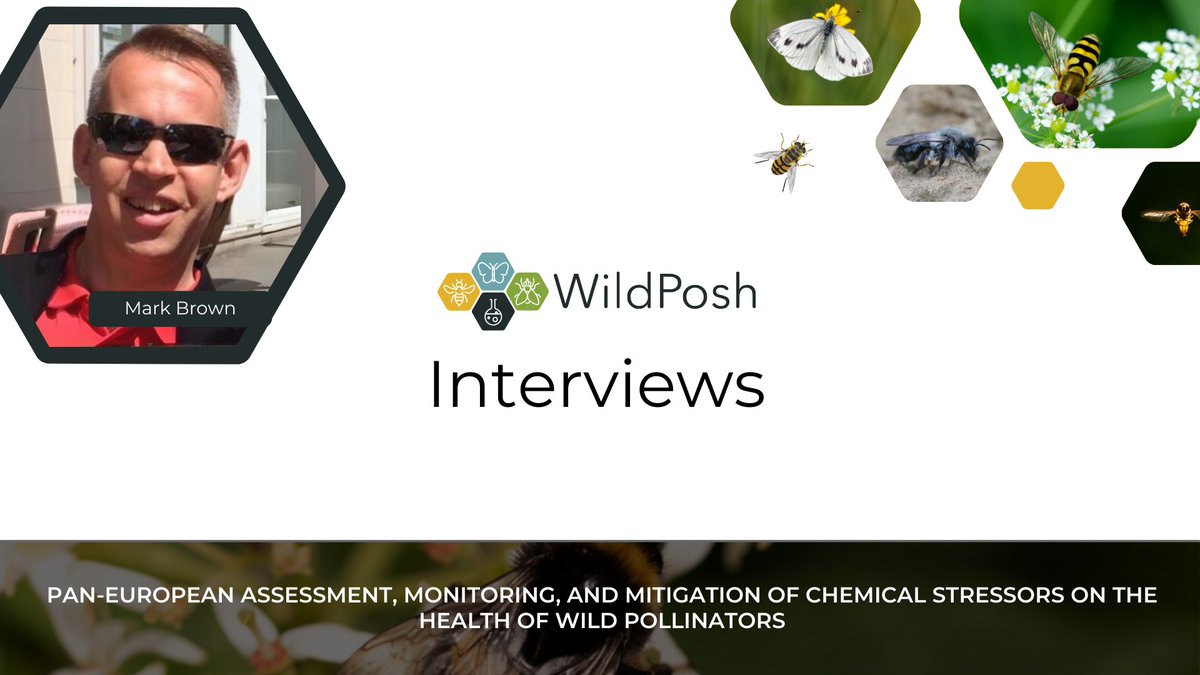
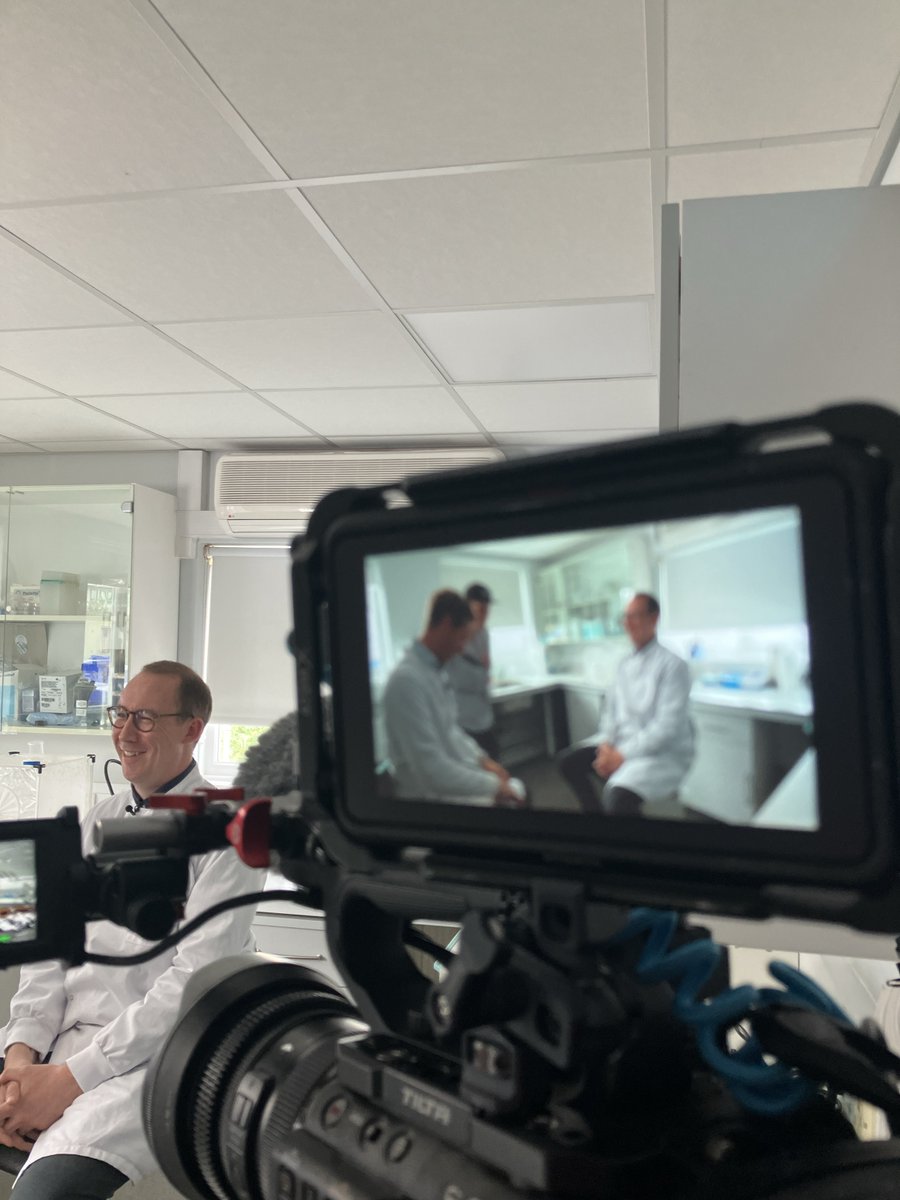
It's time to kick off #WildPoshInterviews! 🤩
@poshbee_eu project coordinator Mark Brown takes the stage first and tells us more about his work and the connection between the two projects. 👀
📽️Follow the link to watch the full interview: https://t.co/0aLEaOIUhP
Usutu is a mosquito-borne virus 1st detected in UK birds in 2020. It spread is by native UK mosquitoes and has been linked to blackbird declines in England. We also want to know if it's in Scotland. Help by
- https://t.co/fQQq8jUQZB
@_BTO@VB_RADAR
https://t.co/o57W9GWORN
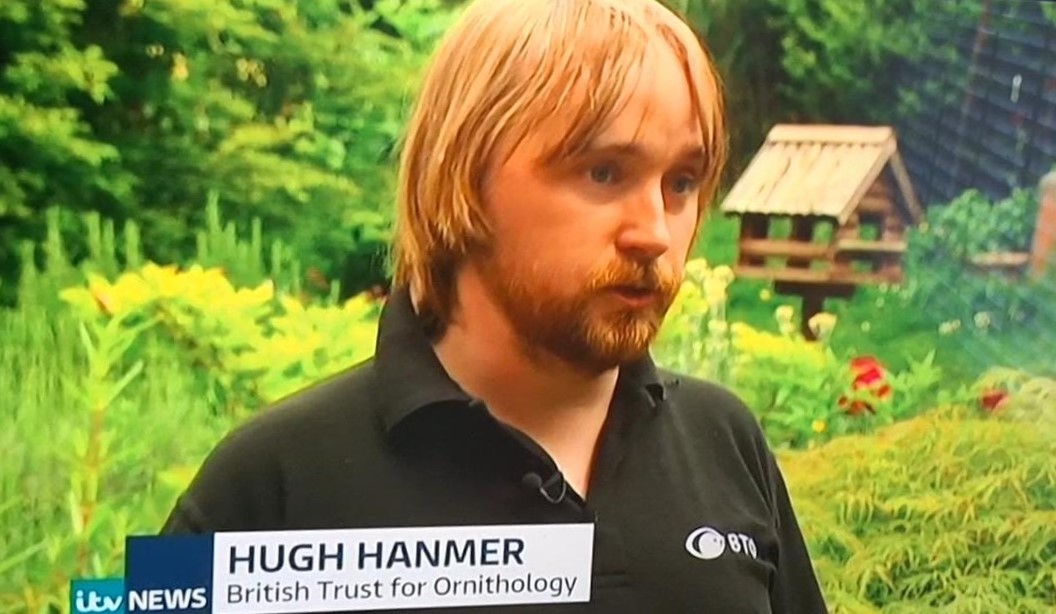
Great to see @_BTO blackbirds in gardens survey (part of @VB_RADAR led by @HughHanmer and Rob Robinson) featured on @itvnews . If you have a garden and want to help us understand how Usutu virus might be impacting blackbirds please sign up here https://t.co/2BxDkytX9t
Great to see our research on mosquitoes in Scotland on the BBC 🦟!
Very impt -this is not the first discovery of mosquitoes in Scotland! They have been here for millenia - our research will assess whether they could pose a disease risk in the future
https://t.co/nEEUfaMy4d.
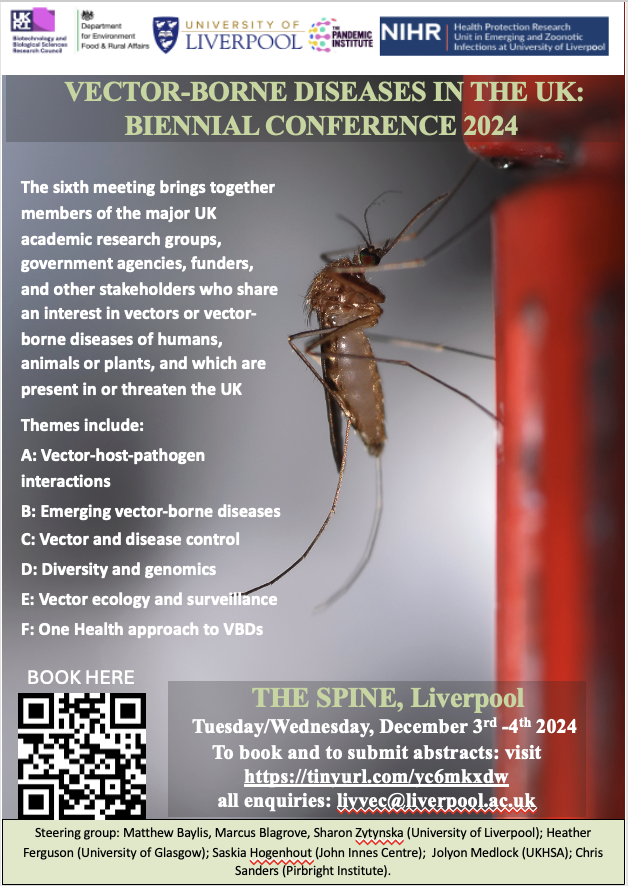
8 months to the UK Vector-borne diseases meeting, Dec 3-4 2024, Liverpool. We have a great line up of plenary speakers: Prof Polly Roy (@LSHTM ); Prof James Logan (@LSHTM) and Dr Trisna Tungadi (@KeeleUniversity). Register, then submit your abstract - deadline is end of May.
Interested in the impact of pesticides and climate change on bumblebee cognition?
Undergraduate work placement for students from underrepresented ethnic groups.
Link below - also happy to answer any questions over email.
https://t.co/W5yxFQ0Obd