Masti for deep rooted moral values.DVG for the philosophical quatrains. SLB for socio political conflicts. Kuvempu for rich poetic realism. Ta Ra Su for life in historical fiction. Karanth for his unpretentious use of words. Gorur for his satire.
Kannada literature has no match.
Unpopular Opinion: Patna will always be a better city than Bengaluru because of its ancient Pataliputra heritage, soulful Bihari cuisine, warm-hearted people, and unhurried riverside pace of life — unlike BLR which is lost in endless traffic, toxic air, and empty hustle.
Unpopular Opinion: Patna will always be a better city than Bengaluru because of its ancient Pataliputra heritage, soulful Bihari cuisine, warm-hearted people, and unhurried riverside pace of life — unlike BLR which is lost in endless traffic, toxic air, and empty hustle.
Unpopular Opinion: Lucknow will always be a better city than Bengaluru or Mumbai because of its rich Nawabi heritage, unmatched Awadhi cuisine, soulful tehzeeb, and relaxed pace of life, unlike B/M which is consumed by chaotic rush, choking pollution, and superficial hustle
@Ketkar4Amit@sankrant When we know it's bacteria, let's directly use bacteria!
Why not get the protein and vitamins directly from the bacteria?
Also we can capture methane which is a greenhouse gas when we control the bacterial digestion process rather than cow.
@ayurvedacharya@sankrant Why not get the protein and vitamins directly from the bacteria which actually makes them inside the cow?
Also we can capture methane which is a greenhouse gas when we control the bacterial digestion process rather than cow.
India’s cities produce most of its wealth, yet they are so woefully underfunded (even accounting for leakages and swindling by muncipal authorities)
Municipal revenue as a share of GDP:
India: 0.9%
Poland: 4.5%
South Africa: 6%
Brazil: 7.4%
UK: 13.9%
Norway: 14.2%
The funding gap has lasted for years. Over the past decade, Centre and state tax revenue rose from 16% to 18% of GDP, while municipal revenue still stays less that measlu 1%.
Property tax shows the same problem. It brings in about 1% of GDP across the OECD. In India it brings in 0.15%.
Cities are responsible for the basics we depend on every day: water, sewage, garbage, buses, footpaths and clean air. These are the services where public spending pays off most directly for citizens, and they are funded the least.
A realistic target is municipal revenue of 3–4% of GDP. Getting there would mean collecting property tax properly, fixing land records, and giving cities both money and the authority to deliver.
India cannot reach developed-country standards with cities this underfunded.
(Prachi Mishra, Ashoka University, via @timesofindia
#UrbanIndia #Cities #Governance #ViksitBharat
Most of the continues forest stretch from Karnataka end properly at state border limit in Keralam.
Below are the pics from Keralam-Karnataka (Kodagu part), one can clearly see the borderline in satelite map as the forest line (majority) stops at the borders limits.
What does Qatari-sponsored history of India for American K-12 school kids look like?
This curriculum was purchased and pushed into U.S. schools; Qatari funded Brown University's Watson Institute (we critiqued in Snakes in the Ganga).
Some highlights:
• "Muslim rulers generally treated Hindus with great tolerance"
• Bhagavad Gita taught "the importance of following the rules of one's caste."
• Text frames the British colonial administration as well-meaning "honest broker."
• The curriculum spins the Khilafat movement was for religious harmony.
• Gandhi, Nehru, and Jinnah at the absolute center of the freedom struggle, blacking-out India's actual freedom fighters—framing freedom as a legalistic negotiation between them and British elites.
• Pakistan believed that because Kashmir was overwhelmingly Muslim, it belonged to the great Muslim community of which Pakistan envisioned itself.
Quotes on Jinnah:
• “Of all the political leaders of early twentieth century India, Jinnah worked the hardest for unity between Hindu and Muslim."
• "It was Congress that insisted on partition. It was Jinnah who was against partition."
• "I have much sympathy with Jinnah, who is straighter, more positive and more sincere than most of the Congress leaders...."
• "He was like God – although we Muslims can’t say God. He was on a pedestal; he was our salvation."
• "The two things that made the greatest impression on me were seeing the Taj Mahal and Mr. Jinnah for the first time. These overwhelmed me as nothing had done in the whole of my life."
https://t.co/FlyxDdrOCM
@InfinityMessage@IFIMessage
#SnakesInTheGanga #Education #India #Gandhi #Jinnah #Partition
Elon, the serious issue is security. What if you or the US state determined they wanted to foment riots in India?
India has many terror-prone hotspots and terrorists could easily use this for communication.
I recently used Starlink on Qatar Airways, impressive. But the main concern in India is security, not competition. The track record of the US deepstate in India is not very good.
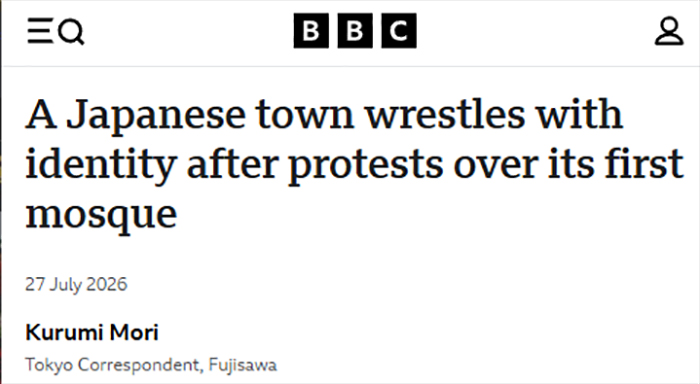
🇯🇵 No, BBC. We are not "struggling with our identity" in Japan. It is you who is struggling with your identity.
We know who we are. We are Japanese. We are not Muslims. We have temples and shrines. We do not have mosques.
We will never forget who we are even if you do.
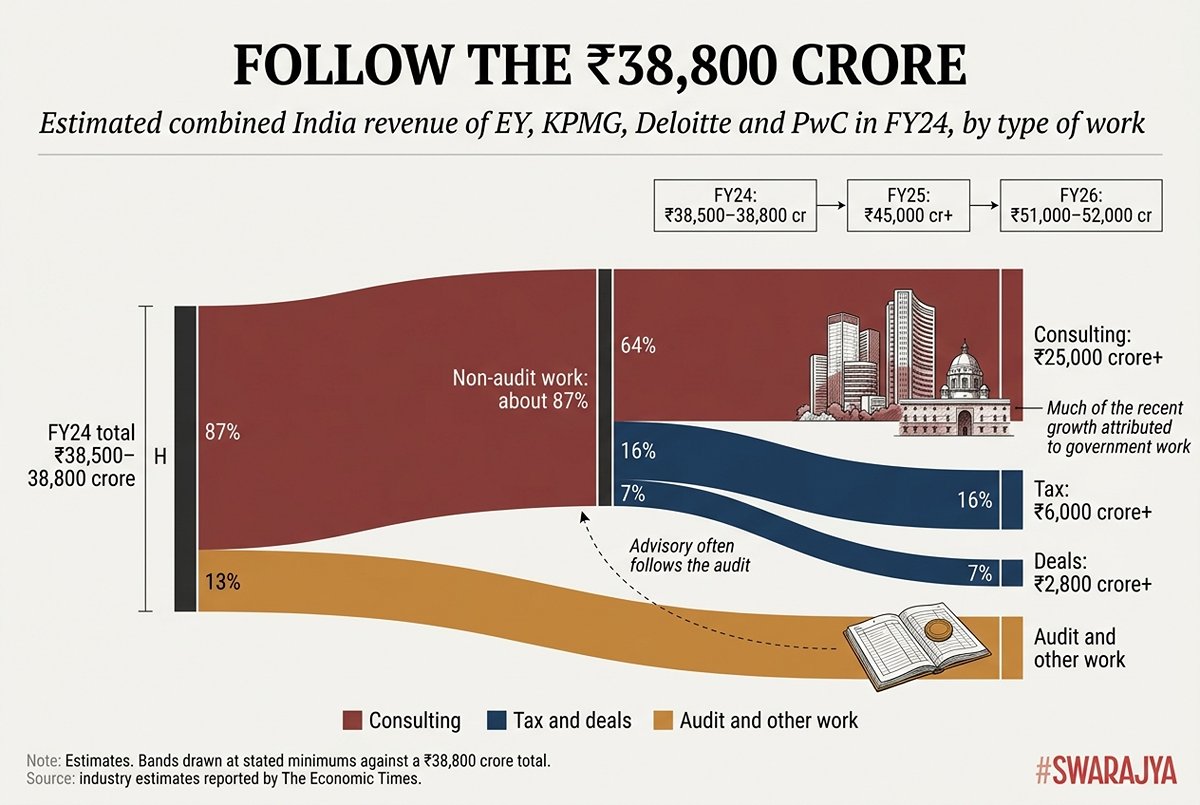
India trains more chartered accountants than almost any country, yet four foreign brands took an estimated ₹51,000–52,000 crore from India in FY26.
PM Modi rightly asked on September 5 why India has no Big Four of its own. The answer is a 1949 law and the government's own tenders 🧵
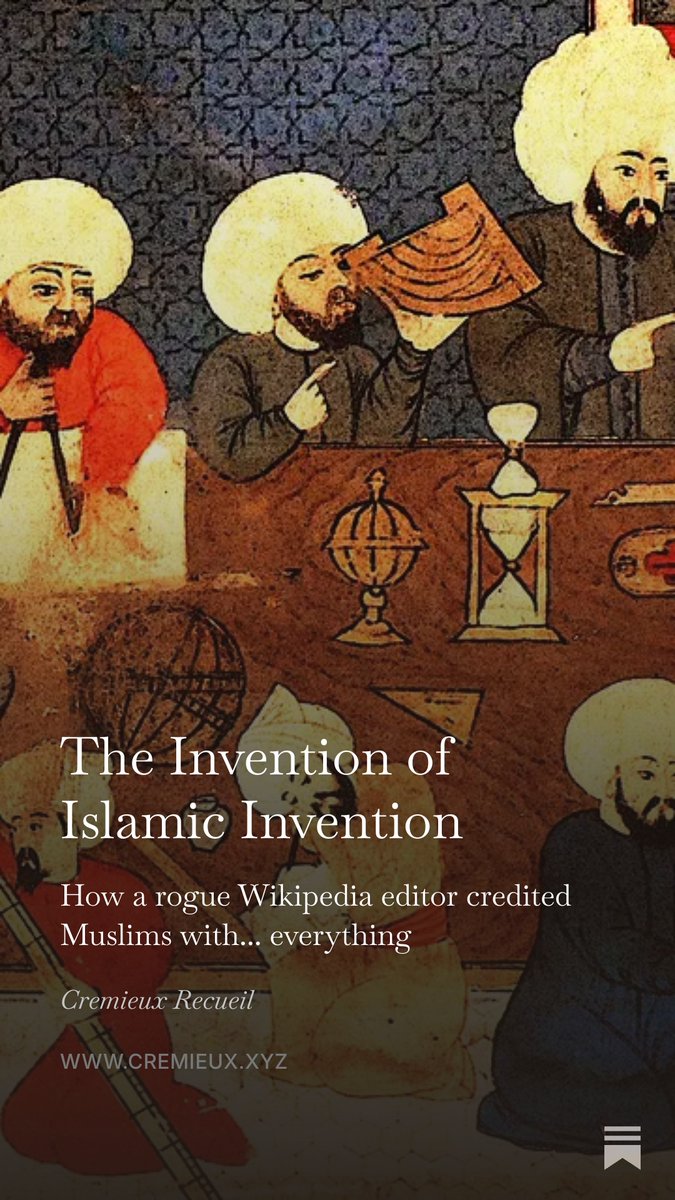
My latest article is about how a rogue Wikipedia editor confabulated and misattributed thousands of inventions and concepts to Muslims
This trolling made its way into blogs, articles, books, and TV programs. You might even believe some of his lies!
Link: https://t.co/4wYDCYPMm3