Eindelijk erkenning voor Long COVID als bijwerking van de covid prikken vanuit main stream RTLNieuws.
Wat een erkenning moet dit betekenen voor alle gedupeerden!
We hopen dat dit de gedupeerden een stapje dichterbij brengt bij aansprakelijkheid.
https://t.co/7Uubb0kCxq
Deze post is samen met @Leon1969 gemaakt
Eindelijk erkenning voor Long COVID als bijwerking van de covid prikken vanuit main stream RTLNieuws.
Wat een erkenning moet dit betekenen voor alle gedupeerden!
We hopen dat dit de gedupeerden een stapje dichterbij brengt bij aansprakelijkheid.
https://t.co/7Uubb0kCxq
Deze post is samen met @Leon1969 gemaakt
Oud-RIVM'er bij de corona-enquête: het vaccinatietempo hing af van 'eenvoud', niet van medische noodzaak. De operatie draaide om logistiek gemak — maar wie destijds vragen stelde, werd als wappie weggezet.
https://t.co/Bki9OvEOvq
Hot take: "vriendschap, liefde, kunst, cultuur en innerlijke stevigheid" weer vinden, daar gaat fysieke, non-intellectuele therapie aan vooraf. Naar de sportschool dus. Of op vossen jagen. Een schuur bouwen. Mannen verwachten teveel van hun rationele capaciteiten om zich uit de waanzin te ontworstelen.
With the Treaty of Lisbon (2009):
• Article 122 TFEU was expanded with a solidarity clause for economic emergencies (and solidarity provisions regarding energy and climate were smuggled into the treaty),
• and the European Union became a full-fledged legal person (Article 47 TEU).
Under Article 122 TFEU, changed in 2009 (Lisbon Treaty), the Council can adopt emergency measures by qualified majority voting, meaning member states cannot block decisions with a veto.
This Treaty explicitly introduced the principle of energy solidarity and expanded EU competences in both energy and climate policy. By embedding solidarity in these areas, the treaties created a basis for collective action at EU level, especially in times of crisis.
This has made it easier to justify the use of instruments like Article 122 to impose coordinated measures on member states, even where national interests in energy mix or climate policy would normally lead to vetoes.
Originally designed for genuine economic emergencies, this provision has increasingly been used to push through major policy decisions, including in energy, financial measures, and crisis responses, often in areas where unanimity would normally apply.
This effectively creates a parallel decision-making track:
- No unanimity required - National vetoes neutralised - Limited role for the European Parliament
In practice, this means the veto has already been sidelined, not abolished formally, but bypassed structurally.
Supporters call Article 122 a necessary crisis tool.
Critics (like myself) argue it is a legal workaround to avoid political deadlock:
- A shift of power away from member states
- A weakening of democratic scrutiny
It is used beyond its intended scope, turning “emergency powers” into a permanent governance method.
In climate and energy policy (and war), this matters a lot:
Using Article 122, the EU has already forced through energy market interventions
- Advanced collective energy measures during crises
- Reduced the ability of individual countries to resist policies that affect their national energy mix
The debate about abolishing veto powers is largely symbolic, because in key areas like climate and energy, the veto has already been neutralised through emergency law.
What used to require unanimous consent can now be decided by majority under the label of “crisis response.”
For citizens – and also for many parliaments – this largely flew under the radar. It was presented as a technical reform, but the effect was fundamental:
a legal basis for large-scale financing outside the ordinary legislative and budgetary procedure.
This provision forms the basis of:
• NextGenerationEU (€750 billion),
• energy and crisis packages,
• the permanent immobilisation of Russian central bank assets as collateral and the use of exceptional financing mechanisms outside standard budgetary procedures,
• and the current discussion about an MFF 2028–2034 of up to €2,200 billion.
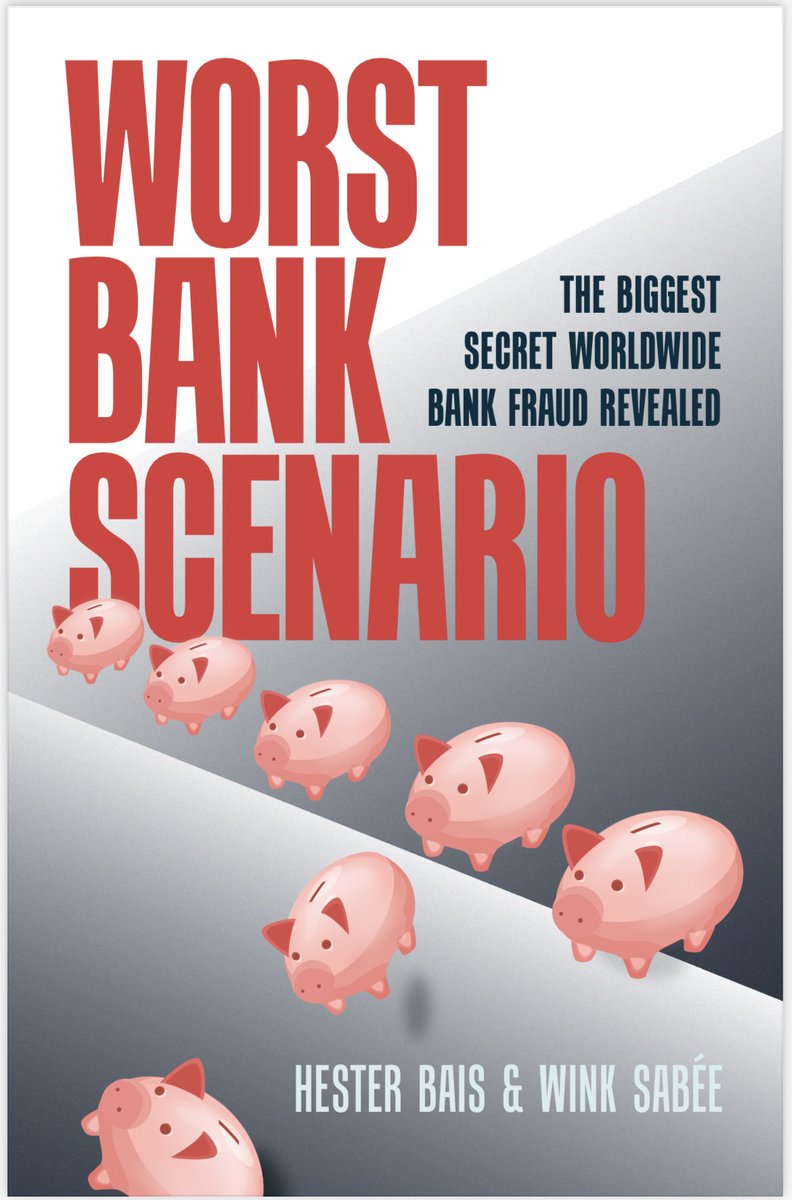
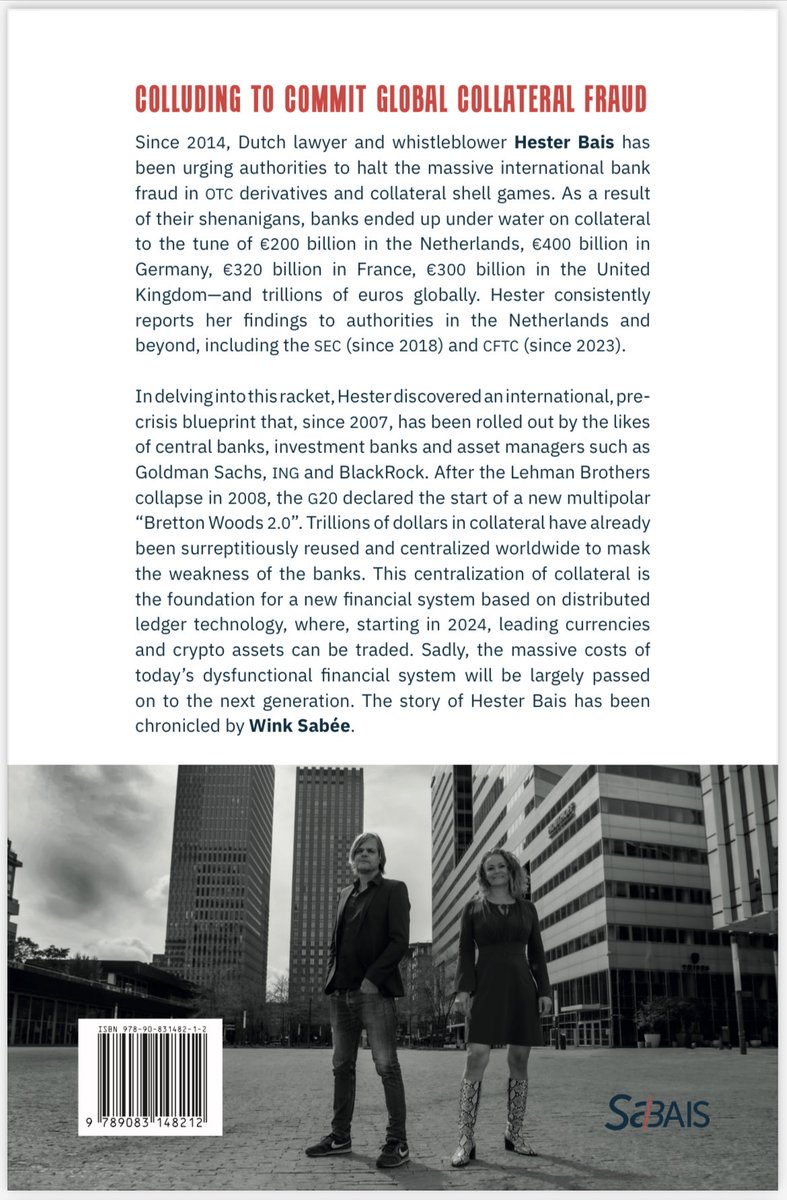
Read Worst Bank Scenario and discover how we are being drawn into the United S̷t̷a̷t̷e̷s̷ Prison of Europe.
With the Treaty of Lisbon (2009):
• Article 122 TFEU was expanded with a solidarity clause for economic emergencies (and solidarity provisions regarding energy and climate were smuggled into the treaty),
• and the European Union became a full-fledged legal person (Article 47 TEU).
Under Article 122 TFEU, changed in 2009 (Lisbon Treaty), the Council can adopt emergency measures by qualified majority voting, meaning member states cannot block decisions with a veto.
This Treaty explicitly introduced the principle of energy solidarity and expanded EU competences in both energy and climate policy. By embedding solidarity in these areas, the treaties created a basis for collective action at EU level, especially in times of crisis.
This has made it easier to justify the use of instruments like Article 122 to impose coordinated measures on member states, even where national interests in energy mix or climate policy would normally lead to vetoes.
Originally designed for genuine economic emergencies, this provision has increasingly been used to push through major policy decisions, including in energy, financial measures, and crisis responses, often in areas where unanimity would normally apply.
This effectively creates a parallel decision-making track:
- No unanimity required - National vetoes neutralised - Limited role for the European Parliament
In practice, this means the veto has already been sidelined, not abolished formally, but bypassed structurally.
Supporters call Article 122 a necessary crisis tool.
Critics (like myself) argue it is a legal workaround to avoid political deadlock:
- A shift of power away from member states
- A weakening of democratic scrutiny
It is used beyond its intended scope, turning “emergency powers” into a permanent governance method.
In climate and energy policy (and war), this matters a lot:
Using Article 122, the EU has already forced through energy market interventions
- Advanced collective energy measures during crises
- Reduced the ability of individual countries to resist policies that affect their national energy mix
The debate about abolishing veto powers is largely symbolic, because in key areas like climate and energy, the veto has already been neutralised through emergency law.
What used to require unanimous consent can now be decided by majority under the label of “crisis response.”
For citizens – and also for many parliaments – this largely flew under the radar. It was presented as a technical reform, but the effect was fundamental:
a legal basis for large-scale financing outside the ordinary legislative and budgetary procedure.
This provision forms the basis of:
• NextGenerationEU (€750 billion),
• energy and crisis packages,
• the permanent immobilisation of Russian central bank assets as collateral and the use of exceptional financing mechanisms outside standard budgetary procedures,
• and the current discussion about an MFF 2028–2034 of up to €2,200 billion.
Read Worst Bank Scenario and discover how we are being drawn into the United S̷t̷a̷t̷e̷s̷ Prison of Europe.
De coronapas is de grootste medische discriminatie die we ooit gekend hebben.
Het was niet gebaseerd op wetenschap en enkel bedoeld om ongevaccineerden hun vrijheid te ontnemen
Vooral gevaccineerden zorgden toen voor de verspreiding van het coronavirus.
Dit was niet ok voor het vertrouwen in de geneeskunde.
Nogmaals proficiat aan alle ongevaccineerden die zich niet lieten chanteren.
Verdrietig dat naast PRO en Denk (antisemitisme brengt hen meer extreme Moslimaanhang) zelfs CDA en Christenunie stemden tegen de motie-Bosma om Utrechts antisemitisme te verwerpen.
Vandalisme, criminaliteit is in 020 de norm.
De invasie is daar de baas. Iets van het TikTok-kabinet gehoord?
Ergernis en zorgen om de-escalatie Amsterdam na winst Marokko: ’Relschoppers zien optreden van politie als pure zwakheid’ https://t.co/yxhwpRbUjo
Het woningtekort in Nederland is gigantisch.
In die schaarste verdienen lokale inwoners voorrang in hun eigen gemeente.
Die voorrang gaan ze nu ook eindelijk krijgen in Oldebroek.
Dankzij de nieuwe coalitie met @CVOldebroek.
🇳🇱Forum voor Democratie‼️
“Als je nu 3 miljoen Afrikanen importeert & hen een Nederlands🇳🇱 paspoort geeft,zijn zij nog niet meteen
Nederlander🇳🇱
Ons land is meer dan alleen een geografisch of juridisch domein.Het is eeuwenoud erfgoed dat we moeten koesteren‼️
Beste @Pro, @D66 en @JuisteAntwoord laat mij raden dat is extreem rechts en desinformatie.
Immers jullie houden niet van feiten immers die ondermijnen jullie #klimaatsekte
Het mooie van X is als je schrijft over iets waarover je zelden schrijft, dat er opeens allerlei mensen zijn die je kennis aanvullen.
En dat die kennis zich zo buiten kring denkers over #stikstofprobleem verbreidt.
Het mooie van X is als je schrijft over iets waarover je zelden schrijft, dat er opeens allerlei mensen zijn die je kennis aanvullen.
En dat die kennis zich zo buiten kring denkers over #stikstofprobleem verbreidt.