My take on the Remco “seat post gate.”
I think that he did not have the super high torque to follow Tadej and co. Likely due to his TT focused training he was not on the same explosive level. Instead on making sense of it and he instead mentally lost focus on ways to reshape the race. That focus went to a sense of failure as his current effort didn’t match his expectations. With race brain he panicked and searched for an explanation for his legs being pinned and found the possible seat post height as the reason.
By stopping when the race was on when he had a functional bike it also showed his irrational focus was more on finding an explanation why he couldn’t follow rather than getting back to Tadej. It also showed he would rather end his race to prove he didn’t have the legs in that moment rather than join everyone else chasing right away.
His incredible fitness and the fatigue of the other riders on such a hard course allowed him to get back into the race. I don’t think the proper seat post height did this.
In the end he proved the second best rider on the day and likely him being unable to match the high torque efforts when Tadej escaped allowed his legs to have more in them then the others in the end.
Remco continues to be the most “human” freak of this new generation and I don’t think there is anything wrong with it. Maybe his own this stuff more in the future because we all can relate so well, he will gain even more fans.
The importance of genes is less than that of our habits for health or performance, but among people with similar habits and lifestyle, genes are what make the difference.
"10 cosas que sí y 10 cosas que no"
Genial este post de Alex Gonzalez de Hundred, todo un referente para mi en el mundo del emprendimiento, pese a no llevar mucho tiempo ni ser una empresa tech.
Cero bullshit y muchas joyas en estos 20 puntos
https://t.co/vLCXnuRUZm
Governments should be freaking out about the fertility crisis. Eg:
🇫🇷France initially lost WW1 & WW2 because of fertility
🇺🇸The US' power comes more from population than economy
🇰🇷South Korea might disappear this century
🇮🇱Israel actively fights this
Thread 🧵:
Marissa Mayer on scaling Google and the internal black market CEO Eric Schmidt created for new hires
“One of the things that [former Google CEO Eric Schmidt] talked about a lot was that at every order of magnitude, you should expect every process to break—and you should expect to have to completely reinvent it. It’s very different to deal with tens of people versus hundreds of people versus thousands of people”
Marissa shares a story of how one time Eric reinvented Google’s hiring process in a way that initially frustrated everyone:
“We had closed the year at about 200 people, and we had a plan to double the size of the company over the coming year. Eric showed up in March, looked at the plan, and said: ‘there’s just no way you guys are going to be able to double the number of employees and keep the quality and culture the way you want it to be.’”
Eric then told the company that he would let them collectively hire 50 people that year—versus the 200 they were planning on hiring. And to enforce this, he created 50 laminated dollar bills with Larry Page and Sergey Brin’s faces on them and distributed them to Google’s VPs. Every new hire that year would require one “Larry & Sergey” bill.
Naturally, a black market for these “Larrys & Sergeys” developed, and as Marissa describes, it became surprisingly efficient:
“What would happen is the Head of Sales would have one and he would really need a new feature to make a sale. So he would [say to the engineer]: ‘look, I’m going to give you this Larry & Sergey but you have to promise you’re going to use it to hire someone who is going to build this feature to secure this revenue.’”
She continues:
“As painful as it was because there was way too much work to slow down our hiring like this, [the new process] was actually a really good moment for the company because it made us be really thoughtful about how we were scaling and where we were putting our resources. We had to be that much more thoughtful about what to prioritize and where the opportunities were. Yes, hypergrowth is really fun, but you also need to realize that you want that hypergrowth to happen in terms of users and revenue—and not necessarily in terms of the size of the company.”
The single biggest commonality of the most successful investors having interviewed 2,850.
The large majority of the best moved many times in their childhood, different homes, countries, schools.
By far the biggest commonality.
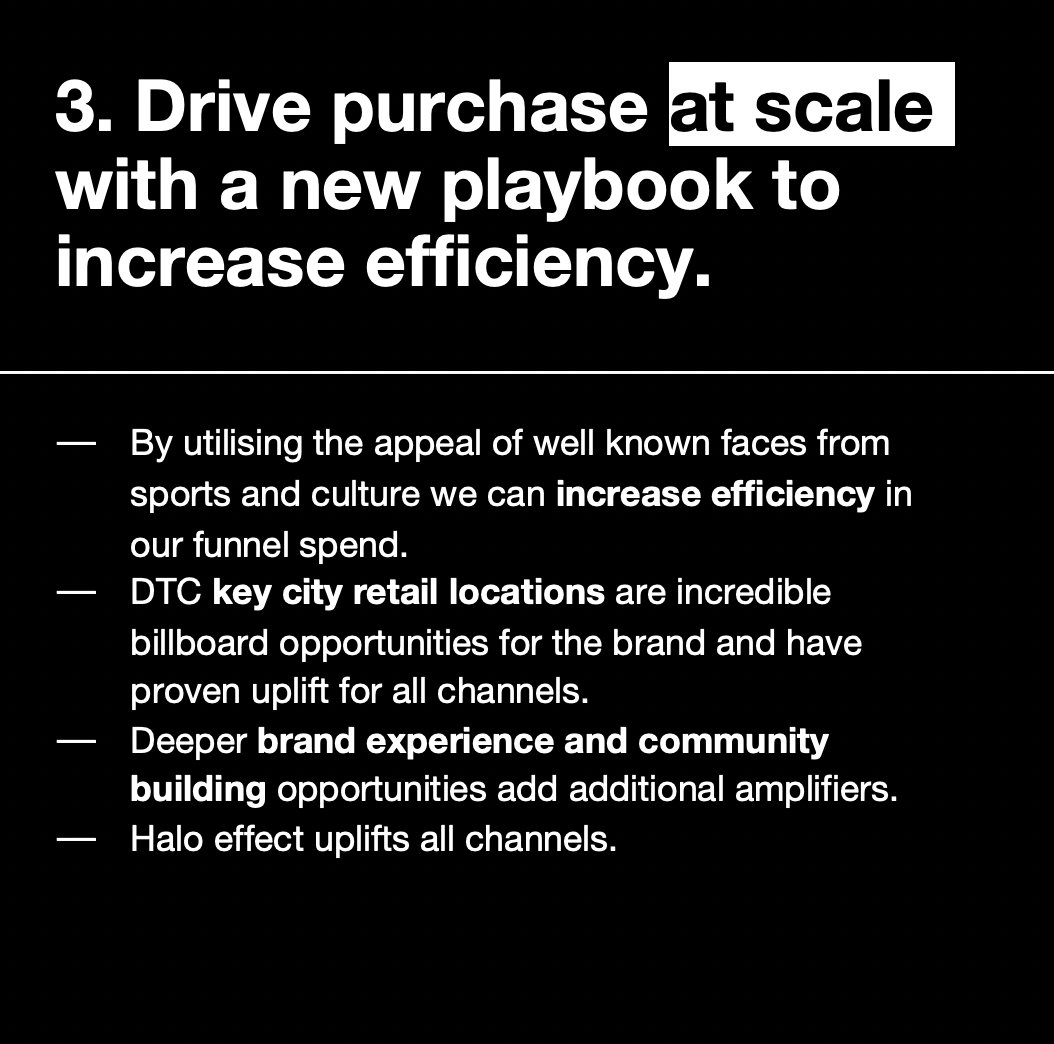
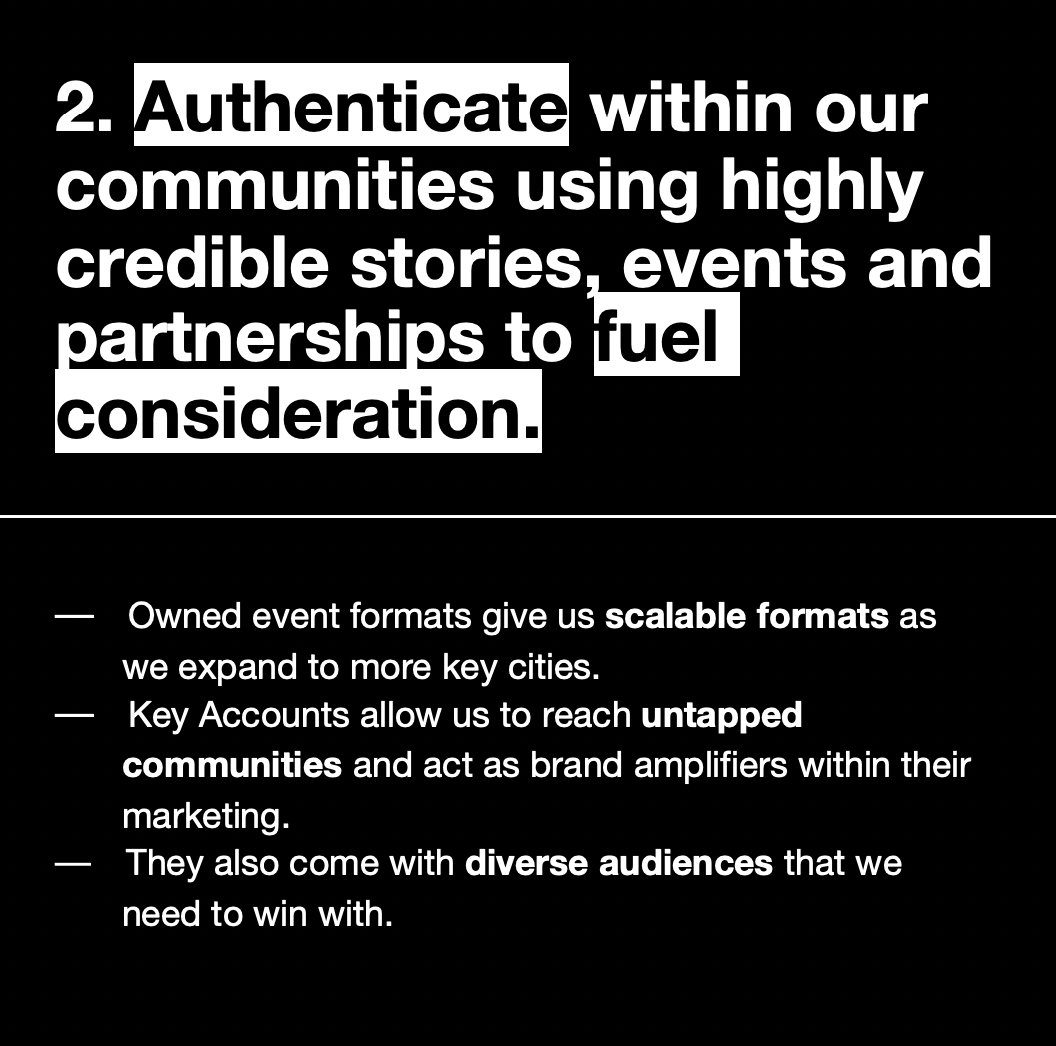
Canela fina la presentación del Investor Day de @on_running: además de números (creciendo una salvajada) a partir de la slide 50 comparten su estrategia para construir la próxima gran marca atlética.
https://t.co/iD8e3nOSmX