IIT बॉम्बे की टॉपर प्रिया मिश्रा का बयान चर्चा में है।
तीसरे साल की छात्रा प्रिया मिश्रा ने कहा —
“छात्र के परिवार के लिए दुख है। लेकिन सूर्यनारायण सर को सजा क्यों मिल रही है? अगर नकल नहीं होती, तो सर कोई कार्रवाई नहीं करते।
30-40 पर्सेंटाइल लेकर IIT में आ जाते हो, और फिर परीक्षा में मोबाइल से नकल करना चाहते हो क्योंकि दबाव नहीं झेल सकते। मैं 90 प्रतिशत ला सकती हूँ, लेकिन मेरे पास आईफोन खरीदने के पैसे नहीं हैं।
विशेषाधिकार मुझे मिलना चाहिए, ऐसे बच्चों को नहीं।
केस उनके माता-पिता पर होना चाहिए। केस उस सिस्टम पर होना चाहिए जिसने एक कमजोर और अनपढ़ बच्चे को इतने बड़े संस्थान में भेज दिया, जहाँ दिमाग, IQ और दबाव झेलने की हिम्मत चाहिए।
अगर दबाव नहीं झेल सकते तो घर बैठो। सीट बर्बाद मत कर���। सूर्यनारायण सर का इस्तीफा इस देश के हर ईमानदार शिक्षक का अंत है, और अब नकल शर्मनाक काम भी नहीं रहेगी।”
ಬೆಂಗಳೂರು Outer Ring Roadಗೆ ಮತ್ತೆ ₹450 ಕೋಟಿ ನಿಗದಿಪಡಿಸಲಾಗಿದೆ. ಆದ್ರೆ ಈ ಹಣ ಹೇಗೆ ಖರ್ಚಾಗುತ್ತಿದೆ?
ORRಗಾಗಿ ಈಗಾಗಲೇ ಸಾವಿರಾರು ಕೋಟಿ ರೂಪಾಯಿ ಖರ್ಚಾಗಿದೆ ಆದರೂ ರಸ್ತೆ ಪರಿಸ್ಥಿತಿ, ಟ್ರಾಫಿಕ್ ಸಮಸ್ಯೆ ಮಾತ್ರ ಹಾಗೆಯೇ ಇದೆ.
ಈಗ ಮತ್ತೆ ₹450 ಕೋಟಿ!
ಈವರೆಗೆ ಖರ್ಚು ಮಾಡಿದ ಹಣದಿಂದ ರಸ್ತೆ ಸುಧಾರಿಸಲು ಏನು ಕೆಲಸ ಮಾಡಲಾಗಿದೆ? ಹಣ ಎಲ್ಲಿ ಖರ್ಚಾಗಿದೆ? ಮತ್ತೆ ₹450 ಕೋಟಿ ಯಾಕೆ ಬೇಕು?
ಜನರ ಹಣ ಖರ್ಚು ಮಾಡುವಾಗ, ಜನರಿಗೆ ಲೆಕ್ಕ ಕೊಡೋದ�� ಸರ್ಕಾರದ ಜವಾಬ್ದಾರಿ.
ಹಣ ಖರ್ಚು ಮಾತ್ರ ಹೆಚ್ಚಾಗ್ತಿದೆ. ಸಮಸ್ಯೆ ಯಾಕೆ ಕಡಿಮೆಯಾಗ್ತಿಲ್ಲ? @GBA_office @GBAChiefComm
So @Meta@instagram and @facebook are randomly and repeatedly showing posts of random people whom I have never followed, don’t even know the existence of, as much as 15-20 times a day in my feed. There is one thing common in these posts, ALL of them are supporting the cockroaches. Even if you press ‘not interested’, it doesn’t matter. The feed is flooded with these posts. Meanwhile, the govt is happy with the fed news that @narendramodi’s video has been seen 3.3 M times! But what about this blatant propaganda that is repeatedly reaching the feeds of millions of impressionable minds?
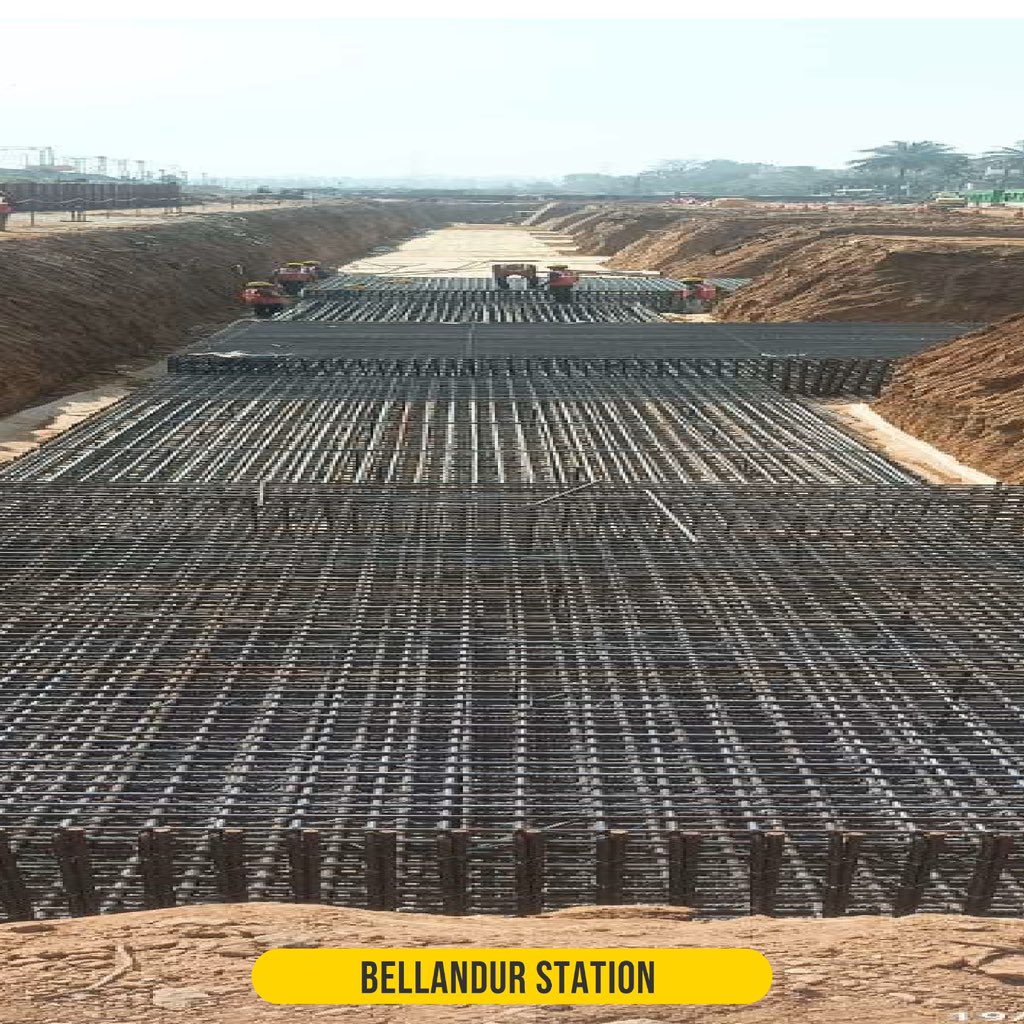
@AshwiniVaishnaw After 66months,approx %age of on-ground work on 4 corridors:
C1-0
C2-abt 10
C3-0
C4-abt 5
Even Tender for GAMECHANGER C1 yet to start
Shocking to term it "rapid" progress
As days pass,cost escalation also creeping in.
@AshwiniVaishnaw@KridePrm@CMofKarnataka@Tejasvi_Surya
@KridePrm
Please start updating on daily basis on progress and status of each of the lines, stations, availability of trains
Most importantly please share the targetted timelines and pin it to your X account
Be as transparent as possible
People deserve to know every detail
KRIDE has achieved a key milestone in the Bengaluru Suburban Rail Project (BSRP) by launching the first 25.0m span I-girder between piers P19-P20 on Corridor-2 (Mallige Line) near Chikkabanavara viaduct section on May 4, 2026. This erection marks significant progress on viaduct for connectivity between Yashwanthpur to Soladevanahlli.
*Girder Specifications*
The I-girder features a straight span of 25.0m (Span ID: P19-P20), with a girder length of 22.90m and height of 1800mm (top width 1060mm, bottom 860mm). It consists of 3.50MT of steel and 26 cubic meters of concrete, with pre-stressed concrete.#Bengaluru _Suburban_Rail_Project
#BSRP
@RailMinldia
@AshwiniVaishnaw@MBPatil@SWRRL@KfW_FZ_int@RVNL@PJB@NCC@MBPatil@GBA_office@VSOMANNA_BJP
The breast is not just feeding the baby. It is reading the baby.
When a baby feeds at the breast, the same suckling action that draws milk out also pulls a small amount of the baby's saliva back into the nipple and into the milk ducts. Scientists call this "retrograde duct flow".
This hypothesis was put forward by lactatiom biologists and they are gathering evidence through research - If the baby is sick, that backwashed saliva carries traces of the infecting pathogen into the mother's breast tissue. Her immune system detects it, identifies the threat, and begins manufacturing targeted antibodies. These then appear in the very next feed of milk delivered to the sick infant.
Human studies have steadily supported this. Riskin et al. (2012), published in Pediatric Research, demonstrated that when nursing infants were ill, their mothers' milk showed a dramatic surge in white blood cells, particularly macrophages, along with raised levels of TNF-α, a key inflammatory signal. These levels fell back to normal once the baby recovered. Mothers of healthy babies showed no such changes.
Hassiotou et al. (2013), in Clinical and Translational Immunology, confirmed that both maternal and infant infections trigger a rapid leukocyte response in breast milk. Then a landmark 2022 study in Nature provided the clearest mechanistic proof yet. It tracked a virus from an infected mouse pup's saliva, through the nipple, into the mother's milk ducts, and demonstrated a subsequent antibody surge in her milk.
Taken together, the evidence describes a mother and infant in quiet, continuous biological dialogue through the breast. Illness whispered through saliva. Answered in medicine. Still remains a hypothesis but the evidence is piling up.
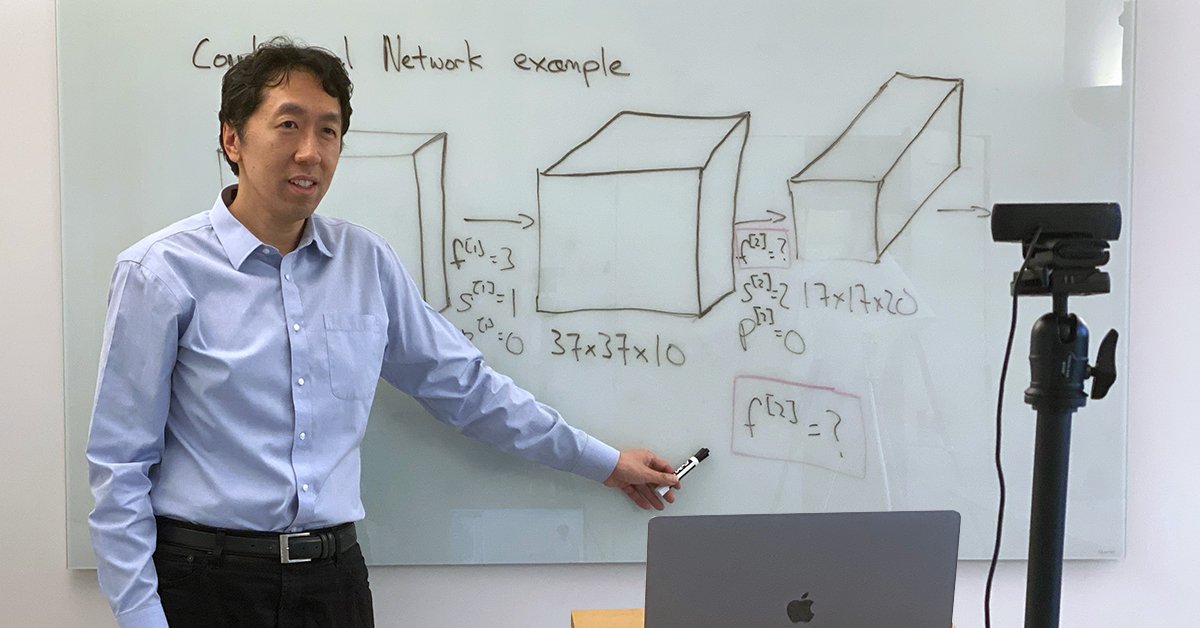
A Stanford CS professor told his class something at the start of the semester that made half the students close their laptops.
He said the skill that will separate the people who thrive in the next decade from the people who stall has almost nothing to do with coding.
His name is Andrew Ng, and he has trained more machine learning engineers than almost anyone alive.
Here is what he said, and why it changes how you should be learning right now.
He said the bottleneck is no longer writing code. It is knowing which problems are worth solving in the first place. For thirty years, being a good engineer meant being able to build what someone else defined. In the world that is arriving, every engineer has infinite leverage to build almost anything, which means the person who picks the right thing to build now wins by orders of magnitude over the person who builds the wrong thing flawlessly.
His framework for problem selection is deceptively simple. He calls it the three-question filter.
The first question is whether the problem you are working on actually matters to someone who would pay for it or use it daily. Most students fail here. They work on projects that are interesting to them and nobody else, and then wonder why the portfolio produces no offers.
The second question is whether the problem is still hard now that AI exists. If a single prompt to a hosted model solves it, the problem is no longer valuable to solve yourself. The interesting problems live in the gap between what AI can do alone and what it can do when combined with domain knowledge, careful system design, and data nobody else has access to.
The third question is the one most people skip. Can you actually ship a working version in a week. Not a polished version. A crappy, embarrassing, actually-functional version. Ng said the number one predictor of which of his students ended up building something important was not talent. It was the willingness to ship something bad fast and then improve it in public.
He said the students who kept tweaking in private for six months before showing anyone almost always produced worse final work than the students who shipped a broken version on week one and iterated based on real feedback.
The people who are actually winning right now are not the ones with the best ideas.
They are the ones who learned to pick problems that matter and ship solutions that barely work, before anyone else has even finished thinking about it.
If true, this reinforces my point I repeated many times for years: India’s defence security is fragile, being contingent on many countries.
Sovereignty As A Subscription Service (SAASS).
Result of renting brains in the name of “IT Services” and not taking the hard road of original R&D. Reliance on open source and other kinds of shortsighted Jugaad.
Unpopular to point this out to emotional addicts.
Maruti has never designed a single engine in forty years. Tata's "indigenous" Revotron was optimised by Austria. Mahindra's new electric SUVs run on BYD cells and Valeo powertrains.
After seven decades, India's $118 billion auto industry still rents the technology at its core — and the EV transition is reproducing the same pattern with different suppliers.
https://t.co/g3IPtPeWcB
It’s all open source models from here.
American AI companies are simultaneously fighting Democrats (by automating blue jobs), Republicans (by rankling the US military), and China (by fruitlessly combating distillation attacks).
Solve for the equilibrium: open source models become the only trusted models. Centralized American AI burns bright, makes a ton of money, but eventually gets outcompeted by the privacy, freedom, and trust of decentralized local AI.
By 2050 India’s 60+ age population would be 20% of India’s demography, out of which the most exponential rise is that of those in 80 year bracket, yet the Union Budget has failed to address their concerns:
- Railway concessions withdrawn
- GST between 12-18% on elderly care and essentials
-Tax Structure unchanged
-Healthcare deduction under Sec 80 D and 80DDB unchanged
-insurance premiums are high
-no Universal Old age Pension
- those above 60 not covered in Ayushman Bharat except those in specific categories
For over a decade, Bengaluru has seen the cost of living soar, but if there is one segment of our community that has been left behind, it is our Auto Drivers.
The simplest way to understand this is by looking at our daily breakfast. In 2015, a standard plate of Idli-Vada in a local Darshini cost approximately ₹30, while the auto minimum fare was ₹25. Today, in 2026, that same Idli-Vada costs between ₹85 and ₹90, yet the auto minimum is only ₹36. While the price of a basic breakfast has surged by 183%, auto fares have grown by a mere 44%.
In fact, auto fares are the slowest-growing essential service in the city, lagging far behind the costs of fuel, milk, and house rent.
Furthermore, the input costs for drivers have not stayed stagnant; since 2015, the price of a new vehicle, insurance, and routine maintenance has nearly doubled.
Our auto driver community is the backbone of Bengaluru’s last-mile connectivity. We should not only support them but also request the GoK to re-evaluate the auto fare structure immediately. Aligning fares with the current cost of living is essential to ensure that our fellow Kannadiga drivers can lead a life of dignity and maintain a stable livelihood.
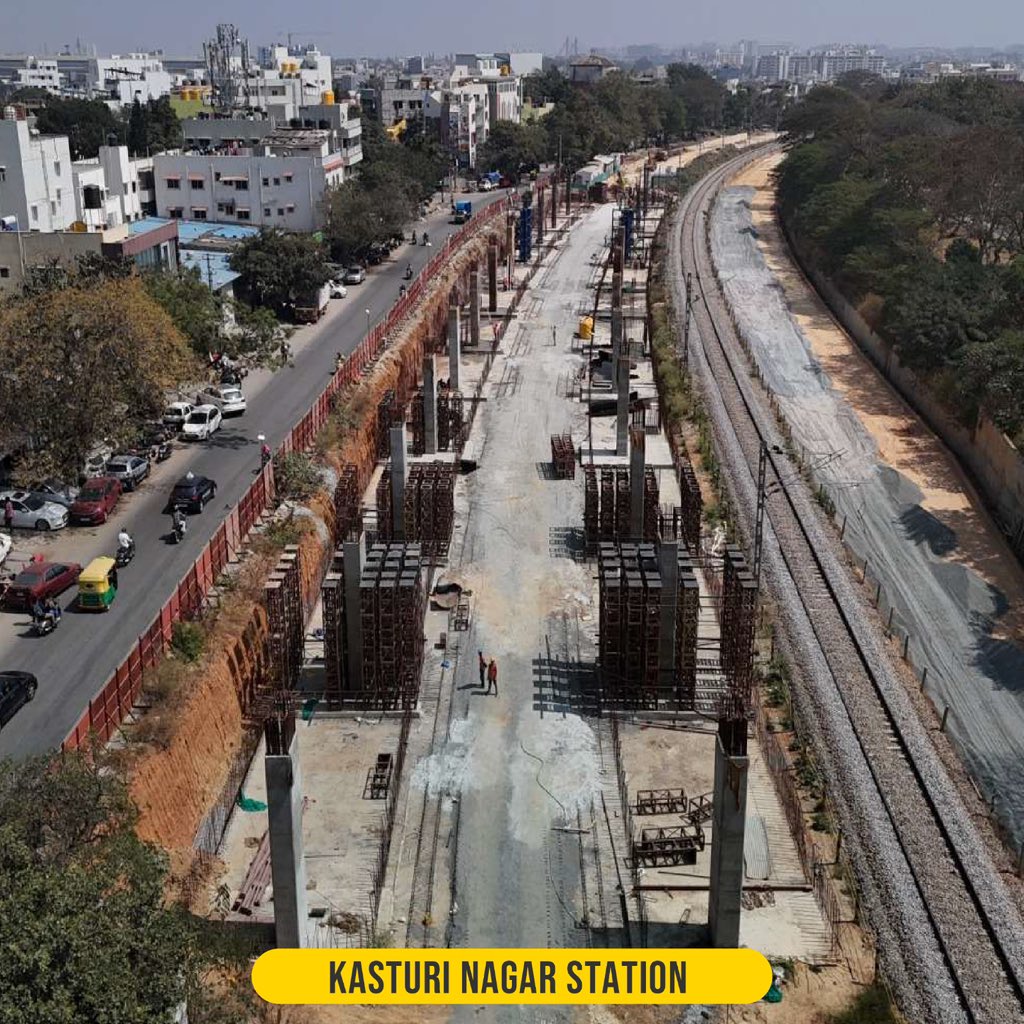
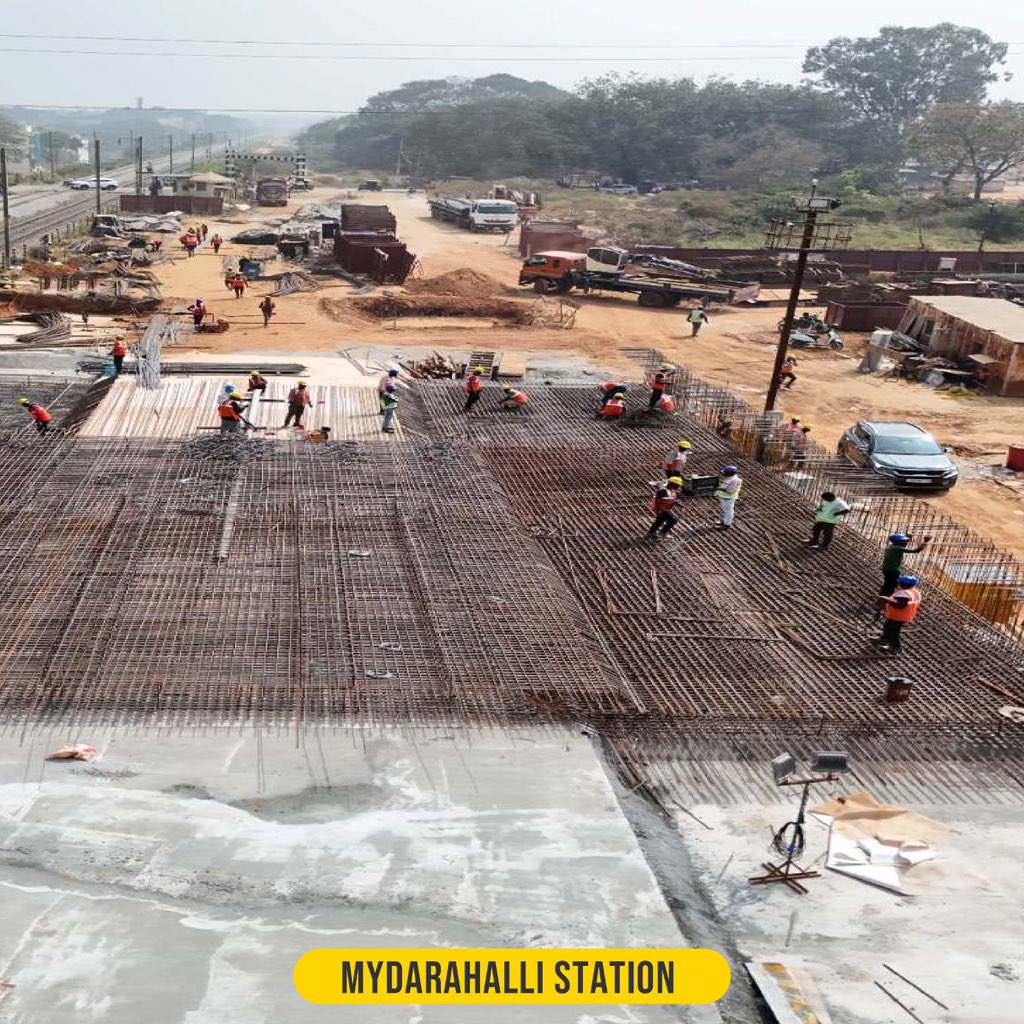
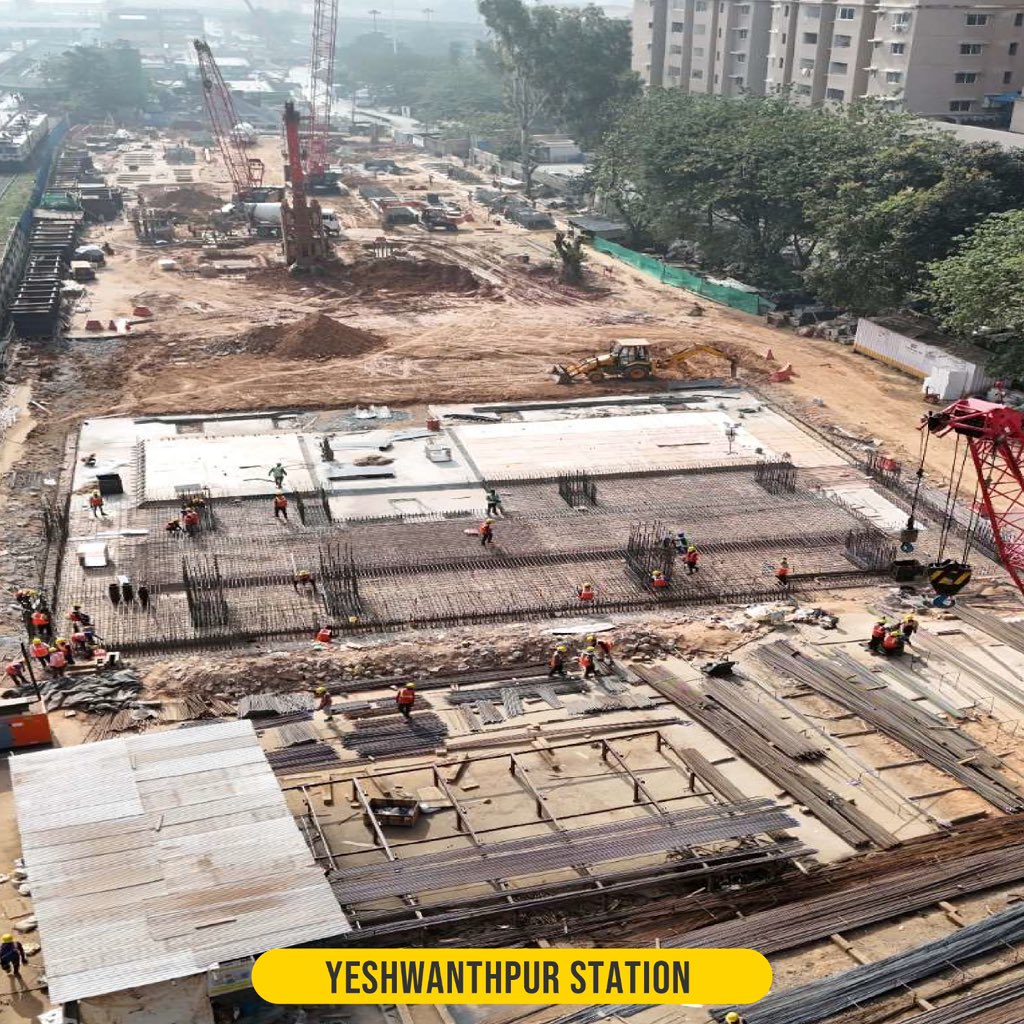
Transforming urban mobility for Namma Bengaluru!
🚉 Being developed by K-RIDE, the Bengaluru Suburban Rail Project is progressing rapidly, paving the way for smoother and faster commutes.
- India can’t purchase russian oil
- India can’t charge even 1% tariff
- USA will charge 18% tariff
- USA commits $0 to India
- India commits $500B
- Agriculture sector opened
- India will reduce paperwork/license requirements for USA
- USA will do nothing
I don’t understand how this is a good trade deal for India. This is a good deal only for the USA.
The stock market will not be happy with this deal in the long run. However it could show happiness for the stability that this deal brings.
@SarvamAI@nsitharaman Listened to the kannada version. Felt that its still not upto the mark, still a long way to go. I don't think it's production ready yet to start chest thumping