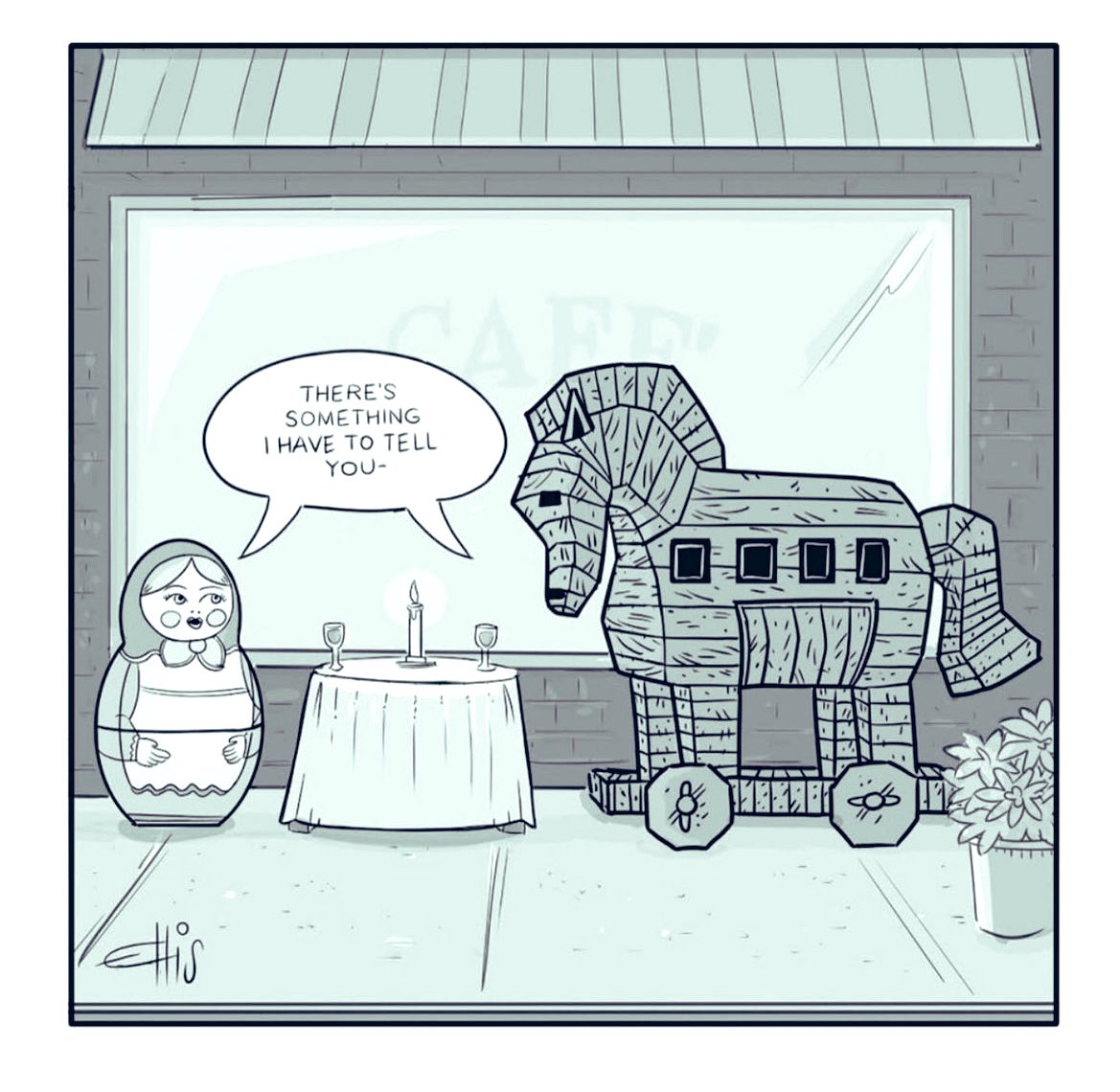
I’m confused by how clean personal growth is made to sound - Like once you “get it,” life just stacks progress on top of progress.
That hasn’t been my experience. It’s been forward, backward, rebuild - sometimes landing lower than before.
How did growth become a straight line?
@hvpandya@googlephotos Have you checked out @enteio ? These guys are super big on privacy, on-device encryption, and have been gaining decent traction.
Plus I know the founders 🙃
Despite all the buzz around D2C, q-com and e-com, and despite all these channels growing much quicker than the market, any consumer founder you speak to will always want to go and scale offline and become an omnichannel brand
And to build a large (500 cr+) profitable consumer brand, I don’t think not going offline is even an option in 99% of categories
Caveat: Wherever I have mentioned offline, I have primarily considered General Trade, which is 80% of offline in most categories
Why offline?
a) Channel Mix: Most categories still have 80-85% volumes coming from offline channels. And while the online channels are growing, most existing categories will still continue to have a significant offline share. Channel mixes don’t change overnight in any category. Brands that try to have a significantly different channel mix from the category at large usually end up with much higher CAC.
Eg: If 80% of consumers buy shoes offline, it means unless you are present offline, your effective TAM is only 20% of the universe. And while you may argue that you can try and persuade a consumer to buy online through ads/offers, it would mean significantly higher CAC as in addition to convincing about product/brand, you are also persuading someone to change their channel preference
The only exception to this rule is if you are launching a new category itself or the current category where you are launching is small and doesn’t have an established channel yet. Eg: premium protein bars, electric toothbrushes, water flossers etc could be such examples. In these categories, going offline isn’t a no brainer and needs to be evaluated
b) Profitability at Scale : The rule of thumb is that if the more fragmented it is, the greater the margin retention and power for the brand. Conversely, if a channel is more organized, such as e-commerce or q-com or Modern Trade, the margin retention and power shift towards the channel.
When you have 100s of distributors and 1000s of retailers selling your product, you are not dependent on few partners. And thus margin power stays with the brand
When it is few players controlling the entire channel ( eg: Swiggy/Zepto/Blinkit in quick-com), the cost of doing business will always be significantly higher compared to offline
The other reason why profitability improves at scale is that you get the benefits of economies of scale. General Trade is a compounding channel. Yes, to open any city, you need to invest a fixed amount in manpower and trade marketing collaterals in most shops. But once the shops starts selling in greater quantities, your costs more or less stays the same. Thus improving profitability. This is unlike channels like e-com/D2C where the cost of acquiring customers only increases after a certain point
c) Omnichannel Consumer: The consumer is truly omnichannel. They will discover online, buy offline and also discover offline, buy online. This is behaviour displayed by a good chunk of consumers. So if your product is not available at the store, you lose out on this entire cohort of consumers. And having an offline presence helps build more trust with consumers. They can physically examine the product. The ability to “touch and feel” does and will continue to be an important parameter for trust. If you’re visible, you’re credible
When to Go offline?
For digital-first consumer brands thinking to launch offline, it’s critical to get the timing right. The investment is high both in terms of time and money. The risk is even higher because, unlike e-commerce marketplaces, you don’t get second chances easily. On Amazon, if you fail with a launch once, you can re-launch with a different branding and messaging. But in GT, a false start is hard to rectify
So when should you start offline? Ideally, only after you experience product-market-price-fit on D2C or e-commerce channels. You know that your product is accepted and wanted in the market at the price you’ve kept, and offline channels will only accelerate growth
But how do you identify if you have achieved PMF on online channels? There are a few indicators:
a) Your product’s share in e-commerce in your price category should be 10% or more. Eg: If I am selling a 7000 Rs mixer and I do not have a 10% market share in the >6000 segment on Amazon, it is too early to go offline. If I can’t beat large incumbents online, it will be foolish to assume I can do that on their playground, which is the offline market
b) Product Ratings greater than 4.3. This shows that the product delivers what it commits it will deliver
c) Conversion rate higher than the category average at the price point. It shows that Value>Price. This is extremely critical as it is very difficult to tweak/play around with pricing once you launch offline
d) High repeats ( if you are in a repeat category). This is the strongest identifier of a great product and increases your chances of success when you go offline
All the above parameters point to some kind of organic pull from the market. When such a product is taken offline, the probability of success is much higher
But online PPMF alone and some kind of organic pull is not enough
The reason is that driving sellout from offline retail counters is extremely difficult. Yes, you can have the best distributor, best sales processes, be present in the best counters. But if your product does not sell from the counters, you will fail
It is obvious and the same holds true in online channels as well. The only difference is in online channels, you have 100x more control on the execution of the sellout levers. If products aren’t getting clicks on Amazon, you can increase spends on search ads. If conversion is low, you can increase discounts. You get the drift
It is extremely difficult to execute this at scale efficiently in offline channels. And hence if there is no pre-existing demand for your product or a solid demand gen plan, launching offline is bound to fail for new age brand
Retailers have two primary objectives: maximize earnings and sell good products. The earning from sales is their livelihood. And they need to stock good products to retain the trust of their customers and ensure repeat visits.
So basically, they want to stock products that:
· Customers want and love
· Are easy to sell and fast moving
· Have good margins and trade schemes
It’s almost a given that retailers will retain a higher margin from new brands for the risk they’re undertaking. But high margins don’t mean much without good sales. And to drive sales, brands need to do a lot of work on the ground and even away from it.
There are only 4 ways to ensure sellout increase from retail counters
a) Get more people to come and ask for your brand/pick your brand
b) When people are looking for the category and haven’t decided on a brand and is asking the retailer, get the retailers to push your product
c) When people are looking for the category and haven’t decided on a brand and is looking around the store, get your in-shop display to grab attention and bring the product into the consideration set
d) Have promoters in shop to push the brand to people who haven’t decided on the brand
And all of this need significant investment in manpower, on-ground demand gen ( BTL, promoters, extra margins, schemes etc) and overall demand gen ( brand, performance spends) in that geography
And unlike digital channels, since there are so many stakeholders involved, the chances of poor execution is high. And it also takes time to show results
So, the other most important part while going offline, is to account for the investments and time that will be needed to get results. If your financials don’t allow that today, do not expand offline
In a nutshell, go offline once you have clear Product Price Market Fit online, great product reviews, some pre-existing pull, a detailed offline demand generation plan and the ability to absorb all the financial hits for the first 9-12 months
And even then, do not start with more than 1-2 markets. Perfect the process in a couple of markets ( preferably where you already have demand) and then expand into other markets
Winning offline is very difficult. But following this process will significantly increase the odds of success in the most profitable channel in most categories- offline General Trade
Need help with the GST/HSN finder tool at cleartax @gst_clear @ClearfromCT
It’s throwing up wrong, inconsistent rates and my client insists on only using this tool to verify 🤯
Anyone from the dev team I can connect with? Urgent, else an entire product line gets rejected 🚨
@FURLENCO@FurlencoSupport
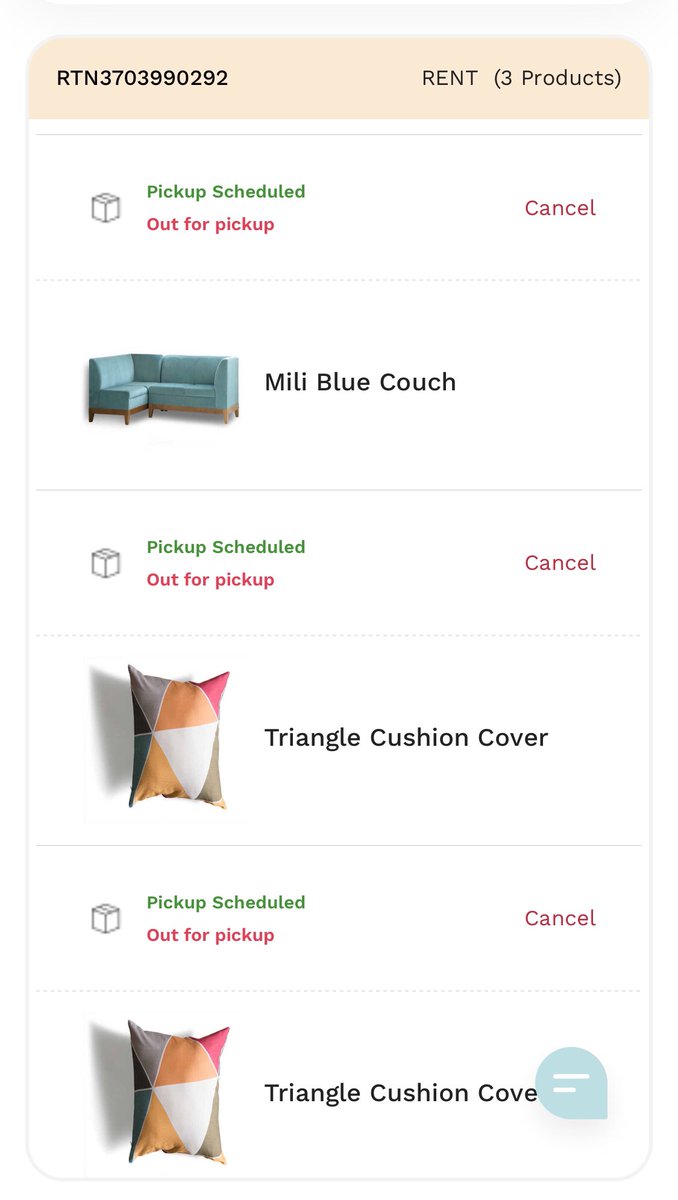
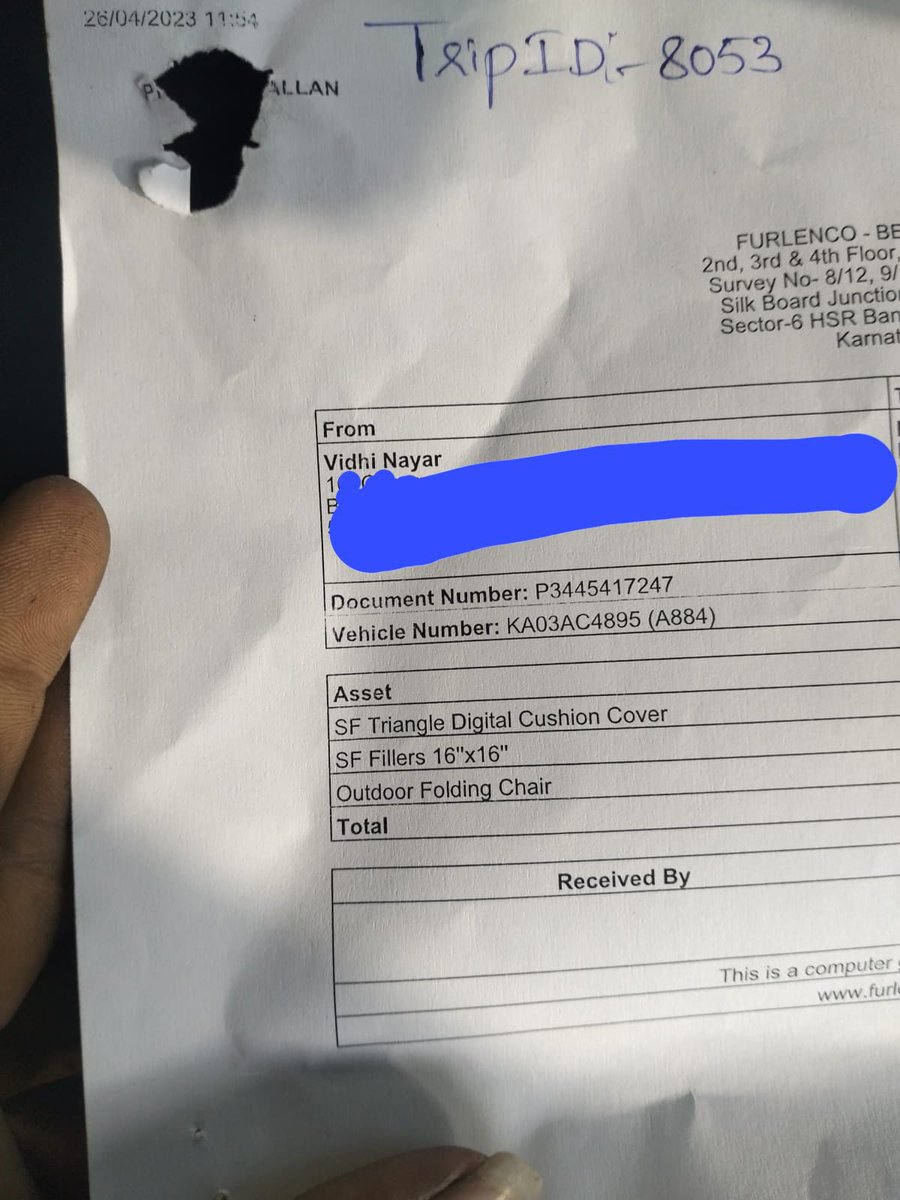
An issue with the pick up - different items show up at the pick-up execs’ end.
We ONLY have the couch and cushions. And they refuse to pick it ip as it does not show up for them.
How do we solve this?
Folks, I’m on the early access list on @WeAreOpenvy and you should be too 😃
Secure your username using my referral link and earn 110 Coffee Beans! https://t.co/n6O0MwMD0m