They said photography wasn’t art.
They said cinema wasn’t art.
They said video games weren’t art.
Now they say AI arts/digital art isn’t art.
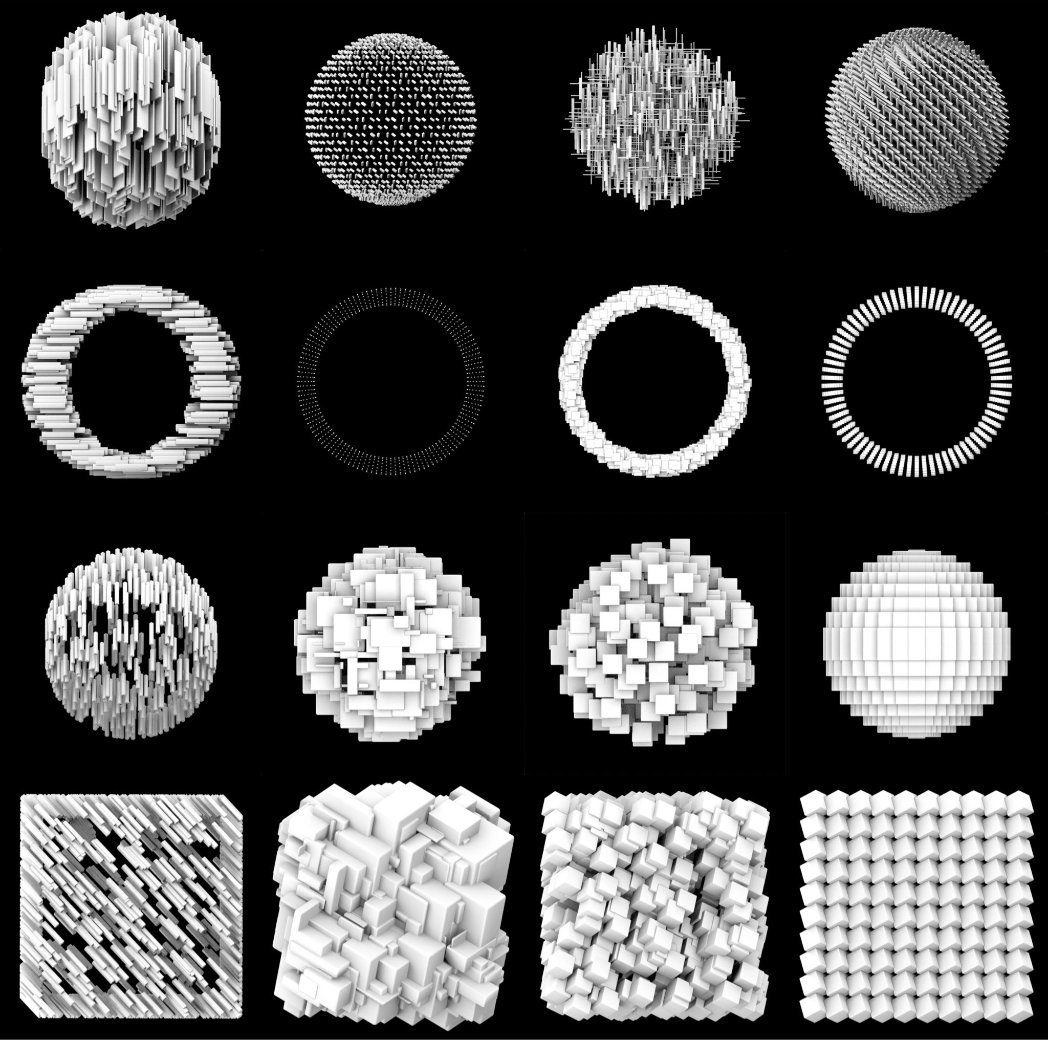
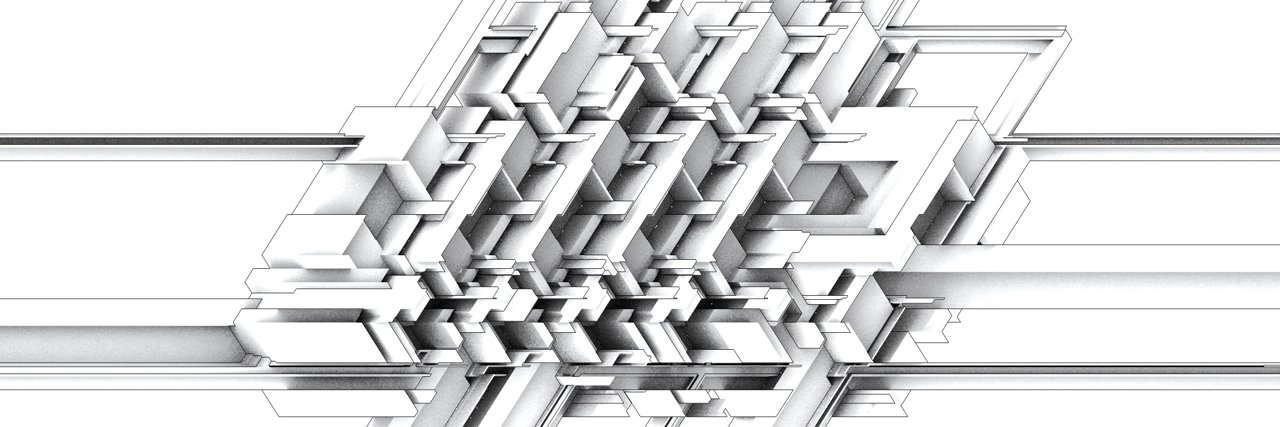
I’ve spent over a decade with my studio team turning millions of data points into living, breathing artwork experiences ethically — at MoMA, at the Guggenheim, at the Venice Biennale. Not because a machine told me what to create, but because I had a vision that no traditional tool could realize.
Denying all AI technologies as an artistic medium doesn’t protect art. It limits it. The artists who embrace new tools don’t replace the old masters — they join them.
Art is not defined by the brush. It’s defined by the intention, the emotion, and the courage to see the world differently.
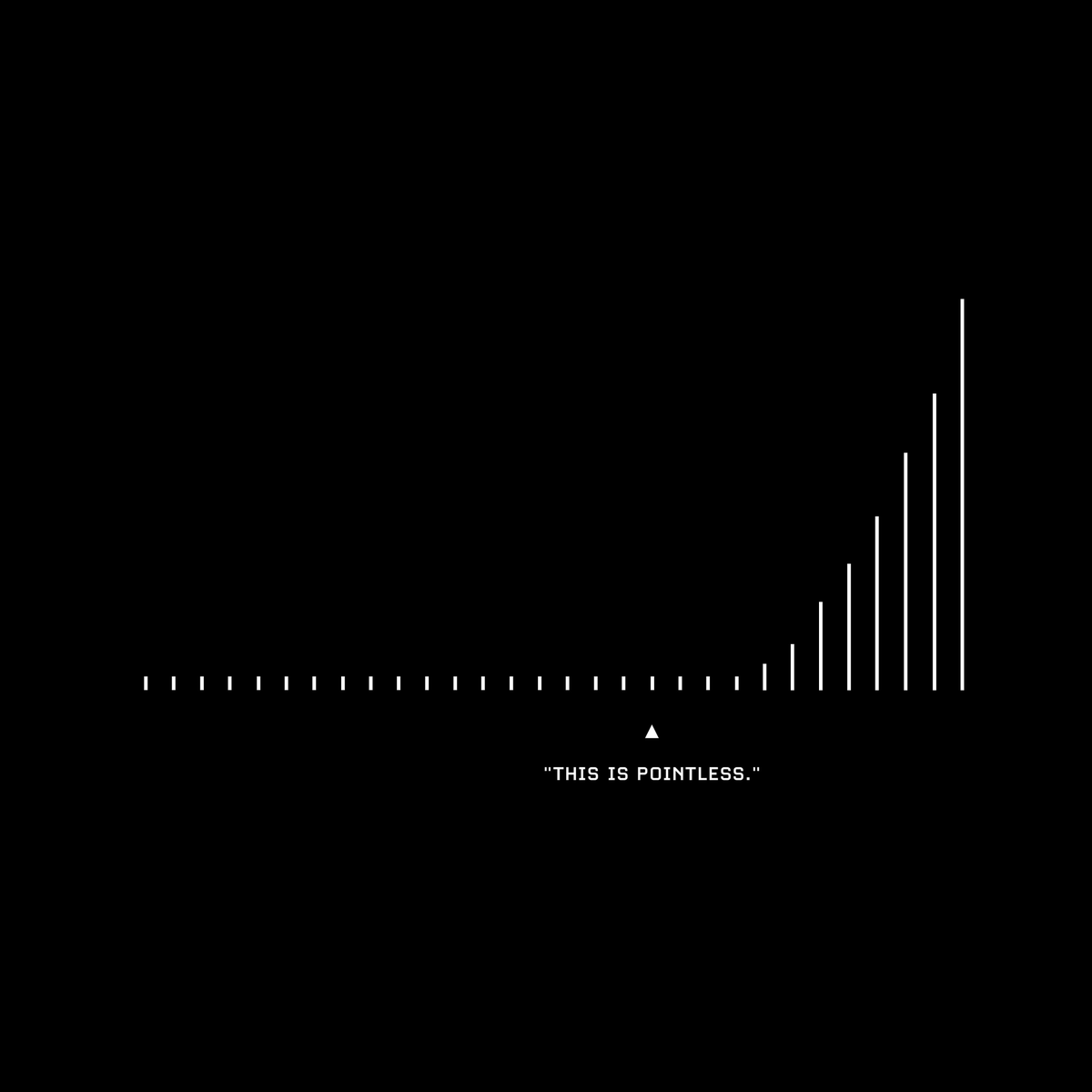
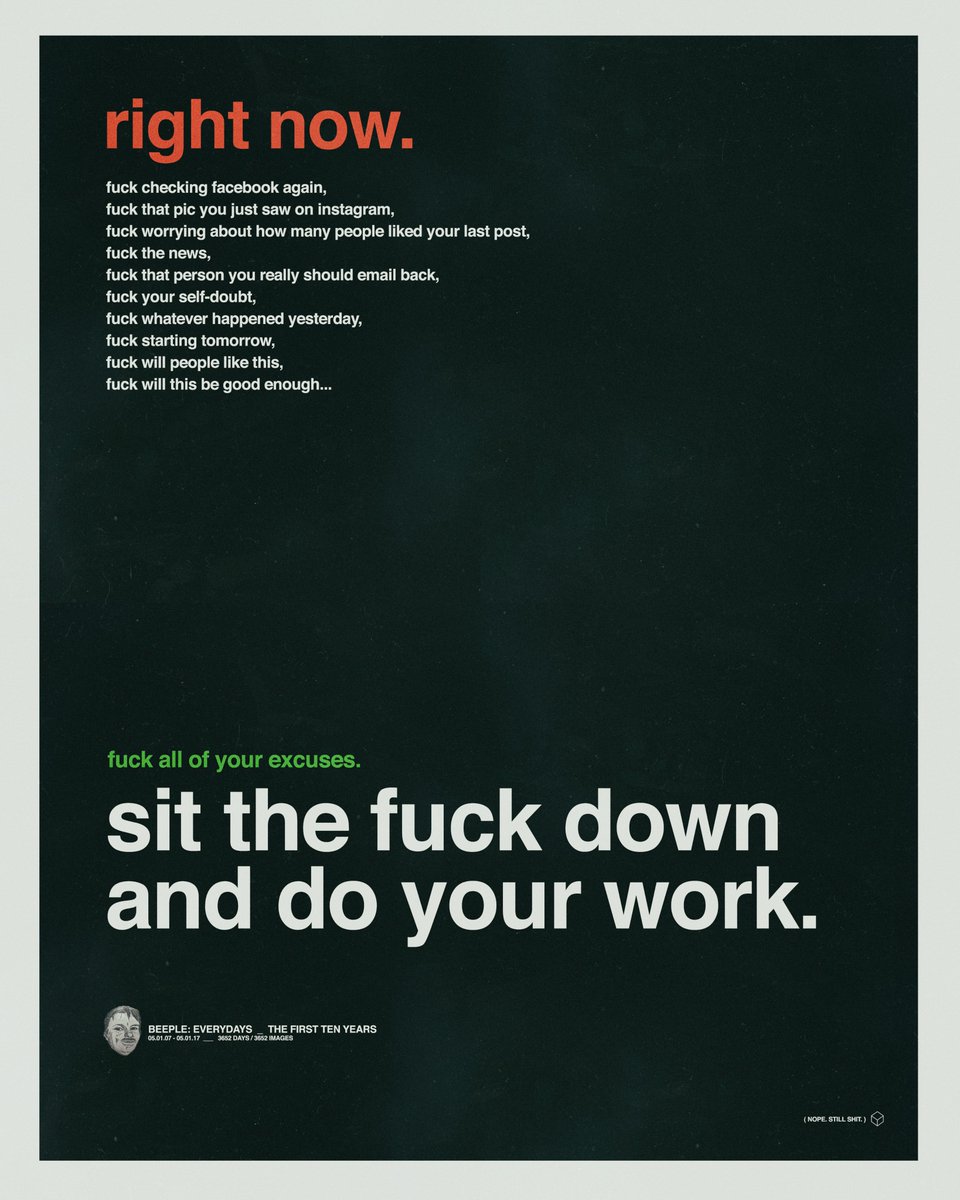
As you start today with all the motivation in the world, remember this: it won’t last.
Build a routine. Do it no matter what. When you really can’t, don’t quit or beat yourself up, just do it the next day. Show up, over and over.
It is the only thing that works.
Dear friends, I’m deeply excited to announce the world’s first Museum of AI Arts — Dataland , opening in Los Angeles, California, right next to some of the city’s iconic arts institutions such as WDCH, MOCA and The Broad. Designed by my hero Frank Gehry, The Grand LA will be the home of our most ambitious and exciting dream.
My co-founder Efsun Erkılıç our team, and I have been working very hard and cannot wait to host you at our institution next year. We are building something never seen before and putting our hearts and minds on for the last two years.
We are deeply grateful for all our partners and collaborators! Please read the very first article on LA Times! Link in bio! More coming soon! Thank you :)
When Photography wasn't art ⎯ a short story ☕️
Just like AI art today, photography once faced doubts and criticism when it was first invented. Here's the story of when photography wasn't considered an art form:
In the 19th century, photography struggled to gain acceptance as an art form. Although it was invented in the 1820s, many people at the time viewed it as just a mechanical process, lacking the creativity and emotional depth of traditional arts like painting. Some artists and critics even saw photography as a threat, fearing it might replace painting. Henrietta Clopath expressed this fear in 1901, suggesting that once color photography was perfected, painters might become unnecessary.
The first major photography exhibition was held in London’s Victoria & Albert Museum in 1858, but American museums were slower to accept photography. The Museum of Fine Arts, Boston, for example, did not start collecting photographs until 1924. Critics often dismissed photography as merely a way to replicate images, lacking the inventive and emotional qualities that defined true art. An 1855 article in The Crayon argued that photography could never achieve the same status as painting or engraving because it was just a mechanical process.
Despite these views, some photographers defended the artistic potential of their medium. Landscape photographer John Moran argued in 1865 that photography shared common goals with other arts, using the same visual language and appealing to the same emotions. While he acknowledged that photography had limitations compared to higher forms of art, Moran emphasized the importance of the photographer’s artistic vision. He believed that the ability to see and capture the most important aspects of a scene distinguished great photographers from mere technicians.
Moran's statement that "there are hundreds who make, chemically, faultless photographs, but few make pictures" remains relevant today. While technology has made it easier to take technically perfect photographs, the true art of photography lies in the photographer's eye, not in the equipment used. Creative vision and artistic insight are still crucial in producing truly compelling images.
🖼️Louis Daguerre’s 1838 photograph of the Boulevard du Temple, Paris.