THE MUSEUM OF MODERN ART TO PRESENT MAJOR NEW COMMISSION
BY HOLLY HERNDON AND MAT DRYHURST
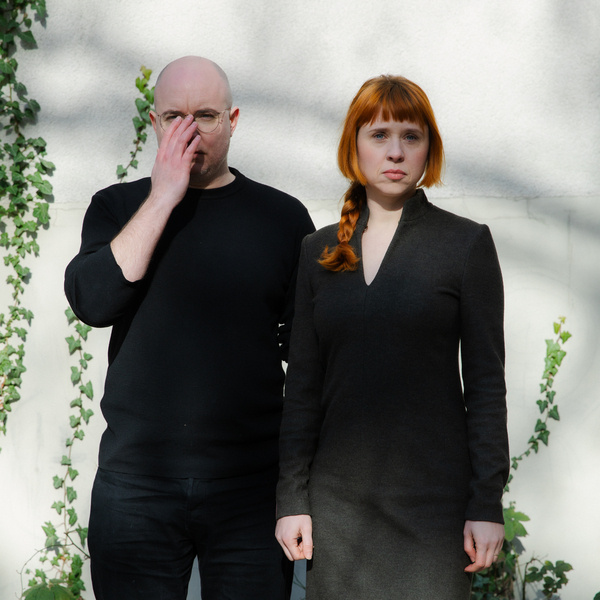
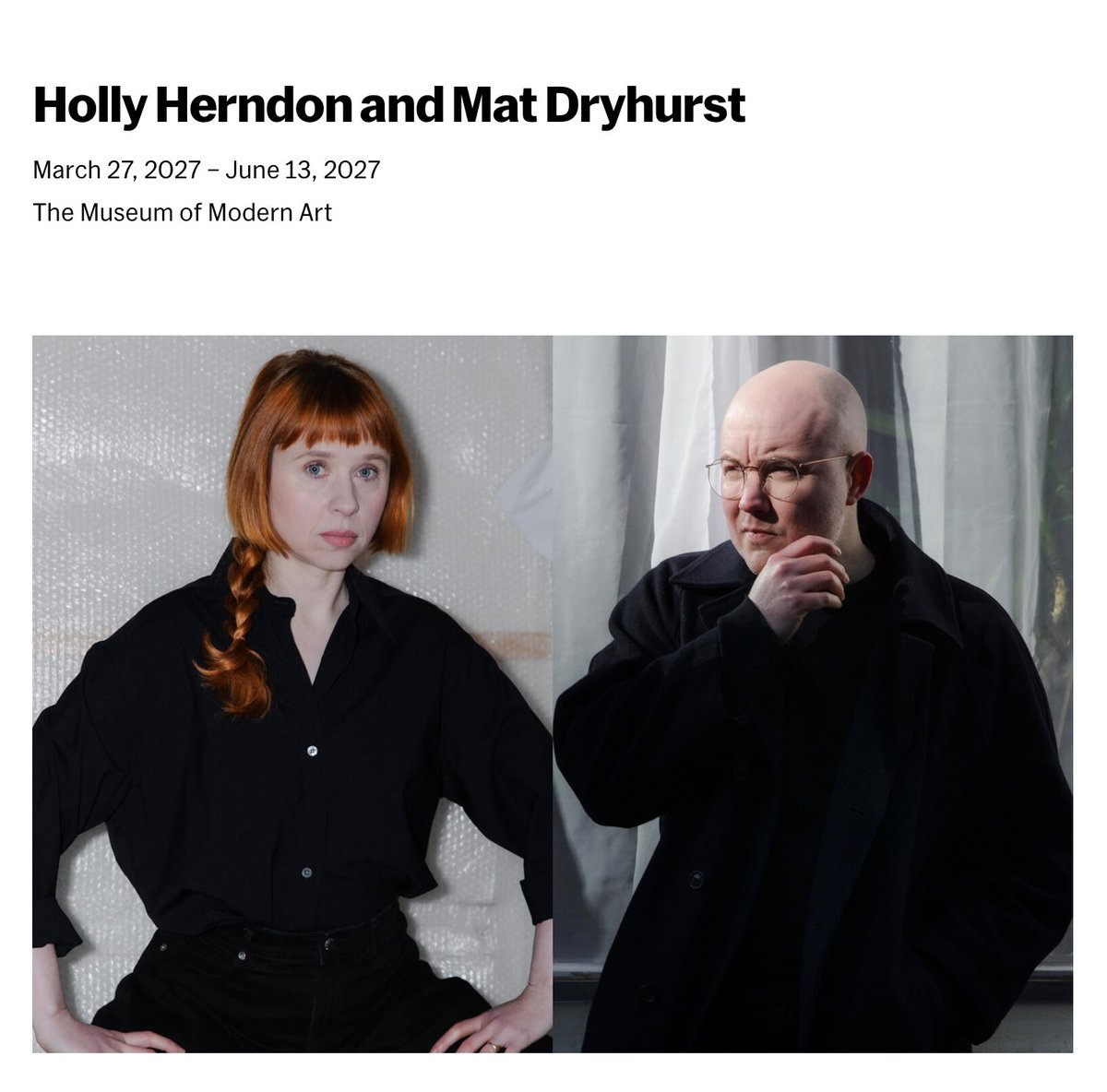
NEW YORK, October 9, 2026 — @MuseumModernArt will present a newly commissioned audio, visual, and performance-based work by renowned artists and musicians @hollyherndon and @matdryhurst, a newly commissioned audio, visual, and performance-based work by renowned artists and musicians Holly Herndon and Mat Dryhurst, marking the duo’s first solo presentation in New York. The commission will be staged jointly in the Museum’s Marie-Josée and Henry Kravis Studio (March 27–June 13, 2027) and on the Hyundai Card Digital Wall (March 27–September 6, 2027), marking the first time MoMA has presented an exhibition across both spaces simultaneously. In the Kravis Studio, Herndon and Dryhurst will create an immersive audio environment for musician-led live choral performances, which will be open to audience participation. The artists will use the collective sound from these events to train AI models and, in turn, generate a new audiovisual work-in-process that will be displayed concurrently on the Hyundai Card Digital Wall. Holly Herndon and Mat Dryhurst is organized by Michelle Kuo, Chief Curator at Large and Publisher, with Helena Klevorn, Curatorial Assistant, Department of the Chief Curator at Large, and Ho Won Kim, Hyundai Card Exchange Visitor.
Together, the two installations will turn the Museum into a laboratory for exploring the future of performance, technology, and human experience and the ways music, art, and machines can inspire collective emotion. Presenting new models for machine learning and human feeling, the exhibition will suggest how we might find ways to live with AI.
Herndon and Dryhurst train their AI models in public: Their spaces record the people who perform inside them and hold a memory of everything that happens there. New to this work is a focus on open-endedness, a branch of AI research built on the idea that the most important discoveries cannot be planned in advance and that rewards exploration over fixed goals.
Through participatory singing, the artists draw parallels between older musical forms and the call-and-response training of AI models and AI agents. They have also incorporated their own subjective associations, the sounds, images, and feelings to which they are drawn, to better understand their own minds and network them with others. In open-ended experiments with AI models, they investigate how human knowledge and AI might grow together, each pushing the other into new territory. The artists ask: Do machines not only learn, but feel? How has AI begun to shape not just our thoughts, but our deepest and most personal emotions and memories? How might humans shape this new world, in turn?
Tomorrow → @hollyherndon & @matdryhurst give a lecture on Protocol Art at Stanford University
Holly Herndon and Mat Dryhurst give a public lecture at Stanford University. It’s part of the Department of Art & Art History’s Millicent Greenwell Clapp Studio Art Series.
The talk goes through projects from across their practice and their idea of Protocol Art. It’s their term for work that treats the systems, protocols and rules shaping cultural production as a medium in itself.
That idea has taken a few forms over the years. There’s Holly+, a protocol for shared ownership and licensing of an artist’s identity. There’s Spawning, which they co-founded in 2022 to build data permissions tools for machine learning, including Have I Been Trained and the Do Not Train standard. And there’s Strange Rules, their current exhibition at Palazzo Diedo in Venice, co-conceived with Hans Ulrich Obrist.
It’s also a return to Stanford for Holly, who earned her doctorate in Computer Music there 🥹
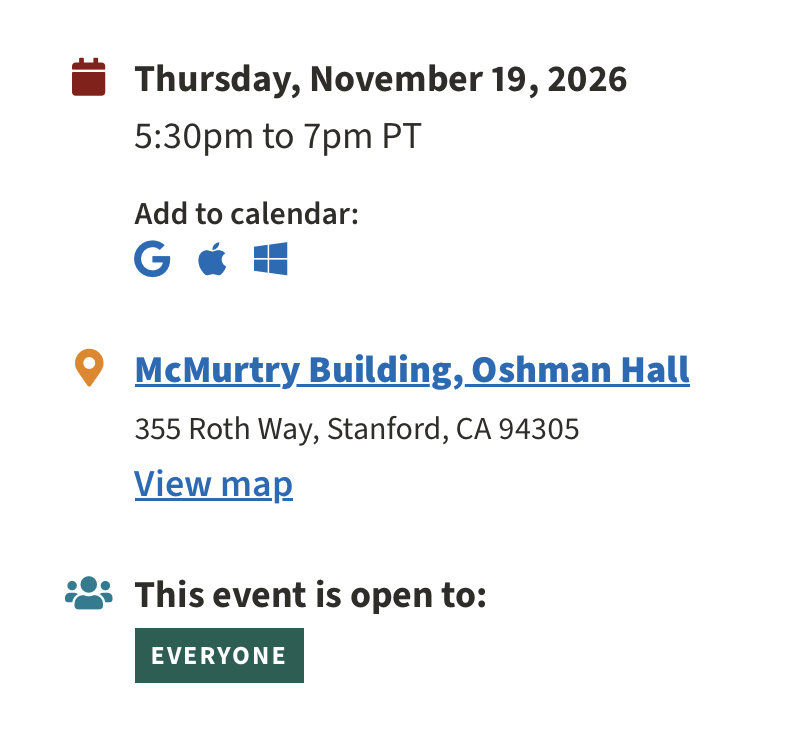
📅 Thursday, November 19, 5:30 to 7pm PT
📍 Oshman Hall, McMurtry Building, Stanford
🎟️ Free and open to everyone. Seating is limited, so registration is recommended.
For more information visit: https://t.co/Wr1AJv5iVp
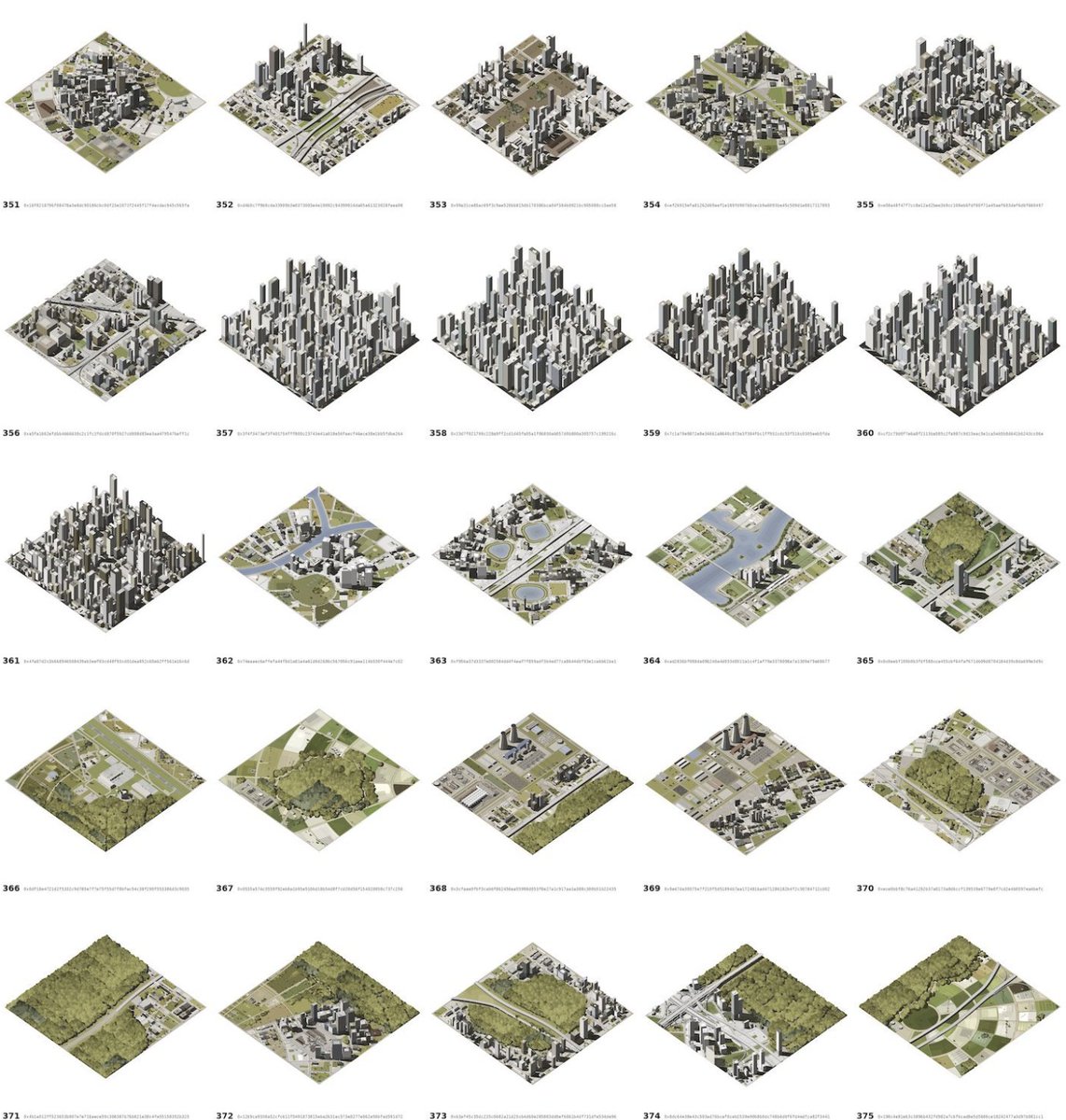
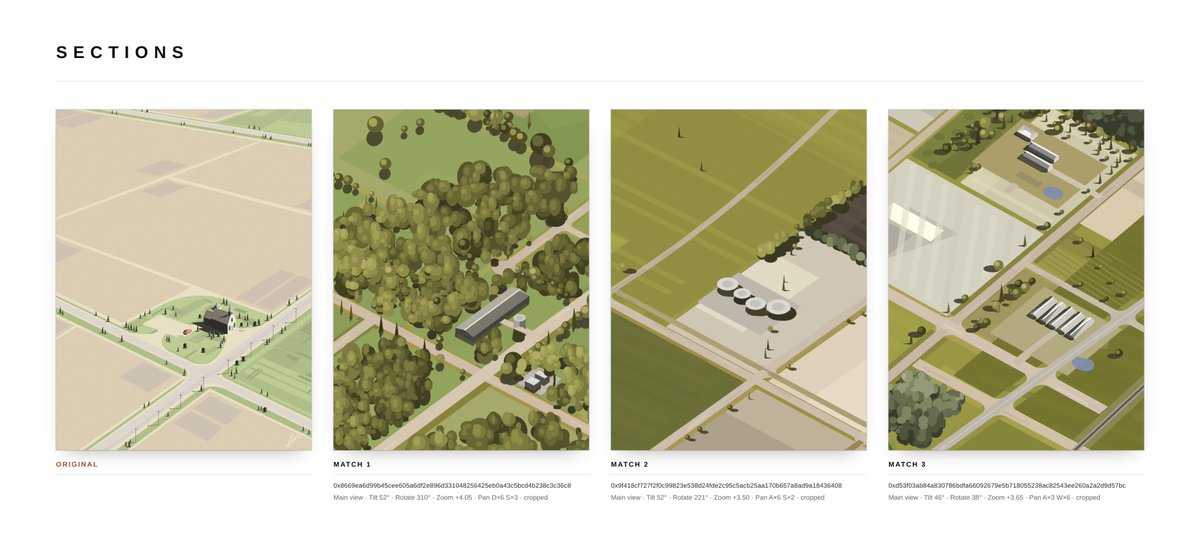
On Nov 18th alongside our standard sale, we will also be auctioning 12 Megacities on the Fellowship site! 24 hour auction at 0.0Eth Reserve.
The following are just a few graphics comparing the two types of cities. 1300 Sections, 12 Megacities.
1/
"Squiggles" by @GrantYun2
Before Sections, Grant’s new long-form generative project, launches on Wednesday 18 November with @opensea, we are looking back at some of his past series.
Squiggles is Grant’s study of @ArtOnBlockchain’s Chromie Squiggle, the on-chain generative work by Erick Calderon. Grant redraws the Squiggle in his Neo-Precisionist style, the spare vector line he uses to draw ordinary places of American life.
The series has two works. Each one places the Squiggle in a quiet American scene. One is suburban. The other is urban, on a rainy day.
In both works, the rainbow curves stand at the scale of buildings against muted landscapes. A line that began as code on the blockchain takes up space in a street.
Squiggles asks what happens when a igital-native symbol enters the built environment. It can be read as a landmark of something new, or as an interruption in the way we remember our cities.
In Primera, the shapes, colors and placements carry intention, even when their final arrangement isn’t decided in advance. The work connects the modernist search for clarity and new forms with today’s distributed and programmable systems.
🔗 To explore @GrantYun2's latest exhibition, visit:
https://t.co/ggXbPdaRPJ
Primera
On Wednesday, November 18, Grant launches Sections with us and @opensea, his first long-form generative project, written in code and stored fully on-chain. Ahead of the launch, we’re looking back at Primera, the collaborative project with Andrew Mitchell where Grant first worked with generative code and on-chain art.
↓ Let's dive in:
The project began with Grant’s early studies in abstraction, including Five Color Study and Two Color Study. These experiments laid the groundwork for Primera, which took its final shape in collaboration with Andrew, whose background in computer science informed the structure and function of the algorithm.