AI advertising in 2026 isn't a tool — it's a workflow. How AI-native creative changes the way brands brief, produce, and iterate: https://t.co/EE10B0MqPo #AIAdvertising#BrandMarketing#VINCIS
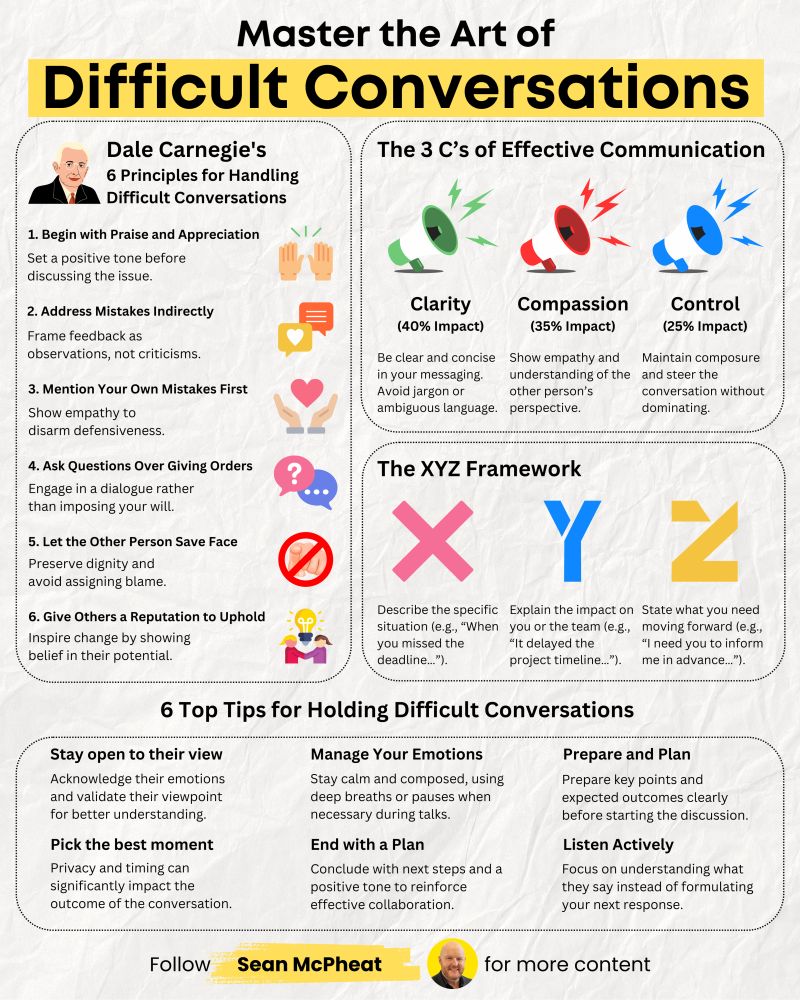
Most people hate difficult conversations.
Thought so! This will help you ⬇️
Not because they don’t care, but because they lack the skills.
Handled poorly they break trust. Handled well they strengthen relationships.
♻️ Repost to help others in your network with this.
➕ And follow me at Sean McPheat for more.
🌧️ GAMEON Monsoon Madness is LIVE!
Premium activewear. Unmatched comfort. Unbeatable prices.
- Biggest Sale of the Season
- Premium Tracksuits, Polos & Activewear
- Nationwide Delivery
The best time to upgrade your style is now.
Shop now: https://t.co/gcNkakuq6W
Toxic Personalities
1. Hostile
= Often unfriendly or aggressive.
🔑A hostile person acts angry, cold, or ready to argue or fight (verbally or sometimes physically). They may cross their arms, frown, or speak sharply.
Example:
“He became hostile when I disagreed with him and started raising his voice.”
✍️Extra note: Related words: aggressive, antagonistic. “Hostile environment” is a common phrase for a workplace that feels unfriendly or threatening.
2. Malicious
= Intentionally wants to harm others.
🔑Malicious people do or say things on purpose to hurt someone’s feelings, reputation, or success. The key word is “intentionally.”
Example:
“Spreading false rumors about a coworker is a malicious act.”
✍️Extra note: The noun is “malice.” Something can be “malicious gossip.” It is stronger than simply being mean.
3. Resentful
= Holds on to bitterness.
🔑A resentful person keeps feeling angry or bitter about something that happened in the past and does not let it go.
Example:
“She felt resentful toward her sister for years after the inheritance was divided unfairly.”
✍️Extra note: Resentment is the noun. People often say “I resent that remark” when they feel insulted.
4. Hypocritical
= Says one thing but does another.
🔑A hypocritical person claims high moral standards or honesty but acts differently.
Example: “
It’s hypocritical to criticize others for being late when you are always late yourself.”
✍️Extra note: The noun is “hypocrisy.” People often call this “saying one thing and doing another.”
5. Insensitive
= Doesn’t care about others’ feelings.
🔑An insensitive person ignores or dismisses how others feel.
Example:
“Making jokes about someone’s recent loss is insensitive.”
✍️Extra note: The opposite is “sensitive” or “empathetic.” You can also say “emotionally insensitive.”
6. Domineering
= Always tries to control others.
🔑A domineering person wants to be in charge, gives orders, and does not respect other people’s opinions or independence.
Example: “Her domineering boss never listens to anyone else’s ideas.”
✍️Extra note: Related words: controlling, bossy, authoritarian. “Domineering” is stronger and more formal than “bossy.”
7. Untrustworthy
= Cannot be relied upon.
🔑An untrustworthy person does not keep promises, lies, or betrays confidence. You cannot count on them.
Example: “I stopped sharing personal information with him because he is untrustworthy.”
✍️Extra note: The opposite is “trustworthy” or “reliable.” The noun form is “untrustworthiness.”
8. Condescending
= Talks down to others.
🔑A condescending person acts as if they are superior and treats others as less intelligent or important. The phrase “Do you even understand this?” is a classic example.
Example: “Please don’t speak to me in that condescending tone.”
✍️Extra note: Related idea: “patronizing.” Both make the other person feel small.
9. Opportunistic
= Takes advantage of situations for personal benefit.
🔑An opportunistic person looks for chances to gain something (money, power, praise) even if it is unfair or harms others.
Example:
“He is very opportunistic;he only helps when there is something in it for him.”
✍️Extra note: It can sometimes be used neutrally in business (“opportunistic investment”), but in personality descriptions it is usually negative.
✍️Additional useful information✍️
🔸These traits often overlap. A person can be both domineering and condescending, or malicious and untrustworthy.
🔸In polite conversation, people may use softer phrases such as “He can be a bit difficult” instead of directly saying “He is hostile.”
🔸Useful related vocabulary:
toxic (overall negative and harmful),
narcissistic (extremely self-centered),
manipulative (controls others through clever or unfair methods),
passive-aggressive (shows anger indirectly).
10 Free Business & Leadership Courses with Free Certificates
1. Free Leadership Course
Provider: Simplilearn SkillUp
https://t.co/FK97eIG8WX
2. Leadership Essentials
Provider: NonprofitReady
https://t.co/EQOaXHGRAu
3. Business Leadership
Provider: Santander Open Academy
https://t.co/Ot4C5tukHZ
4. Leadership & Communication
Provider: Santander Open Academy
https://t.co/8ujfNA19SC
5. Leadership Skills in Business
Provider: Alison
https://t.co/4robywZYhP
6. Principles of Management
Provider: Saylor Academy
https://t.co/5ElSV4PSS0
7. Business Management
Provider: Master Class Management
https://t.co/E0Ni5cFR3w
8. Free Leadership Training
Provider: San Francisco Business School
https://t.co/5Jvnsx5iH2
9. Business Communication
Provider: NCBA Business LMS
https://t.co/4NVDmUInfF
10. Business & Leadership
Provider: Free Path Academy
https://t.co/fcOXfdavul