A speech can be fact-checked. Its emotional content is harder to pin down, though.
Watch MORES Pulse—our expert-validated AI tool—detect anger, fear, disgust, sadness, joy, and now pride, sentence by sentence.
Based on our research. Open access:
https://t.co/Cuiu6eixHO
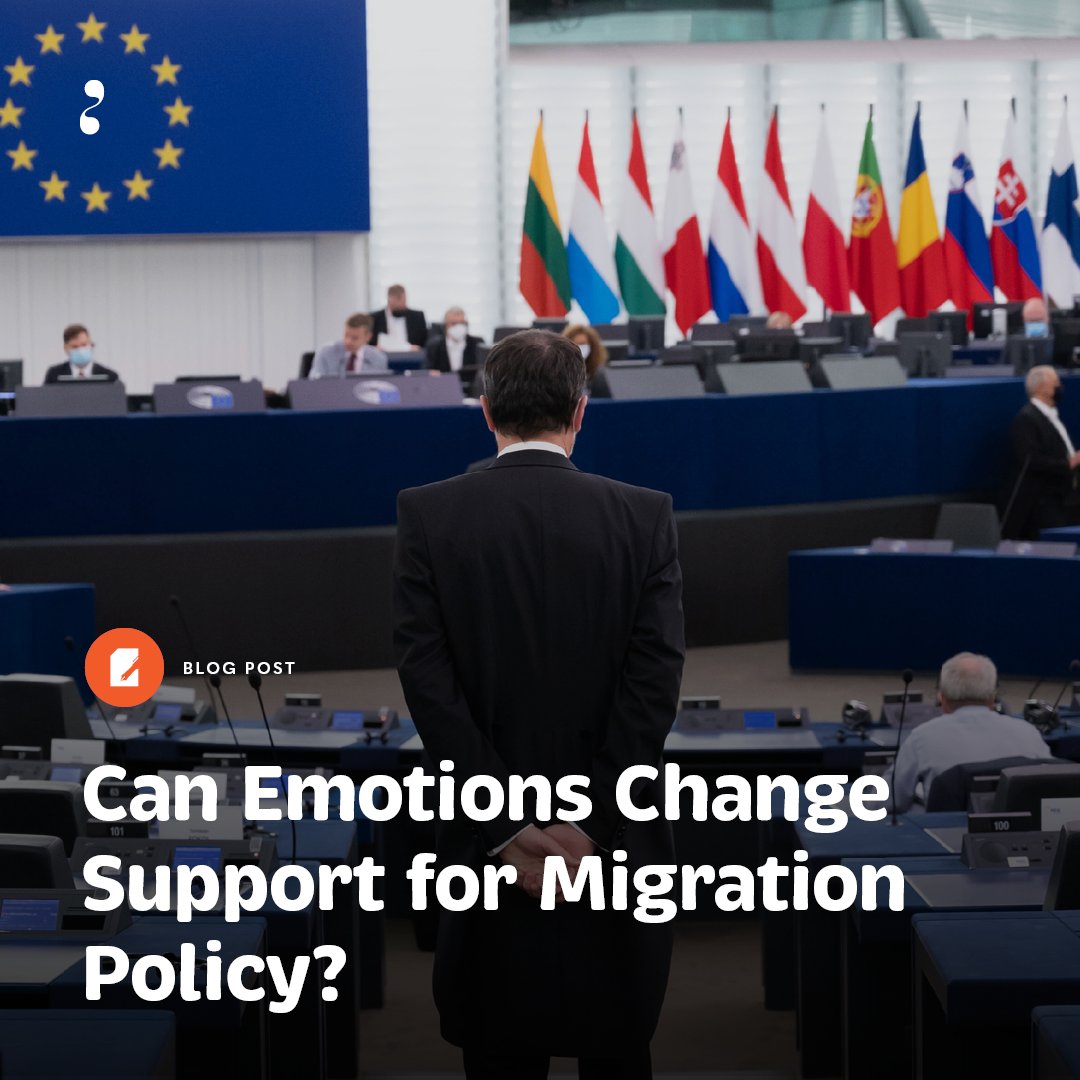
My new contribution to the @MORES_HORIZON blog explores the increasingly emotionalised debate over EU migration policy, and whether emotions can shift public support.
Using an experimental survey with 4,000 participants across Germany, Hungary, Italy, and Poland, MORES researchers found that two emotional stories increased support for a more open migration policy. But emotional tone doesn’t always work.
Read the analysis: https://t.co/Xyo3T02LtQ
#MigrationPolicy #EUresearch
Hungary's election was fought on two emotions.
MORES co-investigator @peterkreko reflects on the emotional contrast between the two main campaigns in Hungary's April election: Viktor Orbán's Fidesz, which centred its messaging on fear, and Péter Magyar's TISZA, which campaigned on hope and the belief that change was possible.
His analysis follows findings from a recent preregistered MORES study on democratic resilience—and how different narratives shape citizens' perceptions of political change.
Watch more: https://t.co/tcBPccfgs5
Moral entrepreneurs shape norms by framing issues as threats—mobilising emotions, the media, and politics to drive change.
Our MORES glossary explains that, in a fast-moving media environment, their role is more visible—and more powerful—than ever.
#MORESresearch#HorizonEurope
How emotional can institutional policy narratives get?
A new MORES study shows that Hungary’s communication on the EU's Farm to Fork was highly structured—with heroes, villains, victims, and a clear emotional script.
☑️The goal wasn't to offer a policy alternative, but to attack an existing one, researchers Jonathan Kamkhaji and Claudio Radaelli explain.
📖 Read MORES’s new study, open access on our website, to understand the role of emotions in policy narratives: https://t.co/4iYeGCQsGf
Negative emotions dominate the media and politics.
Can we learn to regulate them?
Prof. Eran Halperin (@eranh75_eran), MORES co-investigator at @PICRLab, explains how the #MORESProject research explores emotion regulation in political life—and why it matters for democracy.
🎥Watch the full video explaining the psychological strategies being studied: https://t.co/2mAwBB0BKC
Based on research by Halperin, @AdvaGruenwald & @mabelle_kretch.
#MORESresearch
Populism thrives on strong emotions: ‘people vs elites’. Can citizens resist the pull?
New MORES research by @eranh75_eran, @AdvaGruenwald & @mabelle_kretch shows that spotting emotional triggers & manipulative cues may build resilience.
Read more: https://t.co/QSyLfYR1P0
#MORESresearch #Populism
How do TV series challenge illiberal populism?
A new MORES study shows how “angry citizens” flip the script—offering a more inclusive vision of power and governance in politics.
📄The study by Thomas Scherer, Timm Beichelt, and Daniel Illger (European University Viadrina) is free to read on our website.
🔗 https://t.co/4iYeGCQsGf
#MORESresearch #Populism #MediaStudies #Politics #Democracy #TVShows
.@peta protests in #AnimalCrossing. Pride marches in @Warcraft. Censorship workarounds in @Minecraft. Politics and emotions are seeping into digital worlds. More than games, metaverses are becoming public spheres.
🎮 Read more about the future of political engagement—and MORES's upcoming experiments—in the full account by game developer and MORES team leader at @GameinSociety Olivier Mauco.
🔗 https://t.co/BBbLZxDfIP
#MORESresearch #Metaverse #Emotions #Research
Citizens can shape EU policymaking! 🤝
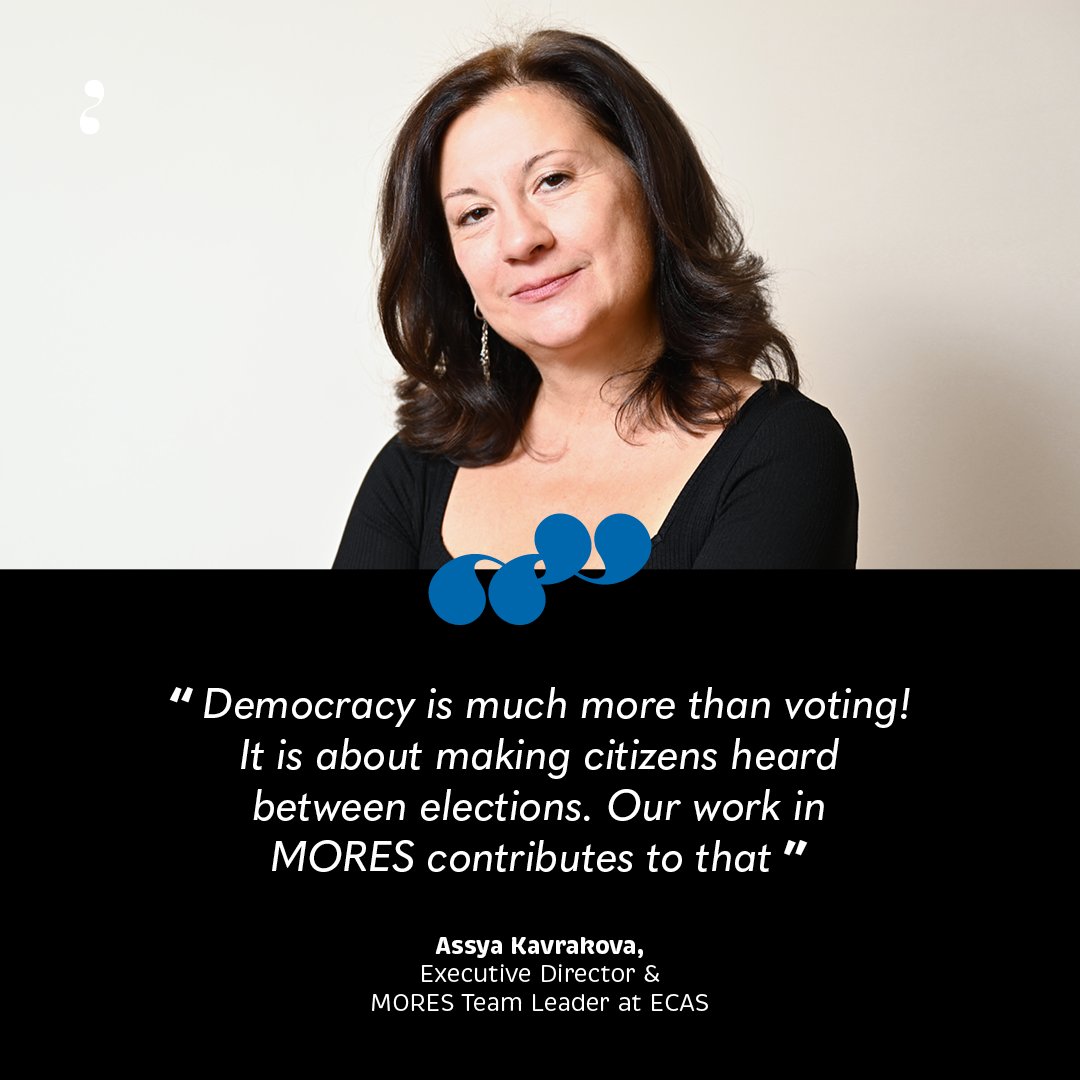
Meet Assya Kavrakova, Executive Director of @ecas_europe and MORES consortium partner.
With over 25 years of experience leading NGOs and expert teams across Europe, Kavrakova brings deep insight into EU law, citizenship, cohesion policy, among other EU policy areas.
For MORES, she and the ECAS team—Elisa Lironi, Desislava Ivanova, Nicolò Triacca, and Marta Azevedo Silva—are working on integrating citizen voices directly into EU policymaking.
📖 Read more about Kavrakova and the ECAS team in our experts page: https://t.co/Ny838DSDWE
1/2
#collaboration #teamwork #science #MORESresearch
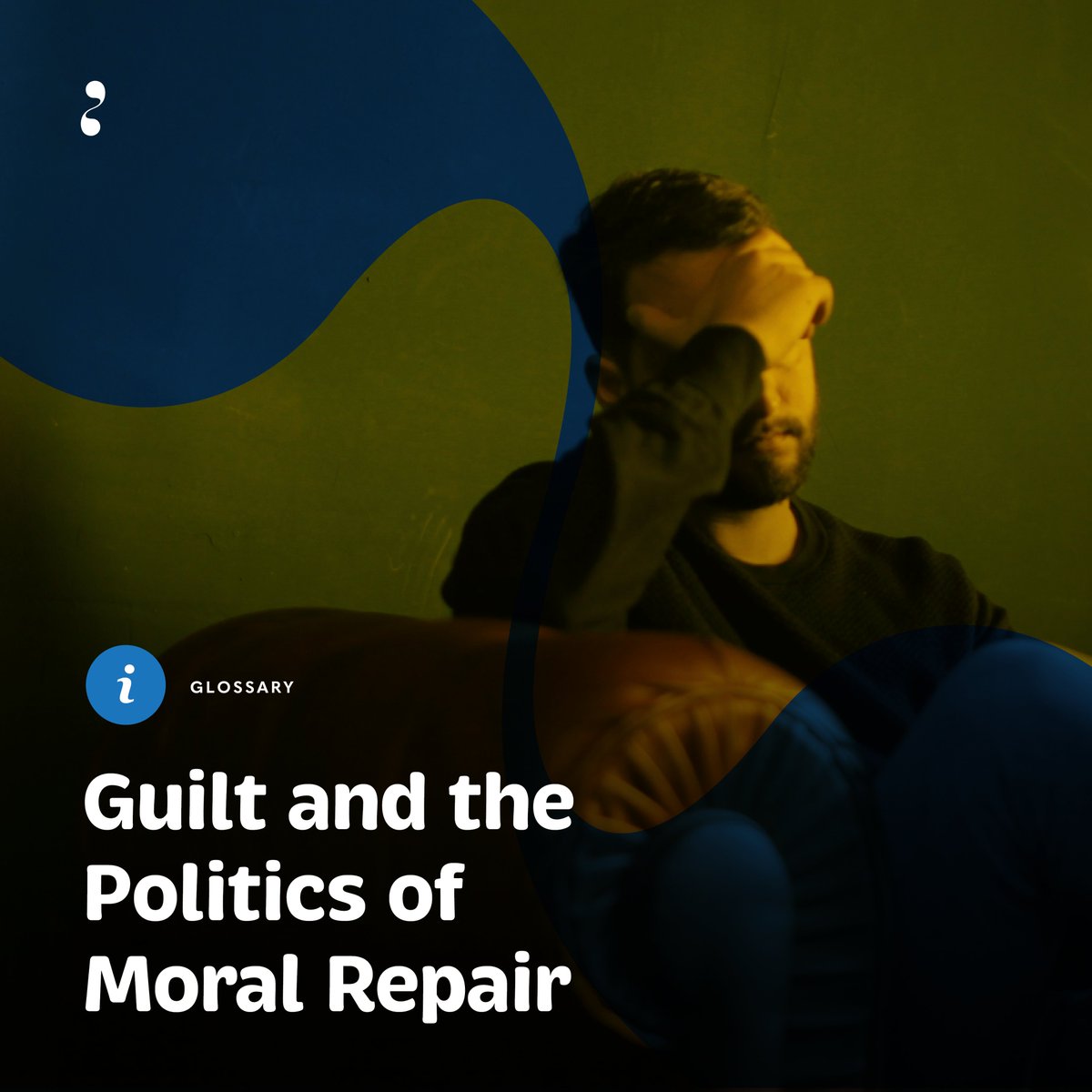
What’s the political relevance of guilt?
A complex moral emotions, guilt arises when we people recognise they have done, failed to do, or even contemplated something that violates social or moral norms.
The new MORES glossary entry explores guilt vs. shame, guilt-proneness, collective guilt, and why some leaders apologise—while others deflect.
Learn more: https://t.co/LcqU6CXgiB
#MORESresearch #Politics #Emotions #SocialPsychology
Gratitude goes beyond saying "thank you". As a moral emotion, it works as social glue.
💡It builds trust, strengthens social bonds, and drives cooperation.
But it can also draw lines between “us” and “them.”
Learn more about gratitude, our latest glossary entry contributed by MORES co-investigator @peterkreko and his team at @elteppk :
🔗 https://t.co/YIC88rQp3J
#Gratitude #EmotionsMatter #MORESresearch #SocialPsychology #HorizonEurope @CORDIS_EU
Really nice event with smart and dedicated colleagues. An opportunity to review the project progress and what lies ahead! Many pieces of research getting ready soon.
🚀 Mid-Term MORES Meeting in Italy 🇮🇹
Our team gathered at the European University Institute to reflect on our research on moral emotions in politics—progress, challenges, and what’s ahead.
Exciting work and preliminary results to share. Stay tuned!
#MORESresearch #collaboration #teamwork #HorizonEU
How do moral emotions cause both social cohesion and conflict?
Meet MORES coordinator Zsolt Boda, as he explains how feelings like anger and pride impact trust in politics: “We aim to help citizens recognise emotional manipulation in politics.”
Watch the video and learn more.
#MORESresearch #Politics #Emotions #DemocracyIndex
Sympathy = caring + action.🤝
This moral emotion helps us see others’ struggles, inspires social movements, and fosters collective action.
In MORES's glossary, learn how sympathy shapes politics:
🔗https://t.co/EKlfQjfbBT
#EmotionalIntelligence#MORESresearch #SocialMovements #Emotions #HorizonEurope
🗳️As Americans head to the polls in a historic election today, Zsolt Boda, Research Professor and Coordinator of the @MORES_HORIZON project, told @folha, one of Brazil’s leading newspapers, that the U.S. election is a clear example of how politics have become increasingly emotional in recent years.
💡Discover why the 'over-emotionalisation' of politics affects democracy and how MORES is addressing this trend:
👉https://t.co/hXW8hA6xP1
#USElection2024 #Emotions2024 #research
Have you ever considered how deeply your emotions influence your political perspectives? 🔎
The @MORES_HORIZON project, of which ECAS is a project partner, developed an online glossary to explain how these emotions shape our communities.
#EmotionsInPolitics#SocietalImpact
Shame often arises when we feel we’ve failed to meet social standards. It influences behaviours, drives public accusations, and affects society.
Learn how in our latest glossary entry on #MoralEmotions:
🔗 https://t.co/tzW44lsjWN
Contribution: @css_budapest and #ELTE
#MORESresearch #Politics #emotions
MORES is studying how emotions shape political communication using two popular but often confused methods: sentiment and emotion analysis.
What's the difference?
Gabriella Szabó, researcher at @css_budapest, explains: sentiment analysis identifies attitudes as positive, negative, or neutral, while emotion analysis digs deeper—pinpointing joy, anger, and fear.
By advancing #AI, MORES is expanding society's understanding of the role of emotions in communication.
Read Szabó's blog post to find out what's next from MORES:
🔗https://t.co/iz9sEKIWgd
#NLP #AI #PoliticalCommunication #Emotions #Politics #MORESresearch