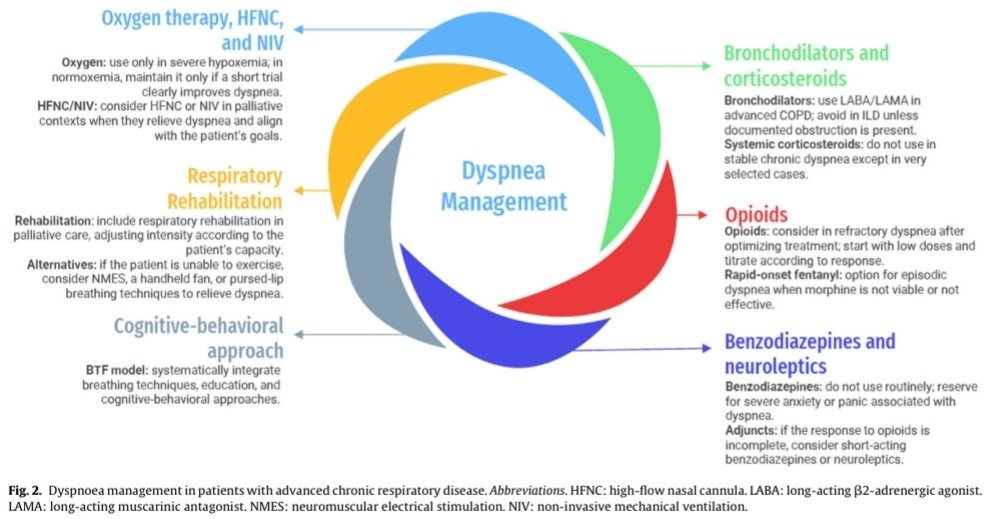
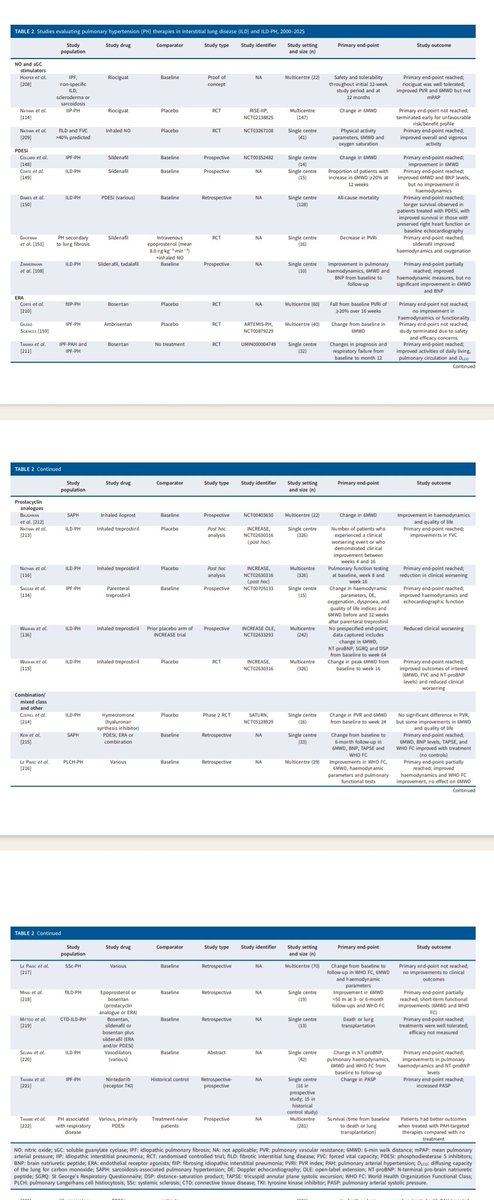
🫁 What is the utility of Z-scores in defining progressive pulmonary fibrosis in interstitial lung disease?
Find out in #ArchivosdeBronconeumología 👇
🔗 https://t.co/alU0fpz3yO
#SEPAR
🫀Hypertension in 2026: Five practice changing updates every clinician should know
Hypertension remains the leading modifiable risk factor for cardiovascular disease worldwide, yet recent evidence suggests that many patients continue to be undertreated.
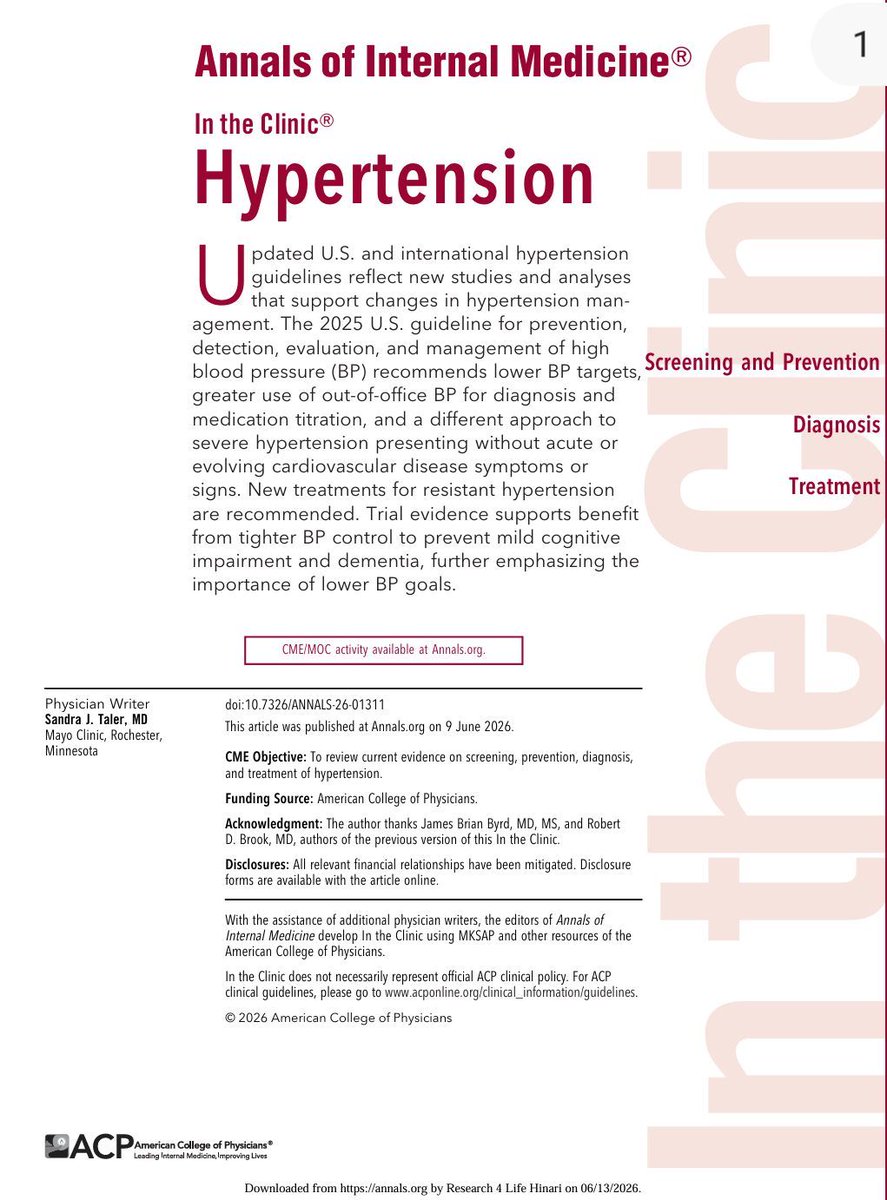
The updated Annals of Internal Medicine "In the Clinic" review summarizes the most important changes introduced by the 2025 AHA/ACC guideline and highlights how hypertension management is evolving.
The first major change is that blood pressure should no longer be judged solely in the clinic.
Out of office blood pressure monitoring is now strongly recommended not only to confirm the diagnosis, but also to detect white coat hypertension, masked hypertension and guide treatment titration. Ambulatory blood pressure monitoring remains the reference standard whenever available.
The second message is that lower targets matter.
For most patients, the recommended goal remains below 130/80 mmHg, with increasing evidence supporting systolic pressures below 120 mmHg in selected high cardiovascular risk patients when tolerated. Recent trials demonstrated reductions in major cardiovascular events without a significant increase in serious complications.
Third, lifestyle interventions continue to be the foundation of therapy.
Weight reduction, dietary sodium restriction, the DASH diet, regular exercise and potassium enriched salt substitutes remain among the most effective nonpharmacological interventions. Emerging evidence also supports meditation and yoga as useful adjunctive therapies for selected patients.
Fourth, treatment should become increasingly individualized.
The guideline incorporates overall cardiovascular risk into treatment decisions using the new PREVENT risk calculator instead of relying exclusively on blood pressure values. This approach better identifies patients who derive the greatest benefit from earlier pharmacological therapy.
Finally, resistant hypertension is no longer a therapeutic dead end.
Mineralocorticoid receptor antagonists remain central to treatment, while newer agents such as aprocitentan, a dual endothelin receptor antagonist, expand therapeutic options for carefully selected patients with resistant hypertension.
The most important lesson is simple.
Hypertension management is moving away from isolated office measurements toward precision cardiovascular prevention, integrating accurate blood pressure assessment, global cardiovascular risk, intensive lifestyle intervention and individualized pharmacotherapy.
Better blood pressure control is not simply about preventing myocardial infarction or stroke.
It is increasingly recognized as an investment in preserving kidney function, preventing heart failure and reducing cognitive decline throughout life.
Reference 📚
Taler SJ. In the Clinic: Hypertension. Annals of Internal Medicine. Published June 9, 2026. DOI: 10.7326/ANNALS-26-01311.
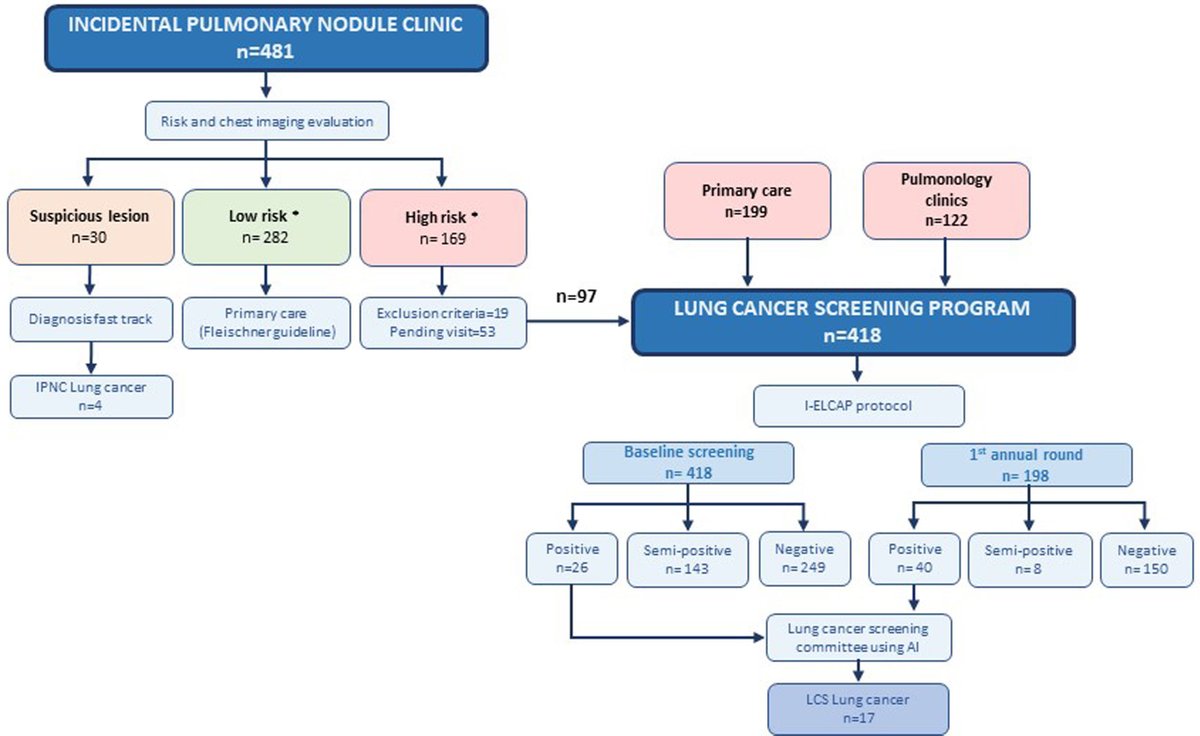
🫁 Enfoque innovador para la detección precoz del cáncer de pulmón, integrando un programa de cribado integral y una consulta de nódulos pulmonares.
Un estudio que aporta claves prácticas para la práctica clínica en #OpenRespiratoryArchives
🔗https://t.co/v4jAAo9deS
#SEPAR
New obesity guideline release 💯
American Diabetes Association Pharmacologic Treatment of Obesity in Adults: Standards of Care in Overweight and Obesity
ADA adds to the list of guidelines published this past year summarizing the evidence of obesity medications.
A particular emphasis on selecting a treatment based on the particular concurrent obesity comorbidities present.
https://t.co/q2fkOn6oOS
New CHEST guideline–based infographics outline management algorithms for stage I and II #NSCLC:
➡️ Average operative risk: https://t.co/trna5vIfpd
📈 High operative risk: https://t.co/gondupNiDN
See how strategies differ for patients with average vs high risk.
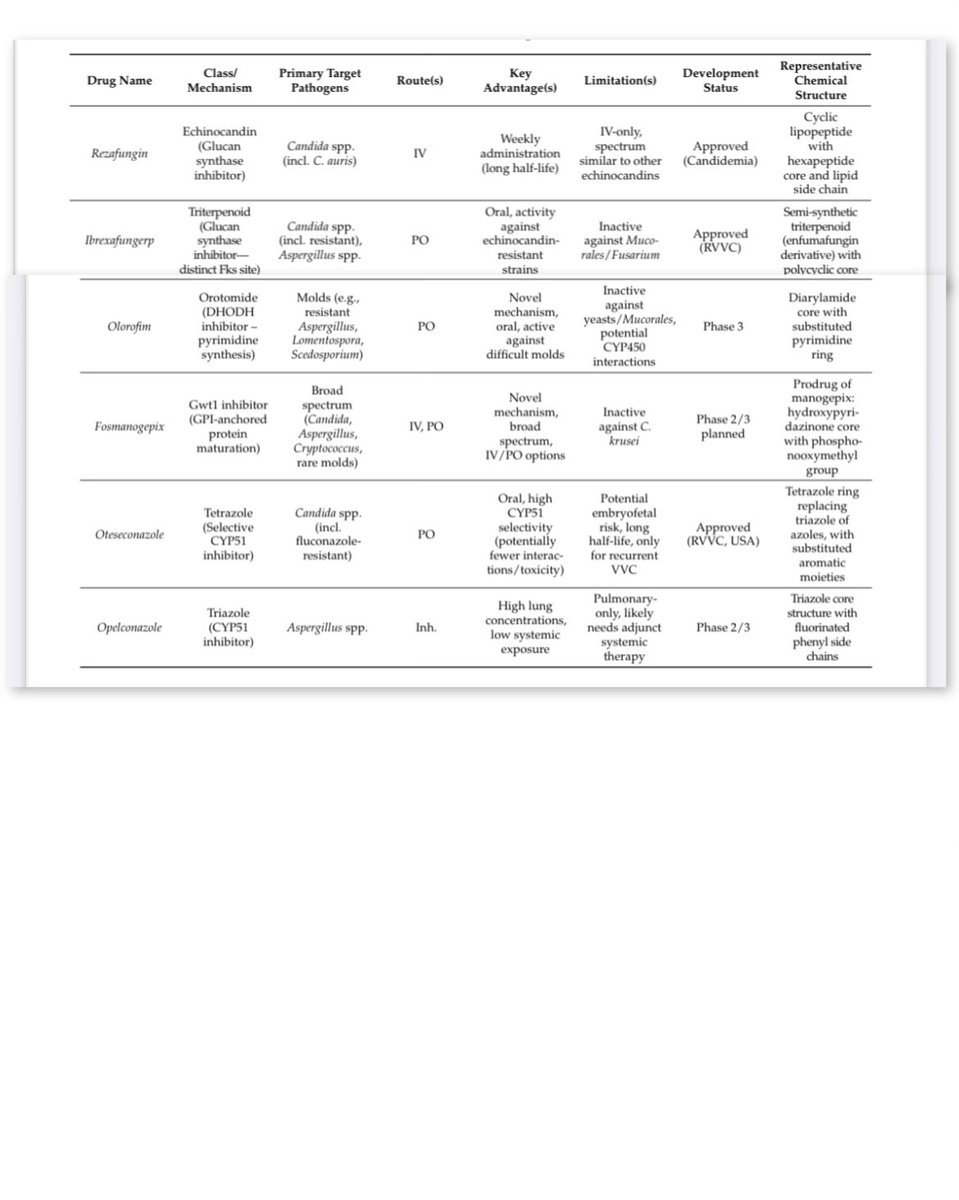
En #InfectDisRep REVISIÓN 🙇🏻♂️📚 de #ANTIFUNGICOS ❌🍄🟫
🍄Mecanismos de acción ⚙️
🍄Mecanismos de resistencia 🛡️
🍄Diagnóstico (➕y➖) 🔬🧬
🍄Aplicaciones clínicas 💊💉
🍄Retos y perspectivas de futuro 🔮
Muy completa y didáctica 👨🏫, no te la pierdas!
🆓🔗https://t.co/G4Fv7Somqh
ERJ Open Research: PRISm (preserved ratio impaired spirometry) and dysanapsis are common spirometric phenotypes in children with asthma. Both are associated with a positive bronchodilator response and specific clinical characteristics. https://t.co/TFZPhQu9wc
【Occupations associated with invasive fungal infections】
Let's ask patient's occupation as many professions, especially those involving outdoor activities, are associated with increased environmental exposure to pathogenic fungi!
Level: Intermediate to advanced
#IDMedEd #IDFellow #TxID #Fungi