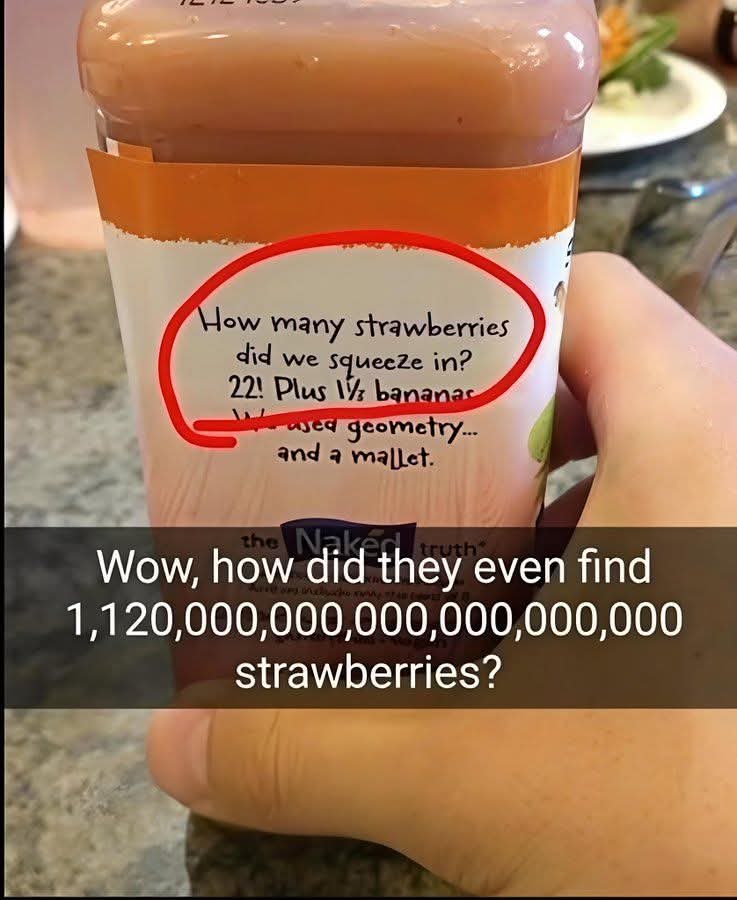
The factory: "We used geometry and a mallet"
Me: "You squeezed 1.12 sextillion strawberries into a jar?!"
Math class finally prepared me to question juice labels 💀
how do you get to a place ideologically where you call yourself a libertarian but also believe people need to stay in their houses so that agents of the federal government don't execute them in the streets
Accessing the dark web isn’t illegal by itself, but it does require special tools because it’s intentionally hidden from normal browsers.
First, you need the Tor Browser. Regular browsers like Chrome or Safari can’t open dark web sites. Tor is a modified browser that routes your traffic through multiple encrypted relays, hiding your real IP address and making tracking harder. It’s downloaded from the official Tor Project website and installed like any normal app.
Once Tor is installed, you connect to the Tor network by opening the browser. After a short connection process, you’re online inside the Tor network. At this point, normal websites still work, but your traffic is anonymized.
To access the dark web specifically, you need .onion addresses. These are special URLs that only work inside Tor. You can’t “search” the dark web the way you search Google; you usually get links from directories, forums, or trusted sources. Without a valid onion address, there’s nothing to visit.
When you open a .onion link in Tor, you’re accessing a hidden service. These sites don’t reveal their physical location, and visitors don’t reveal theirs either. That’s the core idea behind the dark web: mutual anonymity.
That said, anonymity is not immunity. Many dark web spaces are monitored, full of scams, or outright dangerous. Simply visiting illegal content, logging into accounts, downloading files, or reusing personal information can expose you. This is why journalists and researchers use strict operational security, and why casual users are warned to be careful.
In short: you need the Tor Browser, a Tor connection, and valid .onion links. The technology itself is neutral. what matters is how and why it’s used.