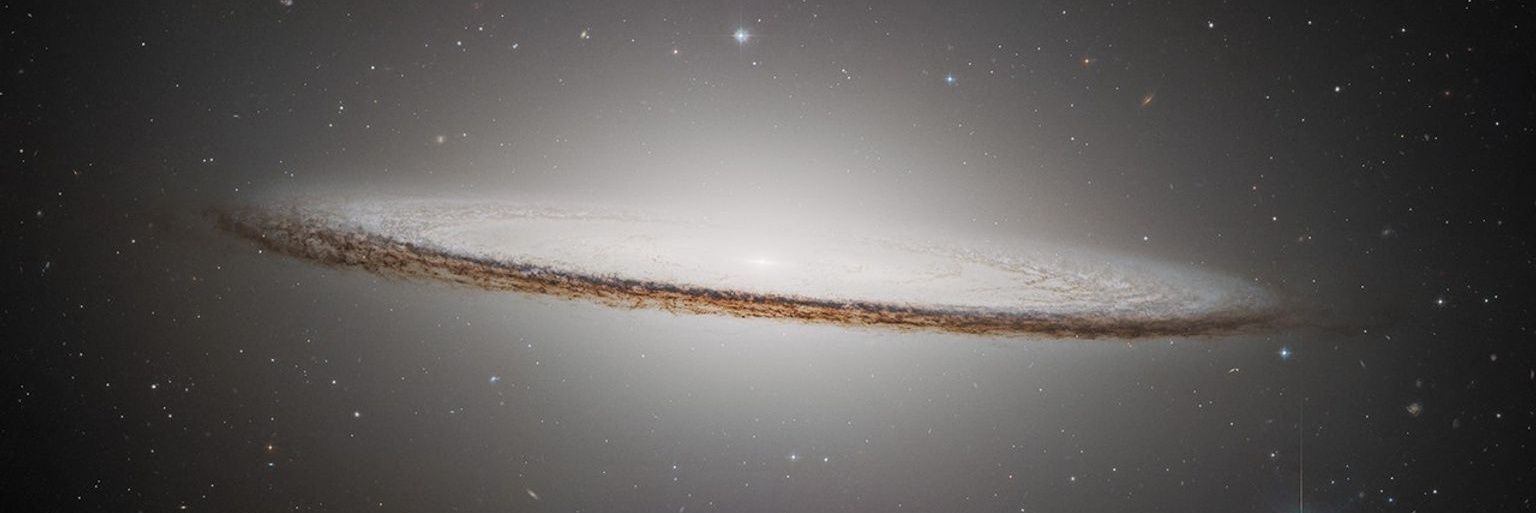
The Veil Nebula: A Ghostly Tapestry of a Dead Star Stretching across the constellation Cygnus, the Swan, lies one of the most breathtaking supernova remnants in the night sky ��� the Veil Nebula.Roughly 2,100 light-years away, this delicate, glowing filament is all that remains of a massive star that violently exploded more than 10,000 years ago. What we see today is the shredded wreckage of that cataclysm: shockwaves still racing outward, colliding with interstellar gas and lighting up vast, ethereal curtains of oxygen, hydrogen, and sulfur in vivid reds, blues, and greens.The Veil is enormous — spanning over 100 light-years — yet incredibly faint, making it a favorite target for astrophotographers and large telescopes. Its intricate, lace-like structure reveals the violent beauty of stellar death and the ongoing cycle of cosmic recycling.
Credit: ESA/Hubble, Digitized Sky Survey, Nick Risinger
The eclipse from Orion.
On April 6, external cameras attached to the Orion spacecraft's solar array wings captured the Moon backlit by the Sun during a solar eclipse.
أنا وحدي،
كظلِّ شجرةٍ نسيَتْهُ الريحُ
في آخر الحقل.
لا أحدَ يسمعُ ارتعاشَ قلبي
حينَ يمرُّ المساءُ
خفيفًا… كذكرى لا تعود.
الجبالُ أمامي لا تتكلّم
لكنها تعرفُ كلَّ ما أخفيه.
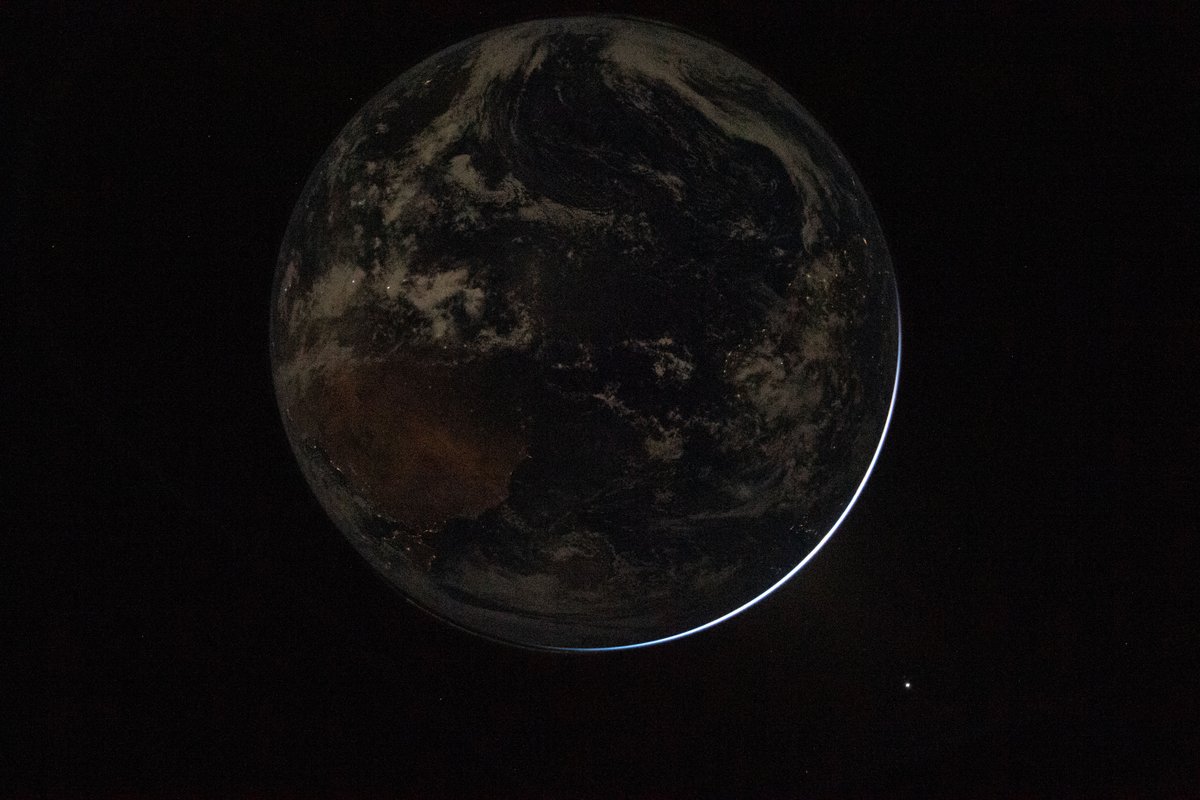
Even in darkness, we glow.
In this image of Earth taken by the Artemis II crew, we can see the electric lights of human activity. In the lower right, sunlight illuminates the limb of the planet.