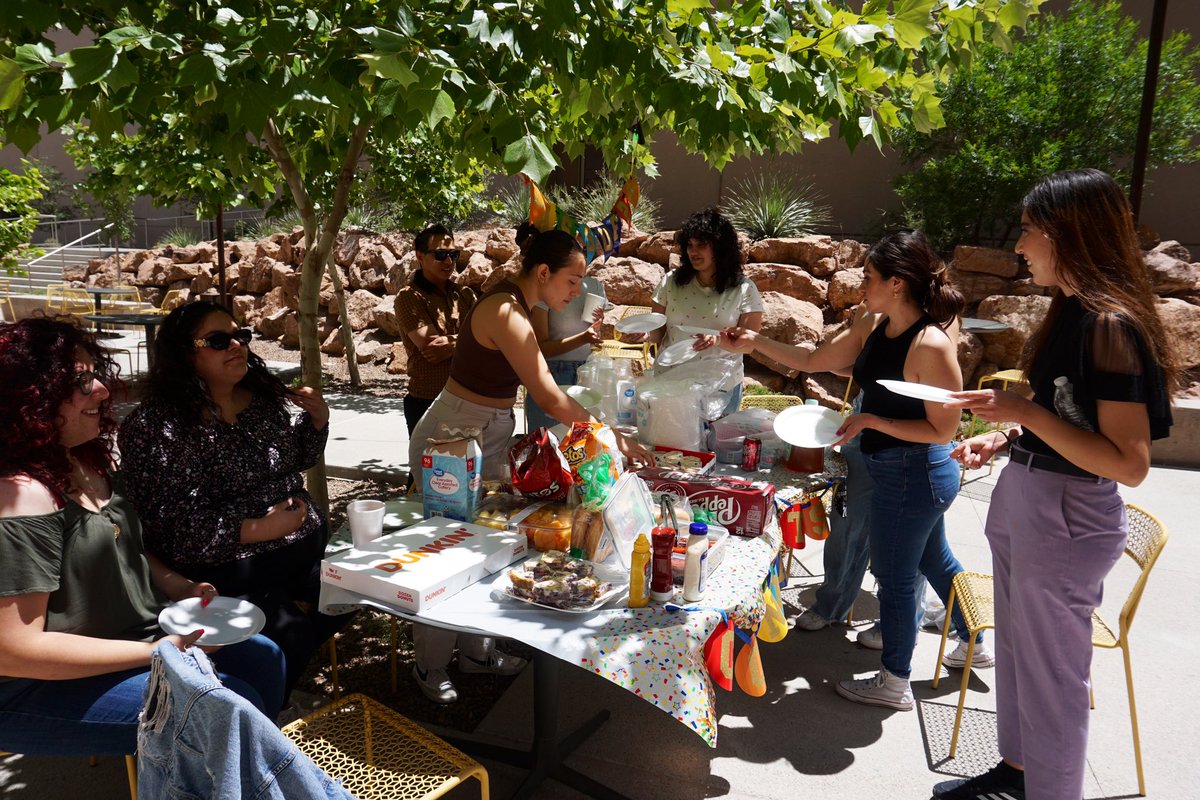
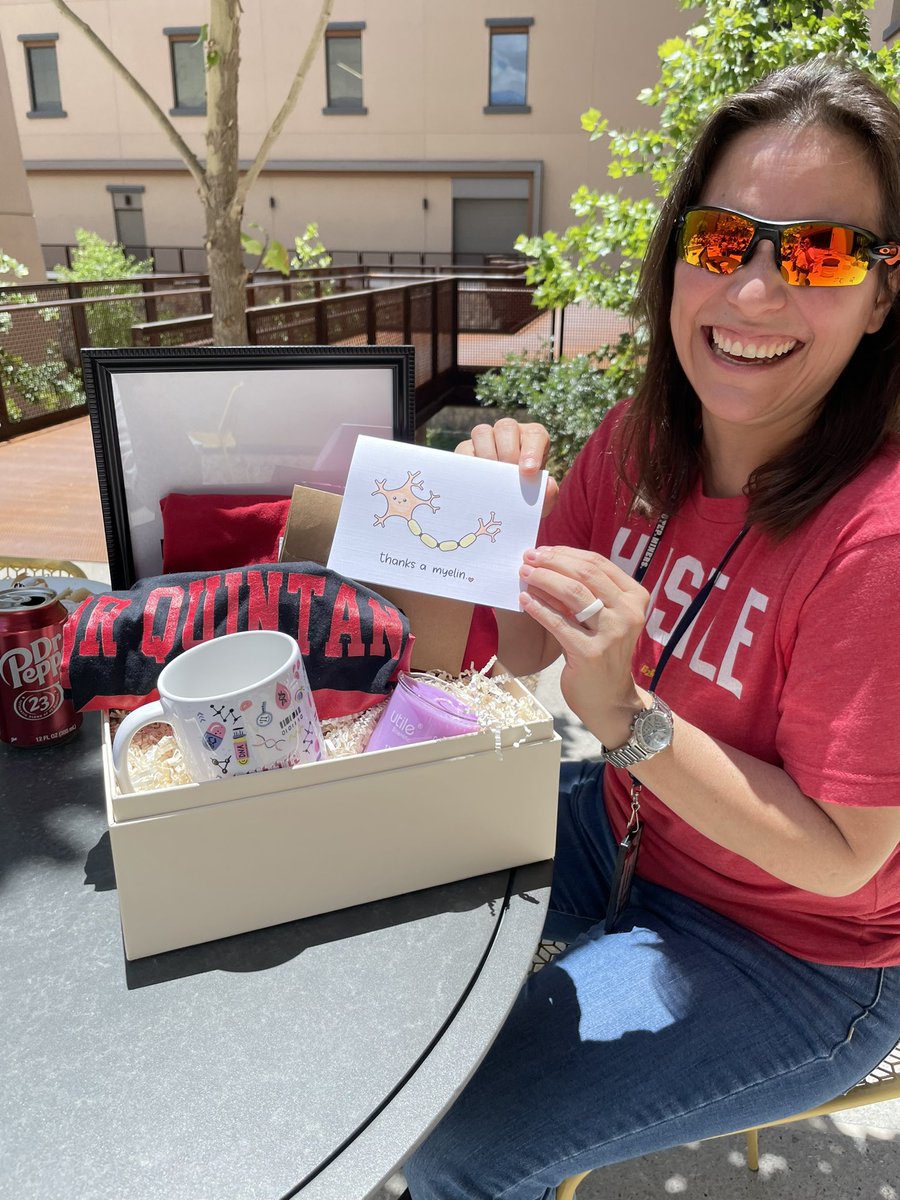
Beyond thrilled to announce that I received an NOA for the @NIH F99/K00 #DSPAN @NINDSDiversity award! 🙏🏼 Thankful for all the support & advice from my mentor @AnitaQuintana20, co-sponsor @AppelbhBruce & PhD committee members. Postdoc here we come! 🎉
There’s an enormous amount of disinformation flying around about NIH right now, so let’s clear a few things up. The NIH is not Big Pharma. It doesn’t make drugs, it doesn’t set public health agendas, and it doesn’t profit from your illness.
“This will likely mean fewer new treatments will get to children and therefore that fewer children will be saved,” said Charles Roberts, MD, PhD, director of the St. Jude Comprehensive Cancer Center.
Cuts in NIH research grants will have a lasting negative impact on science and medicine in the U.S. Grants will continue to fund specific research costs, but essential infrastructure like labs, advanced equipment and support staff are crucial for groundbreaking work.
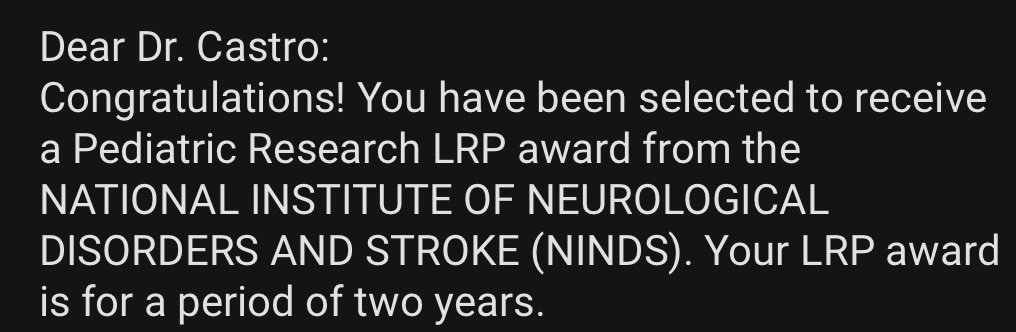
What a blessing to receive the @NIH_NINDS @NIH_LRP 🙏🏼🎉 This amazing award will pay back student loans incurred during my undergrad and PhD! So grateful to the @NIH, my #DSPAN network, and mentors for their advice and support. Happy to help those interested in applying!
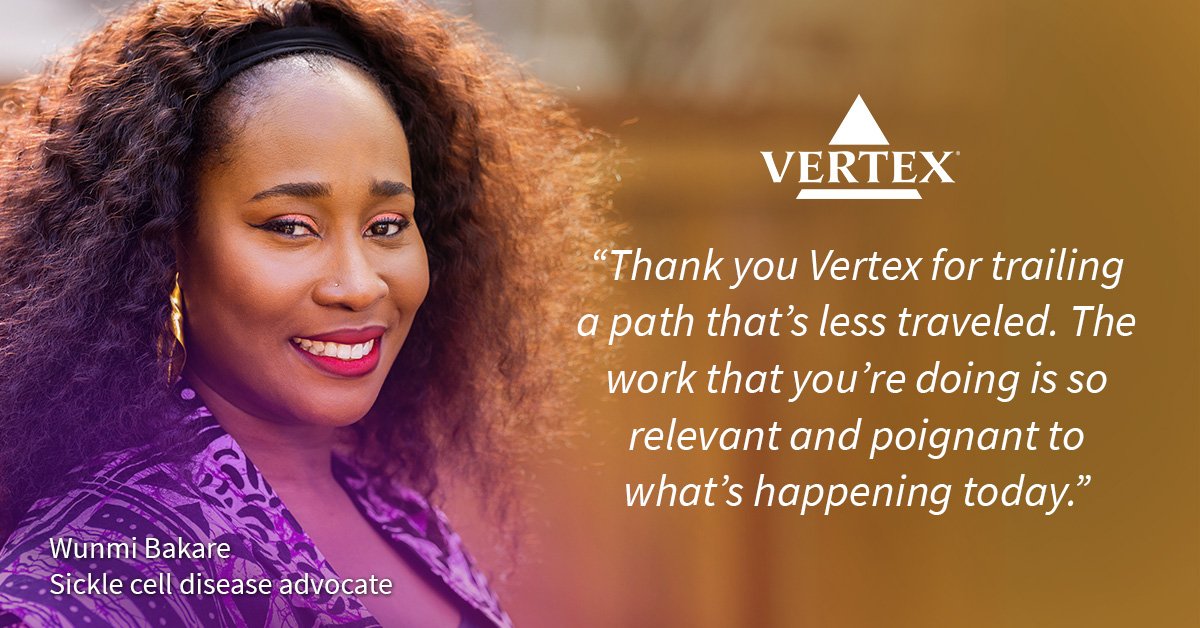
#Breaking: The U.S. FDA approves our treatment for #SickleCellDisease. We are excited to make this treatment available to patients. Learn more: https://t.co/9k3p4c7Kyv
✔️Defended my PhD
✔️Moved to another state for postdoc
✔️Gave a talk at a national conference
✔️Learned how to work with a new model system
✔️Trained on new techniques in chromatin biology
I am excited to share this collaborative commentary paper in @CellCellPress , written with a fierce group of Latina professors. Here we share challenges & possible solutions in retaining #Latinas in #STEM (especially tenure & promotion). https://t.co/EbutDcjAzL
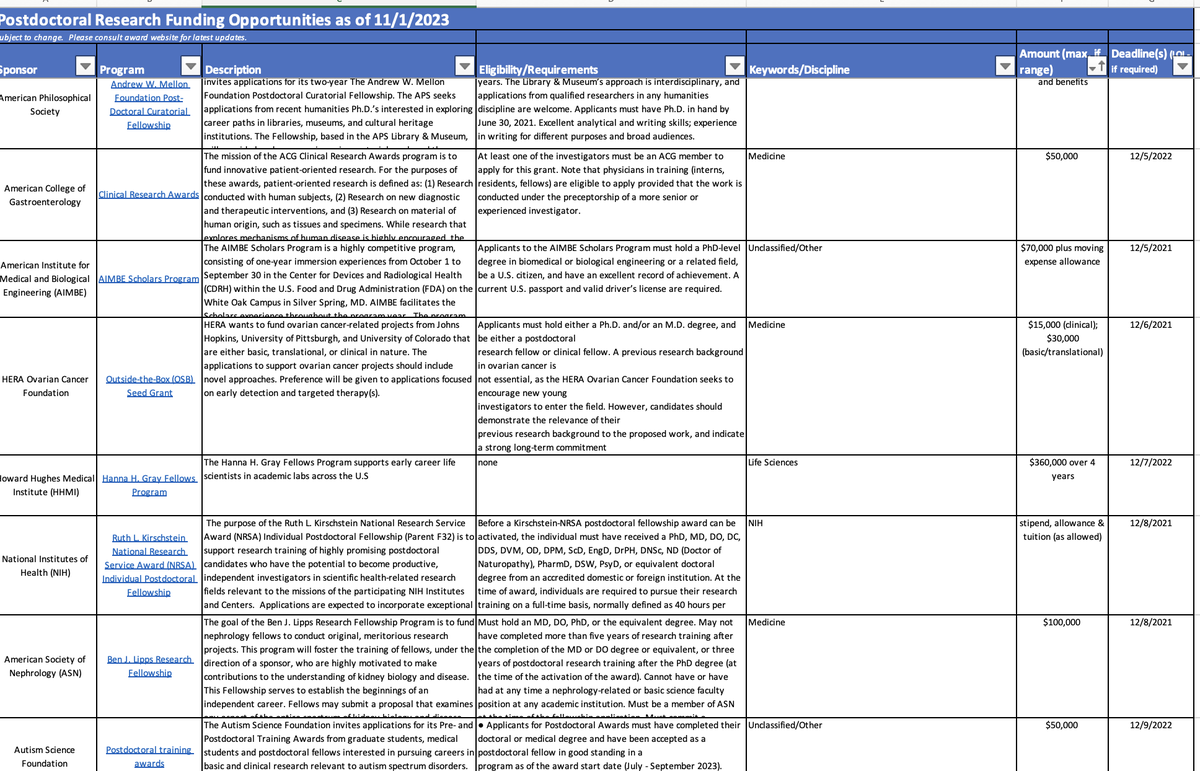
Just updated: Download our massive database of postdoctoral fellowships (316!)
For each fellowship, we provide a description, link, $ amount, eligibility criteria, and deadline.
download this database here: https://t.co/EbTahdzJ9X
“Yes I can - And I did do that - And so can you!” - Words from @joann_trejo during her powerful and inspiring keynote emphasizing her journey overcoming challenges as a first generation PhD & woman in science. #NDiSTEM#SACNAS2023
Ever wonder if taking #ketamine (for recreational or therapeutic reasons) has long term side effects? See our lab's latest findings!
Biological Psychiatry: Global Open Science https://t.co/zPrAKtP5nZ
UT System News of the Day: @UTEP and @UTSWNews/@UTDallas received @NIH Common Fund FIRST program grants to support their efforts to recruit diverse biomedical faculty members. Via @Forbes: https://t.co/T5I3Dg8qTB
Postdoc is conceptually different from a #PhD position. Below are some key points to keep in mind before starting postdoc.
1️⃣ The harsh reality of being a postdoc:
1. Postdoc is a contractual (not educational) position. Your postdoc duties are defined by your contract & agreement with your advisor.
2. Usually, a contract is given for 1 year and renewed annually. It does NOT offer the same job security that PhD students enjoy. Be prepared to start searching for a new position in 1st year and leave anytime.
3. Postdoc is inherently a position for academia (with a few exceptions like in bio). Often, companies will assume that you’ve chosen an academic track, not industry. They’d rather hire a fresh PhD graduate from the same field than a postdoc. So, your job search outside academia may become challenging, especially if you do fundamental research.
4. If you want to be a faculty, your postdoc may require a lot more efforts than you originally expected, making it the most intense time of your life. Be prepared.
_________
2️⃣ If you take postdoc because you want to be more competitive for senior academic positions, keep in mind that:
0. Choosing the right lab & advisor is statistically MORE important than simply working hard and publishing papers during postdoc (esp. in the U.S.). However, working with an advisor who can write an excellent recommendation letter does NOT mean that you will also get prepared for a faculty life and become a great scientist. Your advisor should be a good mentor for this.
1. As the competition for faculty positions can easily reach over 1/300 and you have ~1 year before applying for positions, postdoc time often turns into a “race”. The worst part is that hard work does NOT necessarily lead to success.
2. Postdoc is NOT a must for being a faculty. Some students secure professor positions at the end of their PhDs (esp. at the top universities in the U.S.).
3. Postdoc lasts 1-3 years. If you’re a first-year postdoc and apply for faculty positions, committees will be OK with you showing your PhD work during interview. But starting from your 2nd year, they expect you to show successful postdoc results.
4. Some committees expect that a 3-year postdoc should complete as much work as a 5-year PhD student. It’s like a fast-track PhD.
5. Often (esp. in STEM), the expected number of “postdoc papers” is on average 1 paper per 1 year, unless the work is unusually complex. NOT 10 papers/year.
6. Publishing a lot of papers is normally viewed negatively. Coauthoring tens of papers will send a RED flag to the committee. For decent universities, it's (almost always) quality over quantity.
7. Doing a second postdoc is rarely helpful in landing a faculty position.
8. Ideally, postdoc should be in a different field than your PhD. Switching fields is viewed positively and can be helpful in landing a faculty position. But it is much more challenging because your time is very limited but you must do outstanding research. Also, I know many people who didn’t change fields but became faculties nonetheless.
Good luck!
#AcademicTwitter #AcademicChatter
90% of molecular biology is pipetting very tiny amounts of clear liquids from one container to another. The other 10% is doing math on paper towels.
Some days I think I should have listened to my mother and become a wizard.
Dr. Josh Wythe (@wythelab) to move to @uvamedicine.
PhDs awarded to:
Dr. @BrittanyTTruong of @Artingerlab,
Dr. Georgia Stirtz of Zon Lab,
Dr. Victoria Castro (@vlcsci) of @AnitaQuintana20 Lab.
✨NEW✨Find new research at our tweet collection here: https://t.co/p2Hr8Q4xtR
3/10