Know your fibres to know your functions.
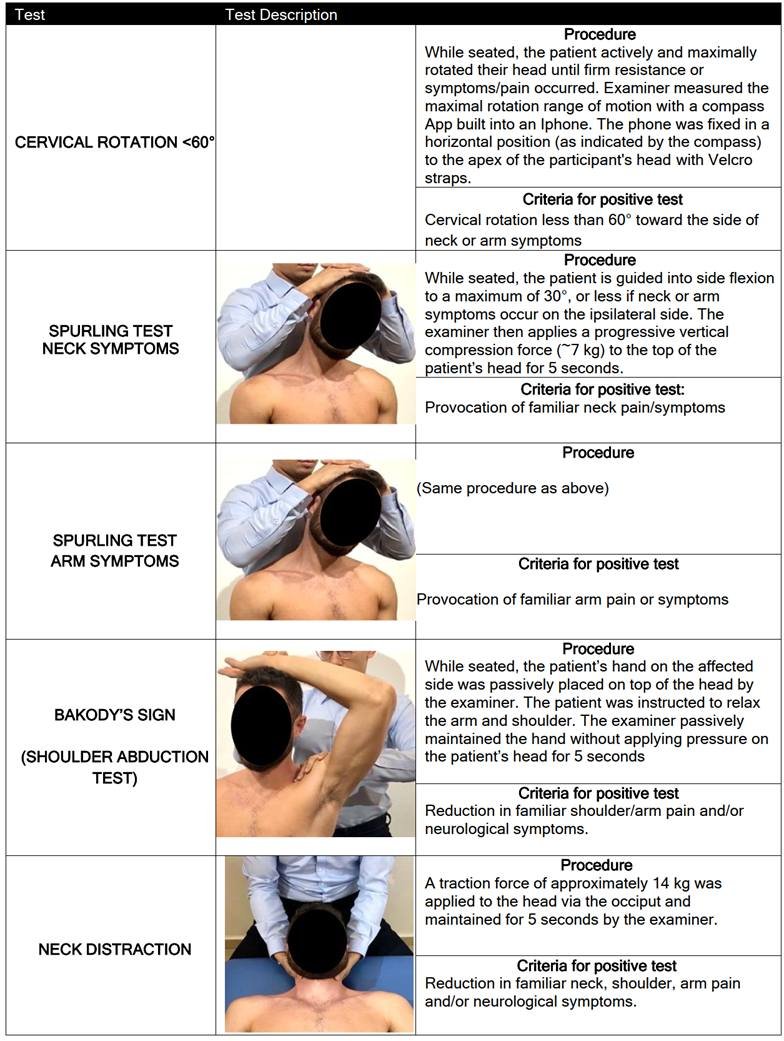
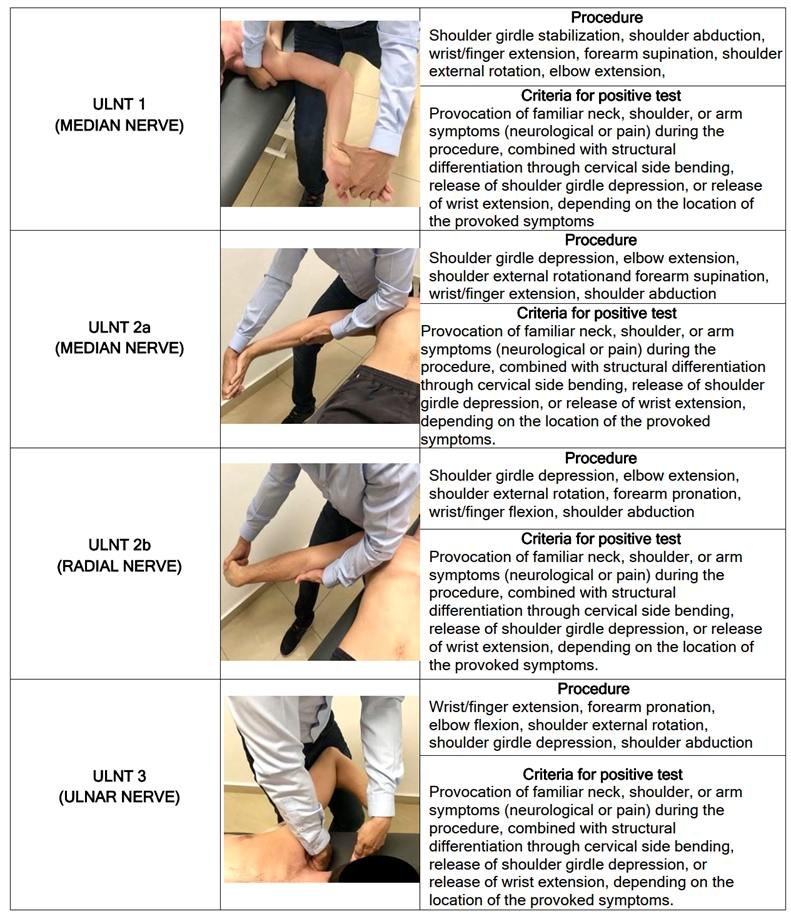
A little snippet of a table I've developed for the Radicular Reminders book. Alluded to here in a post course video, which will soon be available in the members' section.
Very happy with this one. 😊
Safe cervical spine care starts before treatment. 🦴
This survey https://t.co/rv1Q8sYu7C highlights how physical therapists assess risk factors, manage safety concerns, and where further training may strengthen clinical practice.
#Physiotherapy#CervicalSpine#PatientSafety
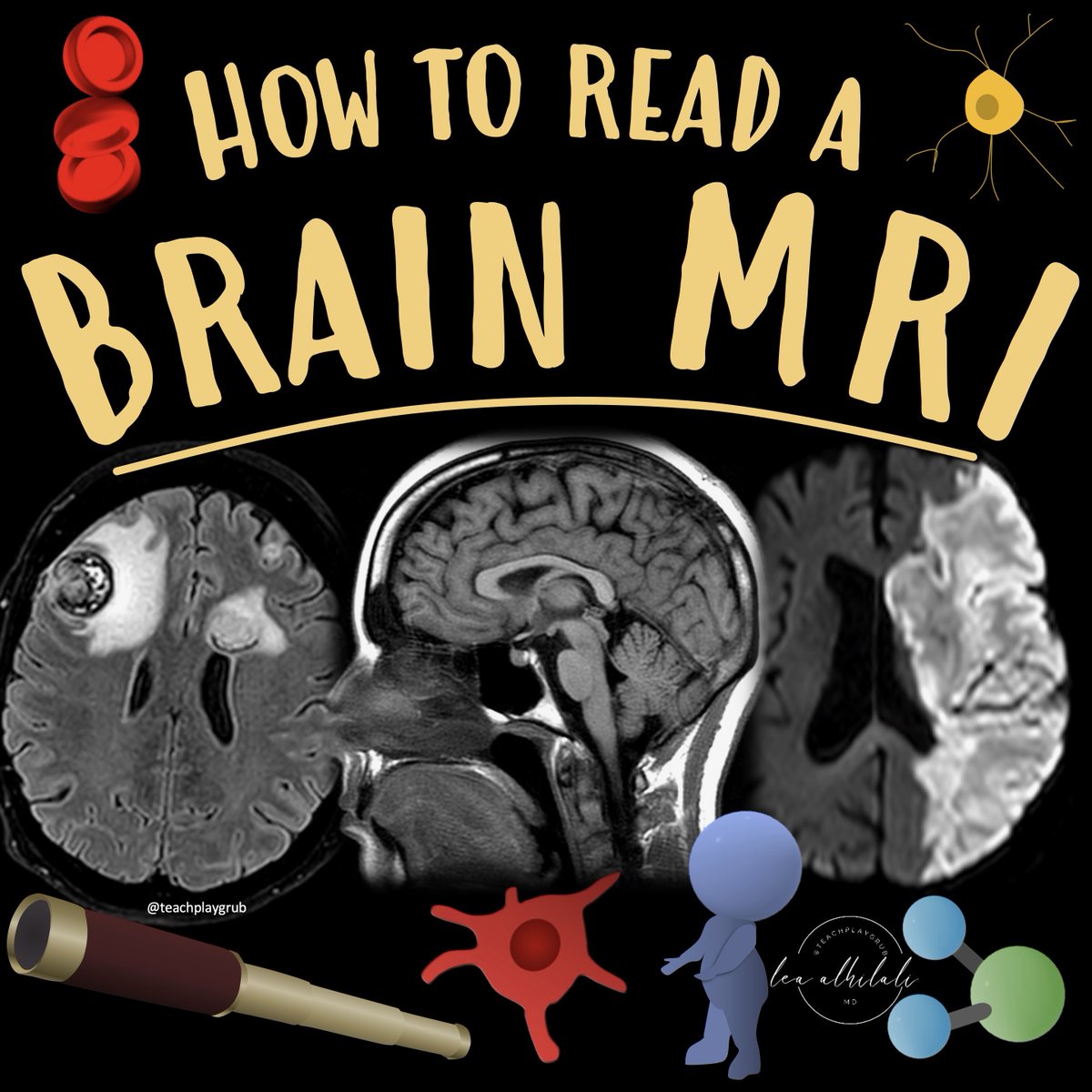
1/Do radiologists sound like they are speaking a different language when they talk about MRI?
T1 shortening what? T2 prolongation who?
Here’s a translation w/an introductory thread to MRI.
Are Most Rotator Cuff Tears Actually Tears?
This topic is far, far more complicated than most think... and it's certainly far more complicated than the discussion in most office visits portrays.
1/
If you have a rotator cuff tear on an MRI report, almost everything you have been told about it is more wrong than right.
A short thread on what the cuff actually is, why most "tears" aren't what you think, and why surgery is rarely the right first step.
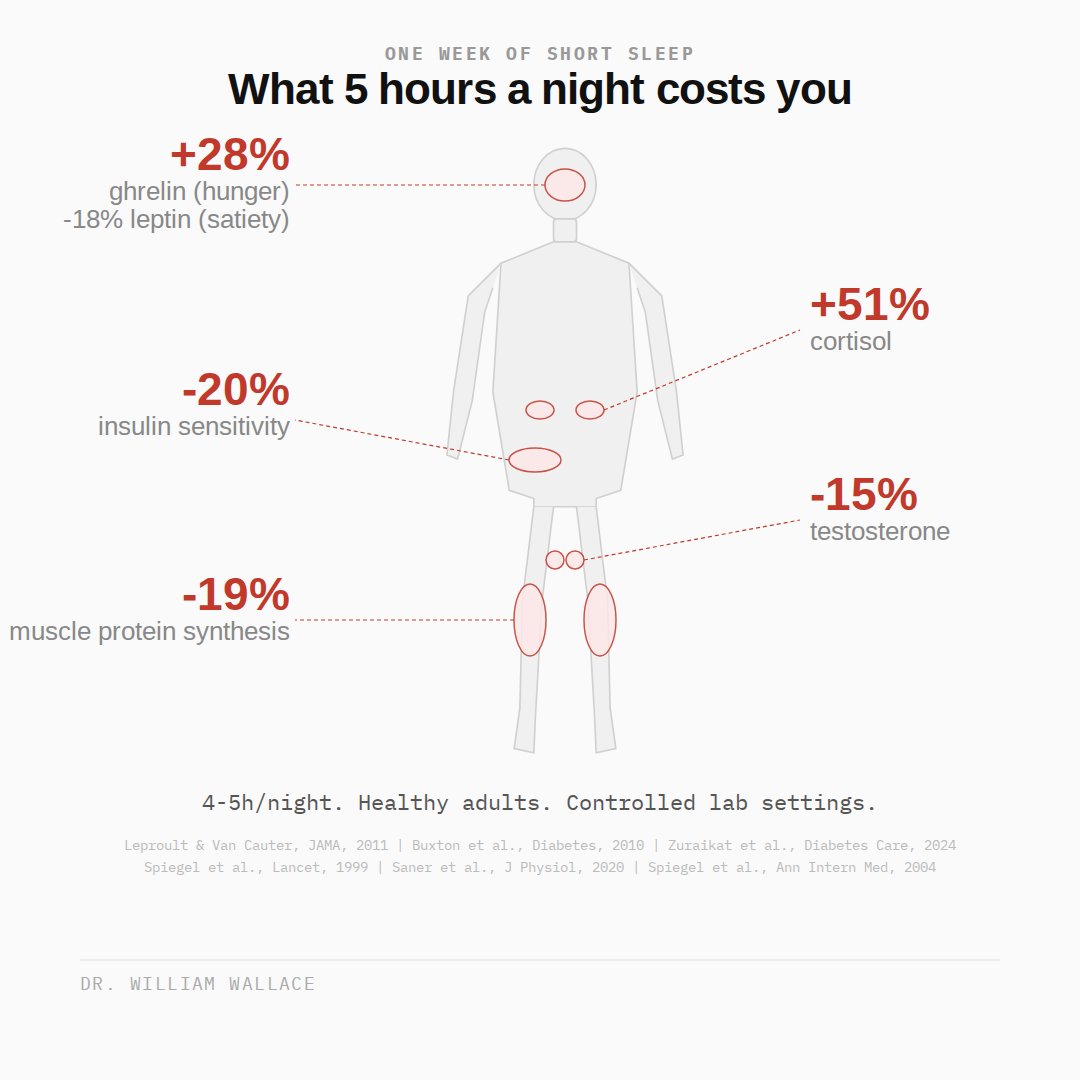
One week of short sleep in otherwise healthy adults. Not "sleep deprived" by strict definition. Just 4-5 hours a night. Testosterone dropped 15%. Insulin sensitivity dropped 20%. Muscle protein synthesis dropped 19%. Hunger hormones rose 28%. Cortisol rose 51%. These aren't the only systems affected. They're just some of the ones that have been measured in controlled settings. No supplement, no diet hack, no training program (crazy claim, I know, but you can't outrain poor sleep...) outperforms sleep at keeping systems "online".
References:
Leproult & Van Cauter, JAMA, 2011. Buxton et al., Diabetes, 2010. Zuraikat et al., Diabetes Care, 2024. Spiegel et al., Lancet, 1999. Saner et al., J Physiol, 2020. Spiegel et al., Ann Intern Med, 2004.
👉 Key finding:
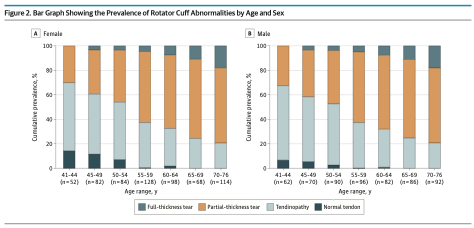
Rotator cuff imaging abnormalities in people over 40 are almost universal.
99% had at least one imaging abnormality
78% of full-thickness tears were found in asymptomatic shoulders
Imaging findings ≠ pain.
Our paper is free open access. Please read share, and enjoy , thank you 🙏
Contextual effects in musculoskeletal pain: are we overlooking essential factors?
https://t.co/zbVXDQYqFq
Achilles ruptures are a hot topic in the NBA right now
What a privilege to share my post-rupture rehab approach with some NBA PTs.
Thanks to NBA PT Association & @sportsmapnet 🙌
#NBA#AchillesRupture
Watch the full video here: https://t.co/miEnouGyq8
JUST OUT!
We are thrilled that this critically important paper led by @MattLowPT now published, co-authored by @DaveNicholls3@fimo18 and myself.
This paper discusses the mounting challenges facing our profession #planetarycrisis
https://t.co/BGVpCmDLJ7
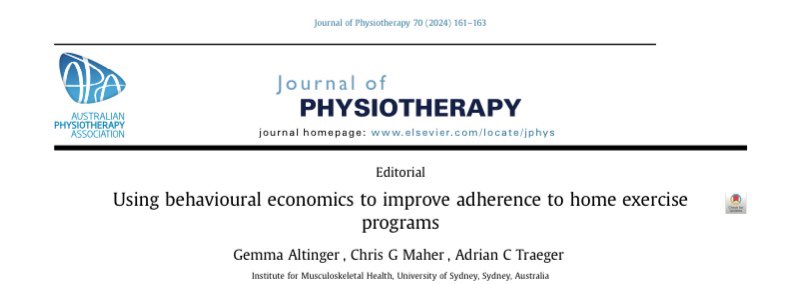
This paper came out earlier in the year on how Behavioural Economics principles can increase exercise adherence ⬇️
But what does it say?
Here’s a summary 🧵
Well done to @GemmaAltinger@CGMMaher@adrian_traeger
Link to article at the end.
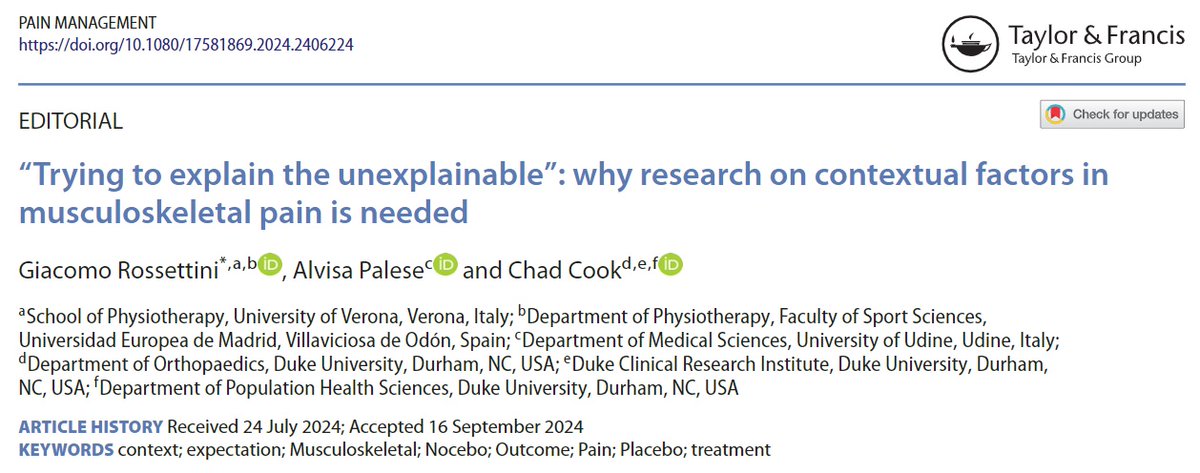
Wonderful experience writing this editorial with @GiacomoRoss86 and Alvisa Palese on measuring contextual factors. https://t.co/WZKnwv9uII Open access here: https://t.co/7zFRdpC0mw
You simply cannot separate psychology from physiology. This ‘practised separation’ is one of reasons the health professions sometimes struggle to help people with chronic pain - and, many other conditions.
It’s a new season, and in this brand new episode of my podcast ‘Feel Better, Live More,’ my guest @PeteOSullivanPT and I had a fascinating conversation about pain management in our healthcare system and how physiology and psychology are fundamentally intertwined.
Peter highlights the important role that emotions and psychology play in managing and treating pain, rather the often purely mechanical approach that is often taken by some clinicians.
Listen to our conversation in full here https://t.co/JfO7GKZEJv or enjoy wherever you get your podcasts.
For anyone who missed this, @_ISCP_ are hosting a webinar on the same topic for world Physiotherapy day Tues Sept 10th - to register Events | World Physiotherapy Day Public Lecture Myths Of Low Back Pain | The Irish Society of Chartered Physiotherapists (https://t.co/IWwt2j8fIv)
Beautiful podcast with @drchatterjeeuk & @PeteOSullivanPT on low back pain and chronic pain.
👏👏👏
Great to hear the contemporary understanding of pain being discussed like this - we need more!
Essential listening for clinicians and patients alike 👇
https://t.co/1RRh8R8zyQ
Important paper
👉49% of the change in pain is likely attributable to natural history.
👉18% may be attributable to placebo.
👉Only 33% of the effect relates to the specifics of the intervention.