🔥 New study unveils the first tree-ring based fire history in Bhutan Himalaya! Discover how Bhutan's 1969 Forest Act and climate dynamics like El Niño have shaped fire regimes over the last century. #FireEcology#ClimateResearch
https://t.co/asfIzmxXN5
A new study reveals an enhanced earthquake risk for the Seattle area due to a network of linked faults, highlighting the urgent need to update local hazard estimates to account for the possibility of much more devastating “multi-fault” earthquakes. https://t.co/X03bfeM5o5
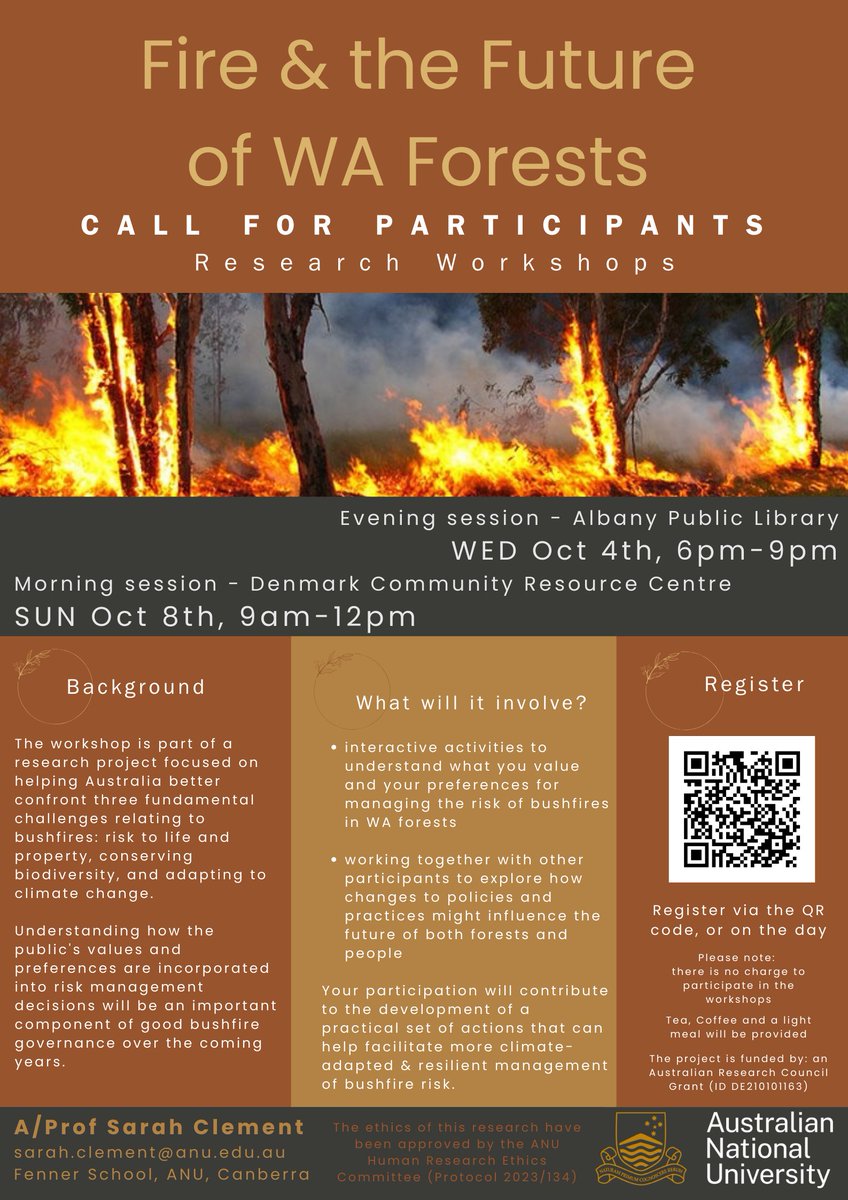
I am holding two workshops in WA this week for members of the public, exploring how we manage the risk of #bushfires on #forests in the South West. You can register here: https://t.co/QBeQiABWJz. Even if you can't come, you can register your interest in future events & workshops!
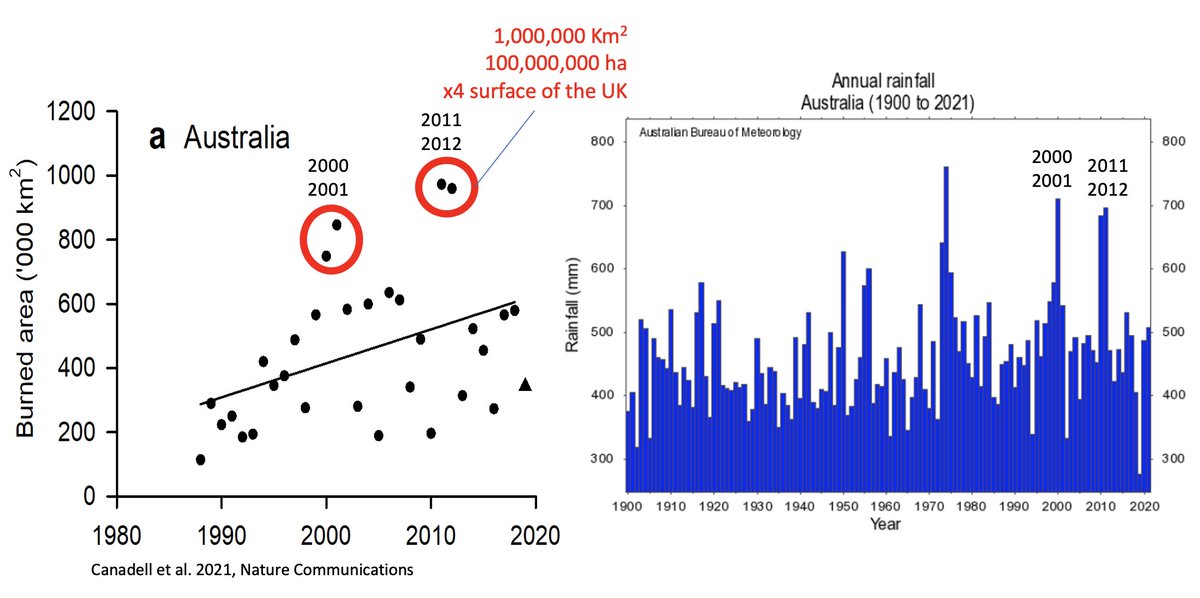
The Bureau of Meteorology has declared that El Niño and a positive Indian Ocean Dipole (IOD) are underway. Warmer and drier conditions have already been forecast for spring and summer for parts of Australia. Details: https://t.co/j4kNt3qLSZ
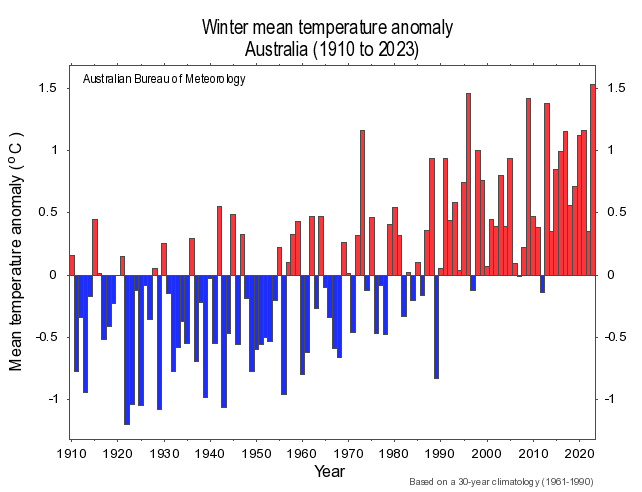
BREAKING: The @BOM_au official data for winter 2023 shows it's the warmest on record going back to 1910, with average daily temperatures at 1.53C above average. That beats the 1996 mark of 1.46C.
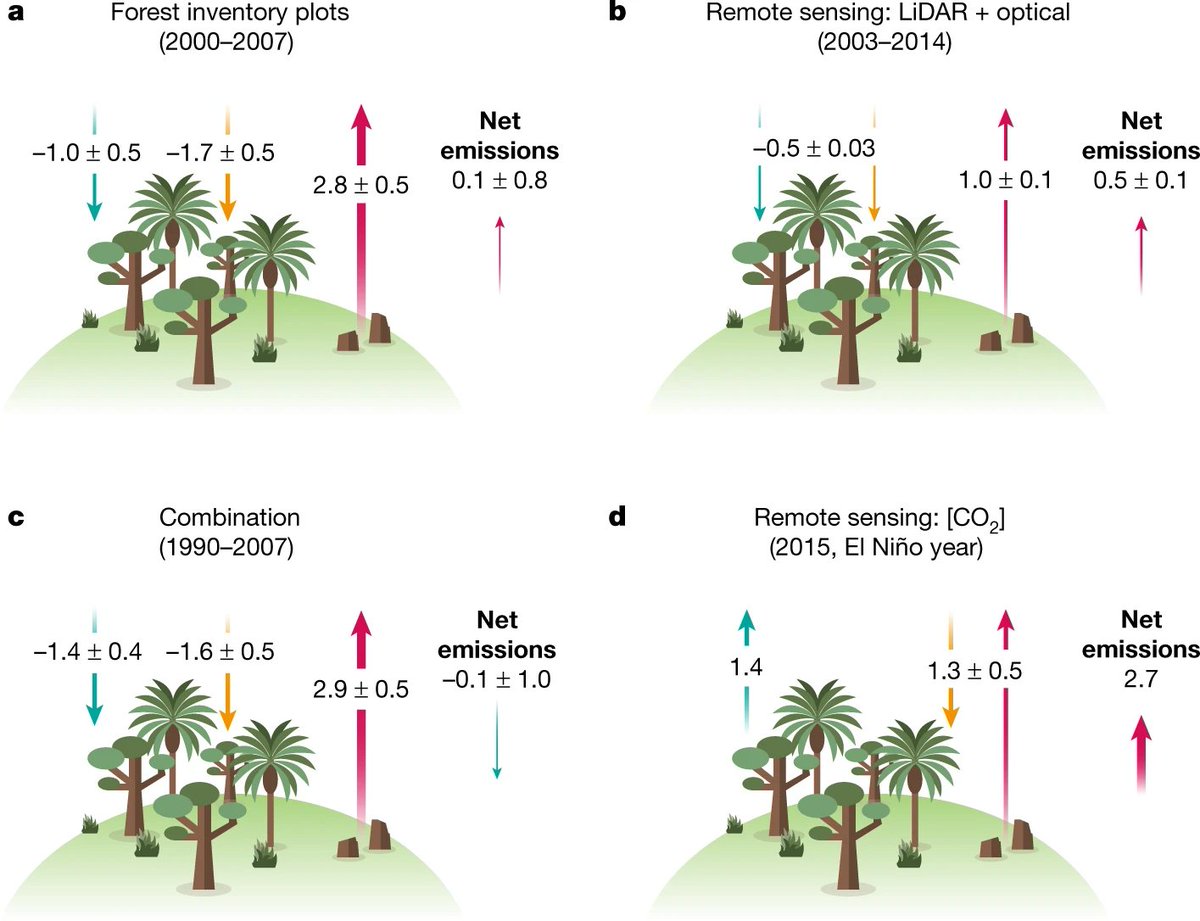
In 2018 I wrote a review paper in Nature on the impact of climate change on tropical forests (https://t.co/Jiu35OlPE7, subscription-free https://t.co/6YUd24ctDw)
I said that tropical forests were once a carbon sink, reducing climate change, but would soon be a carbon source 1/5
Proud to be a part of this excellent Open Access e-book on climate and historical ecology. I have a chapter with @ChrisGuiterman and @Tom_Swetnam on Indigenous fire management and fire resilience in AZ and NM but there are many excellent chapters here.
https://t.co/IPBVpR6m1e
Forest fires have been on the rise for decades as a result of human activity, a new #AGUpubs study found. #AGUinthenews
Get the full story from @JudeLB_Coleman in @Nature:
https://t.co/sPm2ZZLaLF
Tree rings reveals that frequency of wildfires in southeast Asia has increased drastically over the past 100 years because of people lighting fires for agriculture. “We had no idea how the fire regime has been changed”, says @vndendro https://t.co/ukf3lGLNYS
Our new paper https://t.co/na6xRPFG0w led by Jun Ma describes the static distribution patterns, as well as dynamic distribution patterns of forest fragments of the world.