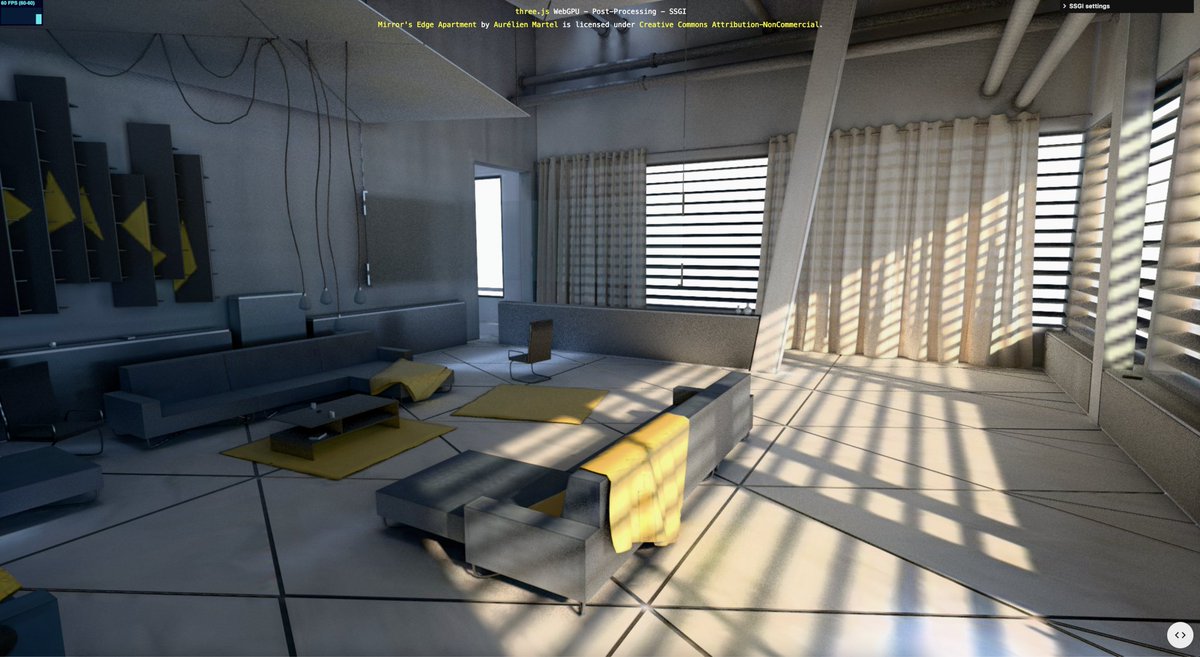
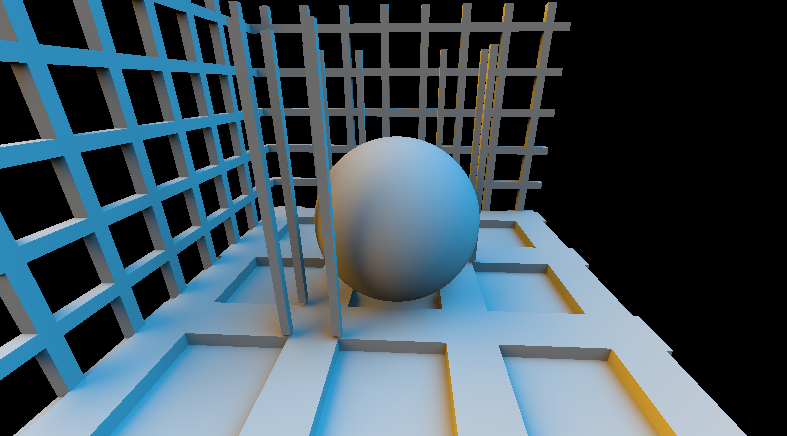
@SoftEngineer We published a paper to fix exactly the problems that you mention at the end of the writeup: https://t.co/xNPCw6dwjw
Here are a few implementations:
https://t.co/r6akZR9S8x
https://t.co/U8jwDB5DOB
Capsaicin is not just for tacos, it's also our developer rendering framework!
v1.3 is out now:
🌶️ Added heat with GI-1.2, which includes multiple-bounce indirect lighting.
🌶️ HDR support with spicier tone mapping.
And much, much more: https://t.co/yUmggcZGb2
A bit technical thread 🧵
I’ve been improving the in-game ambient occlusion system - and ended up with something I call:
Blob-based Analytical Ambient Occlusion on Primitives
Here’s what it does to the final image:
(more examples later in the thread)
(1/16)
I'm working on a AO and GI for my game. For that reason I'm extending @Mirko_Salm's GT-VBAO (based on @volfaze's work). I've done two things so far:
- Sampling a distant light instead of computing AO
- Added a heuristic for estimating occluder thickness
Details and links below
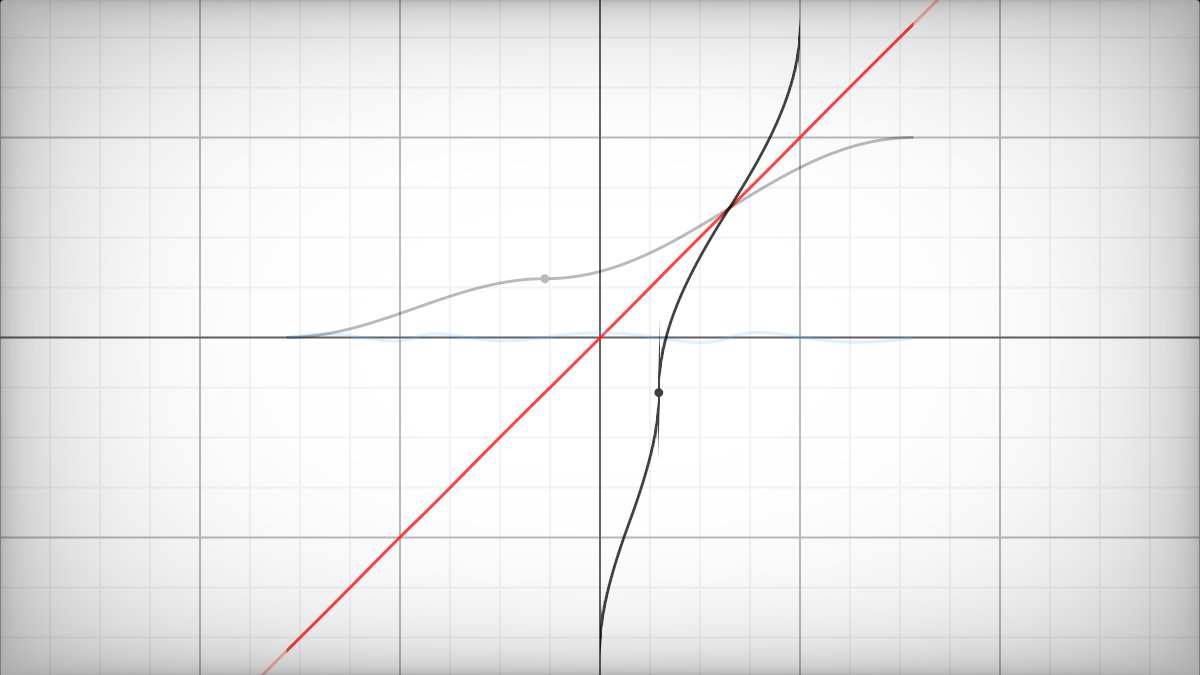
@Mirko_Salm Nice! For the cosine weighted version, if you do a dot product with the tangent (of projected normal) instead of view, I think samples would already be in cosine space and won't require acos
@NickChapmn (3/3) Maybe a more accurate way to do this would be to reweight the final contribution so it adds up to 1 (untested). Just removing the term and assuming the sample covers the entire sector is certainly more correct.
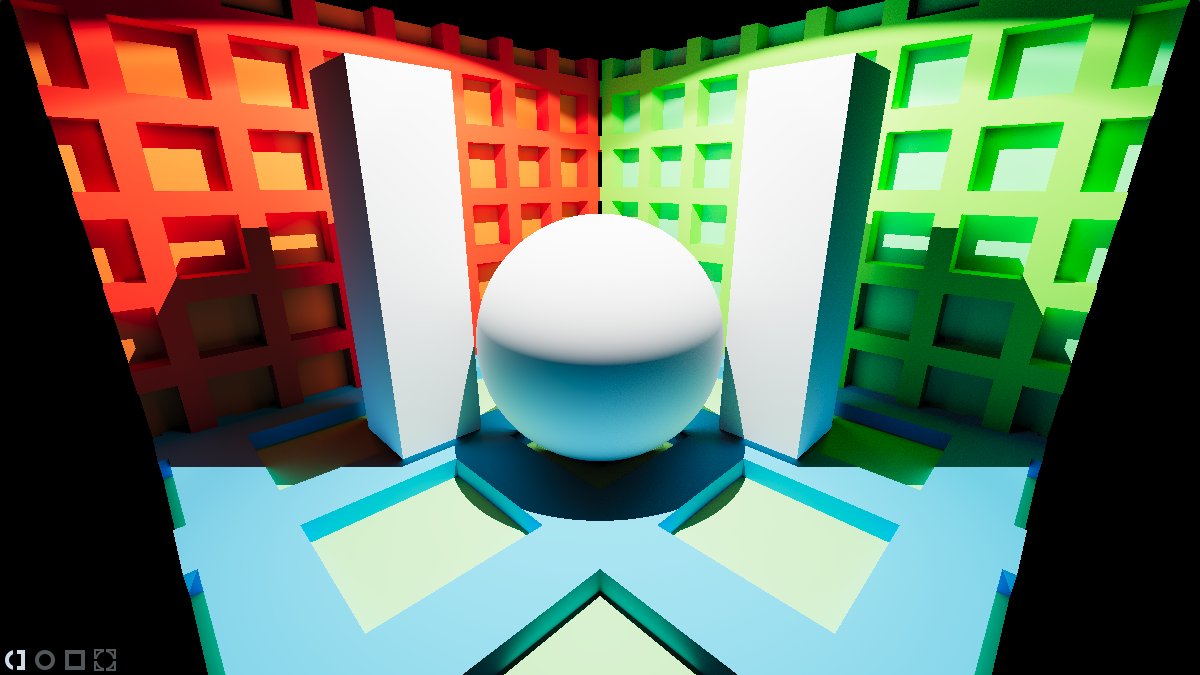
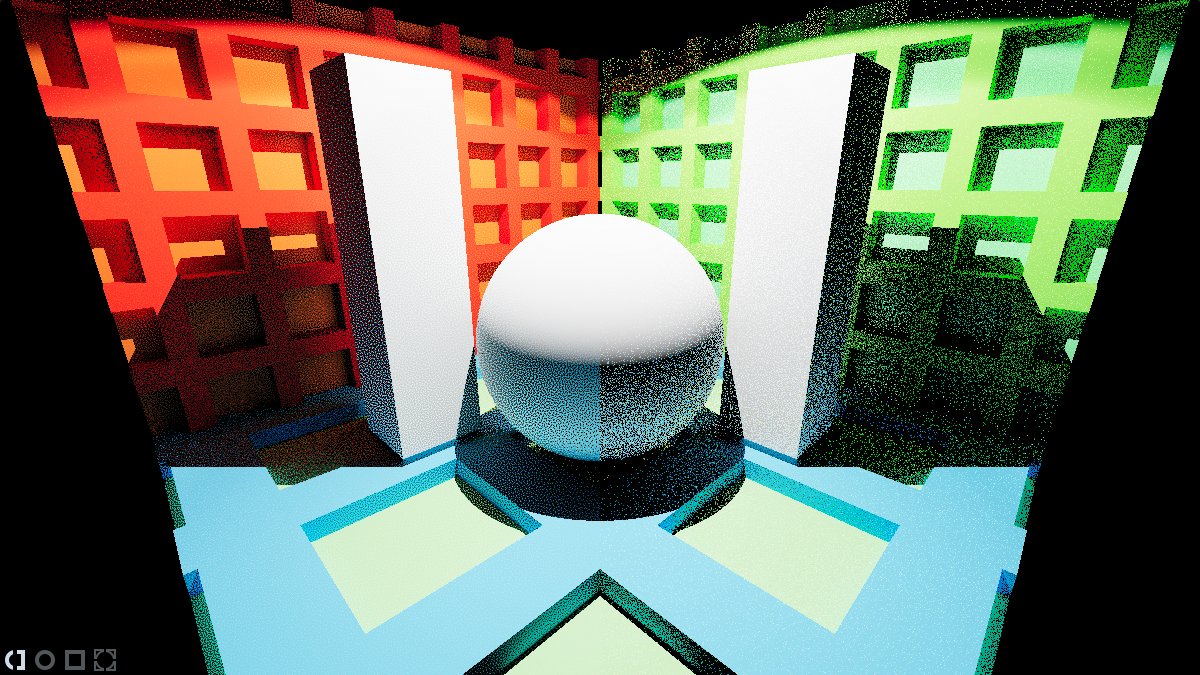
GT-VBGI: Ground Truth Visibility Bitmask Global Illumination: https://t.co/2u2cHNo2ij. image: GT-VBGI (left) vs. Reference (right). 2. image: the same as the 1., but converged. GT-VBGI matches the results of a brute force ray-marcher.