What does this mean for you? The enhanced maps reveal more local variation, providing a more detailed picture of bird migration patterns. Check out the animation we've included to see the comparison between the old and new forecast systems! (6/9)
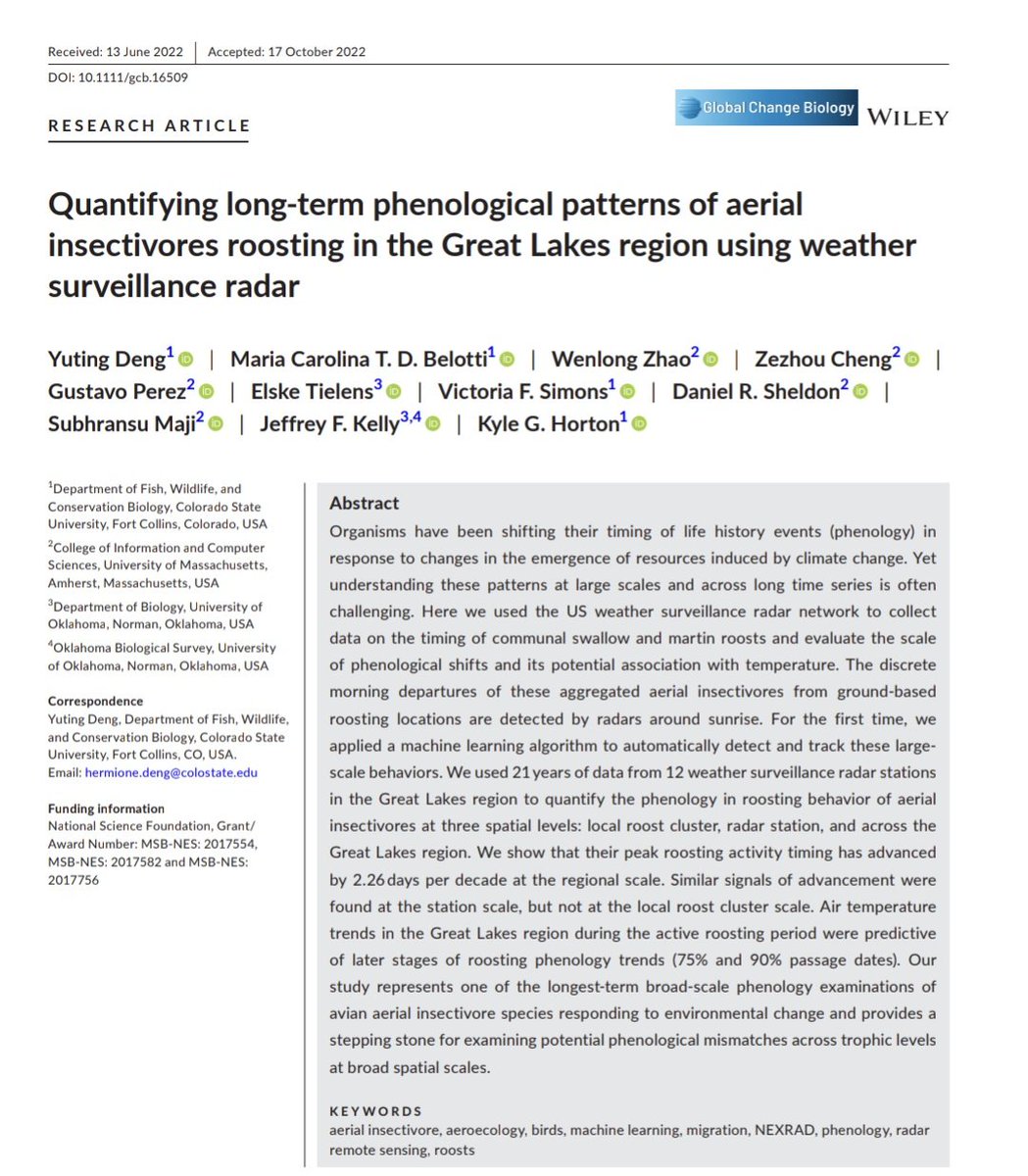
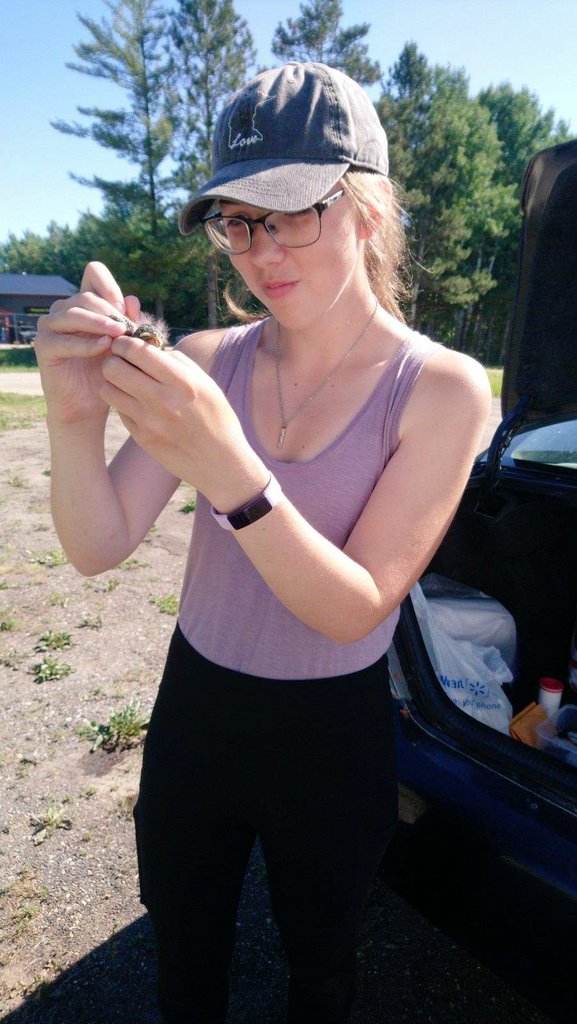
1st @uconneeb undergrad that I hired in my lab ✨Lauren Albert✨ just published a 1st authored paper from her work in my lab! @ItascaBio@UConnOUR
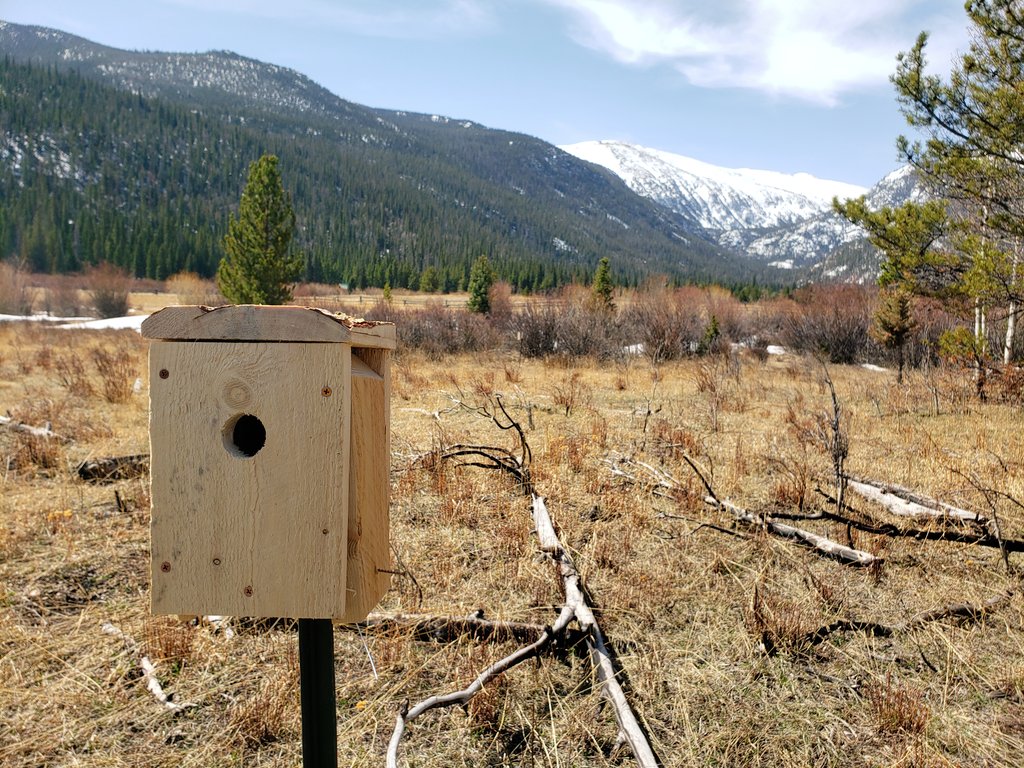
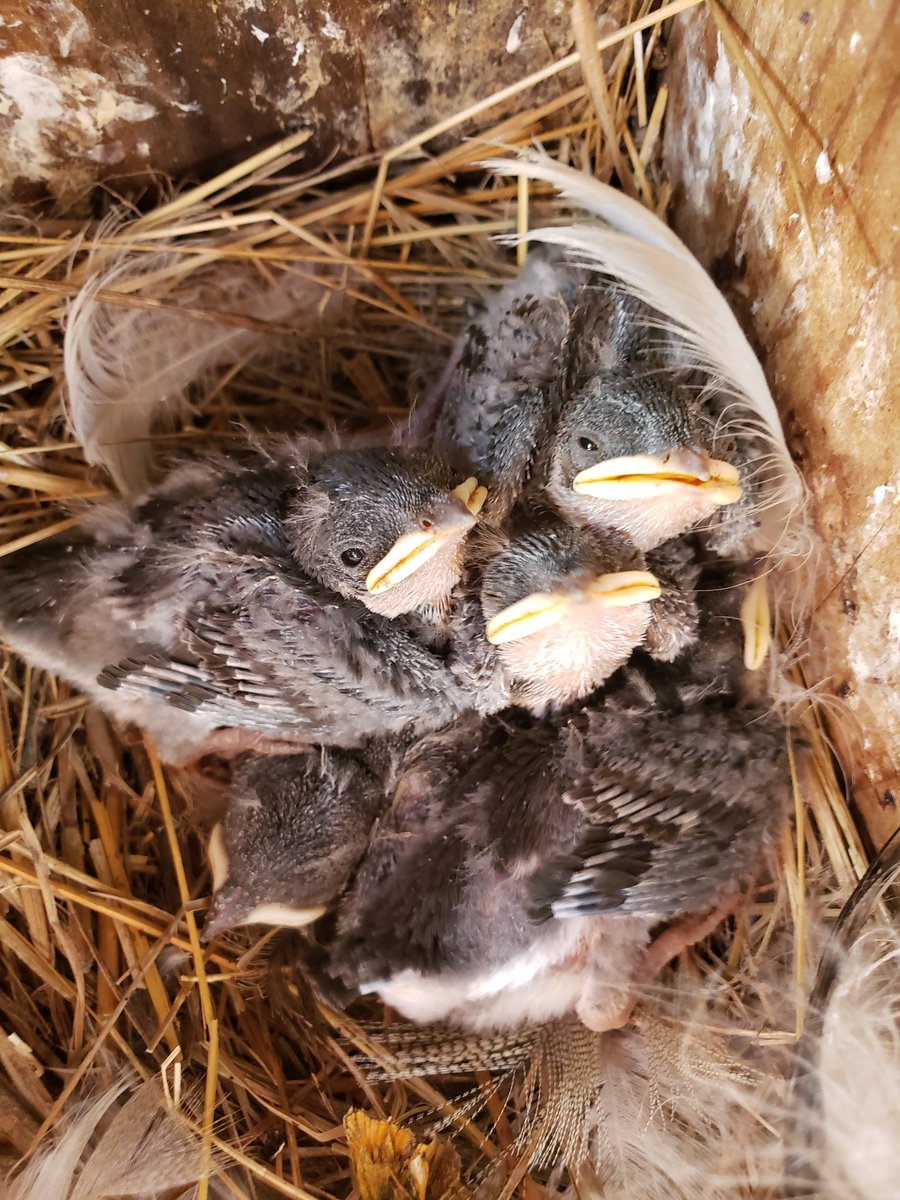
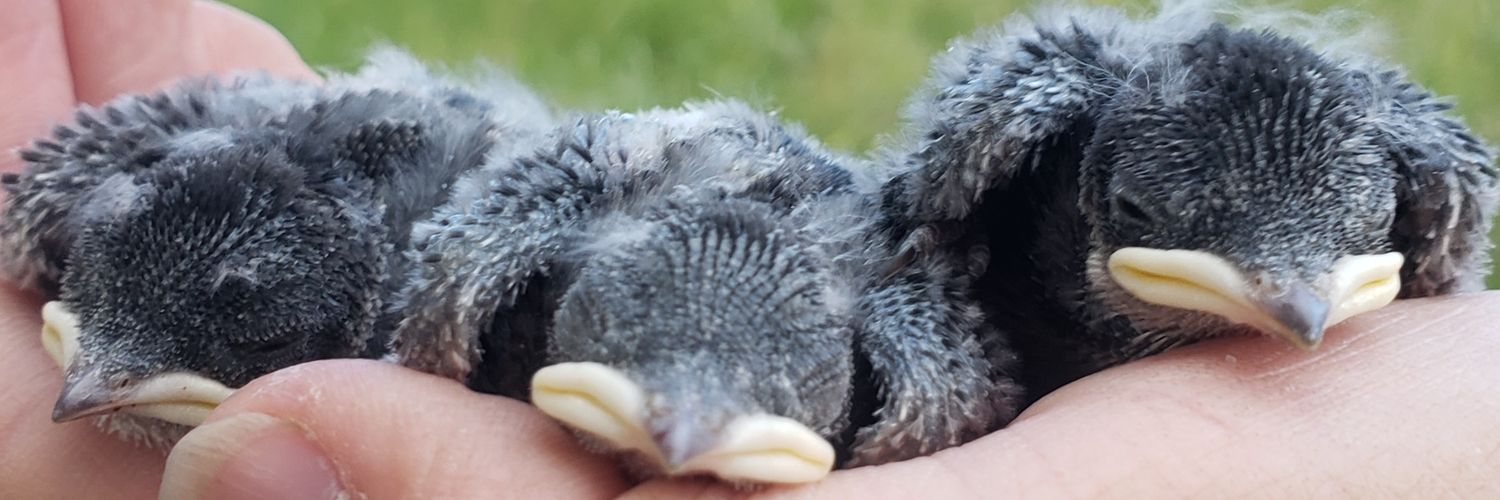
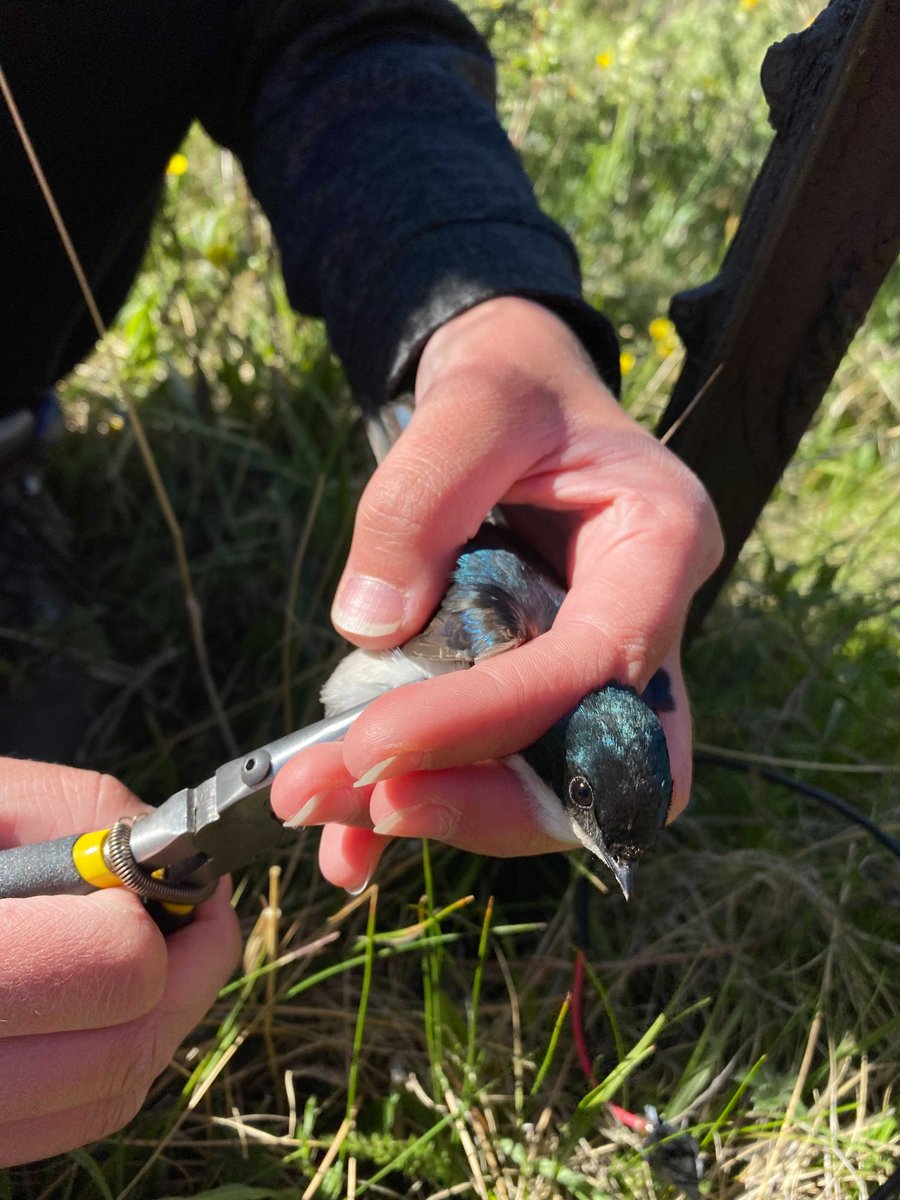
Elevated nest temperature has opposing effects on host species infested with parasitic nest flies 🪰🐣🪺
https://t.co/NFfXPSQVme
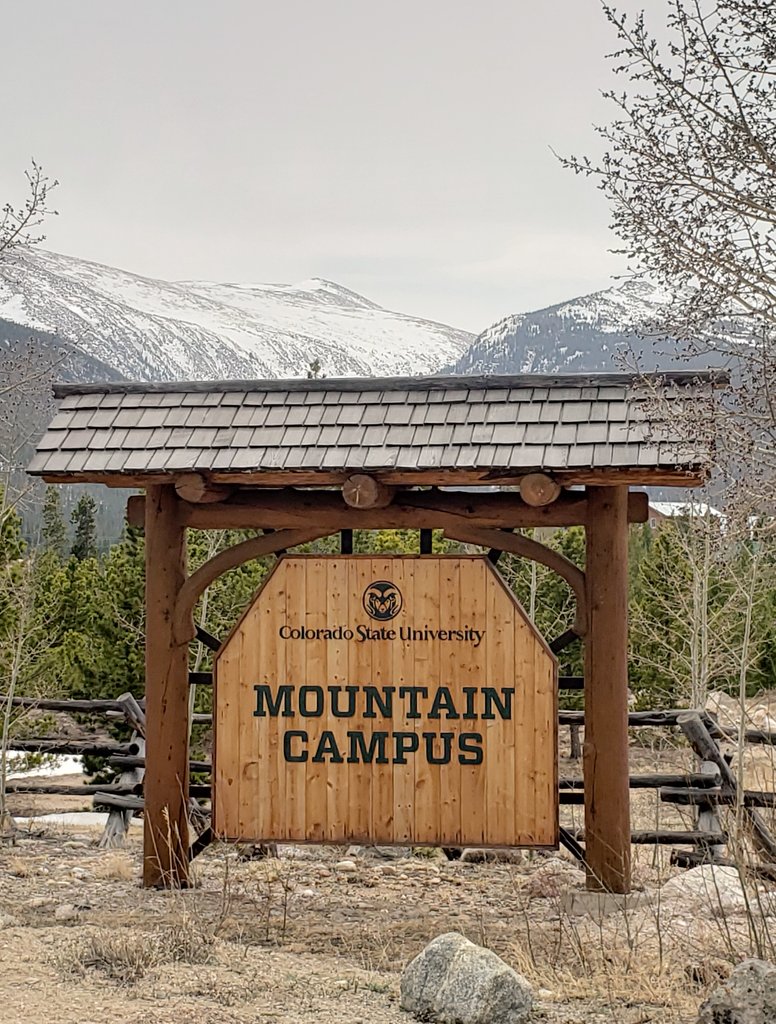
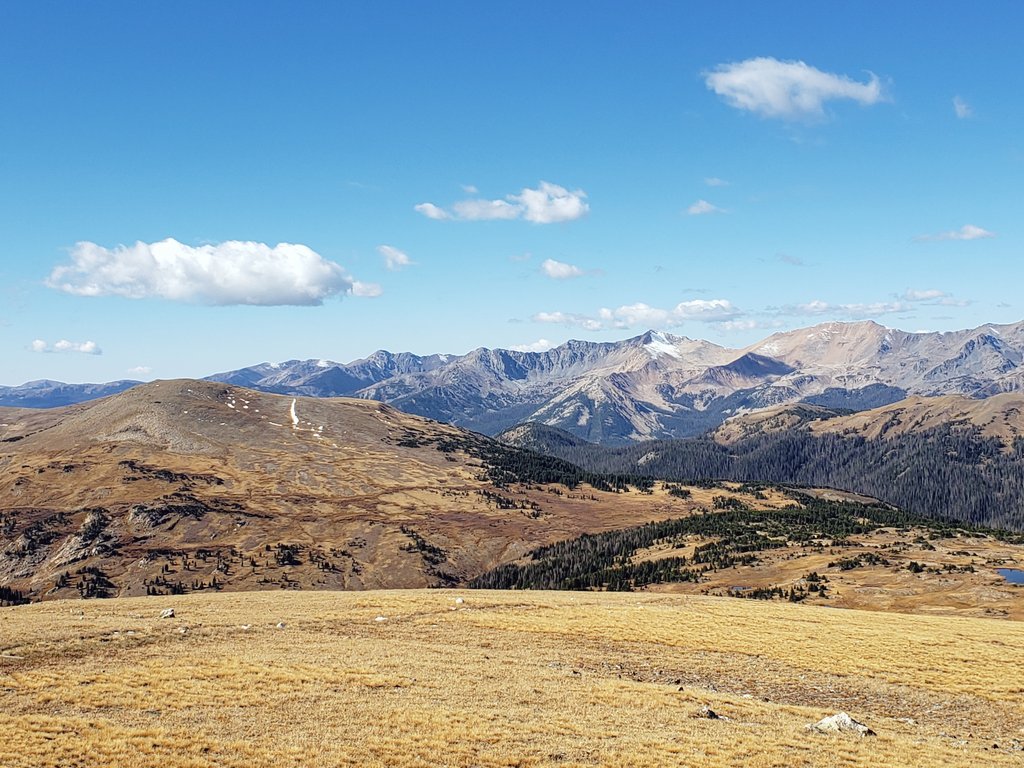
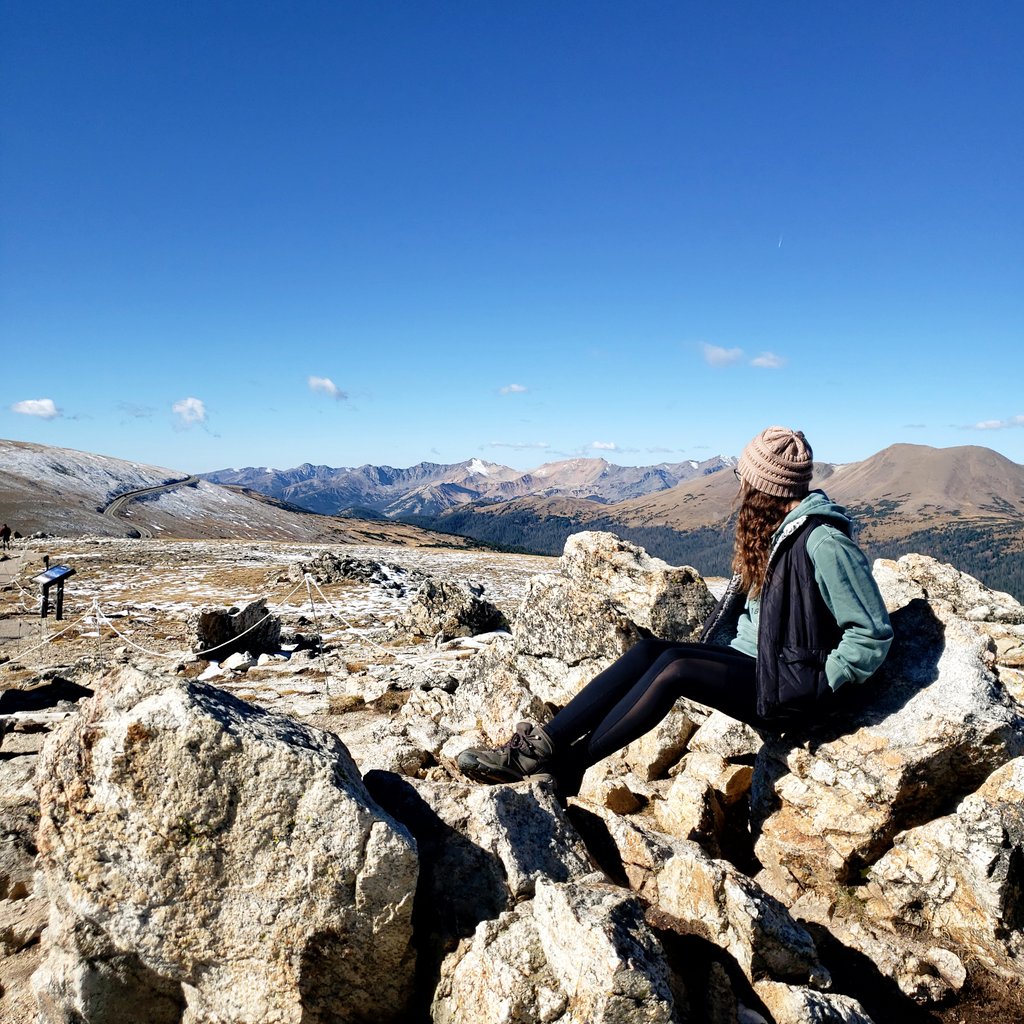
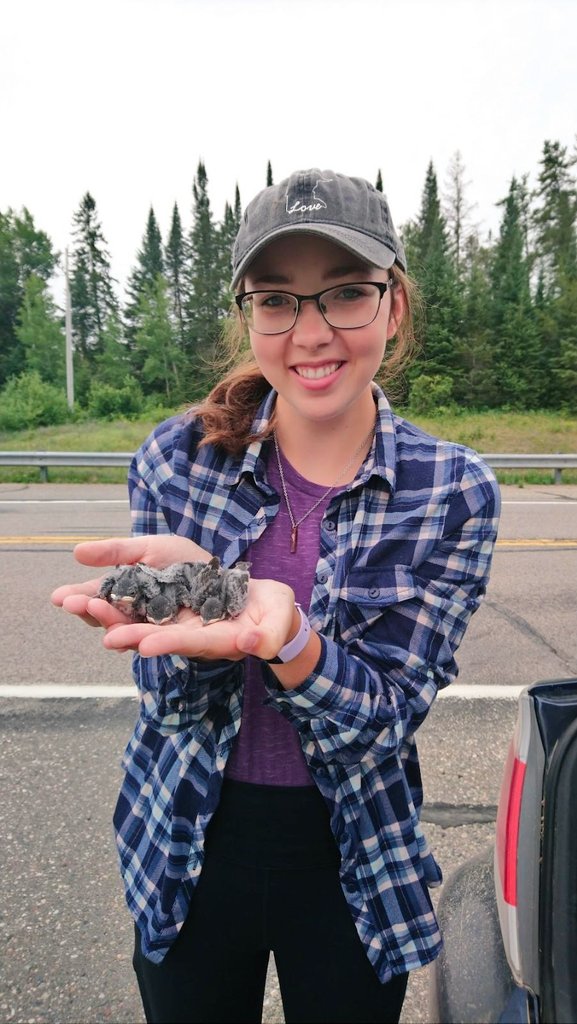
I can't believe it was the last fieldwork day of the season! So grateful to @SarahKnutie and @ashley_c_love for the opportunity to be a part of this project!
The events of this year show how important it is for management to be able to adapt to current events and still care for fish and wildlife populations. #bsuHDwild
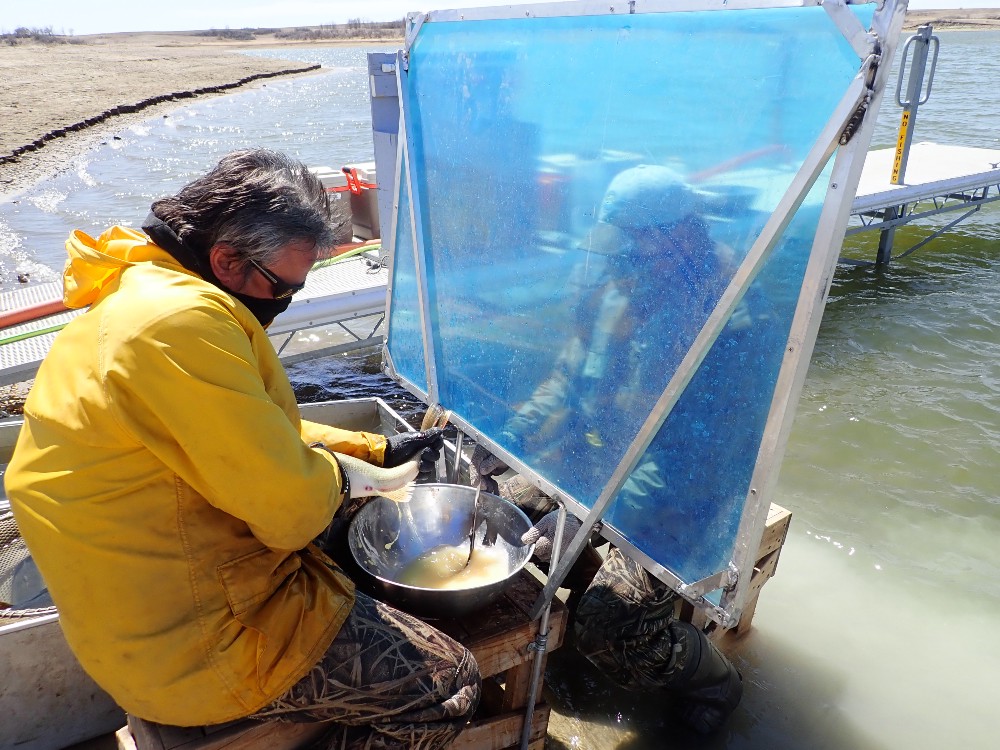
.@USFWSFisheries staff and partners rose to the challenge of caring for fish during a global pandemic. Check out how they have managed to safely carry out duties while providing the best care for fish: https://t.co/X8gEFwXmqo
📸: Spawning walleye in North Dakota by @USFWS
As more stakeholders are found in urban areas, it is important for managers to adapt and incorporate methods like these into their planning. #bsuHDwild
One of our key challenges is to meet people where they live and work, and help them connect with the outdoors and nature. That often means conservation in cities. Read about our work in cities and more in Fish & Wildlife News. https://t.co/4kOIbpqh07
Planting pollinator gardens is one way to help create pollinator habitat. Individual participation is what helps management plans reach success! #bsuHDwild
We need bugs more than we think- and they need us too! Insects are indicators for the health of larger systems. By boosting bug habitat and protecting species, we're benefiting bugs and the wildlife that depend on them. Including us! https://t.co/nPqD6PoAU8