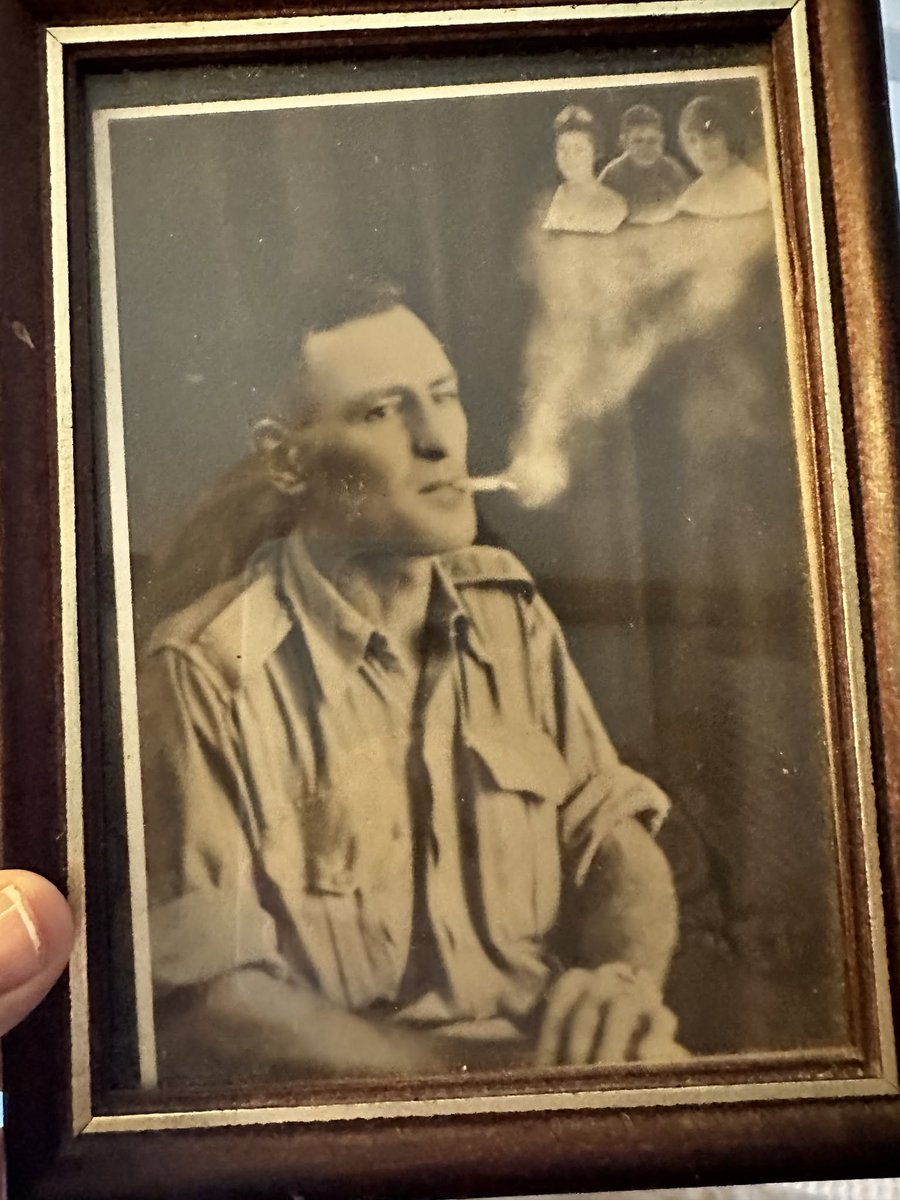
Some wounds of war are carried through generations. Their sacrifices did not end when the wars did.
In 1945, my great-grandfather Harry Hall died as a prisoner of war on the Burma–Thailand Railway.
Born in England to German Jewish parents, Harry was a Jewish man who worshipped Jesus. He had emigrated to Australia in the early 1900s, eventually making his way to the remote communities of Brewarrina and Angledool in north-western New South Wales.
His life had already been marked by extraordinary loss. His first wife died in childbirth, and years later, he lost a son at just fourteen.
When the Second World War came, Harry enlisted again. His journey took him to Singapore, where he was captured and eventually sent to work on the notorious Burma Railway.
He never came home.
In 1989, his daughter Joy wrote to the RSL, hoping that someone, somewhere, might remember her father and know something of his final days.
Remarkably, someone did.
An Army Sergeant from Forbes, NSW, who had endured captivity alongside Harry, responded with a deeply personal letter.
He wasn't simply a fellow soldier. He had been Harry's dear friend.
Along with his account of their experiences, he returned Harry's leather wallet, which had survived the ordeal, and a tiny photograph of Joy as a three-year-old girl at Angledool Station.
The letter also described Harry's final moments.
He had died with Jesus on his lips, calling out to his God.
The Sergeant remarked that this was most unusual, as they generally heard dying men calling for their mothers.
For a man born to German Jewish parents, whose faith was in Jesus Christ, there is something particularly moving about that final testimony.
But the story of war in this family did not end in 1945.
Decades later, Joy's son Anthony, my father, was called up for service in Vietnam.
Imagine that.
A young woman who had already lost her father to war was now confronted with the possibility of losing her son to another war, in a neighbouring country.
Anthony returned to Australia, although his service left injuries and illnesses whose consequences have continued throughout his life.
Joy's father never returned. Her son did.
Two generations. Two wars. Two countries. One family.
And a woman who carried the consequences of both.
When we speak of war, we often speak in numbers. Casualties. Campaigns. Battles won and lost.
But history is also written in the lives of those who waited at home, in letters that arrived decades too late, in photographs tucked into leather wallets, and in the stories families carry long after the fighting has ended.
There are countless Australian families with stories like these.
Men who never came home. Men who returned profoundly changed. Wives and mothers who lived with uncertainty, grief and the consequences of decisions made far beyond their control.
To honour their service is not necessarily to celebrate war.
It is to recognise the human cost.
And perhaps, in a world still so willing to send its young men and women into conflict, remembrance ought to mean something more than ceremony.
It ought to remind us of what war actually takes.
Some wounds of war are carried through generations. Their sacrifices did not end when the wars did.
For Harry, for Anthony, for Joy, and for all those whose lives were forever altered by war.
I write, very unwell, having travelled to both Vietnam and Thailand just twelve months ago. The significance of those two places, and the suffering they represent in my own family's history, is certainly not lost on me.
We remember 🙏 🕊️
@faintlimits They also think its socially acceptable to have diarrhea on the side of the road on a long run, because they're that serious a person, that much of a striver - that they must hit their PB.
Most adults need to be homeschooling themselves. With some exceptions, it is very likely your education failed you in significant ways. Especially if you went to public school.
@PurlsB4Sw1ne I don't mean this as an insult, but this is something I came across and it rang deeply with me.
"Only a slave defines themselves by their productivity".
This doesn't help your material situation, but its a good way to reframe your thinking - pour out your worry to God.
@EEEEEssssEEE2 One source of authority does not entail that certain specific spheres cannot be delegated downwards. This is why kings have ministers for example.
@EEEEEssssEEE2@GooberTheGreat8@Orthodoxyiscool Monarchies are not inherently hereditary, this is a feature of modern liberals masking as monarchists, usually from an appeal to stability. There are many different types.
@GooberTheGreat8@Orthodoxyiscool No, freedmen can and did exist under monarchies and the Roman Imperium.
Serfdom is a feature of manoralism, which is not inherent to monarchy. A monarchical state absolutely can manage a digitalized modern industrial society, ironically it is socialism and anarchism which cant.