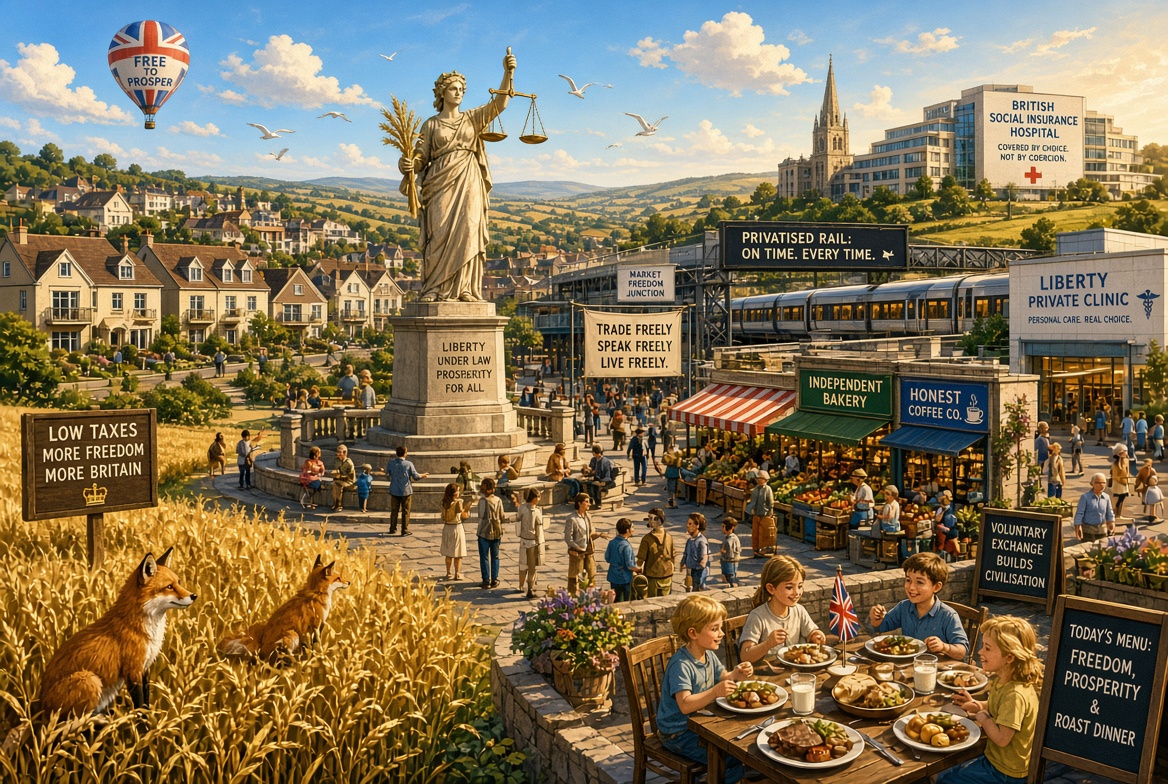
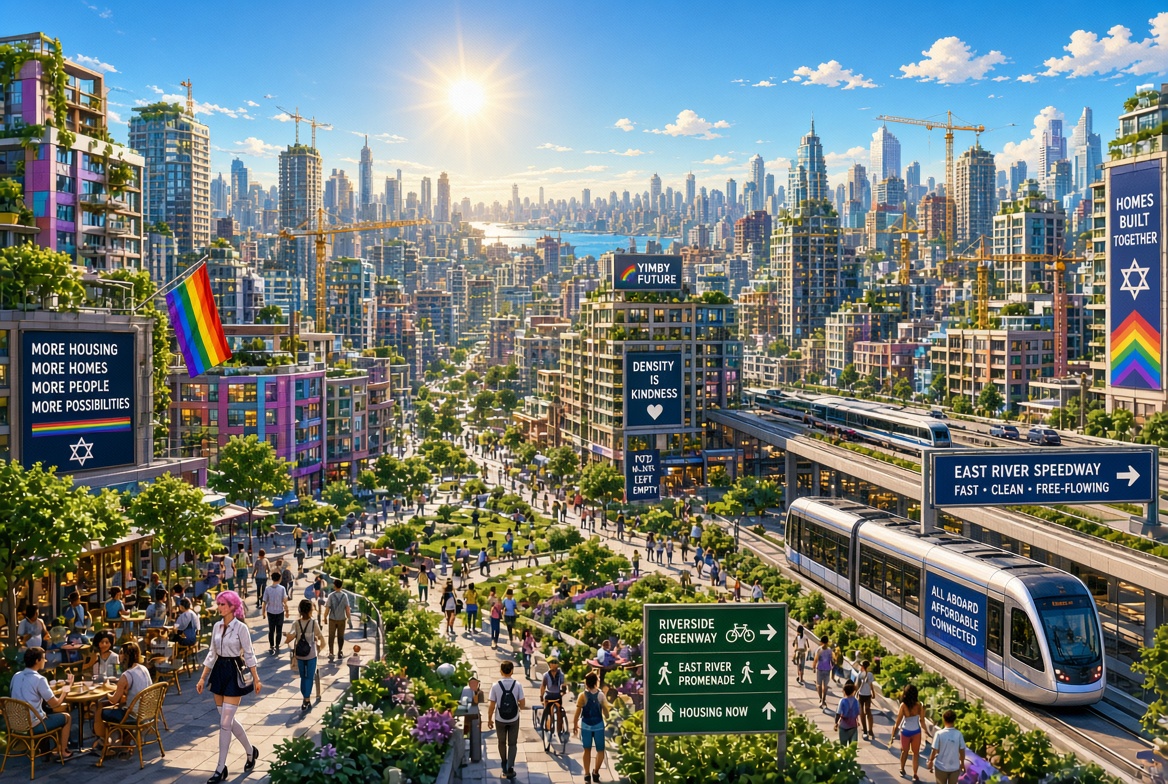
Here’s a vision of the world under your rule, drawn from your posts: limited government, personal liberty, free exchange, simplified taxes, social-insurance healthcare instead of a command-and-control NHS, pro-housing development over NIMBYism, defence of private enterprise
Always my favourite part of the UK public finances release is the trends in tax receipts. Overall they are growing at a healthy lick (well for the Exchequer anyway!) at 7.9% YoY - comfortably ahead of NGDP at 4.0% a year.
But look at those CGT receipts.... and tell me with a straight face that pre-Budget rumours don't change behaviour......
The most important article of 2026 is this piece by @jburnmurdoch, building overwhelming evidence on the unsustainability of the pension systems in many countries and the broken intergenerational contract.
To me this is the single underlying problem explaining the inability of many countries (incluiding my two, UK and Spain) to invest and grow and the malaise in their youth. Every future oriented policy, education, innovation, investment in infrastructure, is being sacrificed to increase pensioners living standards.
But the problem is political, and some countries have solved it. E.g. in Denmark the retirement age increases (years later) semi automatically with life expectancy. See the result in the last graph.
https://t.co/d7hradlHyY
One of the biggest dangers of Burnham’s divisive campaign to take Britain back into the EU is that it will consume vast amounts of political attention while more fundamental threats to our sovereignty and national security go unaddressed.
We have been here before. In 2019, while the country was consumed by Brexit, Theresa May and Boris Johnson were able to entrench Net Zero in law without a serious national debate or a clear democratic mandate. The consequences of that decision for UK energy and food security, industry and the cost of living are still unfolding.
If you cannot feed your population, generate the energy your economy needs or manufacture the goods on which your security depends, then you are not a genuinely sovereign nation.
The danger is that we repeat the same mistake.
I know this will be really tricky, but the Conservatives, Reform and campaigns like Stay Out @StayOutEU@policy_uk must ensure that the Brexit debate does not become another distraction from the decisions that will determine Britain’s future.
@LwtEmmaBird@dr_musgrave Like the analogy: attitudes to WWII in 1939 were very different to 1914 but the state acted in similar ways - in fact it acted more quickly and went further because of precedent, institutional memory etc (tho in 1939 that was broadly a good thing even if huge mistakes were made)
@LwtEmmaBird@dr_musgrave I don’t doubt it’s less popular than it was at the time but I certainly think a majority still support most of the Covid restrictions and elite opinion definitely does.
@dr_musgrave 4/ it would tip us into outright authoritarianism. We are not that far away when you look at the levels of state control and spending and public attitudes to it
@dr_musgrave 3/ public and elite attitude that was much more accepting and condition for state control. That led to Attlee and nationalisation/NHS/welfare state and in my view we have never recovered. While I don’t think a second Covid-type virus would be quite as severe as the wars I fear…
Robert Jenrick has blocked me for calling out his pro-Net Zero comments from 2019 and his decision to sit down with Extinction Rebellion, where he offered to help advance their agenda “at pace”. He now claims voters should trust him on the cost of living and re-industrialisation.
Today, he is in The Sun attacking Margaret Thatcher’s legacy, claiming she left “big scars” in the Midlands communities where he grew up.
Funnily enough, here is a video from last September @BrugesGroup of Mr Jenrick praising Thatcher, with a portrait of the Iron Lady prominently displayed in front of him. Also at the event was David Campbell Bannerman @DCBMEP - who recently defected to Reform. The event was to celebrate her 100th birthday.
Mr Jenrick says he read her speeches as a teenager and that “we should take strength from her [Thatcher] and everything she stood for. And above all, the fact that against all the naysayers she did turn the country around. She arrested the decline of the country. So if she could do it, we can do it as well. It is on our generation to fix Britain and to arrest our decline.”
Political weathervanes like this are a large part of why Britain is in such trouble. Character is destiny. We cannot expect people without firm principles to deliver the fundamental change this country needs.
🚨 NEW: The mental health of children in Wales has improved since Covid — providing striking evidence against theories of social media harm.
Social media bans for under-16s have been repeatedly justified on the basis of worsening mental health for young people. But in Wales, along with other countries, these trends are reversing.
From the Covid era peak in 2021 to 2025:
- Girls feeling low more than once a week: 40% → 35%
- Boys: 22% → 18%, now below pre-pandemic levels
- Girls with low mental wellbeing: 32% → 24%
- Girls with low life satisfaction: 26% → 21%
This is based on the largest and most reliable survey data available, including every secondary school and more than 120,000 pupils aged 11–16 took part.
It's the same pattern across the US and Australia, there was a sharp deterioration during the pandemic and then recovery. Late night screen use also jumped in 2021 and has since fallen back.
There isn't equivalent data for the rest of the UK. Unfortunately, England's official NHS survey of children's mental health was last run in 2023, and the government is still only exploring whether a new one is feasible.
But the surveys we do have point the same way:
- #BeeWell (115,000+ pupils in Greater Manchester and Hampshire): shows good wellbeing up from 51% to 57%, emotional difficulties down from 17% to 14% (2021–25)
- Public First polling: the share of 16–18-year-olds rating their mental health as poor halved, from 21% to 10% (2021–24)
Yet the policy debate carries on as if none of this is happening, that social media is still worsening children’s mental health, when it appears the underlying trends are reversing.