99% of engineers using MCP couldn't explain what happens after an AI decides to call a tool.
They know it works.
They don't know WHY it works.
Here's the mental model that made MCP click for me 👇
Before MCP:
Every AI model needed a custom integration for every tool.
10 models × 100 tools = 1,000 integrations 🤯
After MCP:
Models speak one language.
Tools speak one language.
Everything connects through a common protocol.
That's it.
The architecture is surprisingly simple:
🖥️ Host → Claude, ChatGPT, Cursor, VS Code
🔌 Client → lives inside the host and manages connections
⚙️ Server → exposes tools, resources, and prompts
Under the hood?
Just JSON-RPC 2.0 messages.
No magic.
No agent framework.
No secret AI sauce.
The part most people miss:
• Every tool schema gets injected into the model context
• More tools = more tokens
• More tokens = higher costs
• Bad schemas = worse agent performance
• Tool sprawl becomes the new microservices sprawl
MCP isn't competing with LangChain.
MCP isn't an agent framework.
MCP is becoming what HTTP became for web applications:
A boring standard that quietly wins.
Five years from now, most AI systems will probably speak MCP.
And most developers still won't know what happens on the wire.
Save this if you're building AI agents.
@kitarp29@AreebAbdulGhan1 Exactly as said by Areeb. Done this many times in Jenkins, volume mount , log file will be visible to pipeline and then attach it as pipeline artifact for history evidence or analysis to download locally
We all live a hectic life and are exposed to stress and distractions all the time. It’s even more important for people who prioritize fitness to balance it with healthy living. Stress+ rest = growth.
Going to a gym or doing a run doesn’t get you a heart attack or stroke. Overdoing it might. So do everything in the right proportion.
1- Get your blood tests done at regular intervals.
2- Consult your physician. Not your WhatsApp friends.
3- Seek help from a qualified nutritionist and trainer. Not Instagram or YouTube influencers.
4- Spend less time doing commentary on Whatsapp groups and more with your family and friends.
We're thrilled to share UST's work on Project Rosalind. We worked with @quantnetwork, @BIS_org and @bankofengland on this experiment in API prototypes for central bank digital currencies.
Learn more about our API and #blockchain work: https://t.co/aJNVpcBxY0 #banking
A customer was considering leaving #dynamodb due to costs.
@pj_naylor and I helped them save half a million dollars per year with one simple, magical, optimization.
Want to save DynamoDB costs like a pro? Let’s start with some background…
Do you want an #AWS or #tech job?
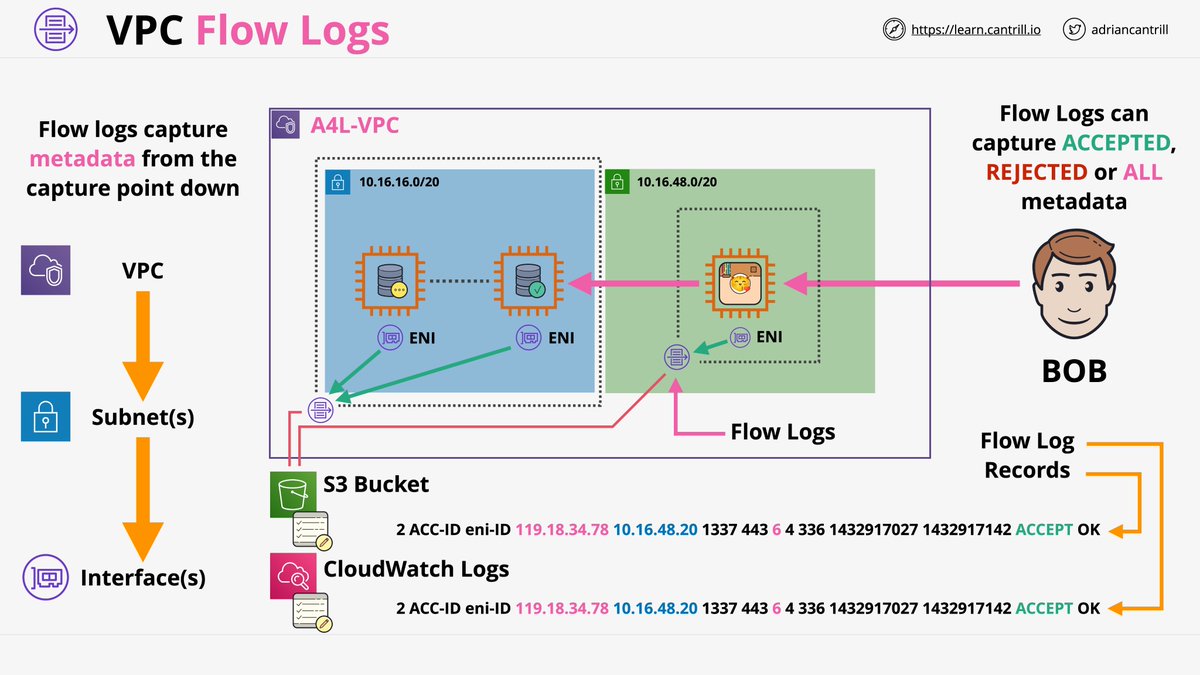
Then improve your diagnostic skills. This mini project https://t.co/Cayvyt4UMR will show you how to implement VPC flow logs and use them to diagnose networking issues.
Follow me for more regular free content and please Retweet !
Want to become an AWS expert?
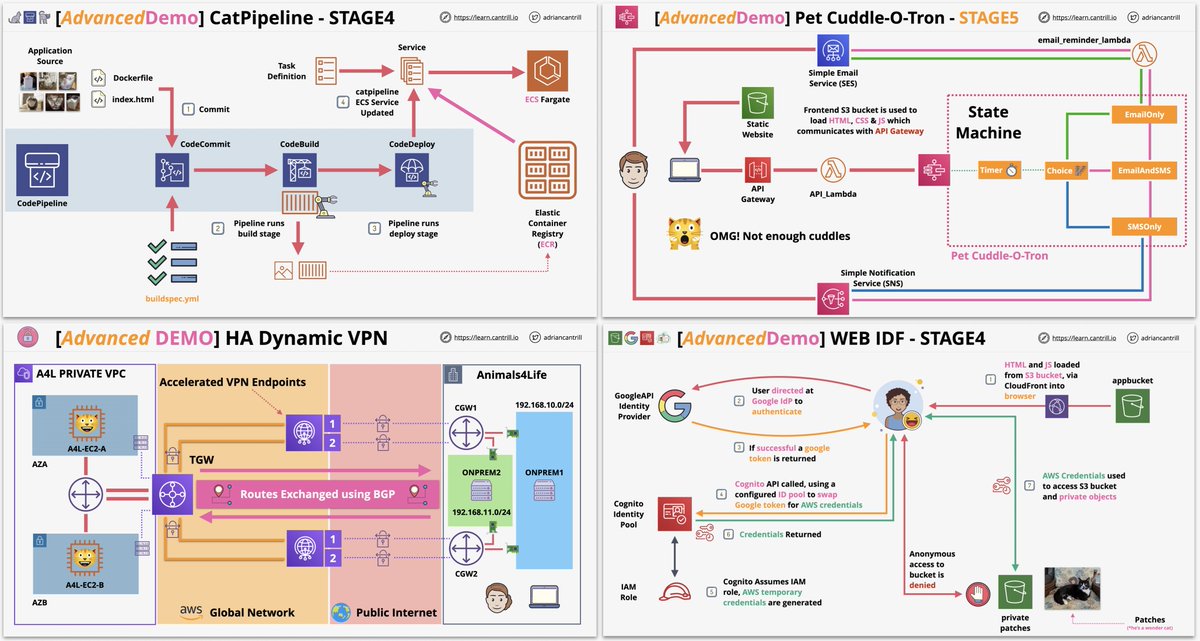
Take one AWS mini-project and work through it. Repeat over and over.
I have some projects you can use here https://t.co/C1oq0m4tr0
The best way to get hired is to implement things and demonstrate skills.
Please retweet and follow me :)
Use read-only filesystems if your application does not need write access!
Use --cap-drop=all, and then --cap-add any specific system capabilities you need!
Use --security-opt to define seccomp and/or AppArmor profiles!
8/N
𝗗𝗲𝘃𝗢𝗽𝘀 𝗣𝗿𝗼𝗷𝗲𝗰𝘁
Using Docker, Jenkins, and AWS I have set up CI/CD pipelines for a Node.js application that integrates with GitHub.
Try out this project, it'll give you a complete hands-on experience of CI/CD in AWS DevOps workflow.
Did you know that you can generate an overview of your Git repo—complete with stats and ASCII art—with this nice little CLI tool written in Rust? https://t.co/ivL5JW1Zqd 🦀