And same goes for practically everything, not just native apps but websites as well for example, where the better the semantics you use the easier it is to get accessibility services using them
A very good use case for Computer Use features like implemented in Codex is to ask the AI agent to review your app so navigation is easier for AI agents but also disabled people, since Computer Use makes use of the same OS accessibility APIs that disabled people tend to use
See it like a dual benefit: make your apps better for AI agents, but also for disabled people. Since many developers did not care about the latter, maybe now they will care :)
I'm eventually going to write a blog post but there are tips to "vibecoding safely", or at least do as much as you can:
- Set constraints/style in AGENTS.md
- Enable a lot of warnings, and treat them as errors
- For C/C++: clang-tidy, sanitizers (ASan), etc.
These things, you should already do as a human, but they matter even more given the throughput at which you can make new code with agents.
Agent or human should not be trusted on first passes. Use as much tools as possible to ensure the code is relatively sane
I'm still investigating why (and maybe it's not as noticeable baremetal), but in real apps this can translate to apps that take 2-3 secs longer to start even on high-end hardware. I just thought it was interesting enough to figure out why that happens
Starting macOS 26 third-party developers can build their apps in arm64e instead of arm64. The main benefits are security like full PAC features
I noticed something weird that I could reproduce on a toy benchmark: arm64e binaries have cold start latency compared to arm64
Now built in arm64e with full PAC features and most CFI protections. Still minimal overhead.
UI/UX got a lot better too, will probably ship it as open source soon :)
It's the best macOS client I've seen and used (imo)
After a few hours I can say it's "production-ready for my needs". Very fast, always <100MB RAM, less CPU usage than Transmission, and I hardened everything I could (app sandbox + hardened runtime + restrict + clang hardening for libtorrent)
After a few hours I can say it's "production-ready for my needs". Very fast, always <100MB RAM, less CPU usage than Transmission, and I hardened everything I could (app sandbox + hardened runtime + restrict + clang hardening for libtorrent)
I haven't found a macOS torrent client that suits my taste: SwiftUI, minimal RAM/CPU usage, sandboxed and hardened. I've been running a sandboxed version of Transmission, but now I'm vibecoding one I guess, and it already does better
It's not like there is too much potential for sloppy code: I use a battle-tested library underneath (libtorrent-rasterbar) and set hard constraints like only use SwiftUI, target modern macOS only, and you work in app sandbox with these entitlements. Just works
I'm not going to sugarcoat it. Claude Fable 5 (aka Mythos) sets a terrible precedent for the future. A future where honest curious people can't even explore ideas freely with a model, but only what they want you to do with it
It's a truly sad moment
And voilà: https://t.co/WZflQK0CTt
If you like sandboxed apps on macOS (and you should), check this out. Best solution would be for @obsdmd to provide a MAS build, of course, but unsure when or if that could happen
I will soon release a script to build this locally. It takes a bit of time to get the hardening right (no dependencies, checks, pinning stuff as much as possible).
Even if you don't use it, this might raise awareness. Most apps can still work totally fine in the macOS sandbox!
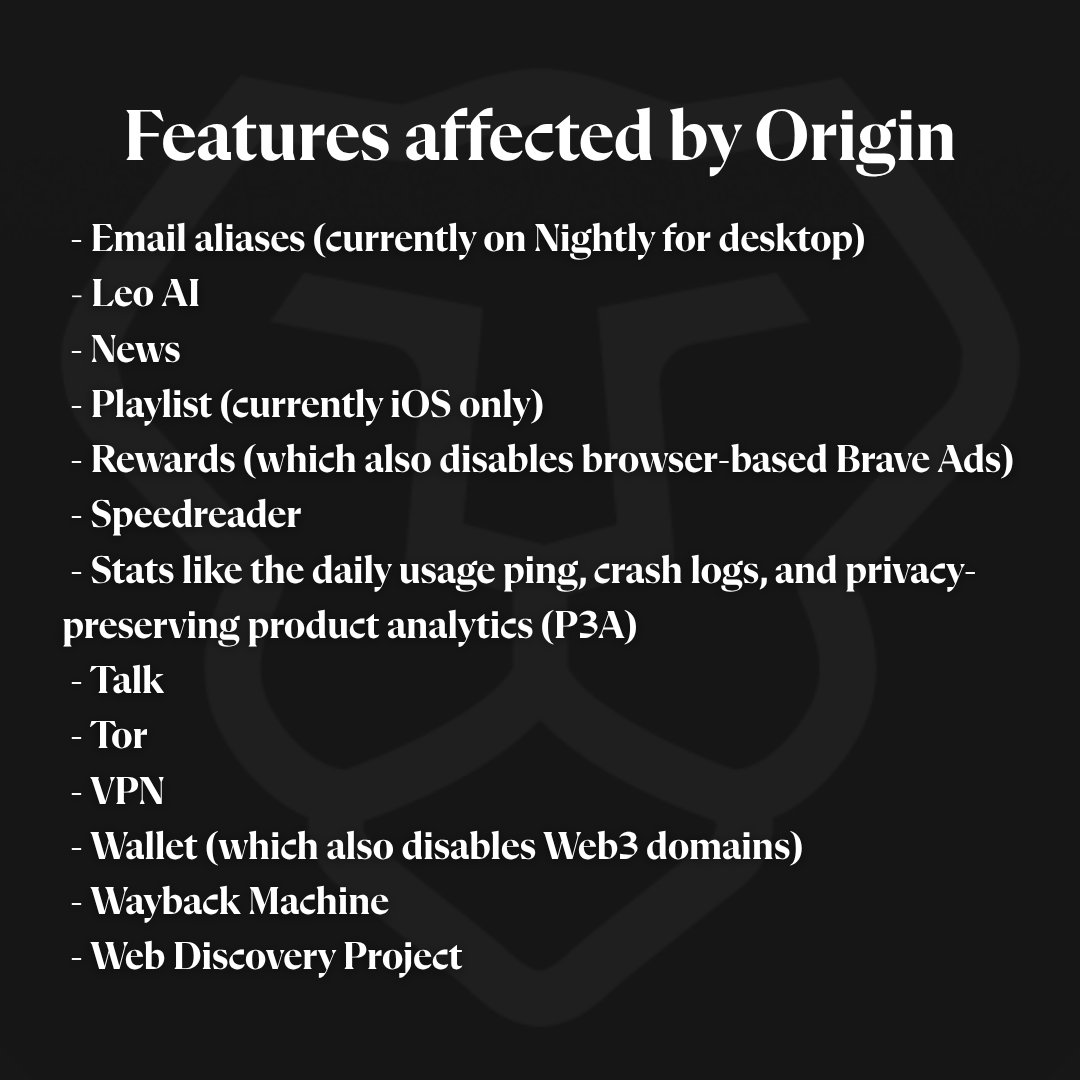
Of course Brave Origin also has a standalone path on desktop, which is less flexible but ships less code. That said it mostly uses new bundle IDs on macOS (com.brave.Browser.origin.*), so you will likely encounter the weird emoji issue if you have enabled macOS lockdown mode.
I suspect the policies Brave has been adding the past few months are wiring to the same things the Origin upgrade allows. Meaning you can debloat for free, if you want to.
(I have nothing against this revenue model, just saying that options exist for techies.)