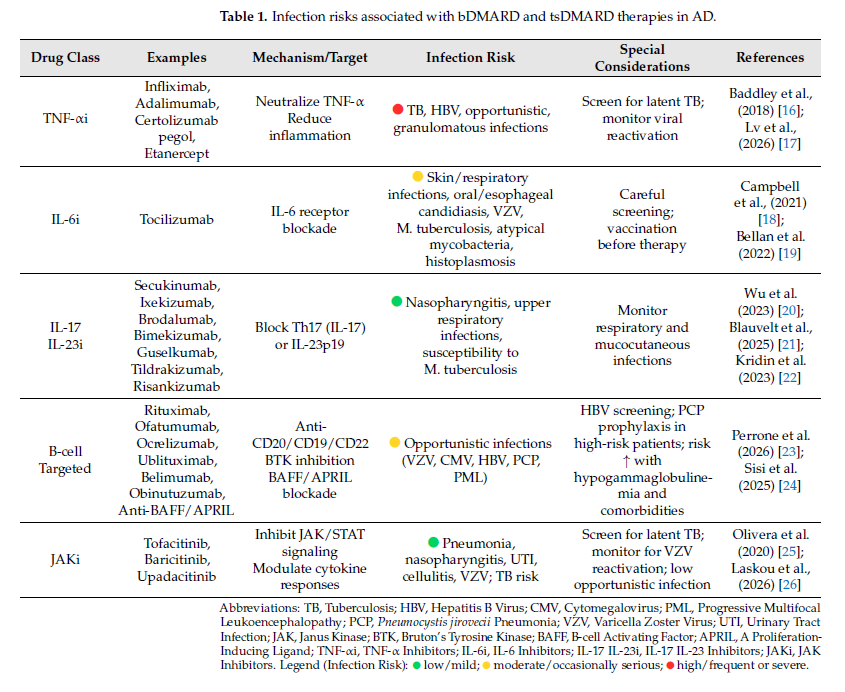
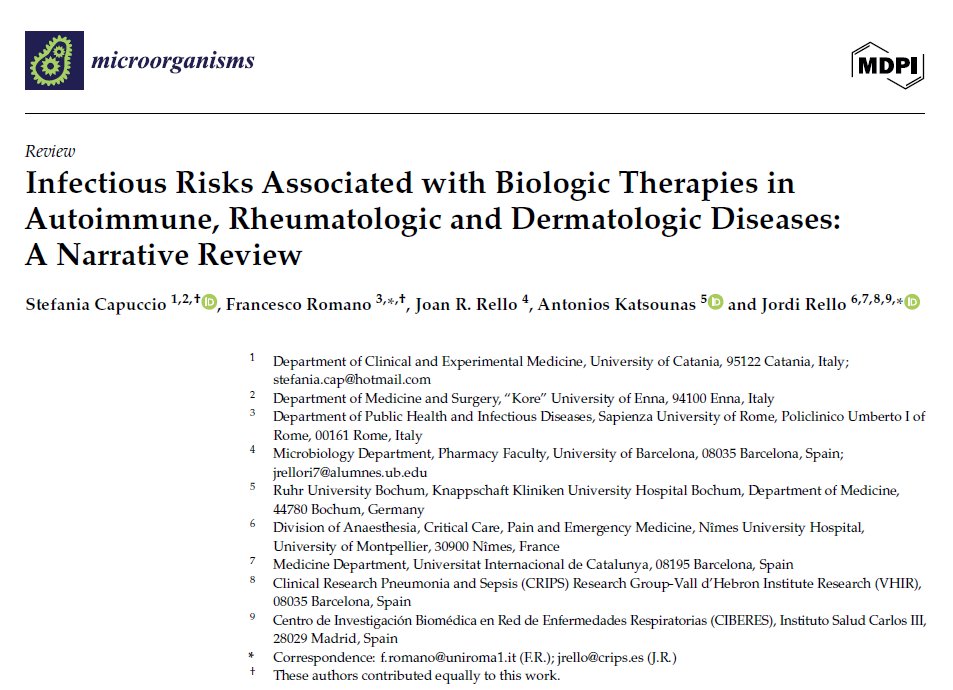
🦠🩸Diagnóstico Rápido de la Sepsis e Infecciones del Torrente Sanguíneo
🔰📚Nature Reviews
https://t.co/6anIdsS2wE
Enlace a Artículo Completo👇🏻🆓✅
https://t.co/rPEDXf5xvO
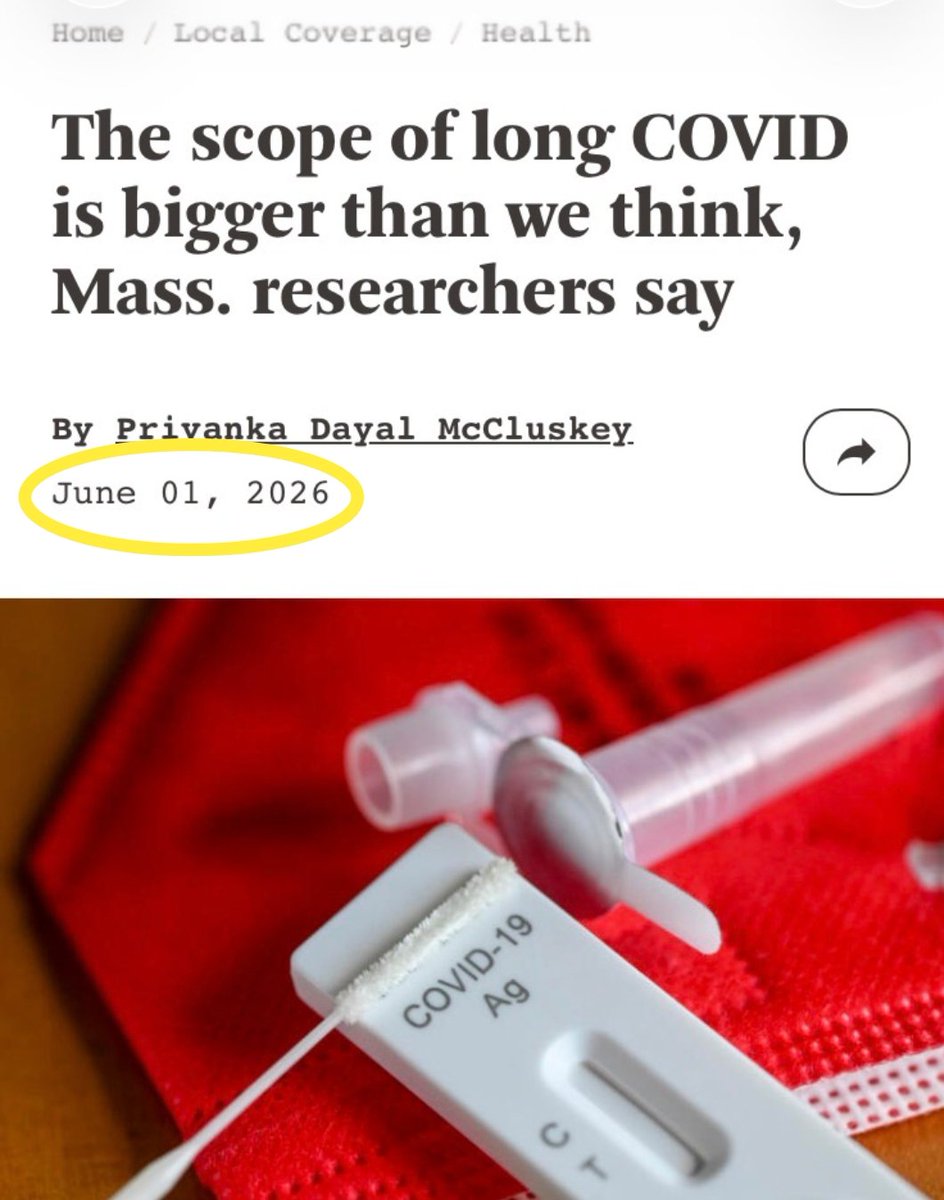
Éste nuevo estudio del Mass General Brigham demuestra que la prevalencia de Long Covid es mucho mayor de lo que se creía.
La OMS cree que el riesgo es del 6%, pero éste estudio encuentra Long Covid en casi una de cada 5 personas que tuvieron Covid.
https://t.co/tMBh78l2W9
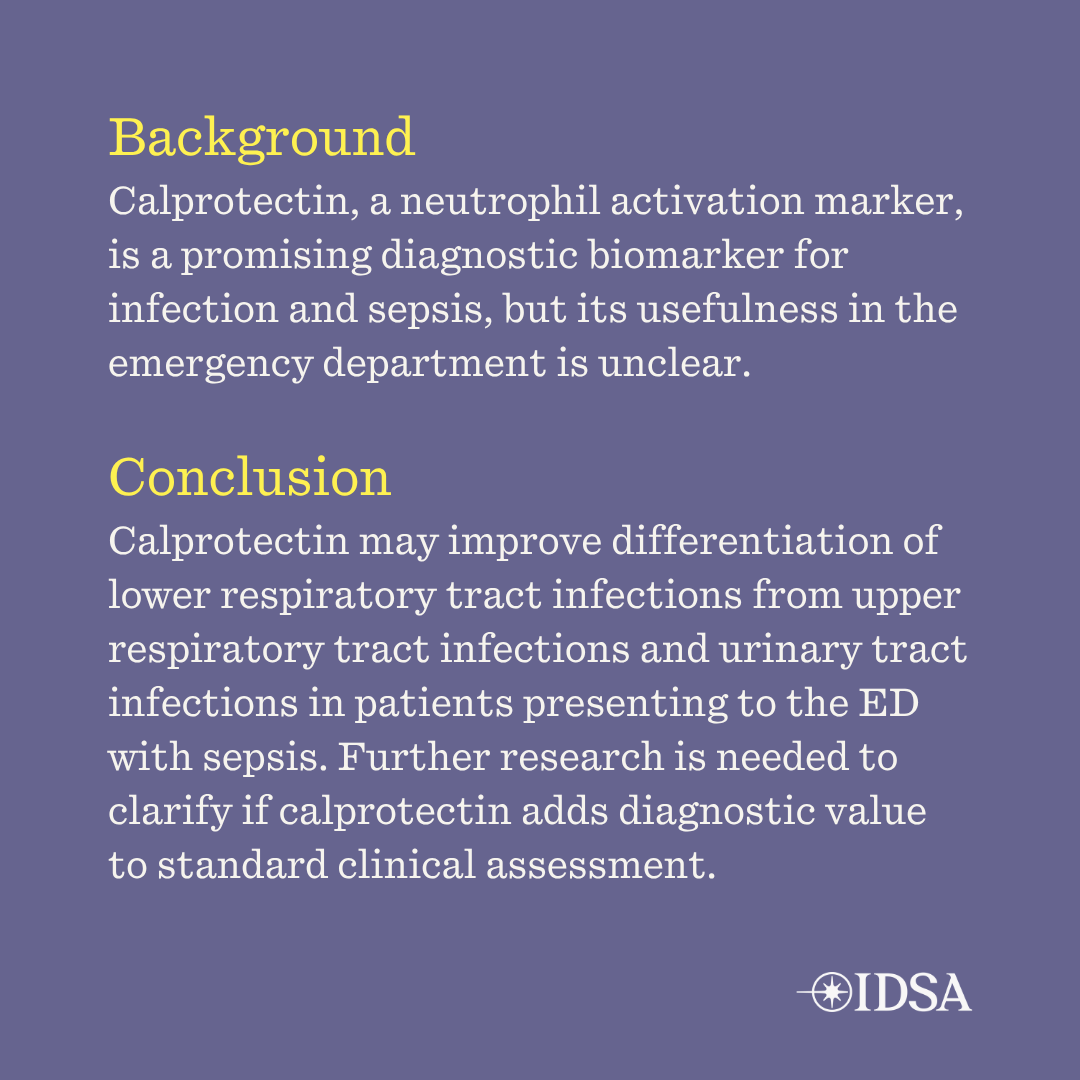
Calprotectin as a diagnostic marker for lower respiratory tract infection and sepsis in the emergency department
✅ Just Accepted
🔗 https://t.co/kUKUQ9ykaX
🦠🔬 La variante BA.3.2, apodada “Cicada”, ya ha sido detectada en al menos 25 estados y se encuentra bajo vigilancia de las autoridades sanitarias. Los expertos advierten que esta cepa presenta una alta cantidad de mutaciones. 🚨🧬
Hacerse pruebas de ITS es una herramienta de cuidado en cualquier momento de la vida. El diagnóstico precoz mejora la salud y evita posibles complicaciones.
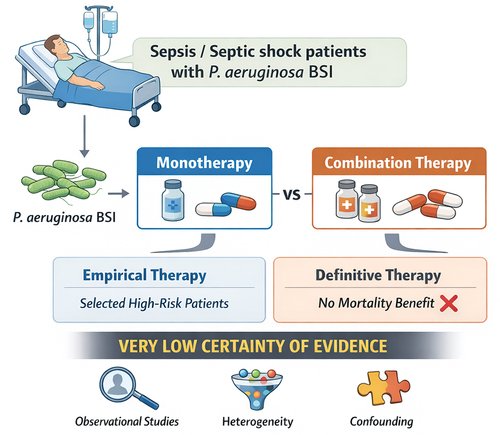
🆕⚡🔴 Systematic review
The effect of combination antibiotic therapy on mortality in patients with sepsis or septic shock due to Pseudomonas aeruginosa bloodstream infections
8 observational studies including 1201 patients met the inclusion criteria.
🔻No consistent survival benefit was observed with definitive combination therapy. #IDXposts
https://t.co/1TzIkv3Zni
🦶 Osteomielitis de pie diabético: ¿siempre biopsia ósea?
Ensayo publicado en CID-2026 (84 pacientes):
guiar el antibiótico por biopsia ósea no mejoró la remisión frente a biopsia del lecho ulceroso
📌 Mensaje: la b.ósea sigue siendo útil, pero no siempre cambia el resultado
📢 Actualización clínica relevante sobre la bacteriemia por Enterococcus faecium (BSI), basada en un consenso Delphi internacional (ESGBIES).
⚠️Un microorganismo cada vez más frecuente y asociado a elevada morbimortalidad.
Jueves de educación médica.
Uno de los clásicos signos de sepsis es la fiebre. Pero en la práctica, solo el 6% de los pacientes sépticos tienen >38.3 °C.
El 21% tiene hipotermia (<36 °C) y son los que necesitan más vasopresores y ventilación mecánica.
🧵
https://t.co/cs9h41gWgj
🫁📱Ultrasonido Pulmonar en la Toma de Desiciones en el Paciente Grave
🔰📚Intensive Care Medicine Experimental 2025
https://t.co/uF6aYOu3zH
Enlace a Artículo Completo👇🏻🆓✅
https://t.co/xumUMHaxVK
Ministerio de Salud reconoce discrepancias en sus propios datos sobre tuberculosis en Ecuador | Cárceles concentran uno de cada cuatro contagios https://t.co/aAaQOOOvDM
People with HIV (PWH) and cancer have greater cancer-specific mortality than patients without HIV. In @CIDJournal, authors describe the associations between low CD4 cell counts and cancer-specific mortality in PWH with cancer. https://t.co/6zjPY5gCFe
Beta-Lactam plus Azithromycin or Doxycycline versus Fluoroquinolones in Hospitalized Adult Patients with Community-Acquired Pneumonia: A Systematic Review and Network Meta-Analysis
🔁 Repost
🔗 https://t.co/lujqDjCzis
🦠 Early antibiotics save lives in septic shock.
But this important 2026 study reminds us that sepsis is not one homogeneous disease.
In this prospective cohort analysis from rural Thailand, pre referral antibiotics were associated with a significantly lower hazard of death in septic shock: HR 0.38 (95% CI 0.19-0.75).
In patients without shock? No mortality benefit was observed.
That distinction matters.
The study analyzed 2593 adults with sepsis transferred from community hospitals to a tertiary center in northeastern Thailand, a setting where delayed transfer, limited diagnostics, and antimicrobial resistance create major challenges for sepsis management.
Some striking findings:
• 73.2% received antibiotics before transfer
• 28 day mortality was 18.9%
• Shock significantly modified the effect of antibiotics on survival (interaction p = 0.001)
One of the most interesting aspects of this paper is how strongly it supports a precision medicine approach to sepsis.
The authors raise an uncomfortable but necessary reality: many patients initially labeled as “sepsis” may actually have nonbacterial infections or even noninfectious inflammatory syndromes.
Particularly in Southeast Asia, differential diagnosis includes dengue, malaria, viral syndromes, tropical diseases, and sepsis mimics.
This creates a major tension in modern critical care:
Delay antibiotics in true septic shock → mortality increases.
Overuse antibiotics in uncertain sepsis → resistance, toxicity, microbiome disruption, and diagnostic anchoring increase.
The paper indirectly reinforces what many intensivists increasingly experience clinically:
Shock physiology may be more important than “suspected infection” alone when deciding how aggressive and immediate antimicrobial therapy must be.
The Kaplan Meier curves are particularly compelling: in septic shock, early pre referral antibiotics showed clear survival separation over 28 days, while curves in nonshock sepsis remained almost overlapping.
This is also an important reminder that evidence generated in high income systems does not always directly translate to LMIC referral networks, where transfer delays and diagnostic limitations fundamentally change sepsis trajectories.
Reference 📚
Coston TD et al. Pre Referral Antibiotics and Mortality Among Adults With Sepsis in Southeast Asia: A Secondary Analysis of a Prospective Cohort Study. Critical Care Medicine. 2026;54(1):12–23. DOI:10.1097/CCM.0000000000006932
Por alguna razon existe la creencia que la desviacion a la izquierda en un paciente es la presencia de neutrofilia en el hemograma.
Esto no es cierto.
La desviacion a la izquierda es la liberacion en sangre de formas INMADURAS de los neutrofilos usualmente durante una infeccion.