This Is The Story of How We Built the Midlothian Angel Network
https://t.co/1cUH73EpP2
Please read and feel free to share your feedback, questions and concerns.
Thank you for being part of this journey. Our best days are just beginning.
#MidloAngels
Built in Nigeria. Ready for the world.
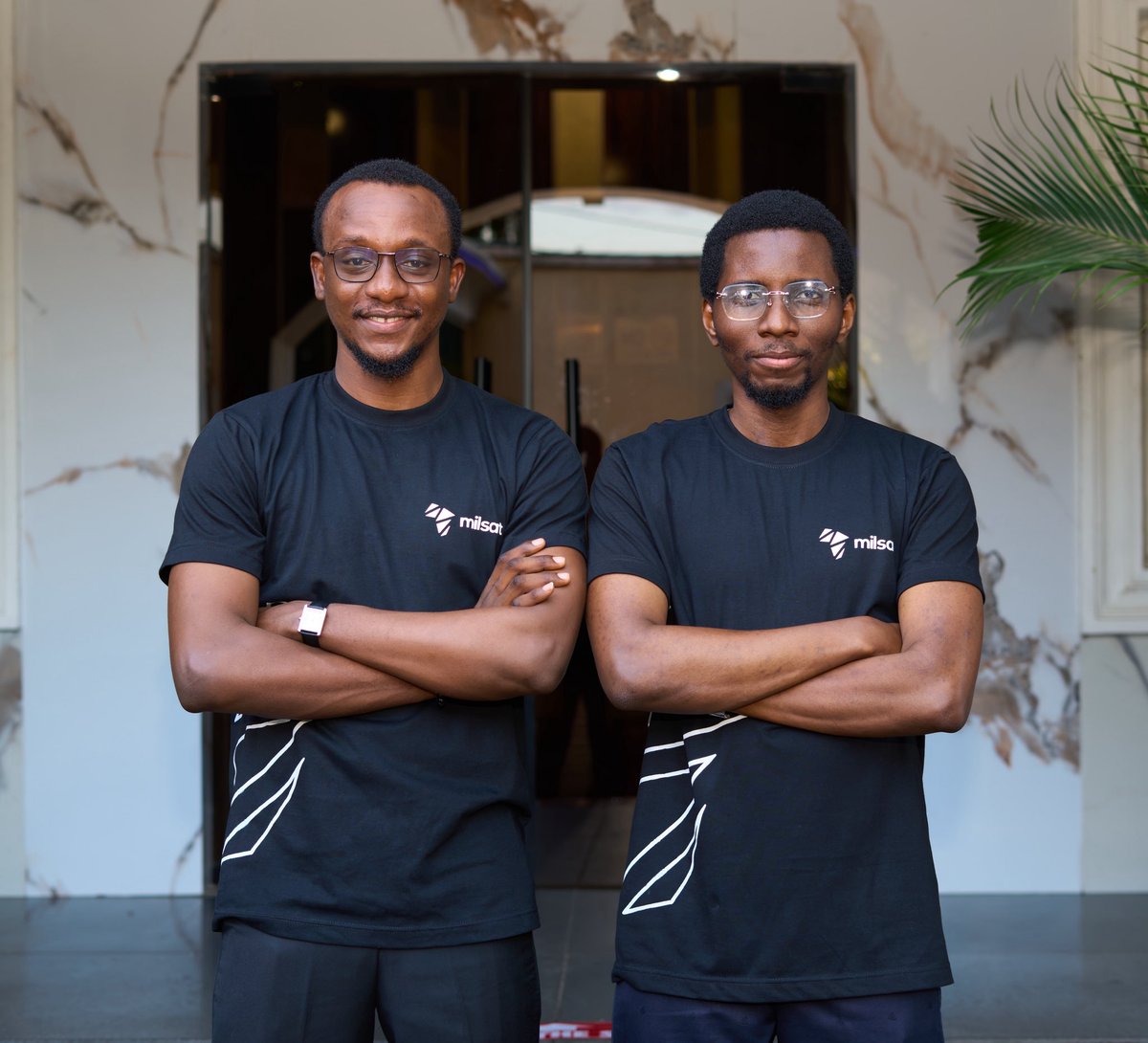
Today, I want to celebrate @milsat_africa, founded by Taslim Saluadeen and Adedamola Baderinwa, the Nigerian company behind the technology powering our new National Digital Postcode.
From delivering a pilot in 2023 to building a national system, Milsat demonstrates the depth of Nigerian technical capability and our ability to create infrastructure that improves public services, supports businesses and opens up economic opportunities.
Their work extends beyond postcode. Milsat supported the National Population Commission’s mapping of more than 65 million properties in preparation for Nigeria’s first digital census, and has deployed enumeration area demarcation technology in Sierra Leone.
This is the ambition I want us to nurture: Nigerian companies building solutions for our needs, proving their capabilities at home and taking that expertise to the world.
With appreciation to @NipostNgn, Meeds Network Limited and the National Population Commission for their roles in this journey, today’s spotlight belongs to the Milsat team.
I look forward to seeing you help many more countries turn location and field data into better services for their people.
#NigerianExcellence
₦5,250 to become "Dangote's business partner." Ten million Nigerians tried.
The real story isn't the memes. It's what it says about the 90+ other companies on @ngxgrp nobody's rushing to own.🧵
https://t.co/PkqDtVAmDZ
A Figma exec DMed me after we released SÉON case study last year to express how impressed he is seeing the quality of design work coming out of Nigeria.
I really just thanked him, smiled and moved on. Just recalled now and I'm like: oh that actually happened 🤯
How about Indians who don’t ever lose their accents but succeed anyways?
Thinking you gotta lose your identity in order to be accepted might be a low esteem issue, not cultural integration
@AskMichaelTaiwo That accent can be a hinderance to certain opportunities,it’s not worth celebrating. It’s always better to integrate into the culture of your host country,many doors will be opened to you.
Nigeria is back in the @FTSERussell Frontier Market.
Good news. But let’s not confuse a return with a promotion.
We lost this status in 2023. Nigeria doesn’t need another party.
It needs a capital market built for the $1T economy it wants to become. https://t.co/0KUYGT8t8V
Bayes’ theorem is probably the single most important thing any rational person can learn.
So many of our debates and disagreements that we shout about are because we don’t understand Bayes’ theorem or how human rationality often works.
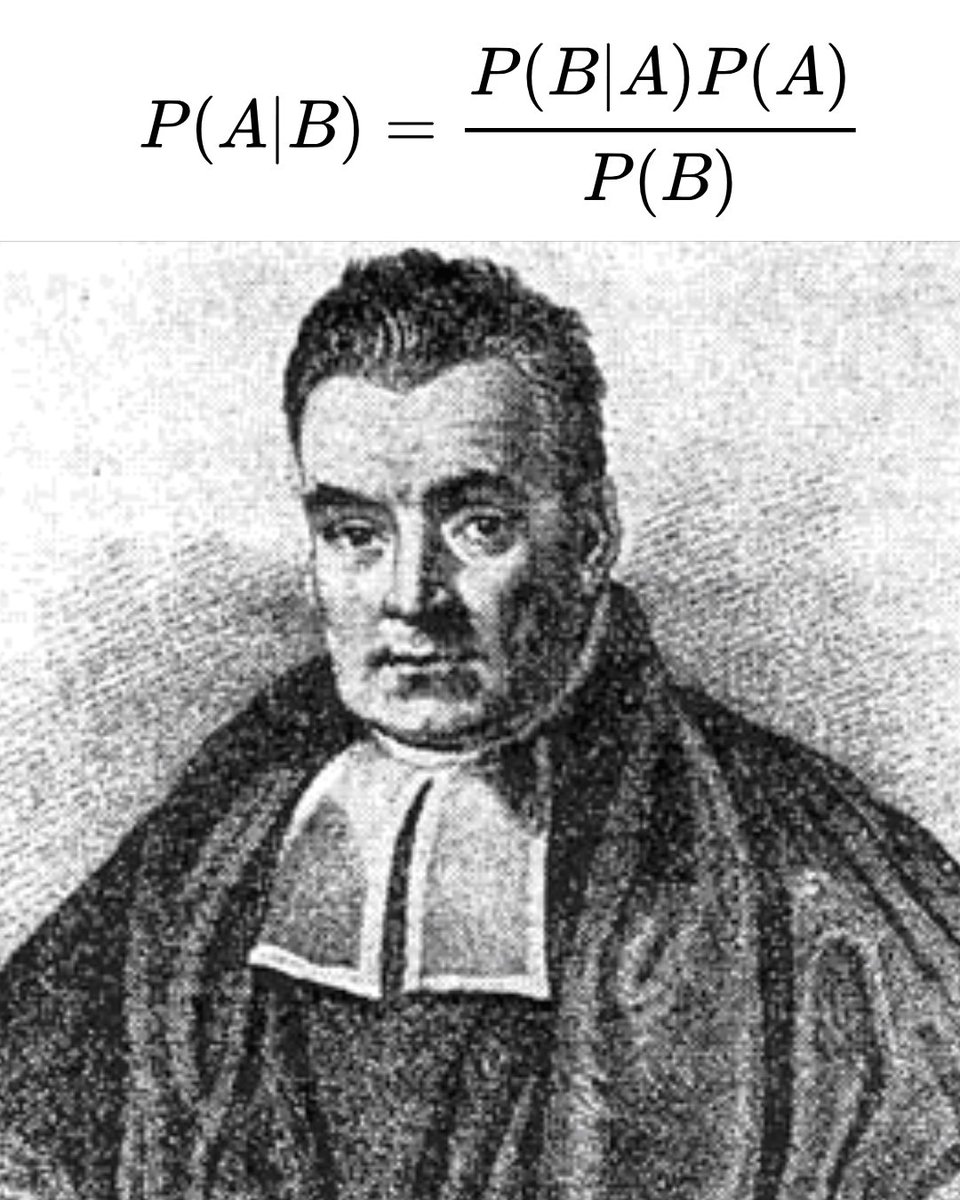
Bayes’ theorem is named after the 18th-century Thomas Bayes, and essentially it’s a formula that asks: when you are presented with all of the evidence for something, how much should you believe it?
Bayes’ theorem teaches us that our beliefs are not fixed; they are probabilities. Our beliefs change as we weigh new evidence against our assumptions, or our priors. In other words, we all carry certain ideas about how the world works, and new evidence can challenge them.
For example, somebody might believe that smoking is safe, that stress causes mouth ulcers, or that human activity is unrelated to climate change. These are their priors, their starting points. They can be formed by our culture, our biases, or even incomplete information.
Now imagine a new study comes along that challenges one of your priors. A single study might not carry enough weight to overturn your existing beliefs. But as studies accumulate, eventually the scales may tip. At some point, your prior will become less and less plausible.
Bayes’ theorem argues that being rational is not about black and white. It’s not even about true or false. It’s about what is most reasonable based on the best available evidence. But for this to work, we need to be presented with as much high-quality data as possible. Without evidence—without belief-forming data—we are left only with our priors and biases. And those aren’t all that rational.